Thursday, June 04, 2026

Natural Cough Remedies, Home-made tried and tested cough syrup

Honey

A teaspoon or two of honey may cut mucus production. Honey also kills germs. But remember, it can cause botulism, a rare form of food poisoning, in babies. Never give it to any child younger than .

Hot Drinks

Hot drinks won’t ease a stuffy head, but they can soothe a cough much better than room temperature drinks. Sip on hot tea or water if you’re seeking relief.

Ginger

Research shows certain purified compounds inside ginger root can relax the muscles that tighten your airways. You can eat ginger raw, or you can mix ground ginger root with honey and stir into hot tea. 

Water

Drinking lots of water not only soothes the scratch of a cough and keeps you hydrated, but it also thins the mucus in your throat. You’re less likely to need to clear things out with a cough.

 Steam

Breathing in steam may help with coughing because it calms and moisturizes your airways. You can also add essential oils like peppermint to the water for extra comfort.

Neti Pot
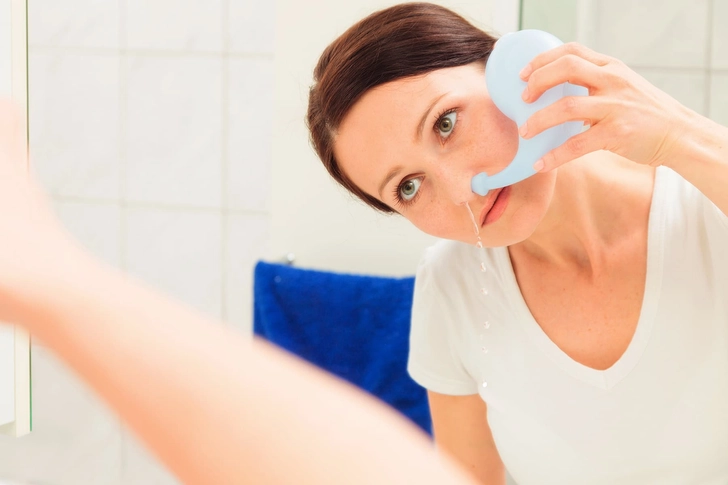
Neti Pot 

One of the most common reasons for cough is upper airway inflammation. Saline irrigation, or washing out your nasal passages with a saltwater rinse, can keep inflammation down by flushing out irritants and clearing away mucus. You can use a special bulb or a container called a neti pot.

Elderberry

Elderberry 

You can take elderberry extract as a supplement in capsules or a syrup. It may not ease your cough right away, but studies show it can make it go away sooner.

Menthol

Menthol, a compound naturally found in peppermint, opens your airways to help you breathe more easily. That means it can also keep coughs at bay. You can find menthol in rubs you spread across your chest, cough drops, and even peppermint tea.

Gargle Saltwater

A saltwater gargle is usually a sore throat remedy, but it’s worth trying for coughs, too. The extra moisture can thin mucus and help wash out things that irritate your throat, much like a saline rinse does for the nose. Mix 1/4 to 1/2 tsp. of salt into 8 ounces of warm water, tip your head back, gargle, and then spit the mixture out.


Humidifier

Though keeping the air moist can help ward off a dry cough, take extra care with humidifiers. Dust mites are the No. 1 allergen and grow best when conditions are too moist. Mold can also grow inside humidifiers if you don’t keep them clean. Both can make coughs worse instead of better.

Herbs

 Herbs

Experts have found that mixing herbs like ivy leaf, marshmallow root, thyme, and aniseed into a syrup can cut the number of days you’ll deal with your cough.

Cough Drops

Sucking on a cough drop -- or even just a hard candy -- may wet your throat enough that it puts a short-term damper on cough. Your best bet is cough drops with airway-opening menthol.

Home-made tried and tested cough syrup 

4 tablespoon each of water, honey and apple cider vinegar, mix well, add 1/4 teaspoon of dry ginger powder, mix well. You can double or triple the ingredients and store in a clean, dry bottle, 1 teaspoon gives you instant relief. Many residents here, who didn't get relief from the cough syrups they're prescribed, got relief from this cough syrup. Don't give honey to children below 1 year old.


This is only for your information, kindly take the advice of your doctor for food, medicines, exercises and so on.   


Labels: , , , , , , , , , , , , ,

Wednesday, October 15, 2025

Does drinking hot liquids on a hot day actually cool you off?

Every summer, reporters from around the world call Ollie Jay to ask one question: Does consuming hot liquids in the summer really cool you off?

“I think the old wives’ tale of drinking a hot drink on a hot day really resonates,” Jay says. He now heads the Thermal Ergonomics Laboratory at the University of Sydney. But back in 2012, while at the University of Ottawa’s School of Human Kinetics, he published a paper which found that hot drinks can cool you down, at least to a certain degree.

Jay and his team had nine men cycle for 75 minutes with a fan blowing at them, evaporating any sweat. The volunteers drank water ranging in temperature from an icy cold 35°F to a hot 122°F. The researchers found that when the men cycled and drank hot water, they lost 56 kilojoules more of energy in the form of heat compared to when they drank room temperature water. But when the volunteers drank the chilly liquid, they actually gained 21 kilojoules compared to the same situation.

“It’s kind of this paradoxical idea,” says Jay. “A cold fluid feels cooler when it goes inside of you, but it doesn’t really make you cooler because you reduce your sweating.”

The key to this energy exchange is good ol’ sweat. For every gram of perspiration which evaporates from your skin, you lose approximately 2.43 kilojoules of energy. The men who drank hot water gained 52 extra kilojoules of heat from the water. But when the sweat started pouring off their bodies, the men also lost 108 kilojoules of heat from sweat evaporation. When it came to chilly drinks, the opposite happened. The men produced much less sweat, and therefore experienced less evaporation. While the cold water cooled them down by 138 kilojoules, that wasn’t enough to counteract the 159 kilojoules retained from decreased evaporation on their skin. When the cyclists drank room temperature water, the amount of heat they gained versus the amount they lost stayed the same.

Okay, so drinking hotter drinks makes you sweat more and lose more heat, whereas colder drinks cool you down, but not quite enough. So should everyone start downing hot tea in the middle of a scorching August afternoon? Probably not.

“I never really advocate people drinking hot fluids on a hot day,” Jay emphasizes. For one, he says, the heat lost from evaporation isn’t actually all that substantial. For another, the experiment also took place in front of a fan. That ensured that every drop of sweat the cyclist produced was evaporated and contributed to the overall heat lost. If the sweat drips off your face or you wipe it off with a towel, that means that bead of sweat didn’t evaporate from your skin and you didn’t experience the benefits of the heat loss through sweat evaporation.

But, what was the connection between the water’s temperature and the mens’ sweat levels? The experiment didn’t change the volunteers’ internal body temperatures. So how could the body have known whether to turn down or up the sweat production?

Jay hypothesized that it must have happened somewhere along the water’s path. There were nerve endings in either the mens’ stomachs or mouths called thermoreceptors which could sense temperatures and exerted much of the control over sweat rates. So in 2014, he ran a new experiment. Volunteers either rinsed their mouths out with water of varying temperatures, or directly injected the water into their stomachs through a nasogastric tube in order to completely bypass the mouth.

It turned out that gargling water didn’t change sweat levels. However, the water pumped directly into their stomachs did. Cold water made the volunteers sweat less while hot water made the volunteers sweat more.

But these receptors in the stomach are hardly the only temperature receptors in your body. As you may know, after an intense workout, many people put ice packs on the back of their necks to cool down. “That feels really good, right?” says Jay. “But that’s not cooling your brain down.”

Blood might be rushing by just underneath the skin, but there’s not a lot of heat being exchanged between the ice and your blood. Instead the nerve endings there act as temperature receptors, just like in the stomach, and make you feel cooler even if you aren’t.

You might have experienced something similar at night if you woke up feeling too warm. Your feet have nerves with a similar function. “In bed, one of the first things you’ll try to do to feel cool is to pop your feet out from under the bottom of the sheet,” says Jay. “The amount of extra cooling you get is obviously not going to be that much, but it has a disproportional influence on how cool or how hot you feel.”

So now you know that you can thank the temperature receptors in your stomach for the relief you feel after a giant slushie and for the sweat you create when you gingerly sip a steaming cup of coffee. But if you are looking for the best way to cool down on a hot summer day, you should probably just head indoors or at least out of direct sunlight. 


This is only for your information, kindly take the advice of your doctor for medicines, exercises and so on.   


Labels: , , , , ,

Friday, May 03, 2019

10 Remedies For Wheezing That You Can Try At Home

Being wheezy is never pleasant, but you’ll be happy to know that there are numerous remedies that you can try if you happen to be wheezing. They help to open up the airways, reduce the quantity of irritants or pollution that an individual breathes in, and some of them can even treat the underlying causes of the wheezing. Here are 10 home remedies for wheezing:
 
1. Steam inhalation
Inhaling warm, moisture-rich air is a great way of clearing the sinuses and opening up the airways. All you need to do is boil some water, pour it into a large bowl and breathe in the steam. Place a hot towel over your head to trap in more moisture, and try adding a few drops of menthol or eucalyptus oil to the water to make the steam more powerful. You can also benefit from a sauna room or hot shower to loosen the congestion if needed.

2. Hot drinks
Hot drinks are excellent for loosening up congestion in the airways. Add a teaspoon of honey to a hot drink to reap its anti-inflammatory and antimicrobial benefits. Eating just one tablespoon of honey twice a day can also help to relieve throat congestion. Peppermint and other menthol teas also work well. Try experimenting with these different things to see which works best for you.

3. Breathing exercises
top-10-wheezing-remedies
Wheezing caused by Chronic Obstructive Pulmonary Disease, bronchitis or allergies can be eased by doing breathing exercises. These include deep, regular inhalations and exhalations. A doctor or respiratory therapist can assist you in finding the most effective breathing techniques for you.

4. Humidifiers
There’s no denying that wheezing can get worse during the winter months, so consider investing in a humidifier. This will help to loosen congestion in the airways and reduce the severity of wheezing. You can even try adding peppermint or other oils into its water, however, you should check the instructions before adding anything other than water.
5. Air filters
top-10-wheezing-remedies
Polluted air can contribute significantly to wheezing, as can allergens. A home air filter can reduce the presence of irritants that can cause wheezing and other breathing problems.

6. Identifying and removing triggers
Certain triggers, such as stress or allergens, can make chronic illnesses and asthma worse, so identifying and being in control of them is a great idea. For instance, individuals with chronic respiratory conditions might take allergy medication and avoid allergy triggers.
7. Allergy medications
top-10-wheezing-remedies
Decongestants, corticosteroid tablets, and antihistamines can all help with keeping allergies under control. Nasal sprays can also help to relieve a tight chest, congestion, and inflammation. If you suffer from more severe allergies, note that you may require prescription allergy medication.

8. Allergy immunotherapy
Immunotherapy involves retraining the immune system to refrain from reacting to allergens. Allergy shots are the most common form of immunotherapy, and the technique can also be helpful for people with other chronic conditions such as COPD.
9. Bronchodilators
top-10-wheezing-remedies
This type of medication is designed to relax the lungs and prevent the airways from narrowing, thus helping those with wheezing caused by COPD or asthma. Bronchodilators come in two forms, namely short-acting and long-acting. The former can halt an asthma or COPD attack, whereas the latter can relax the airways over the long-term.
10. Other medications
Wheezing caused by an underlying illness is often treatable with medication. Epinephrine or corticosteroids, for instance, can help individuals that experience wheezing due to a severe allergic reaction. Always discuss medications with your doctor prior to taking them, and also inform yourself on how various medications interact with one another.

When you should see a doctor
Diagnosing the cause of wheezing based on the symptoms alone can be quite difficult, so an individual should see a doctor if their wheezing is cause for concern. A trip to the emergency room is in order if:
•    An individual struggles with their breathing
•    Their wheezing comes on suddenly
•    It’s accompanied by other symptoms, such as chest pain
•    If the individual is showing signs of anaphylaxis                    

 
THIS IS ONLY FOR INFORMATION, ALWAYS CONSULT YOU PHYSICIAN BEFORE HAVING ANY PARTICULAR FOOD/ MEDICATION/EXERCISE/OTHER REMEDIES.                                    PS- THOSE INTERESTED IN RECIPES ARE FREE TO  VIEW MY BLOG-                                                                                           https://gseasyrecipes.blogspot.com/    
                                                                                                                                                     FOR INFO ABOUT KNEE REPLACEMENT, YOU CAN VIEW MY BLOG-                                                  https:// kneereplacement-stickclub.blogspot.com/  
         
                   FOR CROCHET DESIGNS                                                                                                                                                                                                  https://gscrochetdesigns.blogspot.com  

Labels: , , , , , , , , , , ,