Monday, June 24, 2024

6 Signs of a Zinc Deficiency and How to Balance it Out

 Proper growth of the body, intra-cellular metabolism and the creation of DNA are just some of the processes for which zinc is essential, so it's no wonder that a zinc deficiency can cause impaired functioning of the body's entire system. This mineral deficiency is more common in people over the age of 60 and in people whose diets are vegan or vegetarian. What these two groups have in common is the fact that they consume a diet rich in legumes and grains that do not contain enough zinc. In fact, the foods they consume have ingredients that prevent zinc from being absorbed by the body. 

So, how do you know if you have a zinc deficiency? Regular medical tests don’t always show if there is a deficiency in this mineral, but there are some signs that may indicate a lack of it in the body. The good news is that you can increase the level of zinc in your body quite easily - you just need to know which foods are rich in this mineral. zinc
6 signs of zinc deficiency 
 
1. Frequent infections and diseases 
Zinc plays a central role in the proper functioning of the immune system and prevention of infections. When you don't consume enough zinc, your immune system may function poorly and won’t be able to ward off viral and bacterial infections. Also, if you feel that you’ve been in a lot of pain recently, you may not be consuming enough zinc.

2. Abnormal hair loss 
https://en.bcdn.biz/Images/2017/11/29/47781b22-4e1d-4a3f-b683-7b06a263539f.jpg
 It’s natural to lose a few hairs while brushing it, but if you notice that the amount of hair left behind on your brush has increased significantly, it could be due to a lack of zinc. It's worth noting that only a significant zinc deficiency can cause huge hair loss and breakage, but you should keep an eye on the problem nevertheless.

3. Chronic diseases 
Neurological disorders, autoimmune diseases, and diabetes are just some of the diseases researchers have found to be related to a zinc deficiency. This deficiency causes increased oxidation processes in the body, leading to inflammation, cell death, and an increased risk of chronic disease. A balanced diet that includes foods with high concentrations of zinc can delay the formation of chronic diseases. 
 
4. Decline in hearing 
Researchers have found that people with hearing loss might also have a zinc deficiency. The researchers believe that this is due to inflammation and decreased pressure in the inner ear as a result of zinc deficiency. If you feel that your hearing is not what it used to be, you body may be lacking zinc.


5. Decrease in growth rate  
Children with a zinc deficiency may experience a decrease in growth rate. Due to the role of zinc in the normal development of cells and body growth, a lack of it causes problems with physical growth, meaning that children who do not consume enough of this essential mineral are shorter than average for their age. If you notice a low growth rate in your children, incorporate zinc-rich foods in their diet. If there is no change in their growth rate, it's recommended that you take them to get their zinc levels tested. 
 
6. The taste of the food has changed
Other senses besides the sense of hearing that may be damaged due to zinc deficiency are sense of taste and sense of smell. If you feel that foods have a different taste suddenly, this may be indicative of a zinc deficiency. This is especially true for people over the age of 60, as zinc deficiency is more common in this age group, and other factors, such as increased drug use, may exacerbate the ability to taste and smell. zinc


So how can you consume more zinc? 
The good news is that zinc deficiency can be easily corrected by adding foods rich in this mineral to your daily diet. It's important to eat these foods every day since the body doesn’t store zinc and only daily consumption will result in constant adequate zinc levels in the body. Women should consume about 8 mg of zinc a day, men about 11 mg daily, and people with different diseases or significant zinc deficiency will need larger amounts depending on their health. 
 
People who are vegan or vegetarian should sometimes consume twice as much as the recommended daily amount, as their bodies absorb zinc less efficiently and some vegetables can even interfere with zinc absorption in the body. If you feel that you’ve been sicker lately or have some of the symptoms mentioned above, you should prepare zinc-rich dishes so that you can enjoy healthier hair, get sick less, and getting back the taste for life, literally. However, be careful not to consume too much zinc, as in excess it can cause headaches, nausea, and anemia. 
 
8 Recommended zinc-rich foods 
 
 * The amounts of zinc given are per serving size of 100 grams. 
 
1. Beef 
Beef is full of flavor and nutritional benefits, which include, apart from a high zinc content (7 mg per serving), large amounts of protein and vitamin B12. Despite these benefits, it's recommended not to overeat meat because it also contains large amounts of fat. It's best to eat beef once or twice a week and to incorporate other zinc-rich foods into your diet the rest of the week. 
 
2. Toasted wheat germ
A dose of toasted wheat germ will provide you with 16.7 mg of zinc and enrich your daily diet. You can eat wheat germ in its natural form, without toasting, and enjoy its nutritional benefits, which include aiding in digestion and delaying the narrowing of central blood vessels in the body. 
 
3. Pumpkin seeds  
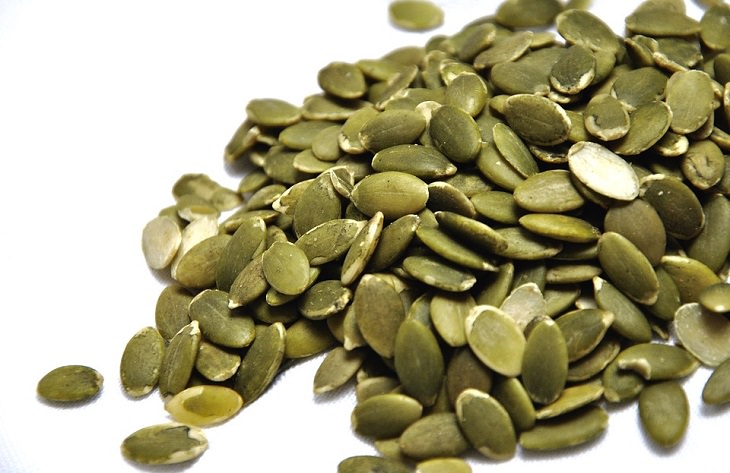
zinc Pumpkin seeds are known as a great healthy snack for after a meal, but you can also add them to salads or shakes to increase your daily zinc intake. A dose of pumpkin seeds contains about 10.3 milligrams of zinc and serves as a healthy, tasty and balanced snack.

4. Red beans 
Red beans are low in calories but rich in zinc, about 2.79 mg per serving, and can be eaten when cooked and seasoned as a standalone meal or as a side to a variety of foods.
 
5. Mushrooms 
Mushrooms are low in calories, contain 7.66 mg of zinc, and many vitamins and minerals. In addition, its high antioxidant content is similar to that of carrots or tomatoes, and selenium chlorine, which is a mineral not usually found in plant sources, can also be obtained from their eating them. 
 
6. Egg yolks 
For those who’ve given up this part of the egg, you should put it back on the menu. Egg whites are not as rich in zinc as yolks, so you should eat the egg in its entirety if you want to increase your intake of this essential mineral. A serving of egg contains 4.93 g of zinc in addition to vitamins A, E, D and K.

7. Cocoa and chocolate 
 Cocoa and chocolate products will delight anyone who has a sweet tooth, and if you eat them moderately they will do wonders for your body. A serving of chocolate (dark chocolate is preferred) contains 9.6 mg of zinc so you can refill your zinc levels with a smile.  
 
8. Turkey breast 
Roasted turkey breast is tasty, rich in protein and zinc and low in calories when compared to other types of meat, such as beef. A dose of turkey breast will supply your body with about 3.09 milligrams of zinc.


This is only for your information, kindly take the advice of your doctor for medicines, exercises and so on.   

https://gscrochetdesigns.blogspot.com. one can see my crochet creations  
https://gseasyrecipes.blogspot.com. feel free to view for easy, simple and healthy recipes    
https://kneereplacement-stickclub.blogspot.com. for info on knee replacement
https://cancersupportindia.blogspot.com  for infor on cancer and health related topics
https://GSiyers home remedies.blogspot.com   is the latest addition to my blogs. I'm going to add posts there, do give me your valuable feed back on my blogs. Thanks a lot, take care, be healthy and be happy.

Labels: , , , , , , , , ,

Sunday, May 19, 2024

Guide to Vitamin Q

Pharmacies stock a range of products that aim to supplement our bodies with vital nutrients to maintain good health. Coenzyme Q10, also known as "vitamin Q", is a commonly used component in supplements due to its ability to produce energy, protect cells and heart health, and act as an antioxidant. This vitamin-like substance is not actually a vitamin and can be found in natural foods available in supermarkets and markets. To help people benefit from this essential component, we have compiled a list of 9 delicious foods that contain coenzyme Q10 in abundance. 
 
Animal sources of vitamin Q 
 
1. Mackerel 
Cold water fish, including salmon, tuna, herring, and mackerel, are the most beneficial animal sources of vitamin Q. The absorption of this component requires a fatty environment, which means that a significant amount of fat is needed to be absorbed by the body. These fish are highly effective in this regard due to their high-fat content, and the more fat a fish contains, the higher the levels of coenzyme Q10. Mackerel is an excellent source of this coenzyme due to its high-fat content, and a serving size of 100 grams of mackerel contains 6.75 mg of vitamin Q. 
 
2. Chicken 
Another great source of vitamin Q from animals is one of the most popular and loved foods in the world. One portion of chicken weighing about 100 grams contains 3.5 mg of the wonderful coenzyme. Also, if you are a regular consumer of it, we recommend that you prefer chicken thighs, because they are considered more satisfying and juicy than other parts of it (for example, the breast), They contain more zinc and are usually cheaper than most other parts.

3. Beef 
Beef is without a doubt one of the leaders in the list of foods rich in vitamin Q. A prominent example of this is sirloin, which is considered a particularly common part in many dishes located in the back of the cow, and about 100 grams of it contains 3.06 mg of vitamin Q. In addition, sirloin is characterized It has quite a few nutritional benefits and is considered rich in vitamin B, iron and zinc. Besides, it should be noted that beef may be saturated with fat, and therefore one should keep an eye on the amount of its consumption. 


Plant sources for vitamin Q 
 
4. Peanuts 
Not all foods containing vitamin Q are of animal origin, and you can definitely find particularly rich sources of the coenzyme in plants as well. One of these sources is the basis for delicious and well-known snacks and a particularly popular spread - and we are of course talking about the peanuts. A serving of about 100 grams of peanuts contains about 2.6 mg of vitamin Q and is characterized by countless great health benefits.
 
 
5. Pistachio 
 If while you are watching a football game or your favorite series you like to treat yourself to a handful of roasted pistachios as a snack, know that one serving of about 100 grams of them will give you a respectable amount of about 2 mg of vitamin Q. Like the peanuts, the pistachio is also known With its ability to protect the health of the heart as well as contributing to the processes that occur in the digestive system - it is considered a food rich in dietary fiber, which is necessary for efficient digestion and intestinal health. 
 
6. Soy  
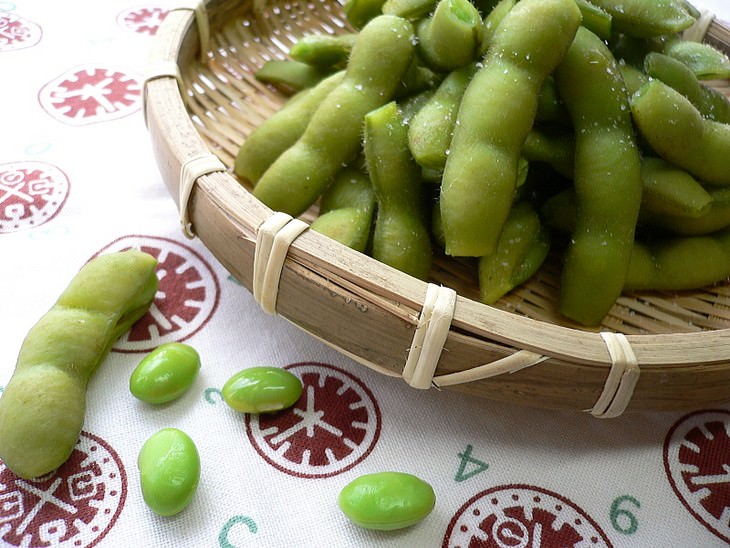
Many people are aware that soybeans are a common ingredient in vegetarian dishes, but not everyone knows that they are also a good source of vitamin Q. Boiling 100 grams of soybeans in water can yield 1.21 mg of vitamin Q. Edamame is a popular soy-based food in China, Japan, and Korea, which is made by boiling or steaming soy "pods" in salt water. In recent years, it has also become a healthy snack option in the West.


7. Avocado 
Avocado is a unique fruit that offers several health benefits due to its high fiber and potassium content, as well as its "friendly" fats that promote heart health. Additionally, avocado is a top source of vitamin Q, with about 0.95 mg per half 
 
8. Broccoli 
מאכלים עם ויטמין Q: ברוקולי 
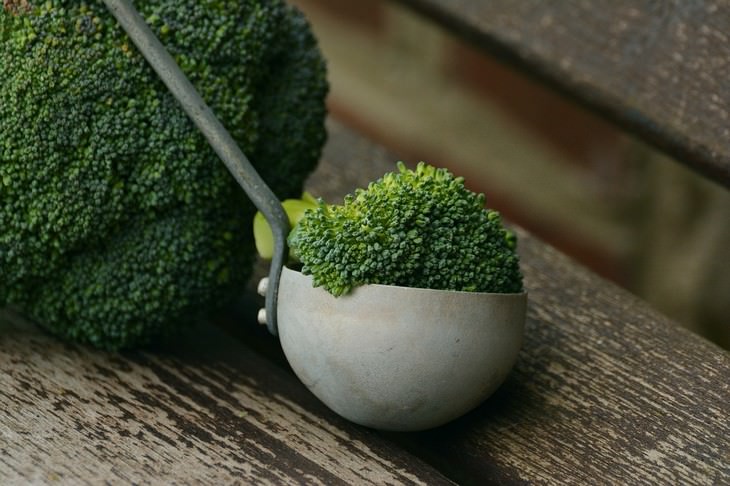
This wonderful vegetable, which belongs to the cruciferous family, is considered a superfood in many places, a title attributed to it due to its many virtues and great nutritional values. Broccoli contains large amounts of vitamins C, B6 and K, calcium, folic acid, dietary fiber, potassium, and manganese. Also, it is also considered a good source of vitamin Q, when a 100-gram portion of it contains between 0.6-0.86 mg of this component.


9. Cauliflower  
Some of us like to consume it in raw salads, others prefer to eat it fried and coated with breadcrumbs and many people like to make delicious and soft meatballs from it - but in whatever form you prefer to consume it, cauliflower is a wonderful vegetable that contributes a lot to our body. Its belonging to the famous cruciferous family gives it a huge basket of benefits, characterized by particularly large amounts of vitamin C, dietary fiber, calcium, potassium and magnesium. It is also a good source of vitamin Q when half a cauliflower is steamed in hot water and salt contains about 0.5 mg of it.


This is only for your information, kindly take the advice of your doctor for medicines, exercises and so on.   

https://gscrochetdesigns.blogspot.com. one can see my crochet creations  
https://gseasyrecipes.blogspot.com. feel free to view for easy, simple and healthy recipes    
https://kneereplacement-stickclub.blogspot.com. for info on knee replacement
https://cancersupportindia.blogspot.com  for infor on cancer and health related topics
https://GSiyers home remedies.blogspot.com   is the latest addition to my blogs. I'm going to add posts there, do give me your valuable feed back on my blogs. Thanks a lot, take care, be healthy and be happy.

Labels: , , , , , , , ,

Monday, April 17, 2023

Guide to Vitamin Q

Pharmacies stock a range of products that aim to supplement our bodies with vital nutrients to maintain good health. Coenzyme Q10, also known as "vitamin Q", is a commonly used component in supplements due to its ability to produce energy, protect cells and heart health, and act as an antioxidant. This vitamin-like substance is not actually a vitamin and can be found in natural foods available in supermarkets and markets. To help people benefit from this essential component, we have compiled a list of 9 delicious foods that contain coenzyme Q10 in abundance.  
 
Animal sources of vitamin Q 
 
1. Mackerel
Cold water fish, including salmon, tuna, herring, and mackerel, are the most beneficial animal sources of vitamin Q. The absorption of this component requires a fatty environment, which means that a significant amount of fat is needed to be absorbed by the body. These fish are highly effective in this regard due to their high-fat content, and the more fat a fish contains, the higher the levels of coenzyme Q10. Mackerel is an excellent source of this coenzyme due to its high-fat content, and a serving size of 100 grams of mackerel contains 6.75 mg of vitamin Q. 
 
2. Chicken  
Another great source of vitamin Q from animals is one of the most popular and loved foods in the world. One portion of chicken weighing about 100 grams contains 3.5 mg of the wonderful coenzyme. Also, if you are a regular consumer of it, we recommend that you prefer chicken thighs, because they are considered more satisfying and juicy than other parts of it (for example, the breast), They contain more zinc and are usually cheaper than most other parts.
3. Beef  
Beef is without a doubt one of the leaders in the list of foods rich in vitamin Q. A prominent example of this is sirloin, which is considered a particularly common part in many dishes located in the back of the cow, and about 100 grams of it contains 3.06 mg of vitamin Q. In addition, sirloin is characterized It has quite a few nutritional benefits and is considered rich in vitamin B, iron and zinc. Besides, it should be noted that beef may be saturated with fat, and therefore one should keep an eye on the amount of its consumption.  
 
Plant sources for vitamin Q 
 
4. Peanuts  
Not all foods containing vitamin Q are of animal origin, and you can definitely find particularly rich sources of the coenzyme in plants as well. One of these sources is the basis for delicious and well-known snacks and a particularly popular spread - and we are of course talking about the peanuts. A serving of about 100 grams of peanuts contains about 2.6 mg of vitamin Q and is characterized by countless great health benefits - about which you can read in detail here.

5. Pistachio  
If while you are watching a football game or your favorite series you like to treat yourself to a handful of roasted pistachios as a snack, know that one serving of about 100 grams of them will give you a respectable amount of about 2 mg of vitamin Q. Like the peanuts, the pistachio is also known With its ability to protect the health of the heart as well as contributing to the processes that occur in the digestive system - it is considered a food rich in dietary fiber, which is necessary for efficient digestion and intestinal health.
 
6. Soy  
מאכלים עם ויטמין Q: אדממה
Many people are aware that soybeans are a common ingredient in vegetarian dishes, but not everyone knows that they are also a good source of vitamin Q. Boiling 100 grams of soybeans in water can yield 1.21 mg of vitamin Q. Edamame is a popular soy-based food in China, Japan, and Korea, which is made by boiling or steaming soy "pods" in salt water. In recent years, it has also become a healthy snack option in the West.

6. Avocado 
Avocado is a unique fruit that offers several health benefits due to its high fiber and potassium content, as well as its "friendly" fats that promote heart health. Additionally, avocado is a top source of vitamin Q, with about 0.95 mg per half 
 
7. Broccoli  
This wonderful vegetable, which belongs to the cruciferous family, is considered a superfood in many places, a title attributed to it due to its many virtues and great nutritional values. Broccoli contains large amounts of vitamins C, B6 and K, calcium, folic acid, dietary fiber, potassium, and manganese. Also, it is also considered a good source of vitamin Q, when a 100-gram portion of it contains between 0.6-0.86 mg of this component.

8. Cauliflower 
Some of us like to consume it in raw salads, others prefer to eat it fried and coated with breadcrumbs and many people like to make delicious and soft meatballs from it - but in whatever form you prefer to consume it, cauliflower is a wonderful vegetable that contributes a lot to our body. Its belonging to the famous cruciferous family gives it a huge basket of benefits, characterized by particularly large amounts of vitamin C, dietary fiber, calcium, potassium and magnesium. It is also a good source of vitamin Q when half a cauliflower is steamed in hot water and salt contains about 0.5 mg of it.
 

This is only for your information, kindly take the advice of your doctor for medicines, exercises and so on.   

https://gscrochetdesigns.blogspot.com. one can see my crochet creations  
https://gseasyrecipes.blogspot.com. feel free to view for easy, simple and healthy recipes    
https://kneereplacement-stickclub.blogspot.com. for info on knee replacement
https://cancersupportindia.blogspot.com  for infor on cancer and health related topics
https://GSiyers home remedies.blogspot.com   is the latest addition to my blogs. I'm going to add posts there, do give me your valuable feed back on my blogs. Thanks a lot, take care, be healthy and be happy. 


Labels: , , , , , , , , , ,

Monday, November 15, 2021

Prostate cancer: A popular high-protein food in your diet may up risk by 70 per cent

Be it the common cold or flu, heart disease, or aggressive cancers – diet impacts everything. Experts have for long said that we quite literally are what we eat, and for that reason, a healthy and balanced diet is recommended for all. Be it healthy people or those with underlying health conditions like high cholesterol, hypertension, diabetes, obesity, or other metabolic disorders. Amidst this, a recent study revealed how seemingly healthy food, that finds a place in our everyday diet, could be increased the risk of prostate cancer by 70 per cent. Keep reading to find out what it is.

 Diet and cancer: The link explained

Experts have for long been unconvinced by studies backing the role of dietary choline in cancer prevention. On one hand, while many believe that not getting enough of it is linked to an increased risk of fatal health problems. And on the other, according to a study, it was proven that a high intake of the same nutrient can increase the risk of lethal prostate cancer by 70 per cent. Experts of the study revealed that choline is found in concentration in prostate cancer cells; blood concentration can further increase cancer risk.

This was backed partly by Dr. Murad Lala – Consultant and Head of Surgical Oncology at PD Hinduja National Hospital & Research Centre. The expert, in interaction with Times Now Digital, revealed the daily safe quantity of choline an adult needs and the amount found in a single egg.

“Choline is an essential nutrient that has vital roles in maintaining the structural integrity of the cell membrane, is important for neurotransmission and early brain development, and is also involved in modulating gene expression. The recommended daily allowance of choline is about 450 mg/day for an adult. One egg gives less than 150 mg of choline. To say that healthy food may up the risk of aggressive prostate cancer by 70% is sensationalising an unproven fact from an observational study. A healthy diet in moderation, even if it involves eggs and meat, will have far more beneficial effects than to worry about increasing the risk of prostate cancer,” said Dr. Lala.

Choline is found in abundance in eggs – a popular staple across countries and cultures. High intake is when one exceeds 500 mg of choline in a day – the daily recommended for men; while women can stick to 424 mg. Meat, milk, and poultry are also rich sources of choline.

Is choline the only factor responsible for prostate cancer risk?

Experts later commented on the study that blamed prostate cancer risk on choline intake and said that the nutrient levels were tested in patients after they had been diagnosed. This means that for the previous 10-15 years, what they ate and their lifestyle were not taken into consideration altogether. Therefore, it is not quite possible to blame cancer risk altogether on a particular food.

Furthermore, studies have also cited a strong link between a diet rich in saturated fats with a high risk of aggressive prostate cancer. Saturated fats can increase bad cholesterol levels which further increases aggressive cancer risk.

This effect, however, can be reversed by sticking to a plant-based diet – fruits, vegetables, nuts, and seeds – and getting regular workouts.

Sources of dietary choline

Besides eggs, choline is found in the following foods:

  1. Organ meat
  2. Caviar
  3. Beef
  4. Red potatoes
  5. Chicken
  6. Turkey
  7. Almonds
  8. Quinoa
  9. Kidney beans
  10. Broccoli
  11. Cauliflower
  12. Soy

This is only for your information, kindly take the advice of your doctor for medicines, exercises and so on.   

https://gscrochetdesigns.blogspot.com. one can see my crochet creations  
https://gseasyrecipes.blogspot.com. feel free to view for easy, simple and healthy recipes    
https://kneereplacement-stickclub.blogspot.com. for info on knee replacement


Labels: , , , , , , , , , , , , , , ,

Saturday, March 27, 2021

Zinc – How to Tell If You Have A Deficiency

Proper growth of the body, intracellular metabolism and the creation of DNA are just some of the processes for which zinc is essential, so it's no wonder that a zinc deficiency can cause impaired functioning of the body's entire system. This mineral deficiency is more common in people over the age of 60 and in people whose diets are vegan or vegetarian. What these two groups have in common is the fact that they consume a diet rich in legumes and grains that do not contain enough zinc. In fact, the foods they consume have ingredients that prevent zinc from being absorbed by the body.

So, how do you know if you have a zinc deficiency? Regular medical tests don’t always show if there is a deficiency in this mineral, but there are some signs that may indicate a lack of it in the body. The good news is that you can increase the level of zinc in your body quite easily - you just need to know which foods are rich in this mineral.

6 signs of zinc deficiency 
 
1. Frequent infections and diseases  
Zinc plays a central role in the proper functioning of the immune system and prevention of infections. When you don't consume enough zinc, your immune system may function poorly and won’t be able to ward off viral and bacterial infections. Also, if you feel that you’ve been in a lot of pain recently, you may not be consuming enough zinc.

2. Abnormal hair loss 
It’s natural to lose a few hairs while brushing it, but if you notice that the amount of hair left behind on your brush has increased significantly, it could be due to a lack of zinc. It's worth noting that only a significant zinc deficiency can cause huge hair loss and breakage, but you should keep an eye on the problem nevertheless.

3. Chronic diseases 
Neurological disorders, autoimmune diseases, and diabetes are just some of the diseases researchers have found to be related to a zinc deficiency. This deficiency causes increased oxidation processes in the body, leading to inflammation, cell death, and an increased risk of chronic disease. A balanced diet that includes foods with high concentrations of zinc can delay the formation of chronic diseases. 
 
4. Decline in hearing  
Researchers have found that people with hearing loss might also have a zinc deficiency. The researchers believe that this is due to inflammation and decreased pressure in the inner ear as a result of zinc deficiency. If you feel that your hearing is not what it used to be, you body may be lacking zinc.

5. Decrease in growth rate  
Children with a zinc deficiency may experience a decrease in growth rate. Due to the role of zinc in the normal development of cells and body growth, a lack of it causes problems with physical growth, meaning that children who do not consume enough of this essential mineral are shorter than average for their age. If you notice a low growth rate in your children, incorporate zinc-rich foods in their diet. If there is no change in their growth rate, it's recommended that you take them to get their zinc levels tested. 
 
6. The taste of the food has changed  
Other senses besides the sense of hearing that may be damaged due to zinc deficiency are sense of taste and sense of smell. If you feel that foods have a different taste suddenly, this may be indicative of a zinc deficiency. This is especially true for people over the age of 60, as zinc deficiency is more common in this age group, and other factors, such as increased drug use, may exacerbate the ability to taste and smell.

zinc
So how can you consume more zinc?  
The good news is that zinc deficiency can be easily corrected by adding foods rich in this mineral to your daily diet. It's important to eat these foods every day since the body doesn’t store zinc and only daily consumption will result in constant adequate zinc levels in the body. Women should consume about 8 mg of zinc a day, men about 11 mg daily, and people with different diseases or significant zinc deficiency will need larger amounts depending on their health. 
 
People who are vegan or vegetarian should sometimes consume twice as much as the recommended daily amount, as their bodies absorb zinc less efficiently and some vegetables can even interfere with zinc absorption in the body. If you feel that you’ve been sicker lately or have some of the symptoms mentioned above, you should prepare zinc-rich dishes so that you can enjoy healthier hair, get sick less, and getting back the taste for life, literally. However, be careful not to consume too much zinc, as in excess it can cause headaches, nausea, and anemia. 
 
8 Recommended zinc-rich foods  
* The amounts of zinc given are per serving size of 100 grams. 
1. Beef 
Beef is full of flavor and nutritional benefits, which include, apart from a high zinc content (7 mg per serving), large amounts of protein and vitamin B12. Despite these benefits, it's recommended not to overeat meat because it also contains large amounts of fat. It's best to eat beef once or twice a week and to incorporate other zinc-rich foods into your diet the rest of the week.

2. Toasted wheat germ  
A dose of toasted wheat germ will provide you with 16.7 mg of zinc and enrich your daily diet. You can eat wheat germ in its natural form, without toasting, and enjoy its nutritional benefits, which include aiding in digestion and delaying the narrowing of central blood vessels in the body. 
 
3. Pumpkin seeds 
zinc
Pumpkin seeds are known as a great healthy snack for after a meal, but you can also add them to salads or shakes to increase your daily zinc intake. A dose of pumpkin seeds contains about 10.3 milligrams of zinc and serves as a healthy, tasty and balanced snack.
 
4. Red beans 
Red beans are low in calories but rich in zinc, about 2.79 mg per serving, and can be eaten when cooked and seasoned as a standalone meal or as a side to a variety of foods. 
 
5. Mushrooms 
Mushrooms are low in calories, contain 7.66 mg of zinc, and many vitamins and minerals. In addition, its high antioxidant content is similar to that of carrots or tomatoes, and selenium chlorine, which is a mineral not usually found in plant sources, can also be obtained from their eating them. 
 
6. Egg yolks For those who’ve given up this part of the egg, you should put it back on the menu. Egg whites are not as rich in zinc as yolks, so you should eat the egg in its entirety if you want to increase your intake of this essential mineral. A serving of egg contains 4.93 g of zinc in addition to vitamins A, E, D and K.

7. Cocoa and chocolate  
Cocoa and chocolate products will delight anyone who has a sweet tooth, and if you eat them moderately they will do wonders for your body. A serving of chocolate (dark chocolate is preferred) contains 9.6 mg of zinc so you can refill your zinc levels with a smile. Click here to learn more about chocolate.
 
8. Turkey breast 
Roasted turkey breast is tasty, rich in protein and zinc and low in calories when compared to other types of meat, such as beef. A dose of turkey breast will supply your body with about 3.09 milligrams of zinc.

This is only for your information, kindly take the advice of your doctor for medicines, exercises and so on.     

https://gscrochetdesigns.blogspot.com. one can see my crochet creations  
https://gseasyrecipes.blogspot.com. feel free to view for easy, simple and healthy recipes    
https://kneereplacement-stickclub.blogspot.com. for info on knee replacement


Labels: , , , , , , , , , , , , , ,