Sunday, October 05, 2025

A Guide to Building Your Collagen Routine

When it comes to maintaining youthful, healthy-looking skin, we have an unchallenged queen - collagen sits at the top of the list. This essential protein is the foundation of firm, elastic, and plump skin—the hallmarks of a youthful complexion we all want to preserve. Collagen (a protein) provides structural support, firmness, and elasticity for the skin.

The Collagen Decline 
 
 
The unfortunate reality is that our collagen levels begin declining in our 20s, with the effects becoming increasingly visible in our 30s. This gradual decline continues throughout our lives, accelerating during menopause when hormonal shifts further impact collagen production. 
 
The consequences of collagen loss are significant. Our skin becomes thinner and loses its firmness and elasticity, making fine lines and wrinkles more pronounced while contributing to overall skin laxity.
The Truth About Collagen Creams 
 
The beauty market is flooded with collagen-infused products promising to reverse aging, but collagen creams may not deliver what you'd expect. The fundamental limitation? Collagen molecules are too large to penetrate skin, so they sit on the surface, acting as moisturizers that can make skin smoother, plumper, and firmer, albeit temporarily. However, they do not stimulate collagen production or integrate into the skin network.

While topical collagen won't penetrate deeply, there are proven strategies to boost your skin's natural collagen production at home. Let's have a look at them, shall we? 
 
Your Collagen-Boosting Routine 
 
Make Sunscreen Non-Negotiable 
 
Daily sun protection is the single most effective way to prevent collagen loss—and starting young is crucial. Sun exposure causes skin damage and triggers inflammation in fibroblasts, the cells responsible for producing collagen building blocks. This damage reduces their ability to create collagen precursors while simultaneously breaking down existing collagen. 
 
Incorporate Retinol
retinol

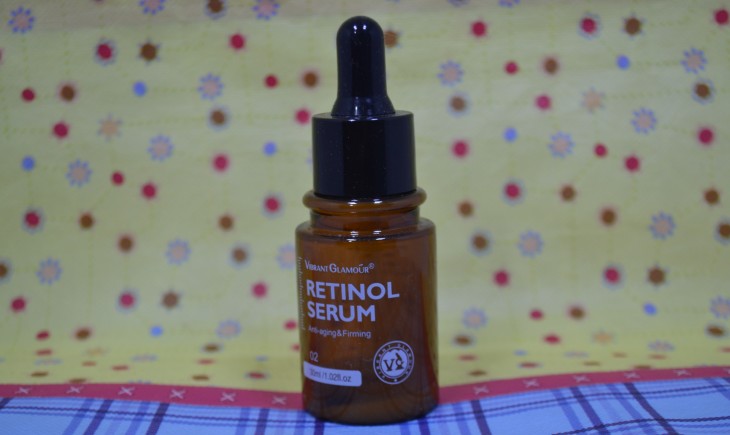
Retinol has earned its reputation as a skincare miracle worker, and its collagen-boosting abilities are particularly impressive. Retinoids are thoroughly researched ingredients proven to increase collagen production and improve overall skin appearance through multiple mechanisms: stimulating fibroblasts to produce new collagen, inhibiting collagen-breaking enzymes, and accelerating epidermal cell turnover to keep the dermis dense and promote collagen growth.
 
Retinol's ability to boost both collagen and elastin production leads to improved overall skin texture. 
 
Add Peptide Serums 
 
Peptides—short chains of amino acids—serve as the building blocks of proteins like collagen. These compounds can essentially trick the skin into producing more collagen by acting as cellular messengers.

Peptides work through various pathways to boost and protect collagen, including signaling skin cells, delivering ingredients, and blocking enzymes that break down collagen. However, not all peptide serums target collagen directly; some focus on supporting functions like hydration or barrier strengthening. For instance, neurotransmitter peptides act as muscle relaxants for immediate wrinkle reduction rather than actively supporting collagen production.

Explore At-Home Devices  
 
Modern technology offers numerous tools to support collagen production from the comfort of home. Devices such as micro-needling rollers, red light therapy masks, and radiofrequency devices can stimulate collagen, though they're generally less powerful than professional treatments. Success depends on consistency and proper use.

At-home lasers—both fractional types like the Tria Laser and non-fractional options like the Nira Pro Laser and Lyma Laser—stimulate collagen by creating controlled micro-wounds that trigger the skin's healing response, encouraging fibroblasts to produce more collagen. LED light devices and masks can also stimulate or activate these collagen-producing cells. 
 
Embrace Antioxidants 
 
antioxidant food 
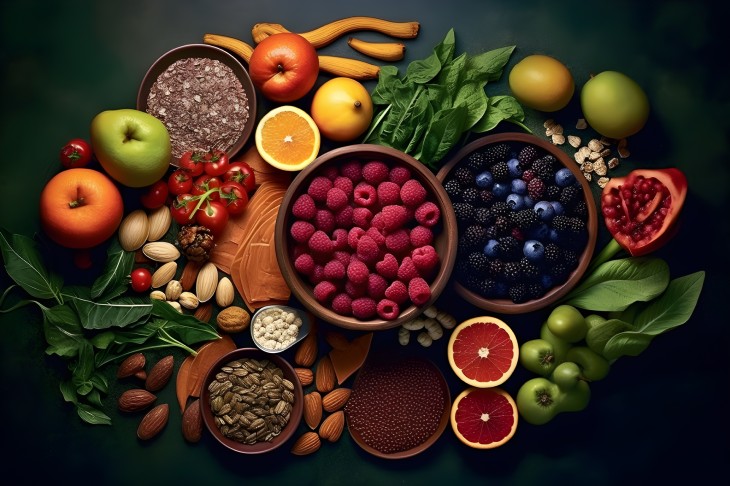
Vitamin C deserves special attention in any collagen-supporting routine. Antioxidants like vitamin C protect against free radical damage while stimulating new collagen production. Research confirms that vitamin C is essential for collagen synthesis, and since our bodies cannot produce it, we must obtain it through diet and topical application.

Vitamin C supports the enzymes responsible for strengthening and connecting collagen fibers, indirectly improving collagen stability and structure. Additionally, its powerful antioxidant properties neutralize free radicals and decrease inflammation—both factors that can break down and weaken collagen. 
 
Lifestyle Factors Matter  
 
Beyond skincare products and devices, your daily habits significantly impact collagen levels. Maintaining a healthy diet, exercising regularly, and managing stress all support overall collagen health. Limiting alcohol consumption and avoiding smoking are also crucial lifestyle modifications for maintaining skin health. 
 
The Role of Diet 
 
Understanding collagen's composition helps inform dietary choices. While several types of collagen exist, Types I, II, and III are most prevalent in the human body. All collagen consists of amino acids including glycine, proline, and hydroxyproline, though it lacks tryptophan, an essential amino acid that must be obtained through food.

Collagen-rich foods include bone broth, chicken with skin, fish with skin and bones, tough cuts of meat like pot roast or chuck steak, and gelatin. Additionally, incorporating vitamin C-rich foods like citrus fruits, red bell peppers, and strawberries supports collagen formation while protecting skin from oxidative stress. 
 
Supplementation Considerations 
 
While collagen supplements can be beneficial, we really must tell you that they should supplement—not replace—other collagen-supporting strategies. Research suggests that daily doses ranging from 2.5 to 15 grams can provide benefits, though visible results typically require one to three months of consistent use. Try to take them while you eat or right after you eat for best absorption.

Hydrolyzed collagen or collagen peptides show particular promise in studies for improving skin elasticity, hydration, and reducing wrinkles. Choosing a product that includes vitamin C can enhance the effectiveness of collagen peptides. However, quality matters—look for supplements that are third-party tested by reputable organizations like USP or NSF for safety, purity, and potency. 
 
Something important to consider: collagen supplements derive from animal sources like bovine, chicken, or fish, making them unsuitable for vegans and vegetarians. Those with shellfish or seafood allergies should avoid marine collagen, as it can trigger allergic reactions depending on sourcing and processing.
 
So, what's the bottom line?  
Upgrading your collagen routine is simple on its face, it does require a comprehensive approach combining sun protection, targeted skincare ingredients like retinol and peptides, potentially beneficial devices, and lifestyle factors including diet and stress management. While no single product or strategy can completely reverse collagen loss, a well-rounded routine that doesn't neglect proper nutrition can help maintain and support your skin's collagen network for healthier, more youthful-looking skin. We wish you only health and beauty. 


This is only for your information, kindly take the advice of your doctor for medicines, exercises and so on.   


Labels: , , , , , , ,

Friday, August 08, 2025

The best at-home blackhead treatments, according to dermatologists

Dermatologists weigh in on the efficacy of at-home blackhead treatments, including pore strips, cleansers and serums. 

If you have acne-prone skin, you're probably familiar with those pesky dark spots on the forehead, nose or chin, commonly known as blackheads. Though it may be tempting to pop and pick at them when they show up, that only makes the problem worse, experts say.

With so many cleansers and exfoliants on the market, it can become difficult to narrow down the ones that actually decongest your pores and minimize the appearance of enlarged ones. We spoke to board-certified dermatologists about the best blackhead-fighting ingredients, how to safely and effectively remove blackheads at home and which over-the-counter products they suggest.

What are blackheads?

Blackheads, also known as open comedones, start as sebum plugs, which are collections of oily liquid that help the skin stay lubricated. They clog up pores when they mix with bacteria and dead skin cells, according to board-certified dermatologist Dr. Deborah Spey. Blackheads turn black when exposed to air and oxidize, hence their name. These clogged pores are commonly found on the nose, forehead, chin, back and chest since they are sebum rich areas, says board-certified dermatologist Dr. Arash Akhavan. 

How we picked the best blackhead treatments

Dermatologists recommend focusing on preventing future breakouts and decongesting current blackheads with the following ingredients:

  • Retinoids: These help regulate cell turnover and prevent the pores from becoming congested, says board-certified dermatologist Dr. Karen Burke. Topical retinoids work on all types of acne but are especially helpful for blackheads and whiteheads, she says.
  • Salicylic acid: A type of beta hydroxy acid (BHA), salicylic acid penetrates pores to help dissolve oil, unclog pores and prevent buildup of dead skin, oil and other debris, says Spey.
  • Benzoyl peroxide: This is an antioxidant, so it kills bacteria and stops the lipid, the protective layer of cells, from oxidizing, according to Burke. Cleansers that combine both benzoyl peroxide and salicylic acid are very effective at treating blackheads, says Burke.
  • Lactic acid: Lactic acid is an exfoliant that helps break up dead skin cells and unclog pores, says Spey.
  • Charcoal: Charcoal doesn’t prevent future blackheads, but it does offer some immediate benefits like drawing out impurities such as oil, debris and dirt from your pores, which helps minimize their appearance, according to Spey.

Labels: , , , , , , , , ,

Wednesday, October 26, 2022

6 Best Natural Foods for Vitamin A Deficiency

Vitamin A is a fat-soluble vitamin that's important for many functions in the body. It aids vision, immune system, reproduction, and skin health. The two types of the vitamin found in foods are preformed vitamin A and provitamin A. The former is known as retinol, while the latter is known as carotenoids.

Retinol is present in meat, fish, eggs, and dairy products and is absorbed and used in by the body, which converts carotenoids in plant foods to their active form. Carotenoids are generally found in red, green, yellow, and orange fruits and vegetables. Deficiency is rare in developed countries but is common in developing countries, where people do not get enough vitamin A.

Vitamin A Deficiency

Deficiency of retinol can cause dry skin, as it's important for skin repair and formation of new skin. It also helps fight skin inflammation, which can cause eczema.

Eye problems are commonly related to vitamin - A deficiency. Not getting enough of the vitamin can lead to blindness. People on diets lacking in vitamin A are at risk of developing dry eyes. Supplementing with vitamin A can improve the condition. Severe vitamin A deficiency can lead to night blindness.

Vitamin A deficiency can lead to infertility in both men and women. Its deficiency is also related to miscarriages and stunted growth in children. Frequent infections, especially in the throat or chest, may be a sign of retinol deficiency.

Natural Foods for Vitamin A Deficiency

Deficiency of vitamin A can be prevented by including various common foods rich in retinol or carotenoids in the diet. Six of them are listed below:

1) Organ Meat

Organ meat is rich in bioavailable retinol and has more nutrients than regular meat, making it a good choice for deficient individuals. Organ meats are also rich in other nutrients, such as copper, selenium, manganese, etc. Livers, hearts, and spleens are commonly consumed by many.

2) Red Meat

Red Meat is Nutritious (Image via Unsplash/Sven Brandsma)

Red meat is a rich source of retinol in its bioavailable form and is easily absorbed in the body. Due to the absence of anti-nutrient factors, vitamins are absorbed more easily. Red meat is also rich in heme iron, which is the most bioavailable form of iron for the body and is high in quality protein as well.

3) Cod Liver Oil

Cod liver oil is a popular supplement (Image via Unsplash/Leohoho)

Fish livers are excellent sources of retinol. One tablespoon of cod liver oil provides 4080 mcg of retinol. Cod liver oil is also an excellent source of vitamin D and boosts immunity and improves bone health. It can also help alleviate depression.

4) Carrot

Carrots are high in beta carotene. (Image via Unsplash/Gabriel Gurrola)

Carrots are rich in beta carotene, which is converted by the body to retinol. They are low in calories, making them a healthy choice.

Carrots are also rich in dietary fiber, which keeps the gut healthy and prevents constipation. They are rich in antioxidants that fight oxidative free radicals, which can cause cellular damage and inflammation.

5) Broccoli

Broccoli is great for weight loss. (Image via Unsplash/Louis Hansel)
Broccoli is great for weight loss.
Broccoli is a rich source of carotenoids along with vitamin K and vitamin C. Vitamin K is required for bone metabolism and blood clotting, while vitamin C is an antioxidant and has anti-inflammatory properties. It's also beneficial in weight loss.

6) Spinach

Spinach is a superfood. (Image via Unsplash/Louis Hansel)

Like other leafy green vegetables, spinach contains a variety of nutrients. Half a cup of spinach contains about 573 mcg of carotenoids.

It's also rich in iron and magnesium. Iron is required by red blood cells, while magnesium plays a key role in various metabolic functions. Spinach can also lower blood pressure and bad cholesterol.

Takeaway

Vitamin A is an essential micronutrient for the body, as it cannot make the vitamin, so we must obtain the vitamin from our diet.

Animal-based foods contain highly bioavailable retinol, while plant-based sources contain carotenoids that are converted to retinol by the body. Vegans and vegetarians can get their fair share of this vitamin from vegetables.

The best way to ensure an adequate intake of vitamins is to have a varied and balanced diet that includes fruits, vegetables, whole grains, healthy fats, and wholesome proteins. People with severe deficiencies must seek medical attention.


This is only for your information, kindly take the advice of your doctor for medicines, exercises and so on.   

https://gscrochetdesigns.blogspot.com. one can see my crochet creations  
https://gseasyrecipes.blogspot.com. feel free to view for easy, simple and healthy recipes    
https://kneereplacement-stickclub.blogspot.com. for info on knee replacement

https://GSiyers home remedies.blogspot.com     is my latest addition to my blogs. I'm going to add posts there, do give me your valuable feed back on my blogs. Thanks a lot, take care, be healthy and be happy.


Labels: , , , , , , , , , , , ,