Sunday, October 05, 2025

A Guide to Building Your Collagen Routine

When it comes to maintaining youthful, healthy-looking skin, we have an unchallenged queen - collagen sits at the top of the list. This essential protein is the foundation of firm, elastic, and plump skin—the hallmarks of a youthful complexion we all want to preserve. Collagen (a protein) provides structural support, firmness, and elasticity for the skin.

The Collagen Decline 
 
 
The unfortunate reality is that our collagen levels begin declining in our 20s, with the effects becoming increasingly visible in our 30s. This gradual decline continues throughout our lives, accelerating during menopause when hormonal shifts further impact collagen production. 
 
The consequences of collagen loss are significant. Our skin becomes thinner and loses its firmness and elasticity, making fine lines and wrinkles more pronounced while contributing to overall skin laxity.

The Truth About Collagen Creams 
 
The beauty market is flooded with collagen-infused products promising to reverse aging, but collagen creams may not deliver what you'd expect. The fundamental limitation? Collagen molecules are too large to penetrate skin, so they sit on the surface, acting as moisturizers that can make skin smoother, plumper, and firmer, albeit temporarily. However, they do not stimulate collagen production or integrate into the skin network.

While topical collagen won't penetrate deeply, there are proven strategies to boost your skin's natural collagen production at home. Let's have a look at them, shall we? 
 
Your Collagen-Boosting Routine 
 
Make Sunscreen Non-Negotiable 
 
Daily sun protection is the single most effective way to prevent collagen loss—and starting young is crucial. Sun exposure causes skin damage and triggers inflammation in fibroblasts, the cells responsible for producing collagen building blocks. This damage reduces their ability to create collagen precursors while simultaneously breaking down existing collagen. 
 
Incorporate Retinol
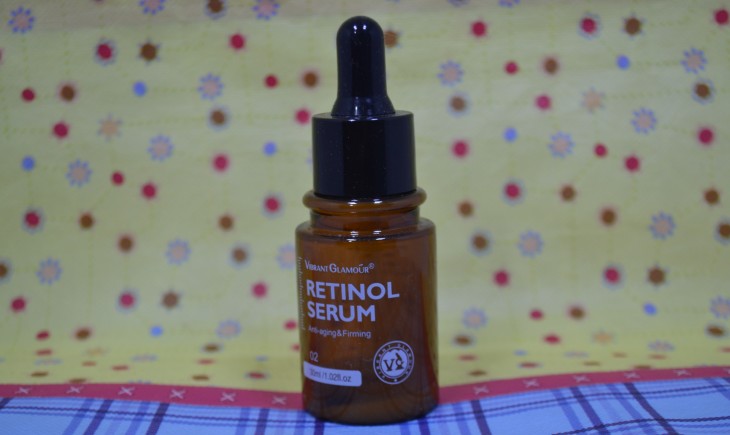
retinol

Retinol has earned its reputation as a skincare miracle worker, and its collagen-boosting abilities are particularly impressive. Retinoids are thoroughly researched ingredients proven to increase collagen production and improve overall skin appearance through multiple mechanisms: stimulating fibroblasts to produce new collagen, inhibiting collagen-breaking enzymes, and accelerating epidermal cell turnover to keep the dermis dense and promote collagen growth.
 
Retinol's ability to boost both collagen and elastin production leads to improved overall skin texture. 
 
Add Peptide Serums 
 
Peptides—short chains of amino acids—serve as the building blocks of proteins like collagen. These compounds can essentially trick the skin into producing more collagen by acting as cellular messengers.

Peptides work through various pathways to boost and protect collagen, including signaling skin cells, delivering ingredients, and blocking enzymes that break down collagen. However, not all peptide serums target collagen directly; some focus on supporting functions like hydration or barrier strengthening. For instance, neurotransmitter peptides act as muscle relaxants for immediate wrinkle reduction rather than actively supporting collagen production.

Explore At-Home Devices  
 
Modern technology offers numerous tools to support collagen production from the comfort of home. Devices such as micro-needling rollers, red light therapy masks, and radiofrequency devices can stimulate collagen, though they're generally less powerful than professional treatments. Success depends on consistency and proper use.

At-home lasers—both fractional types like the Tria Laser and non-fractional options like the Nira Pro Laser and Lyma Laser—stimulate collagen by creating controlled micro-wounds that trigger the skin's healing response, encouraging fibroblasts to produce more collagen. LED light devices and masks can also stimulate or activate these collagen-producing cells. 
 
Embrace Antioxidants 
 
antioxidant food 
Vitamin C deserves special attention in any collagen-supporting routine. Antioxidants like vitamin C protect against free radical damage while stimulating new collagen production. Research confirms that vitamin C is essential for collagen synthesis, and since our bodies cannot produce it, we must obtain it through diet and topical application.

Vitamin C supports the enzymes responsible for strengthening and connecting collagen fibers, indirectly improving collagen stability and structure. Additionally, its powerful antioxidant properties neutralize free radicals and decrease inflammation—both factors that can break down and weaken collagen. 
 
Lifestyle Factors Matter  
 
Beyond skincare products and devices, your daily habits significantly impact collagen levels. Maintaining a healthy diet, exercising regularly, and managing stress all support overall collagen health. Limiting alcohol consumption and avoiding smoking are also crucial lifestyle modifications for maintaining skin health. 
 
The Role of Diet 
 
Understanding collagen's composition helps inform dietary choices. While several types of collagen exist, Types I, II, and III are most prevalent in the human body. All collagen consists of amino acids including glycine, proline, and hydroxyproline, though it lacks tryptophan, an essential amino acid that must be obtained through food.

Collagen-rich foods include bone broth, chicken with skin, fish with skin and bones, tough cuts of meat like pot roast or chuck steak, and gelatin. Additionally, incorporating vitamin C-rich foods like citrus fruits, red bell peppers, and strawberries supports collagen formation while protecting skin from oxidative stress
 
Supplementation Considerations 
 
While collagen supplements can be beneficial, we really must tell you that they should supplement—not replace—other collagen-supporting strategies. Research suggests that daily doses ranging from 2.5 to 15 grams can provide benefits, though visible results typically require one to three months of consistent use. Try to take them while you eat or right after you eat for best absorption.

Hydrolyzed collagen or collagen peptides show particular promise in studies for improving skin elasticity, hydration, and reducing wrinkles. Choosing a product that includes vitamin C can enhance the effectiveness of collagen peptides. However, quality matters—look for supplements that are third-party tested by reputable organizations like USP or NSF for safety, purity, and potency. 
 
Something important to consider: collagen supplements derive from animal sources like bovine, chicken, or fish, making them unsuitable for vegans and vegetarians. Those with shellfish or seafood allergies should avoid marine collagen, as it can trigger allergic reactions depending on sourcing and processing.
 
So, what's the bottom line?  
Upgrading your collagen routine is simple on its face, it does require a comprehensive approach combining sun protection, targeted skincare ingredients like retinol and peptides, potentially beneficial devices, and lifestyle factors including diet and stress management. While no single product or strategy can completely reverse collagen loss, a well-rounded routine that doesn't neglect proper nutrition can help maintain and support your skin's collagen network for healthier, more youthful-looking skin. We wish you only health and beauty. 


This is only for your information, kindly take the advice of your doctor for medicines, exercises and so on.   


Labels: , , , , , , ,

Thursday, October 17, 2024

Arthritis Pain? Try These Supplements for Relief

Managing life with arthritis can often feel like steering through a storm—each ache and pain a wave threatening to capsize your day. While conventional treatments like medications and physical therapy play a crucial role in managing arthritis, many individuals are turning to supplements as complementary options. These natural alternatives have gained popularity for their potential to alleviate symptoms and support joint health.
Supplements That Can Help Ease Arthritis Symptoms
It's important to note that supplements should not replace prescribed treatments but rather work alongside them. You should consult your healthcare provider before adding any new supplement to your daily routine to ensure its safety and effectiveness. With that in mind, let's explore ten of the best supplements to help alleviate arthritis symptoms and enhance your quality of life.

1. Omega -3 Fatty acids
Supplements That Can Help Ease Arthritis Symptoms 
Omega-3 fatty acids are well-known for their potent anti-inflammatory properties, making them a key supplement for arthritis sufferers. Health experts say reducing inflammation is essential in minimizing arthritis pain and swelling. Omega-3s can be found in fish oil supplements or by increasing your intake of fatty fish like salmon, tuna, and mackerel. 
 
Research suggests that regular consumption may help reduce stiffness and improve joint mobility when combined with other treatments. It's a natural way to support your joints, but make sure to consult your doctor before starting any new supplement regimen. 
 
 
2. Glucosamine
Supplements That Can Help Ease Arthritis Symptoms
Glucosamine is another popular supplement for people experiencing joint discomfort, especially those with osteoarthritis. It plays a vital role in maintaining the health of cartilage, the soft, flexible tissue that cushions your joints. Often paired with chondroitin, glucosamine may help prevent further cartilage breakdown, offering long-term joint health benefits. 
 
While scientific evidence isn't conclusive, many people report notable pain relief after taking it for several months. Glucosamine supplements come in various forms, including sulfate and hydrochloride, and they are widely available in pharmacies and health stores.


3. Chondroitin
 Curcumin
Chondroitin is a molecule that naturally occurs in your cartilage, and it's often paired with glucosamine for joint health. It works by absorbing fluid into the cartilage, helping to keep it healthy and flexible. Health experts explain that it also blocks certain enzymes that break down cartilage, potentially slowing arthritis progression. 
 
Chondroitin supplements are usually derived from natural collagen or made synthetically. Though it may take a while to notice its effects, regular use can help relieve joint pain and promote cartilage regeneration, making it a go-to for long-term joint support. 
 
4. Curcumin
Supplements That Can Help Ease Arthritis Symptoms
Curcumin, the active ingredient in turmeric, is a potent anti-inflammatory compound. By potentially turning off inflammation pathways in the body, curcumin may help reduce both pain and swelling associated with arthritis. For optimal results, health experts recommend a daily dose of 500-1500 mg of curcumin, often combined with black pepper to increase absorption. You can enjoy curcumin in supplement form or simply spice up your meals with turmeric. Both methods can add flavor while helping to manage arthritis symptoms.

5. Vitamin D
Supplements That Can Help Ease Arthritis Symptoms
Vitamin D is critical for bone health, but research suggests that it can also help alleviate arthritis symptoms. A deficiency in Vitamin D can worsen joint pain and contribute to cartilage deterioration. Ensuring adequate levels of Vitamin D supports immune function and helps maintain strong bones, both essential for managing arthritis. 
 
You can boost your vitamin D levels through sunlight exposure, dietary sources like fortified foods and fatty fish, or supplements. Doctors recommend getting your blood levels checked to determine if supplementation is necessary. A daily dose can help manage arthritis-related discomfort and prevent further joint damage. 
 
6. Collagen Supplements
 Supplements That Can Help Ease Arthritis Symptoms
Collagen is increasingly recognized for its role in maintaining joint health, especially for those suffering from osteoarthritis. This protein is a key structural component of cartilage, and research suggests that collagen supplementation may reduce joint pain and enhance overall mobility. Hydrolyzed collagen is particularly effective due to its better absorption in the body. 
 
As we age, our natural collagen production declines, so adding a supplement can help replenish what's lost and reduce the discomfort associated with arthritis. 
 
 
7. Boswellia serrata
 Supplements That Can Help Ease Arthritis Symptoms
 
Boswellia serrata, also known as Indian frankincense, is a natural herb with anti-inflammatory properties. It has been used for centuries to treat chronic inflammatory conditions like arthritis. Studies have shown that Boswellia can reduce joint pain and improve mobility, making it a promising option for people with osteoarthritis.

Some people may experience gastrointestinal issues such as acid reflux or nausea, so it’s important to monitor for side effects. Always consult your healthcare provider, especially if you're taking anti-inflammatory medications, as Boswellia may interact with them. 
 
8. Pycnogenol
Supplements That Can Help Ease Arthritis Symptoms
Pycnogenol, extracted from the bark of French maritime pine trees, is a powerful antioxidant with anti-inflammatory benefits. Studies suggest that it may help reduce pain, stiffness, and swelling in individuals with osteoarthritis. pycnogenol can enhance joint flexibility and mobility by reducing oxidative stress and inflammation. 
 
Though generally safe, it can interact with medications for diabetes and immunosuppressants. Side effects are rare but can include headaches or stomach upset. If you're looking for a natural way to manage arthritis symptoms, pycnogenol might be worth considering.
 
 
9. Methylsulfonylmethane (MSM)
Supplements That Can Help Ease Arthritis Symptoms
MSM is a sulfur-containing compound that may help reduce joint pain and inflammation in people with arthritis. It is believed to work by reducing the levels of inflammatory molecules in the body. Studies have found that taking MSM supplements can help improve joint function and relieve pain, especially when used in combination with glucosamine. MSM is also known to help improve skin and hair health, making it a versatile supplement for overall wellness. For best results, it is recommended to take MSM consistently over several weeks.


10.Ginger extract
Supplements That Can Help Ease Arthritis Symptoms
Ginger has long been used for its medicinal properties, particularly for reducing nausea and inflammation. Ginger extract is gaining attention as a potential remedy for arthritis pain because of its anti-inflammatory effects. Some studies suggest that ginger extract can reduce joint swelling and pain, particularly in people with osteoarthritis. It can be consumed in its natural form, through teas or added to meals, or as a concentrated supplement. If you are looking for a natural remedy to complement your arthritis treatment, ginger extract might be worth a try.


This is only for your information, kindly take the advice of your doctor for medicines, exercises and so on.   

https://gscrochetdesigns.blogspot.com. one can see my crochet creations  
https://gseasyrecipes.blogspot.com. feel free to view for easy, simple and healthy recipes    
https://kneereplacement-stickclub.blogspot.com. for info on knee replacement
https://cancersupportindia.blogspot.com  for infor on cancer and health related topics
https://GSiyers home remedies.blogspot.com   is the latest addition to my blogs. I'm going to add posts there, do give me your valuable feed back on my blogs. Thanks a lot, take care, be healthy and be happy.

Labels: , , , , , , , , ,