Sunday, January 09, 2022

How to Protect Your Vision

If you’ve never had issues with your eyesight, then you probably have not given much thought to treating your eyes right. However, since they are some of our most important organs, it really is never too early to start taking care of your eyes, and here are ten points to keep in mind when doing so: 
 
1. Protect your eyes from the sun
eye problems
The skin that surrounds your eyes is very thin and susceptible to ultraviolet radiation. Different types of skin cancer, such as carcinoma and melanoma, are able to form in your eyelids and around your eyes, which can cause a lot of damage to the eye structure. 
 
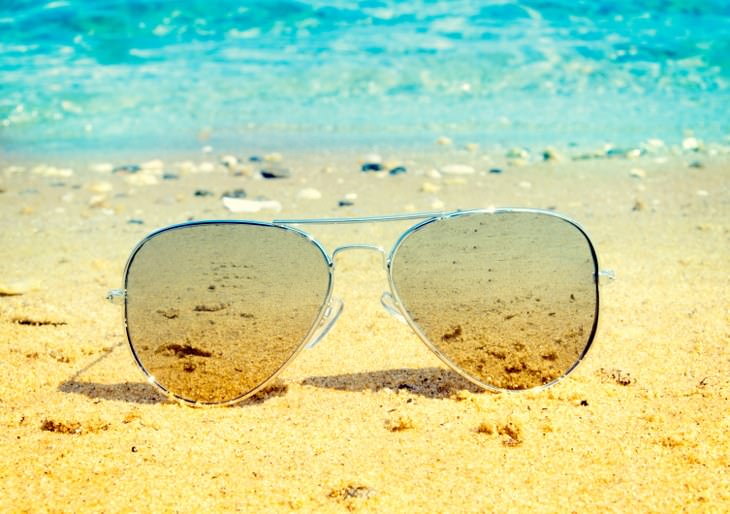
Your sunglasses are also important, and you should buy a pair that gives you 100% protection from both UVA and UVB rays since they are both able to stimulate issues that cause macular degeneration and cataracts, both common causes of blindness.


2. What you eat matters

eye problems
Eating well is the best way to ensure proper eye care, says Rebecca Taylor, M.D., an ophthalmologist at Nashville Vision Associates in Tennessee, and spokesperson for the American Academy of Ophthalmology. She also says that you should try to get most of your nutrients from food. 
 
Green leafy vegetables provide your body with the nutrients zeaxanthin and lutein, both of which have been shown to decrease the risk of eye diseases. The vitamin A that orange and yellow vegetables contain also boost eye health, while certain fruits, such as mangoes, oranges, and strawberries provide your eyes with a healthy dose of vitamin C and other antioxidants.

3. Comprehensive eye exams detect vision problems early
Getting your eyes tested regularly is the best way to catch a range of eye issues, like glaucoma or diabetic eye disease. Most people with ocular issues, or those over 65, should see their eye doctor at least once a year to ensure that their sight hasn’t changed at all. People between 40 and 55 should take an eye exam every 2 to 4 years, while those between 55 and 65 should take one every 1 to 3 years. 
 
4. Smoking now can cause eye issues later
“Get off tobacco in any form,” Taylor says. Smoking causes cyanide to enter into your bloodstream, which is known to kill the eye’s cells. Smoking puts you at an increased risk of cataract development and will make your eyes dry out. What's more, it also increases your risk of developing macular degeneration, which is an incurable condition that harms center eye vision, according to the Centers for Disease Control and Prevention (CDC).

5. Working on a computer all day could give you dry eyes

eye problems
According to Steven Loomis, OD, of Roxborough Park, Colorado, president of the American Optometric Association, one of the most common symptoms of dry eyes is an eye that waters. This is due to the deterioration of the oily and mucous layers, which prevents the evaporation of tears, thereby causing the eye to compensate by producing more water. Dry eyes might also be caused by certain medications, such as antidepressants, inflammation, or even hormonal changes. 
 
To treat dry eyes, try the 20-20-20 rule, which is recommended by the Mayo Clinic - Every 20 minutes, spend 20 seconds looking at something that's at least 20 feet away. A warm compress could also help, as can artificial tears that help deal with tired eyes. 
 
6. Diabetes is the leading cause of blindness in the USA
Preventing diabetes is the most effective way to avoid diabetic retinopathy, which has been found to be the most common cause of blindness in the United States. In fact, 60% of patients with Type II diabetes will end up developing it, while almost all people with Type I diabetes end up developing it. 
 
Even though no symptoms appear during its early stages, it is very important to catch retinopathy as early as can be. With time, your vision may blur and you could even end up completely blind. Controlling blood sugar, cholesterol, and blood pressure can prevent it from getting worse. This condition can be treated through laser surgery, which can lessen the chances of further blindness.

7. After 60, macular degeneration is a major cause of blindness

eye problems
Macular degeneration takes place when eye tissue begins to degenerate, leading to blurriness or loss of vision in the center of the eye. There are two distinct types of macular degeneration: dry and wet. If vision loss is caused by retinal fluid, then eye injections can treat it. 
 
Unfortunately, most cases are dry, for which no treatment is available. Risk factors for macular degeneration include smoking, a family history of the condition, lutein and zeaxanthin deficiencies, and not wearing sunglasses. 
 
8. Cataracts are common but highly treatable
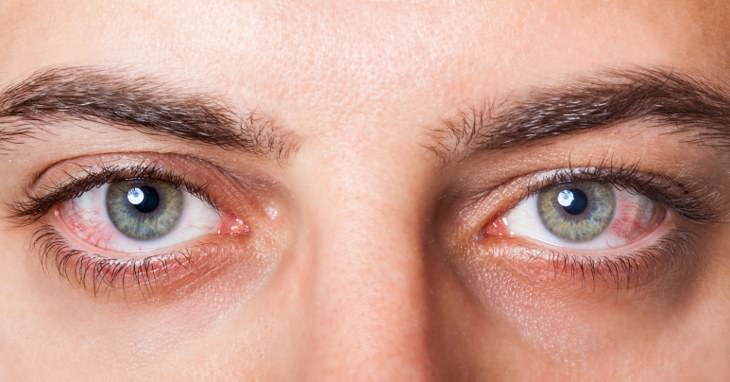
Cataracts are a typical part of aging and usually appear around the age of sixty. Typical signs of a cataract include seeing faded colors, blurred vision, glare, double vision, and reduced night vision. Cataracts are linked to exposure to UV radiation or certain types of radiation therapy, such as the ones used in cancer treatment. Certain drugs such as prednisone may also increase the risk of cataract development. Luckily, cataracts are often very easy to cure. 
 
9. Damage to the optic nerve causes glaucoma
Glaucoma is renowned for being secretive and insidious, and the only way to detect it is through an eye test. It occurs when pressure builds up and starts to harm the optic nerve. The condition progresses very slowly, Loomis says, and it can take years for the nerve damage to become severe enough to cause vision problems. 
 
The risk is higher for diabetics or those with a family history. In most cases, treatment includes a daily eye drop to reduce eye pressure. If the drops fail to provide any tangible improvement, then surgery may be the only choice left. 
 
10. Your eyes tell a lot about your health
eye problems
Your eyes actually act as an indicator of your overall health condition. Dry eyes can be symptomatic of lupus, rheumatoid arthritis, or even thyroid disease. Blurred vision could be indicative of diabetes or a tumor, and itchy eyes may be caused by an allergic reaction to contact lenses.

This is only for your information, kindly take the advice of your doctor for medicines, exercises and so on.   

https://gscrochetdesigns.blogspot.com. one can see my crochet creations  
https://gseasyrecipes.blogspot.com. feel free to view for easy, simple and healthy recipes    
https://kneereplacement-stickclub.blogspot.com. for info on knee replacement

Labels: , , , , , , , , ,

Friday, June 18, 2021

Knowing These 12 Things Could Save Your Life One Day

Unfortunately, life isn't all rainbows and unicorns. Disaster does strike people sometimes, and when it does, it’s always better to be prepared and know how to react and fast. We hope that you’ll never need to use any of these tips, but in case you do, they will help you or others survive 12 life-threatening situations.

1. If you happen to disturb a wasp nest or beehive, don't dive underwater.  Life Saving Tips beehive
The insects will wait until you're out of breath and ascend, and they will continue stinging you. Instead, run as fast as you can. The insects will stop following you over time.

2. If you notice an unexpected fishy smell in your house, it usually means that there's an electrical fire in your house.
Life Saving Tips electrical fire
Turn off the power in your house if it's safe to do so. This alone will extinguish small fires, but you may need to use a proper fire extinguisher (one with a C on the label) to stop somewhat bigger fires. If this doesn't help, call the fire department. 

3. If you see a service dog without an owner, approach it and follow where it will lead. This could save someone's life.
Life Saving Tips service dog
4. If you're abroad and need to call the emergency hotline, dial 1 1 2. 
 
112 is the international emergency number. They will be able to transfer your call to the nearest emergency service.

5. If you suspect that a car is following your car, take 4 right turns. 
This makes a circle, i.e. it will return you to the place where you started. If the car is still behind you, they are most likely following you. Don't panic and avoid driving home. Contact the police or drive to the nearest police station instead.

6. If you're in a falling elevator, lie flat on your back and don't move - this position increases your chances of survival.

7. If you have to escape from a moving car, put one foot down and quickly take a step as you exit the vehicle. 
Making contact with one foot reduces your speed, which means that the fall will be less likely to cause fatal injuries.

8. If you take someone's picture with a flash and their pupils look yellowish-white, tell them to see a doctor
Life Saving Tips eye exam
A white pupil in a picture can point to a serious eye condition, such as eye cancer, cataract, or an issue with the retina.

9. Vividly colored animals are more likely to be poisonous - avoid touching them.
Life Saving Tips red frog
10. If you ever wake up to the smell of gas in your home, avoid turning on the light, looking at your phone, or putting on slippers. 
 
Even a small spark, such as that from a light switch, could result in a gas explosion.

11. You can call 911 even if your phone doesn't have service. 
In an emergency, any phone connects to the nearest cell tower and forwards your call to 911, irrespective of the cell coverage of your cell service provider.

12. If you see a tornado and it looks like it stopped moving, it means that it is actually moving in your direction.
Life Saving Tips tornado


Labels: , , , , , , , , , , , , ,

Wednesday, January 20, 2021

A Guide to Healthy Eye Care

Your eyes are your windows to the world and key bodily components for interacting with it. As you age, you might experience some problems with them, just as many people do. Many eye conditions sound scary, however advancements in eye treatment have come a long way. Here is a list of the most common eye concerns, explained simply. I’ve also gathered some tips on how to improve your eye health in your day-to-day life, which you can see by scrolling down to the end.

Presbyopia - The loss of the ability to see close objects or small print. This is a natural process that happens to everyone. It’s only noticeable after the age of 40, and is fairly easy to correct with reading glasses. Prescriptions for them are not needed in most instances, and they can be bought over the counter at a pharmacy. 
 
 Floaters - These are the tiny spots that often float in your line of vision. They don’t usually cause any harm and are fairly normal. If they are accompanied by flashes, this indicates a more serious problem and you should go to an ophthalmologist.

Dry eyes - This is when your tear glands are not producing quality tears, causing uncomfortable itching and burning. This condition can be caused by medication, contacts, weather conditions or hormonal changes. A doctor might recommend using a humidifier or artificial tears, having plugs placed in the tear ducts to lessen tear drainage, or Lipiflow, a new procedure using heat and pressure. 
 
Tearing -The opposite of dry eyes, you might experience an excess of tears. Often light sensitivity, wind, and temperature changes affect the eyes. Sometimes tearing can be prevented by wearing sunglasses. It might also indicate a more serious condition like a blocked tear duct or an infection. In both cases, a doctor can help treat this problem. 
 
Eyelid problems - The eyelid's job is to protect the eye, distribute tears and control the amount of light entering it. Sometimes they droop, have blinking spasms, develop sties, or the outer edges near the eyelashes become inflamed. Eyelids might experience pain, itching, tearing and sensitivity to light. These problems can be treated with medication, proper cleaning or surgery. 
 
Cataracts - One of the most common eye problems associated with aging. Proteins in the eye can cluster and form a cloud over the lens. These formations cause no pain and usually do not alter vision. If they grow large or thick, they can block light from entering the eye. They can be removed with surgery.
 
Glaucoma - A disease associated with increased eye pressure, which can damage the optic nerve and cause loss of vision. Glaucoma can be treated with prescription eye drops or surgery. Because there are no symptoms or initial pain, it's important to have your eyes regularly checked by an eye doctor, despite it being a less common eye condition.

This is only for your information, kindly take the advice of your doctor for medicines, exercises and so on.     

https://gscrochetdesigns.blogspot.com. one can see my crochet creations  
https://gseasyrecipes.blogspot.com. feel free to view for easy, simple and healthy recipes    
https://kneereplacement-stickclub.blogspot.com. for info on knee replacement

Labels: , , , , , , ,