Wednesday, June 08, 2022

10 Reasons Your Eyes are Bloodshot

While red eyes may have people questioning your health, wondering if you're sick or upset, bloodshot eyes can be the result of many things. However, very often, they are a sign of another problem, such as dry eyes, too little sleep or even overdoing it on certain eye drops. Below are 10 possible culprits and how you can fix them:

1. Your eyes are dry
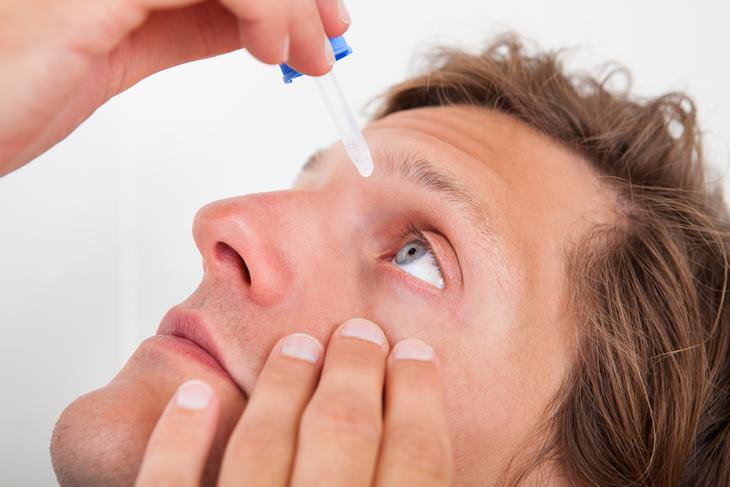
bloodshot eyes
Dry eyes become irritated and inflamed. In fact, it's this inflammation that is causing the redness. This eye condition is especially common in adults over 50, but it tends to affect younger people who spend a lot of their time looking at screens. This occurs because we do not blink as much when looking at a monitor.  
 
Other symptoms: Burning, stinging, and a gritty sort of feeling, as though something is in your eye. 
 
What to do: Tears can moisten your eyes, reducing inflammation and easing the redness. To prevent the problem from occurring, blink more often, especially when you are in front of a screen. You should also adopt the 20-20-20 rule to help reset your blinks, reducing dry-eye issues. So for every 20 minutes you are in front of a screen, focus on something 20 feet away from you for 20 seconds. If your eyes are chronically dry, best see a doctor. They might prescribe eye drops that reduce dryness-related inflammation.

2. You have seasonal allergies
Pollen and grass may cause swelling and inflammation in the eyes, leading to redness. Allergies may also tend to make your eyes itchy. Consequently, you'll likely rub them more, leading to more inflammation and redness.  
 
Other symptoms: Itchiness, sneezing, congestion, and watery eyes. 
 
What to do: Apply a cold compress to your eyes for 15 minutes several times a day and consult your primary care doctor to figure out the best way to keep your allergies under control. They may recommend antihistamines, decreasing your body's response to allergens and easing inflammation. But as antihistamines may make your eyes dry, you may have to use artificial tears to prevent dryness and redness.  
 
3. You're taking certain medications
Besides antihistamines, sleeping pills, anti-anxiety medication and even pain relievers such as ibuprofen can cause dryness and redness. Furthermore, these medications can reduce blood flow to tissue in and around your eyes, making them dry and red.  
 
What to do: To get quick relief, opt for artificial tears. For long-term relief, talk with your doctor who prescribed the medication so that they may be able to adjust your dose, or offer an alternative prescription with fewer side effects.  
 
4. You haven't been getting enough sleep
When your body is lacking on sleep, your eyes are likely to appear bloodshot in the morning. Your eyes need to be closed for an extended period of time so that your tear layers may regenerate and replenish. Loss of tears leads to redness.  
 
Other symptoms: Squinting. Your eye muscles need to recharge over night and if they don't get the rest that they need, you'll have a harder time focusing on things both close up and far off. 
 
What to do: Artificial tears can help you re-moisturize your parched tear layers. Aim to get up to 7 or 8 hours of sleep, keeping dryness at bay. 
 
5. You're drinking too much
Alcohol causes your blood vessels to relax. Consequently, this allows more blood to flow through the vessels in your eyes so that they appear redder.  
 
Other symptoms: Headache, dehydration, nausea, and feeling like a wreck.  
 
What to do: Opt for an over-the-counter eye whitening drop like Visine. This constricts the blood vessels, which reduces blood flow to your eyes making them appear less red. The redness should dissipate within 15 minutes. With this in mind, you shouldn't go overboard with eye drops either - read on to discover more.  
 
6. You smoke or stay near people that do
Cigarette smoke causes the blood vessels in your eyes to constrict, drying out the surface of your eyes. When your body senses the dryness and lack of blood flow, it tries to compensate by dilating your blood vessels, causing more redness.  
 
Other symptoms: Dryness may occur in the short term. In the long-term, blood vessel constricting effects of smoking (or exposure to second hand smoke) can increase your risk for macular degeneration and cataracts, causing vision loss and even blindness.  
 
What to do: Ideally, take the steps you need to quit smoking. If not, seek fresh air - your eyes should clear within an hour.  
 
7. You have pink eye bloodshot eyes
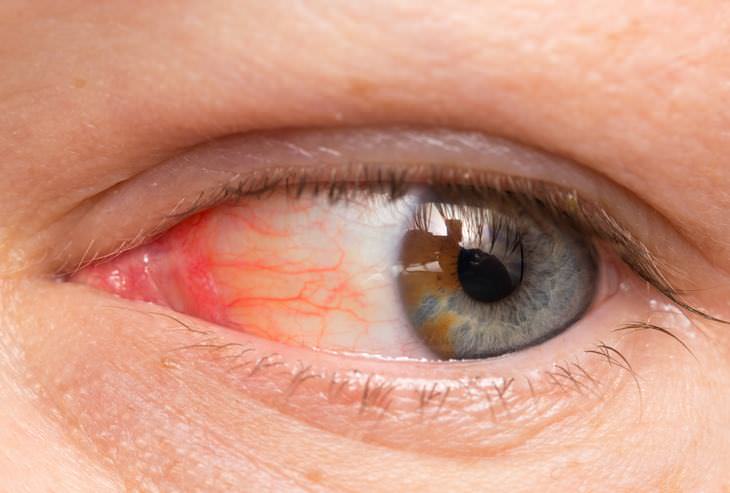
bloodshot eyes
This is contagious and can easily spread from one eye to the other just by rubbing your eyes. This infection causes inflammation in and around your eye, making it appear red and swollen. 
 
Other symptoms: Itching or burning, watery eyes, mucus-like discharge, and sensitivity to light. 
 
What to do: Go to your doctor and get your eyes examined in order to determine whether your pink eye is viral or bacterial. If it's viral, the best thing to do is to wait it out - unfortunately this may take two to three weeks. If it's bacterial your doctor will likely prescribe antibiotic eye drops, soothing your symptoms within a couple of days.  
 
8. You just went swimming
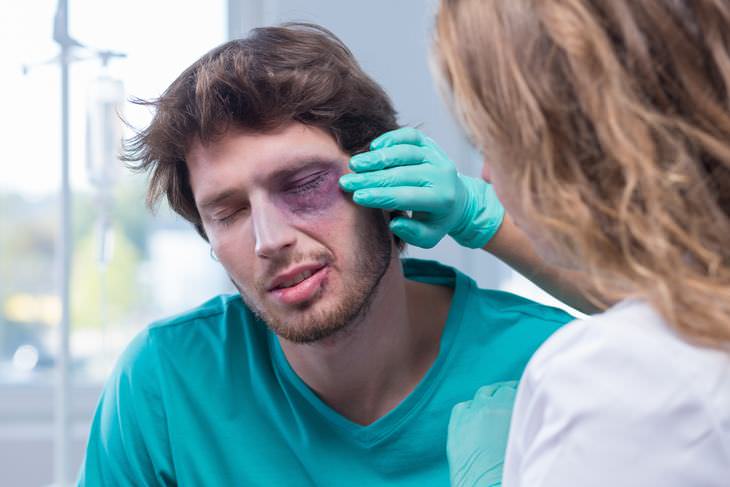
The salt in ocean water will cause your eyes to dry, leading to redness. This may also occur in pools which contain chemicals like chlorine, killing off some of the good bacteria in your eyes, leading to irritation and redness.  
 
Other symptoms: Your eyes will likely feel irritated. 
 
What to do: Flush your eyes with a saline solution or artificial tears, washing out the irritating gunk and easing the redness. If you wore contacts while swimming, take them out and have them cleaned immediately. The next time you decide to take a swim wear goggles, keeping the salt and chemicals out of your eyes.  
 
9. You popped a blood vessel
bloodshot eyes
Popping a blood vessel can occur if you were straining, like coughing intensely, or if you slept in a weird position putting a lot of pressure on your eye. It may also occur if you've experienced some kind of trauma - such as getting punched or being in a car accident. When a blood vessel bursts, blood tends to get trapped under the surface of your eye causing a bright red splotch, turning the entire white of your eye blood red. While it may sound serious, it actually isn't.  
 
Other symptoms: Popped blood vessels don't hurt, though your eye might feel slightly heavy from the extra blood.  
 
What to do: This type of redness tends to go away by itself within a week. 
 
 10. You used eye whitening drops too many times
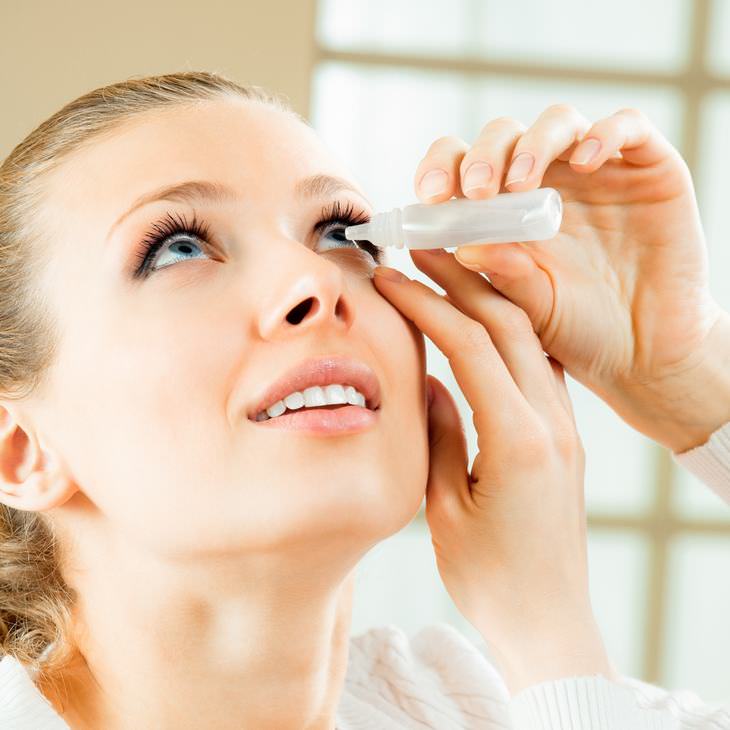
bloodshot eyes
Eye whitening drops can make your red eye problem worse. The drops work by constricting the blood vessels in your eyes, reducing blood flow. Furthermore, when you use drops on a regular basis, your body will adapt to the drops. When you stop, you end up getting a rebound effect where your blood vessels dilate, causing your eyes to look red.  
 
Other symptoms: Symptoms tend to vary depending on the underlying issue that's making your eyes red (see above).  
 
What to do: Use eye whitening drops once in a while, but refrain from using them every day for weeks at a time. If your symptoms of dry eyes persist, see a doctor to determine the real cause of redness.


This is only for your information, kindly take the advice of your doctor for medicines, exercises and so on.   

https://gscrochetdesigns.blogspot.com. one can see my crochet creations  
https://gseasyrecipes.blogspot.com. feel free to view for easy, simple and healthy recipes    
https://kneereplacement-stickclub.blogspot.com. for info on knee replacement


Labels: , , , , , , , , , ,

Friday, November 19, 2021

The Comprehensive Guide to Cirrhosis of the Liver

Did you know that the largest internal organ you've got inside of you is your liver? It's roughly the size of a football and can weigh up to three pounds in all. It's responsible for getting rid of plenty of nasty toxins from your body, which is why it's really important to take care of it. One major complication that can occur in the liver is cirrhosis. While it currently has no known cure, there are plenty of natural and clinical procedures that can limit the risk of liver failure and additional complications. Keep reading to find out all about them.

What Is Cirrhosis?
Cirrhosis is a progressive disease where scar tissue is developed in the liver. It results in a dysfunction which ends up impacting essential function like hormone levels, the digestion of essential nutrients, blood flow, and the removal of waste products from the body. 
 
Alcohol abuse, certain viruses (such as hepatitis), and having a history of fatty liver disease are the most common causes of cirrhosis. Other risk factors include genetics, poor dietary choices, and dangerously high levels of bad cholesterol. 
 
Cirrhosis caused the liver to deteriorate over time, and once it reaches its more advanced stages liver failure or liver cancer might develop. At such a stage, a liver transplant is usually the only option left, which is why it's important to act as quickly as possible and take proper care of your liver throughout your life. 
 
What Are the Symptoms of Cirrhosis?
Cirrhosis guide

Cirrhosis is typically accompanied by quite a number of symptoms including: 
• Appetite loss 
• Lack of energy 
• Symptoms of jaundice 
• Swollen ankles or legs 
• Itchy skin 
• Dark-colored urine 
• Pale or tar-colored stool 
• Bruising easily 
• Unexplained weight changes 
• Chronic fatigue syndrome 
• Digestive issues, such as vomiting, nausea, cramps or abdominal pain 
• Cognitive issues such as disorientation, mood swings, confusion or personality changes

Liver Cirrhosis Complications
Cirrhosis goes through a number of stages before entering the advanced and final stage. Early on, sufferers may experience symptoms like skin changes, decreased levels of energy, nutrient deficiencies, and swelling. As the disease progresses, many of the other symptoms mentioned above will start to manifest themselves. Once cirrhosis enters an advanced stage, some of these complications may arise: 
 â€¢ Bile duct stones 
• Gallstones 
• Type 2 diabetes 
• Insulin resistance
• A weakened immune system 
• An increased risk of lung and kidney failure 
• Sensitivity to certain drugs 
• A greatly increased risk of liver cancer 
• Metabolic bone diseases 
• Hepatic encephalopathy 
• Various issues with the spleen 
• Varices 
• Ascites 
• Edema 
• Portal hypertension  
 
What Causes Cirrhosis?
There are various factors that can lead to the development of cirrhosis, which can stem from both your own lifestyle and habits, as well as from external and environmental factors. The most common risk factors for cirrhosis of the liver include: 
• Drinking too much alcohol 
• Smoking 
• Drug abuse 
• Consuming a poor diet 
• Having a history of fatty liver disease, diabetes or metabolic syndrome 
• Being obese 
• High triglyceride levels 
• High levels of bad cholesterol 
• Genetic factors 
• Constant exposure to toxins or pollutants 
• Serious infections or viruses

Treating Cirrhosis Conventionally
Conventional treatment for cirrhosis will ultimately depend on what initially caused it, as well as how far the disease has progressed. Doctors will typically combine a number of different treatments including both drugs and major lifestyle changes. Unfortunately, there is no textbook cure for this disease, yet these techniques have been found to be the most effective: • Eliminating processed food from your diet • Reducing your salt intake • Increasing your nutrient intake • Eliminating drug and alcohol intake • Using diuretics to control ascites and edema • Controlling cholesterol levels • Losing weight • Cognitive therapy 
• Using laxatives to improve elimination of toxins 
• Using steroids and antiviral medication if the cause is hepatitis 
• Getting a liver transplant in the most severe cases 
 
Dealing With Cirrhosis Naturally 
 
1. Cleansing the Liver Regularly
Cirrhosis guide

To cleanse your liver, try to eat as much as you can of the following: • citrus fruits • ginger • dark green leafy vegetables • vegetable juices • raw or steamed vegetables • bananas, avocados, and sweet potatoes • turmeric • milk thistle seeds • Spirulina, chlorella, and wheatgrass • burdock root • dandelion root tea • black seed oil • probiotics • lemon juice • coconut oil • extra virgin olive oil • beef liver and other organ meats • raw apple cider vinegar Make sure to avoid these foods at all times if suffering from cirrhosis: • fried food • processed food • very spicy food • sugar • refined carbohydrates, especially those containing gluten 
• alcohol 
• excessive amounts of caffeine 
• rich and complex dishes
 
2. Consume an Anti-Inflammatory and Organic Diet
Cirrhosis guide
The key to maintaining a healthy and functioning liver is to consume plenty of organic vegetables with most meals. Ideally, you should aim to consume around 4 or 5 servings of fresh, organic vegetables each day. If this seems like too much, then you might want to consider juicing them instead. 
 
In order to put the least amount of strain on your liver as possible, you should limit the saturated fats you eat to only high-quality cage-free, free-range or grass-fed animal products. This is because animals bred in captivity have been found to store a lot more toxins in their fat than is desirable. As a general rule, the less foods that come out of packaging, the safer your liver should be. 
 
Here are some of the best liver-supporting vegetables you can eat: 
 â€¢ broccoli 
• cauliflower 
• celery 
• cabbage 
• Brussels sprouts 
• kale 
• spinach 
• dandelion 
• watercress 
• asparagus 
• cucumber 
• beetroot 
• carrot 
• herbs, such as basil, mint, parsley, and cilantro  
 
3. Use Natural SupplementsCirrhosis guide
Cirrhosis guide
Plenty of supplements can help produce proper enzymes and bile, reduce intestinal gas, lower inflammation, and sooth the digestive system. Here are some of the most powerful ones: 
 
• Turmeric - this potent anti-inflammatory spice will support your liver's metabolism by providing you with a decent blood-sugar balance. It can also help aid your digestive tract. 
 
• Milk thistle - it helps to get rid of a buildup of alcohol, pollutants, and heavy metals. 
 
• Probiotics - these can help boost your liver health by assisting with its detoxification and metabolism. 
 
• Multivitamins - vitamin A, vitamin C, and vitamin B-6 are particularly the most essential when it comes to protecting the liver. 
 
• Potassium - This mineral is extremely beneficial since it lowers your cholesterol, triglyceride levels, and systolic blood pressure.

4. Check the Medication You're Taking
Quite a significant number of prescription medications can end up damaging your liver as an unwanted side effect. The worst offenders have been found to be hormone replacement drugs and birth control pills, however many other drugs can also put quite a lot of unnecessary strain on your liver, too. 
 
Unfortunately, research has shown that a large number of prescription medications are being over-prescribed, are being mixed with other drugs in a dangerous way, or are taken in an incorrect manner. If you are on medication, then we'd recommend learning how they can adversely affect your liver, and to carefully follow dosage instructions when taking them. It would also be a good idea to ask a healthcare professional if there are any natural remedies that they can be replaced with.

Precautions to Take When Treating Cirrhosis
If you spot any warning signs of liver damage, make sure to get in touch with a doctor as soon as possible, since stopping liver damage before the disease advances will greatly improve your quality of life and chances of survival. Of course, it's good to keep in mind that once symptoms begin to appear, it is likely that the condition has already been present for some time, which is all the more reason to get yourself checked immediately.


Labels: , , , , , , , , ,

Friday, August 20, 2021

8 Reasons Your Weight Fluctuates From Day to Day

Changes in weight can be tricky to gauge. Your weight isn’t static, but rather something that fluctuates during the course of the day depending on things like what you ate and your daily activity. In addition to this daily fluctuation, your weight can also go up or down a few pounds throughout the week due to factors that have nothing to do with gaining or losing mass.

Ideally, to get a sense of your weight, it’s best to weigh yourself at a standard time, wearing standard clothing. For example, the suggestion is to usually weigh yourself first thing in the morning, after you’ve gone to the bathroom, but before you’ve had your breakfast.

Even then, your weight can fluctuate a few pounds in either direction, for reasons that have nothing to do with either a calorie deficit or surplus. This can be especially frustrating if you are actively trying to gain or lose weight, or if you are competing in a sport that requires weigh-ins for competitions, when even a small amount of weight gain can be frustrating to deal with.

With that in mind, here are a few reasons your weight may fluctuate from day-to-day. 

Eating salty foods

If you’ve been eating a lot of processed foods lately or been especially heavy-handed with the salt shaker, this can cause your weight to go up a little, as sodium causes your body to retain extra water.

Given the amount of sodium in processed food, keeping an eye on your salt intake can be tricky. The recommended daily sodium intake is 2300 mg a day, or about a teaspoon, which adds up fast. For example, a serving of deli meat has about 700 mg of sodium, which is almost a third of the daily recommended amount, while there can be surprisingly high sodium levels in unexpected foods, such as your breakfast cereal or store-bought bread.

However, given that this is all water weight, cutting back on the salt will result in the scale going back to normal. 

You drank a lot of alcohol the night before

Alcohol takes longer for your body to process, which means it will stay in your body for a longer amount of time. It also has the effect of slowing down your digestion, as well as causing water retention, all of which means your weight will be a little bit higher than normal after a night of drinking.

So if the scale goes up after a night of drinking, that’s a temporary gain, one that should go back down again within a few days.

Your period is about to start

Depending on where you are in your menstrual cycle, this can cause your body to retain extra water. Most people will notice a slight increase on the first day of their period, which will then drop within a couple days.

You worked out really hard the day before

 If you wake up with sore muscles from a tough workout, there’s a good chance the scale will be a little higher than usual. This is because a tough workout causes micro-tears in your muscles, which then need to heal. These micro-tears are a good thing, as this is how your muscles get stronger, however, during the healing process, your muscles will retain extra fluid.

You’ve been eating a lot of carbs

Just like with salt, carbs can cause your body to retain water, leading to a temporary weight gain. The reason for this is that glycogen, our body’s carb storage in our liver and muscles, contains about three grams of water for every gram of carbs. Glycogen storage fluctuates for several reasons, but the major ones are that it gets burned during exercise and replenished when we eat carbs.

You haven’t pooped in a while

If you are constipated, that means that your body is hanging on to a bunch of excess waste. In addition to being uncomfortable, this can cause the numbers on the scale to go up, at least until you can find a way to poop it all out again.

There are a number of reasons that you can become constipated, including a diet low in fiber, a sedentary lifestyle, a change in your routine, eating a lot of dairy products, as well as dehydration.

Even when things are moving well though, food still (temporarily) adds weight to your body. Generally speaking, it takes about six to eight hours for your food to get digested, and about 36 hours to get expelled, which can be longer if you’re constipated. 

You just sweated out a bunch of water

If you’ve ever weighed yourself before and after a workout, there’s often a difference of a few pounds due to all of the water you’ve sweated out. The average person will lose between 0.8 to 1.4 liters of water weight during an hour-long workout, which equates to about one to three pounds of water weight. For a highly trained athlete, they can lose up to twice that amount.

This loss is all water weight, which means that you will need to replace the fluid that you’ve lost, or else risk getting dehydrated. 

You’re dehydrated

 When you’re dehydrated, your body has lost water weight, leading to a decrease on the scale. As tempting as it is to consider this real weight loss, this is not due to losing fat. To recover from dehydration, you’ll need to drink water regularly, which will bring your weight back to normal.

This is only for your information, kindly take the advice of your doctor for medicines, exercises and so on.   

https://gscrochetdesigns.blogspot.com. one can see my crochet creations  
https://gseasyrecipes.blogspot.com. feel free to view for easy, simple and healthy recipes    
https://kneereplacement-stickclub.blogspot.com. for info on knee replacement


Labels: , , , , , ,