Wednesday, August 13, 2025

Never Miss Lentils , Go For IT, Benefits in weight loss, brain, diabetes----

Lentils, coming from the legume family are edible seeds or pulses that can be cooked in a variety of ways. The most popular kinds are black, brown, red, yellow, yellow split peas, black-eyed peas, mung beans, soya beans and French green lentils. They are a rich source of protein, carbohydrates, dietary fiber, essential amino acids and contain a variety of minerals including iron, copper, potassium, manganese, phosphorous, molybdenum, vitamin B1 and folate. Legumes are also ideal for supporting heart health, managing diabetes, preventing cancer, improving digestion, aiding in weight loss as well as boosting the nervous system. Below are some of other health benefits of lentils.

 
lentils

1. They regulate blood sugar and manage diabetes 
Lentils help to regulate sugar levels in the bloodstream preventing diabetes. In fact, it is suggested that individuals who suffer from type 2 diabetes should follow a diet rich in lentils. As lentils are high in soluble fiber they can help lower insulin and plasma glucose thereby stabilizing blood sugar. Studies have also shown that fiber contents help slow down the rate at which the blood absorbs food, thereby keeping sugar level constant. 

2. They help lower cholesterol  
Studies show that people who consume 3/4 cups of lentils or any other legume had 5% less generation of LDL (bad) cholesterol. 
 
3. They prevent cancer 
Lentils have also been found to counteract cancer. Research shows that foods rich in protein - such as lentils can have a positive effect on cancer cells. Protein has also been shown to create cytotoxin and apoptosis, meaning that they can manage the growth of cancer as well.
 
4. They improve digestion 
As with other types of legumes, lentils can also boost the digestive process. Lentils are rich in dietary fiber, a non-digestible component that is beneficial in maintaining digestion. Additionally, fiber can promote bowel movement, preventing constipation and other problems associated with digestion. They also remove toxins from the body and ferment healthy bacteria, essential for the digestive tract. 
 
5. They promote weight loss 
It is estimated that a cup of lentils contains just 230 calories and occupies up to 63% of your requirement of daily fiber and protein - two components that keep you full for longer.
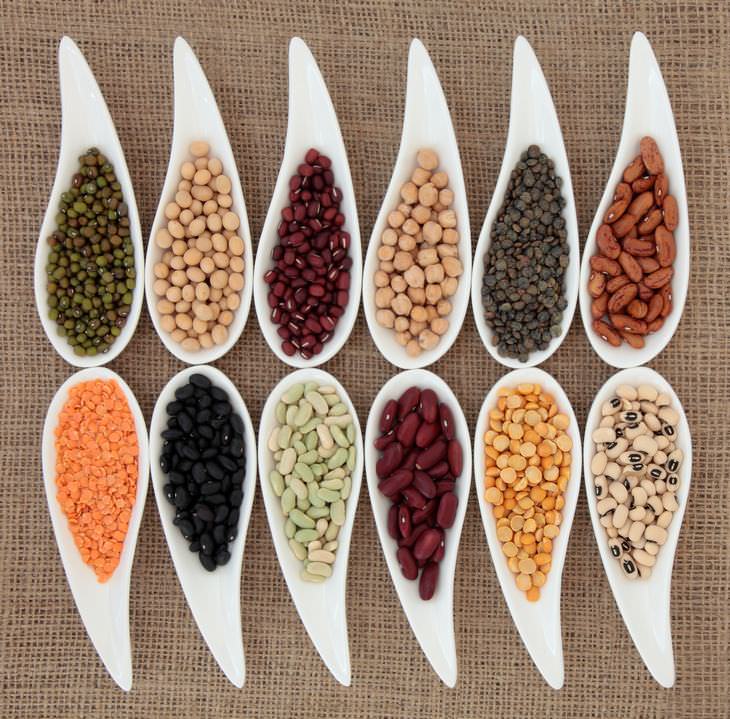
lentils

6. They boost the metabolism 
The metabolism relies on rich sources of vitamins, including vitamin B3, which is essential for improving digestion and boosting the nervous system. The vitamin also stimulates the metabolic process, whereby it removes more toxins and harmful substances out of the body, bringing more nutrients to all parts of the body. Vitamin B3, also found in lentils, has been shown to control cholesterol levels and decrease the risks of diseases like diabetes, osteoarthritis, Alzheimer's disease and cataracts. 
 
7. They support brain health  
Few foods contain as much folate as lentils do. Just one cup of lentils occupies up to 90% of your daily requirement of folate which plays an important role in the production of neurotransmitters, boosting the nervous system. Folate can also help prevent the risks of birth defects in pregnant women as well as blood disorders, making it a key nutrient for human health. 
 
8. They improve electrolytic activity 
Electrolytic activity plays an important role in the proper function of your body. Lentils contain a mineral known as potassium which is considered to be an excellent substitute for electrolytic activity. Besides acting as an electrolyte, potassium is also beneficial for the functioning of some organs, including the brain, the heart and the kidneys. 
 
9. They boost energy 
If you're feeling a little low on energy, lentils are an excellent source. They are rich in minerals including iron and copper, both of which are essential in boosting energy production. While iron makes copper facilitate red blood cells and protect against anemia, copper plays a role in transferring energy from carbohydrates into the cells. 
 
10. They improve heart health 
Lentils have been found to lower the risks of coronary heart disease. The benefits of lentils are predominantly found in their source of fiber. Studies show that people who eat about 20g per day, experienced 11% fewer risks of cardiovascular disease and 12% fewer risks in comparison to those who eat less fiber. Lentils also contain magnesium, which contributes to cardiovascular health. Magnesium also helps prevent the occurrence of a heart attack and supports the heart after a heart attack has taken place.


This is only for your information, kindly take the advice of your doctor for medicines, exercises and so on.   


Labels: , , , , , , , , , , ,

Saturday, March 22, 2025

11 Proven Health Benefits of Ginger

Ginger may have numerous health benefits due to its anti-inflammatory, anti-nausea, and other properties. It may help you lose weight, manage arthritis, reduce menstrual symptoms, and more.

Ginger comes from a flowering plant originating in Southeast Asia. It adds flavor to sweet and savory foods and has a range of health benefits. It belongs to the Zingiberaceae family, and it’s closely related to turmeric, cardamom, and galangal.

The rhizome (underground part of the stem) is the part commonly used as a spice. It’s often called ginger root or, simply, ginger.

You can use ginger fresh, dried, powdered, or as an oil or juice. It features in many recipes as well as processed foods, home remedies, and cosmetics.

Here are 11 health benefits of ginger that are supported by scientific research.

1. Contains gingerol, which has potent medicinal properties

Ginger has a long history of use in various forms of traditional and alternative medicine. It’s been used to aid digestion, reduce nausea, and help fight the flu and common cold, to name a few of its purposes.

The unique fragrance and flavor of ginger come from its natural oils, the most important of which is gingerol.

Gingerol is the main bioactive compound in ginger. It’s responsible for many of ginger’s medicinal properties.

Gingerol has powerful anti-inflammatory and antioxidant effects, according to researchTrusted Source. For instance, it may help reduce oxidative stress, which results from having too many free radicals in the body.


2. Can treat morning sickness and other forms of nausea

Ginger may be effective against nausea, including pregnancy-related nausea, commonly known as morning sickness.

Ginger may help relieve nausea and vomiting for people undergoing certain types of surgery, and it may also help reduce chemotherapy-related nausea.

While generally safe, it’s best to talk with a doctor before taking large amounts if you’re pregnant.

Ginger may not be suitable during pregnancy for people who are close to labor and those with a history of pregnancy loss or vaginal bleeding. It may also be unsuitable for those with clotting disorders.

3. May help with weight loss

Ginger may play a role in weight loss, according to studies in humans and animals.

One 2019 review concluded that ginger supplementation significantly reduced body weight, the waist-hip ratio, and the hip ratio in people with overweight or obesity.

Ginger’s ability to influence weight loss may be due to certain mechanisms, such as its potential to reduce inflammation.


4. Can help with osteoarthritis

Osteoarthritis (OA) involves degeneration of the joints, leading to symptoms such as joint pain and stiffness.

One review concluded that ginger may help reduce pain and disability.The participants took 0.5–1 gram of ginger per day for 3–12 weeks, depending on the study. Most had a diagnosis of OA of the knee.

However, other research has not found evidence of the same effects.

However, many discontinued treatment as they did not like the taste of ginger or because it upset their stomach.


5. May lower blood sugar and improve heart disease risk factors

Some research suggests ginger may have anti-diabetic properties.

In a 2015 study, 41 people with type 2 diabetes took 2 grams of ginger powder per day.

A 2022 review found a significant reduction in fasting blood sugar and HbA1c in people with type 2 diabetes after taking ginger supplements.

The review looked at results from 10 trials, in which participants took 1,200–3,000 milligrams (mg) per day for 8–13 weeks.

The results did not suggest that ginger supplements affected the lipid profile.

A high apolipoprotein B/apolipoprotein A-I ratio and high levels of malondialdehyde (MDA) can result from oxidative stress, a byproduct of oxidative stress. They are both risk factors for heart disease.

However, this was one small study, and more research is needed to confirm these results.

A 2019 review also found evidence that ginger can reduce HbA1c in people with type 2 diabetes, but the authors did not conclude that it can lower fasting blood sugar levels.

6. Can help treat chronic indigestion

Ginger may help manage indigestion by speeding up the passage of food through the stomach.

Functional dyspepsia is when a person has indigestion — with symptoms such as abdominal pain, bloating, feeling too full, belching, and nausea — for no clear reason. It often occurs with irritable bowel syndrome (IBS).

In one study, scientists found that consuming a ginger and artichoke preparation before eating a main meal significantly improved the symptoms of indigestion in people with functional dyspepsia, compared with taking a placebo.


7. May reduce menstrual pain

Ginger may help relieve dysmenorrhea, also known as menstrual pain.

Some research has suggested that ginger is as effective as acetaminophen/caffeine/ibuprofen (Novafen) in relieving menstrual pain.

However, more studies are needed.

8. May help lower cholesterol levels

High levels of LDL (bad) cholesterol are linked to an increased risk of heart disease.

In a 2022 review of 26 trials, researchers found that ginger consumption significantly reduced triglycerides and LDL cholesterol, while increasing HDL cholesterol. Even doses less than 1,500 mg per day were effective.

However, it may be hard to include such high doses of ginger in your diet, particularly if you don’t like the taste of ginger.


9. May help reduce cancer risk

Ginger may have anticancer properties due to gingerol and various other antioxidant and anti-inflammatory compounds.

There is some evidenceTrusted Source that these compounds may help reduce the risk of gastrointestinal cancers, such asTrusted Source colorectal, pancreatic, and liver cancer.

In one studyTrusted Source, 20 people with a high risk of colorectal cancer took 2 g of ginger daily for 28 days. At the end of the study, the lining of the participant’s intestines showed fewer cancer-like changes than expected.

However, most studies relating to ginger and cancer risk have not involved humans.


10. May improve brain function and protect against Alzheimer’s disease

Some research suggests that 6-shogaol and 6-gingerol — compounds in ginger — may help prevent degenerative diseases such as Alzheimer’s, Parkinson’s disease, and multiple sclerosis.

Oxidative stress and chronic inflammation may be key drivers of Alzheimer’s disease and age-related cognitive decline.

Some animal studies suggest the antioxidants and bioactive compounds in ginger can inhibit inflammatory responses that occur in the brain. This may help prevent cognitive decline.

11. Can help fight infections

Ginger’s antimicrobial properties could make it useful for fighting bacterial and fungal infections.

Laboratory studies have found it may be effective against:

  • Staphylococcus aureus (S. aureus), which is responsible for a range of diseases
  • Escherichia coli (E. coli), a cause of intestinal infections
  • Candida albicans (C. albicans), which causes fungal infections in the mouth, vagina, and so on

However, more studies are needed.

Ginger is safe for most people to consume in moderation.

In large doses, however, it can cause the following symptoms in some people:

  • abdominal discomfort
  • heartburn
  • diarrhea
  • mouth and throat irritation

It is likely safe during pregnancy and breastfeeding, but it is best to speak with a healthcare professional first.


What are five health benefits of ginger?

Ginger has many possible health benefits. For instance, it may help reduce nausea, manage weight loss, lower cholesterol levels, protect nerve function, and reduce the risk of cancer.

What vitamin does ginger contain?

One teaspoon of raw ginger contains 0.1 milligrams (mg) of vitamin C. It also contains small amounts of calcium, magnesium, and other minerals.

Who should avoid ginger?

Ginger is likely safe for most people to use in moderation. There is no evidence that it is unsafe to use during pregnancy or while breastfeeding, but it is best to check first with a health professional.


Labels: , , , , , , , , , , , ,