Thursday, January 08, 2015

How to Protect and Heal Your Liver!

Located just below the rib cage to our left, our liver plays a crucial role in the digestion of food and many other functions in the body, such as producing bile which reduces the amount of fat in the body. It maintains our sugar, fat and iron levels in the body and is also involved in the production of protein. 
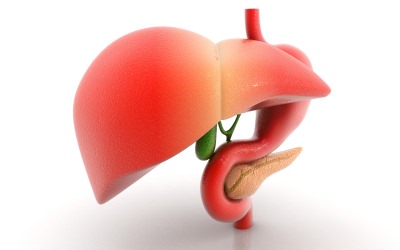
 
liver
                                                                  rajcreationzs / freedigitalphotos.net 
 
Liver diseases are a group of disorders, infections and medical conditions that affect the liver tissue and its structure, and may cause damage or stop its functioning all together.

Common symptoms of liver disease:
 
Yellowing of your skin  Fever 
Upper right side abdominal tenderness  Jaundice 
Dry mouth   weight gain 
Dark urine  
loss of appetite
 
vomiting blood
Breast development in males
Weight loss  Enlarged liver 
diarrhea  Joint aches 

 
Main Causes of Liver Disease:

- Lack of night sleep (sleeping more in the moning, less at night).

- High consumption of food in one sitting

- Not urinating in the morning

- Consuming too many artifical preservatives and sweeteners.

- Consuming fried foods when tired.

- Being infected with Hepatitis A, B or E.

- Autoimmune diseases that attack liver cells and cause inflammation

- Alcohol abuse can directly cause liver inflammation.


Recommended Home Remedies for Treating Liver Disease:

Dandelion Root Tea

One of the best home remedies for liver disease, you can make tea our of dandelion leaves twice a day. For even better results, you can boil some roots of the dandelion in water. 

 
dandelion tea
 
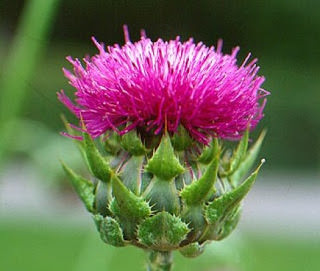
Milk Thistle

This remedy can be very effective in dealing with liver disorders. Consume about 850 ml of milk thistle twice a day with food. This will keep your liver in good condition and also supply relief for certain liver problems. Studies have shown that this can be a very effective agent against such problems as cirrhosis, hepatitis (viral), high toxicity and more.


Indian Gooseberry:

Besides being a fantastic source for vitamin C, which helps keep your liver healthy, it is known that gooseberries help protect your liver. It is recommended to eat about 5-6 raw gooseberries every day or add them to food (salads, for example). Recent studies have shown that consuming the Indian gooseberry leads to an improvement of the liver function caused by a normalization of the liver-specific enzyme alanine transaminase.
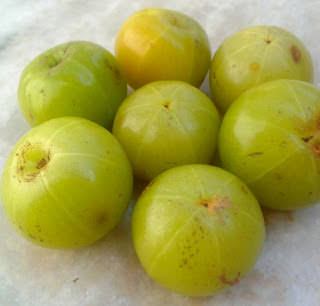
 
gooseberries


Turmeric:

Turmeric, or better yet its active ingredient, curcumin, is well known for its antioxidant and antiseptic properties. Consuming turmeric or adding it to foods on a regular basis will keep your liver in good condition. Studies have shown that turmeric can protect the liver from the viruses that causes hepatitis A, B and E. You can add it to food, milk or just take 1/2 a tablespoon of turmeric with 1 teaspoon of honey once a day.
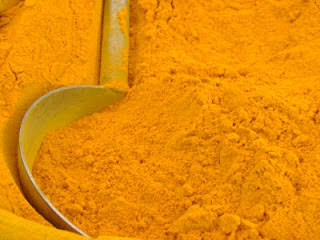
turmeric

Papaya Fruit:

The papaya fruit is really good at getting rid of liver disorders. It also offers good relief to those who suffer from liver cirrhosis. Consume one teaspoon of lemon juice with 3 teaspoons of papaya juice once a day and repeat for 4-6 weeks in order to cure the condition.
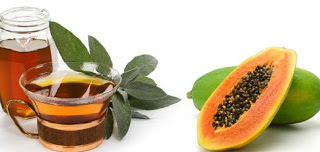
 
papaya


Apple Cider Vinegar:

This is a cleansing remedy will help flush out the toxins from inside the liver. Take it before meals to help maintain a healthy level of fat in the body. 

Take one tablespoon of apple cider vinegar and mix it with a glass of water, then add one teaspoon of honey and mix again. Drink this 3 times a day to really cleanse your liver.
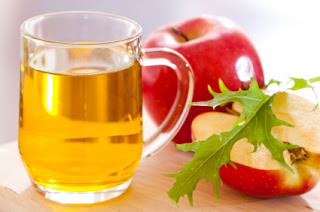
 
apple cider vinegar


A few more tips for taking care of your liver:

- Drink green tea every day. It contains catechins which aid the function of the liver.

- Physical activity, even mild, will reduce your toxin levels through sweat and by keeping your body fit.

- Drink a lot of water, it is always a healthy choice and it will flush out the toxins from your system. 
 
- Eating apples and leafy vegetables is a good idea, as they too help flush out
toxins from the body.
 
- Avoid alcohol like the plague.
 
- Avocados and walnuts also offer protection against liver disorders.
 
 
THIS IS ONLY FOR INFORMATION, ALWAYS CONSULT YOU PHYSICIAN BEFORE HAVING ANY PARTICULAR FOOD/ MEDICATION/EXERCISE/OTHER REMEDIES.


PS- THOSE INTERESTED IN RECIPES ARE FREE TO VIEW MY BLOG-
HTTP:GSEASYRECIPES.BLOGSPOT.COM/ 


FOR INFO ABOUT KNEE REPLACEMENT, YOU CAN VIEW MY BLOG-
HTTP://KNEE REPLACEMENT-STICK CLUB.BLOGSPOT.COM/

FOR CROCHET DESIGNS


HTTP://MY CROCHET CREATIONS.BLOGSPOT.COM

Labels: , , , , , , , , , , , , , , , ,

Tuesday, September 03, 2013

IMPORTANCE OF FIBRE AND FOODS RICH IN FIBRE

Fiber can lower blood sugar, cut cholesterol, and may even prevent colon cancer and help you avoid hemorrhoids. If it were a drug, the world would be clamoring for it.

But few people are getting enough.

Women should get about 25 grams a day and men at least 35 to 40, but the average person gets just 15 grams a day. Eating fiber-rich whole foods—not foods that tout "added fiber"—is the best way to increase your fiber intake, says Carolyn Brown, RD, a nutritionist at Foodtrainers, in New York City.

Here is a list of high-fiber foods—and tasty recipes that contain them.

Corn

We're most familiar with the sunny, yellow version, but corn comes in a rainbow of colors—from pink to blue to black—each with its own special combination of antioxidant nutrients.

A single ear of corn, which is about a half cup of corn kernels, contains 2 grams of fiber. Popcorn is also a terrific—and low-calorie—fiber source, with about 3.5 grams of fiber per three-cup serving.

For corn recipes, see my recipe blog.

White beans
In addition to being rich in fibre, protein, and iron, white beans are one of the best nutritional sources of potassium—1 cup will cover 25% of your daily requirement for this hypertension-fighting nutrient.

Beans get a bad rap when it comes to gas, but the key is to amp up your fibre intake gradually. If you only eat (low-fiber) foods right now, don't suddenly switch to eating 40 grams of fiber a day, because that will cause a lot of stress to the digestive system.

Black beans
Black beans contain 15 grams of fiber per cup, and about 15 grams of protein. Their dark, rich color signals a high content of flavonoids, plant pigments that are powerful antioxidants. As you add beans and other high-fibre foods to your diet, be sure to drink more water, too.

Kidney beans
Like their cousins—they're rich in fibre, protein, and iron.

Garbanzo beans OR Chickpeas
Also known as chickpeas, these versatile legumes come in two varieties: the light-colored "Kabuli" type, most common in the United States, and the darker "Desi" variety, which are richer in fibre and antioxidants. Garbanzos were first domesticated in the Middle East, where they remain an important staple ingredient in dishes such as hummus and falafel.
for recipe, see my recipe blog.

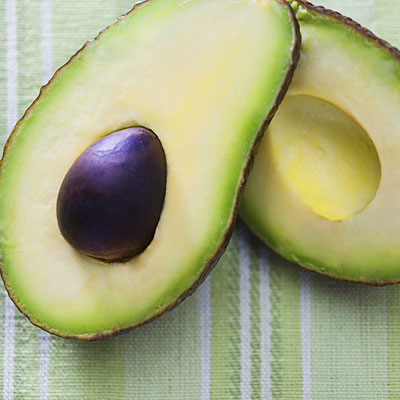
fiber-avocado
Avocado
The creamy flesh of the avocado is a great fiber source; a two-tablespoon serving of avocado has about 2 grams of fiber and an entire fruit contains around 10 grams. Avocados are also an excellent source of mono- and polyunsaturated fats—the "good" kind that can help lower cholesterol and reduce heart-disease risk.
for recipe, see my recipe blog

Whole-wheat pasta
Swapping out traditional pasta for the whole-wheat kind is a great way to introduce more fibre to your diet. Really small changes will make a difference.
for recipe, see my recipe blog

Brown rice
If you've been strictly a white-rice eater, the chewier texture and nuttier taste of brown rice can take some getting used to—but it's worth the effort. Every cup contains 3.5 grams of fiber.

Researchers recently found that although eating five or more servings of white rice a week increased type 2 diabetes risk by 17%, adding a couple servings of brown rice per week decreased risk by 11%.

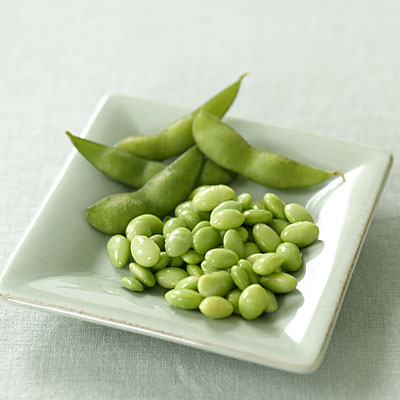
EDAMAME
fiber-edamame-snack
Long popular in East Asian cuisine, edamame are immature soy beans boiled in the pod. You can pop them out of the pod into your mouth, or mix them into a tasty dip. A half-cup serving of edamame can contain up to 11 grams of protein and 9 grams of fiber, depending on the brand.
for recipe, see my recipe blog

Whole-wheat bread
White bread and other refined grains are milled, meaning the outer coating of the grain (bran) has been removed, along with the germ, a tiny part of the kernel that serves as the seed's 'embryo.' Whole wheat retains these nutrient- and fiber-rich elements, so switching from white to whole wheat is a smart nutritional move.
for recipe, see my recipe blog

Lentils
This tiny member of the legume family is super-rich in fiber, with 15.6 grams per cup. Cultivated since Neolithic times, lentils are also a great source of protein, B vitamins, iron, and other minerals.
for recipe, see my recipe blog

Pear
As with most fruits with edible skins, pears are most nutritious and fibre-rich when their skins are left intact. Keeping the skin on is really important for fibre. A medium-size unpeeled pear contains about 5.5 grams of fibre.
for recipe- see my recipe

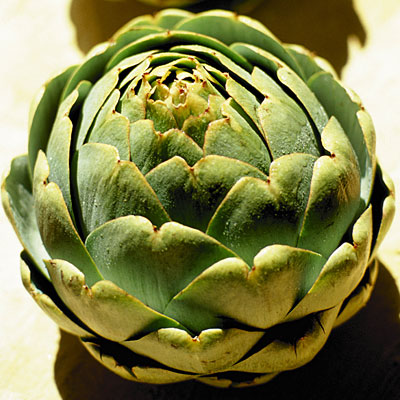
ARTICHOKE
fiber-artichoke
A single boiled artichoke contains a whopping 10.3 grams of fiber, and you'll get 7.2 grams of fibre from a half cup of artichoke hearts. Artichokes also are rich in silymarin, an antioxidant that may improve liver health.
for recipe, see my blog.

Oatmeal
Oats contain beta-glucan, a special type of fibre that has particularly powerful cholesterol-lowering effects, and may also boost immune-system function.

Oats also feature a good mix of soluble fibre (the type that lowers blood cholesterol) and insoluble fibre (which helps keep your digestion running smoothly).
for recipe, see my recipe blog.

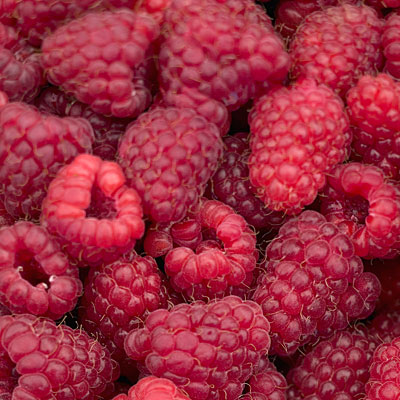
Raspberries
Whether they're ruby-red or blue-black, raspberries are nutrition superstars. In addition to being extra-rich in fibre, one cup will give you about a third of your daily fibre needs—they're also chock-full of powerful antioxidants. Frozen ones are equally good.
fiber-raspberries-snack
for recipe, see my recipe blog.

Peas
The humble pea, eaten straight out of the pod, bought frozen or cooked, or dried and made into split-pea soup, is a tasty, versatile, and inexpensive fiber source. One cup of split peas boasts 16.3 grams of fiber, and a cup of frozen peas contains a not-too-shabby 8.8 grams after cooking.
for recipe, see my recipe blog.

Broccoli
By now we all know that broccoli is very good for you. A member of the cruciferous vegetable family, known for its cancer-preventing properties, this veggie also contains a respectable amount of fiber: You'll get about 5.1 grams in a cup of boiled broccoli.
for recipe, see my recipe blog.

Apples
When you're talking about apples, the skin's the thing—you've got to leave it on or you'll be missing out on fiber and a host of beneficial phytochemicals.Once you take the skin off, you take off a lot of the good stuff that's in there. A single regular-size apple contains about 4.4 grams of fiber.

Almonds
Almonds—and pretty much every other edible nut and seed you can think of—are good sources of fiber, packed with healthy fats and protein. But all that goodness comes with a high calorie count, so keep your eye on serving size. A quarter-cup handful makes a good balance, with about 3 grams of fiber and around 170 calories.


BARLEY
fiber-barley-bowl

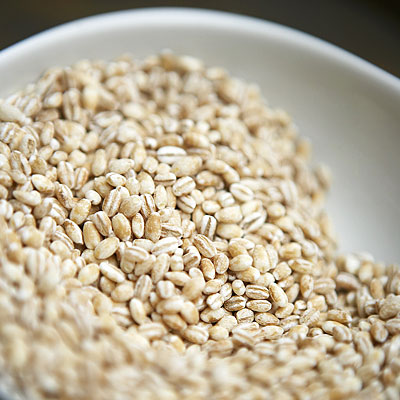
It may be best known as a raw ingredient in beer and whisky, but barley is a whole grain, too, and a good source of heart-healthy beta glucan. A recent study found that healthy people who ate barley with their breakfast felt less hungry before lunch than study participants who ate wheat or refined rice.
for recipe, see my recipe blog.


ps- this is only for information, always consult you physician before having any particular food/ medication/exercise/other remedies.


ps- those interested in recipes are free to view my blog-

http://gseasyrecipes.blogspot.com/


for info about knee replacement, you can view my blog-


http://Knee replacement-stick club.blogspot.com/


for crochet designs


http://My Crochet Creations.blogspot.com

Labels: , , , , , , , , , , , , , , , , ,

Wednesday, August 14, 2013

Some Foods Good for Healthy Hearts

Kidney beans, otherwise known as black beans have a high content of magnesium that lowers the risk of heart related problems such as heart attacks, cholesterol and strokes. They are highly nutritious and incredibly light on the digestive system. A

Kidney beans, otherwise known as black beans have a high content of magnesium that lowers the risk of heart related problems such as heart attacks, cholesterol and strokes. They are highly nutritious and incredibly light on the digestive system. A flavorful kidney bean soup should sort you out!


Almonds contain heart favorable mono and polyunsaturated fats that prevent the risk of heart diseases. They also help sharpen brain activity. Almonds can be consumed in multiple ways but one easy way to do it is to use almond milk in your morning coffee.


Rich in vitamin E, walnuts are undoubtedly heart healthy. Some light roasted walnuts with your morning fruit juice would take good care of your muscular, blood-pumping organ.


Red wine must always stay close to you! It contains a vital flavonoid called Resveratrol that prevents damage to the blood cells and keeps the heart intact. Apart from just drinking it, you could poach a couple of pears in some red wine and make a healthy snack out of it.


Packed with monounsaturated fat, avocados can help lower LDL levels while raising the amount of HDL cholesterol in your body. A cup of avocado has about 23 percent of the recommended daily value of folate. It's also called Butter-fruit thanks to it's creamy flavour. 

Legumes such as sprouts among many others are rich in fatty acids, calcium, and soluble fiber. They curb all possible heart diseases and help maintain a light and healthy diet. Here's an interesting way to use legumes in your everyday life; whip up together legumes, cheese and salsa and enjoy the dip with some freshly baked bread.

Spinach could help curb heart diseases, overeating and lowers the risk of blood pressure. Make yourself a nice, tall glass of spinach juice as part of your breakfast. ( for juice, see in this/ or my recipe blog.)


Soy contains powerful phyto-antioxidants that effectively protect the blood vessels from lesions and haemorrhage. It is low in saturated fat, but it's still a great source of lean protein in a heart-healthy diet. Soy yogurt with some fruits sounds like a set plan.


ps- this is only for information, always consult you physician before having any particular food/ medication/exercise/other remedies.

ps- those interested in recipes are free to view my blog-

http://gseasyrecipes.blogspot.com/

for info about knee replacement, you can view my blog-

http://Knee replacement-stick club.blogspot.com/

for crochet designs

http://My Crochet Creations.blogspot.com/

I've not given details about designs, but those interested are free to mail me for the same.

Labels: , , , , , , , , , , , , , , , , , ,

Tuesday, June 25, 2013

Top 10 Foods for Healthy Hair


"Just like every other part of your body, the cells and processes that support strong, vibrant hair depend on a balanced diet," says  nutritionist.
It can take longer to notice changes (both good or bad!) in your hair than in your skin. For example, "just one week with a poor diet can yield acne flare-ups or dry, sallow skin within days," says a dermatologist, "but with hair, it can take a few months for a nutritional deficiency or the effects of a crash diet to show up."
The nutrients you eat today help fortify the hair follicle -- from which each strand is born -- and the scalp that surrounds it. "Healthier follicles? Healthier hair. Healthier scalp? Healthier hair!" 
Of course, there's more to your hair than what you eat. Smoking, hormonal imbalances, and not enough sleep can also affect how your hair looks and feels. No magic nutrient can make up for those concerns.
Still, you have a lot more leverage than you might think. If you eat a balanced, varied, protein-rich diet that focuses on the following 10 foods, you'll be giving your hair the TLC it needs and deserves.

1. Salmon

Besides being rich in protein and vitamin D (both are key to strong hair) the omega-3 fatty acids found in this tasty cold-water fish are the true superstar. Your body can't make those fatty acids, which your body needs to grow hair. About 3% of the hair shaft is make up of these fatty acids. Omega-3s are also found in cell membranes in the skin of your scalp, and in the natural oils that keep your scalp and hair hydrated.
Other options:  you can also get essential fatty acids from fish like herring, sardines, trout, and mackerel, as well as avocado, pumpkin seeds, and walnuts (see below for more wonderful things about walnuts.)

2. Walnuts

These are the only type of nut that have a significant amount of omega-3 fatty acids. They're also rich in biotin and vitamin E, which helps protect your cells from DNA damage. Since your hair rarely gets much shielding from the sun, this is especially great. Too little biotin can lead to hair loss. Walnuts also have copper, a mineral that helps keep your natural hair colour rich and lustrous.
Other options: Try using walnut oil in your salad dressing or stir-fry instead of canola or safflower.

3. Oysters

Oysters are rich in zinc, a lack of which can lead to hair loss (even in your eyelashes), as well as a dry, flaky scalp. Three ounces has a whopping 493% of your daily value. You can get some zinc through fortified cereals and whole grain breads, but oysters can boast a good level of protein too. "Remember, hair is about 97% protein,". Without enough protein, your body can't replace the hairs that you naturally shed every day and what you do make can be dry, brittle, or weak.
Other options: Get your fill of zinc with nuts, beef, and eggs.

4. Sweet Potatoes

Sweet potatoes are a great source of the antioxidant beta carotene, which your body turns into vitamin A. "Basically, every cell of the body cannot function without enough Vitamin A,. It also helps protect and produce the oils that sustain your scalp, and being low on vitamin A can even leave you with itchy, irksome dandruff.
Other options: Carrots, cantaloupe, mangoes, pumpkin, and apricots are all good sources of beta carotene.

5. Eggs

A great source of protein, eggs are loaded with four key minerals: zinc, selenium, sulphur, and iron. Iron is especially important, because it helps cells carry oxygen to the hair follicles, and too little iron (anaemia) is a major cause of hair loss, particularly in women.
Other options: You can also boost your iron stores with animal sources, including chicken, fish, pork, and beef.

6. Spinach

The iron, beta carotene, folate, and vitamin C in spinach help keep hair follicles healthy and scalp oils circulating.
Other options: Try similarly nutrient-rich dark, leafy vegetables such as broccoli, kale, and Swiss chard.

7. Lentils

Tiny but mighty, these legumes are teeming with protein, iron, zinc, and biotin, making it a great staple for vegetarian, vegans, and meat eaters.
Other options: Toss other beans such as soy-beans (the young ones are called edamame) and kidney beans into your soup or salad.

8. Greek yoghurt

Cruise the dairy aisle for low-fat options such as Greek yoghurt, which is high in hair-friendly protein, vitamin B5 (pantothenic acid -- an ingredient you'll often see on hair care product labels), and vitamin D. Emerging research links vitamin D and hair follicle health, but exactly how that works isn't clear.
Other options: Cottage cheese, low-fat cheese, and skim milk also fit the bill.

9. Blueberries

Exotic super fruits may come and go but when it comes to vitamin C, "It's hard to top this nutrient superhero," Drayer says. C is critical for circulation to the scalp and supports the tiny blood vessels that feed the follicles. Too little C in your diet can lead to hair breakage.
Other options: Kiwis, sweet potatoes, tomatoes, and strawberries.

10. Poultry

This everyday entrée is extraordinary when it comes to protein, as well as hair-healthy zinc, iron, and B vitamins to keep strands strong and plentiful. Because hair is nearly all protein, "foods rich in protein are literally giving you the building blocks for hair,".
Other options: Lean cuts of beef are another good source of lean protein.


ps- this is only for information, always consult you physician before having any particular food/ medication/exercise/other remedies.

ps- those interested in recipes are free to view my blog-

http://gseasyrecipes.blogspot.com/

for info about knee replacement, you can view my blog-

http://Knee replacement-stick club.blogspot.com/

for crochet designs

http://My Crochet Creations.blogspot.com/

I've not given details about designs, but those interested are free to mail me for the same.


Labels: , , , , , , , , , , , , , , , , , , ,

Monday, June 24, 2013

TIPS TO TACKLE DEPRESSION

Take your multivitamin with breakfast
Taking a basic multivitamin containing folic acid and vitamin D helps your brain produce antidepressant hormones like serotonin and oxytocin, triggering a 30 percent improvement in moods in as little as two weeks. For best results, take your multi with breakfast. According to  researchers, morning is when your ability to absorb nutrients peaks -- so taking your folic acid and vitamin D in the a.m. can cut your risk of depression by as much as half.
Go for a midday walk
Almost 96 percent of our lives are spent indoors. “Yet, hands-down, the most effective way to increase your production of mood-boosting serotonin is to combine sunlight with motion,” says a researcher. “It’s such a powerful combo, it improves people’s outlook for five hours straight.” The good news: Just 20 minutes of leisurely outdoor activity -- like sweeping the porch or going for an easy walk -- can help tamp down your symptoms in as little as one week, say researchers.
Adjust the lights
There’s a direct nerve connection between your eyes and the biological clock buried in your brain. And research  shows that keeping your environment in sync with that clock -- so you’re surrounded by light during the day, and dimness in the evening -- doubles the effectiveness of any mood-boosting program. To do: Keep your home and workplace cheery and bright during the day by using high-wattage light bulbs and opening the curtains. Then, dim the lights and switch off your computer and other light-emitting electronics one hour before bedtime. Be friendlier to your brain.
Add avocados
Enjoy 1/2 an avocado daily, and you’ll cut your risk of depression (and your symptoms, if you’ve already got it) by 25 percent or more,  researchers say. The reason: These tasty gems are loaded with monounsaturated fats -- nutrients that prod your brain to make the blues-busting hormone dopamine. Some tasty options: Use guacamole as a veggie dip, add avocado slices to burgers and sandwiches, toss cubes into salads, or puree and mix into soups, stews and chilli recipes.
Hit the dance floor
In a recent  study, it only took nine weeks of dancing to cut subjects’ depression scores by 67 percent -- an improvement that’s tough to match even with antidepressant meds! “Dancing’s combination of exercise and rhythmic motions prompts your brain to produce a larger, steadier supply of mood-steadying hormones,” . For best results, dance for 30 minutes, four times weekly. Time to sign up for that salsa class?
Ask for massages
Getting a couple of 20 minute massages each week can trigger a 30 percent increase in your brain’s production of feel-good hormones called endorphins, cutting your aches and pains and other physical symptoms by 25 percent, according to University of Miami studies. Regular massages shift brain wave activity from the right side, which churns out negative emotions, to the left side, which handles positive feelings, the study authors say.
Bake a potato
Enjoy one when life’s dragging you down, and you’ll feel calmer and less easily rattled in as little as 30 minutes, say researchers . Turns out this tuber boosts brain levels of tryptophan -- a key building block of the antidepressant hormone serotonin -- as much as 54 percent. Tired of taters? Any low-fat, high-starch treat will do the trick, so try a cup of unbuttered popcorn, a few graham crackers or a bowl of your favorite cereal.
Belt out a few tunes
Women who weave music into their daily lives -- by spending 10 to 15 minutes daily singing along to their favourite songs --- recover up to 55 percent faster from the blues, plus they cut their risk of relapses in half, say researchers. Singing kick-starts your brain’s production of calming, mood-boosting alpha brain waves, the study authors say.
Nibble dark chocolate
This creamy, rich treat is packed with a high-powered antidepressant that can shore up a draggy mood, plus chase away tiredness and other physical symptoms, in as little as 20 minutes. The study-proven dose: One ounce of dark chocolate daily (eight ounces of hot cocoa can also do the trick).
Join a club
In a recent British study, 72 percent of depressed women who started spending time each week hanging out in a group (by signing up for a church function, book club, bowling league or yoga class, for example), felt significantly cheerier and healthier within one month. And, they only needed one hour of fun group-time each week to get these results.
Clean a little less
Just relaxing your standards of cleanliness can make your serotonin production creep up in as little as one week, suggest  studies. The researchers’ best guess: Lowering your standards allows you to spend more time relaxing and unwinding, and that dials down your production of cortisol, which is a stress hormone that sabotages brain function and saps your ability to produce antidepressant hormones.
Call a fun friend
Women who connect with a fun, upbeat friend for 10 minutes twice weekly are just half as likely to be hit with the blues, say  researchers. Already struggling with depression? The research suggests that chatting with a friend can ease symptoms in as little as three weeks. Combining friendship and laughter prods your brain to produce mood-steady hormones such as endorphins and dopamine. Regularly exchanging funny e-mails or Facebook postings work too.


ps- this is only for information, always consult you physician before having any particular food/ medication/exercise/other remedies.


ps- those interested in recipes are free to view my blog-

http://gseasyrecipes.blogspot.com/


for info about knee replacement, you can view my blog-


http://Knee replacement-stick club.blogspot.com/


for crochet designs


http://My Crochet Creations.blogspot.com/


I've not given details about designs, but those interested are free to mail me for the same.

Labels: , , , , , , , , , , , , , , ,

Wednesday, April 25, 2012

Avocados may help keep you young

Avocados could help fight ageing and several diseases as they bolster cells' power centres against harmful free radicals, say scientists. 

A number of environmental factors - such as pollution, cigarette smoke and radiation - can turn the oxygen molecules found in mitochondria, the power plants of cells, into free radicals. 

These unstable molecules destroy virtually all the normal molecules forming cells, such as lipids, proteins and even DNA, by turning them into free radicals, too. 

This destructive phenomenon is associated with aging and occurs in a variety of diseases, including hypertension and diabetes, which represent major challenges for health systems due to their great social and economic costs. 

Many studies of antioxidants in vegetables and fruits, such as carrots and tomatoes, have been completed with few encouraging results. 

"The problem is that the antioxidants in those substances are unable to enter mitochondria," said Christian Cortes-Rojo, a researcher at Universidad Michoacana de San Nicolas de Hidalgo in Morelia, Michoacan, Mexico. 

"So free radicals go on damaging mitochondria, causing energy production to stop and the cell to collapse and die. An analogy would be that, during an oil spill, if we cleaned only the spilled oil instead of fixing the perforation where oil is escaping, then the oil would go on spilling, and fish would die anyway." 


But Cortes-Rojo is prepared to reveal the first research results showing the protective effects of avocado oil against free radicals in mitochondria. 

The research team used yeast cells - those used in wine and beer production - to examine avocado oil's properties. 

"The reason why we have chosen yeast," explains Cortes-Rojo, "is that (a) this microorganism is easier to study than other biological models due to its relative simplicity and (b) because studies our group published in 2009 and 2011 found that yeast mitochondria are very resistant to free radicals due to the sort of fat that forms its envelope, which is highly resistant to oxidation. 

"The same kind of fat can be found in avocado oil; but, in addition, avocados also contain some plant pigments that inhibit oxidation. That is why we decided to test whether these avocado ag

The results of this research, he said, show that avocado oil allowed the yeast cells to survive exposure to high concentrations of iron, which produces a huge amount of free radicals, "even to higher levels to those found in some human diseases." 

"These results could be attributed to the fact that avocado oil caused accelerated respiration in mitochondria, which indicate that the use of nutrients for producing energy for cell functions remains effective even in cells attacked by free radicals and that mitochondria itself could produce little amounts of damaging free radicals," he continued. 

Cortes-Rojo emphasized that these findings reinforce the good reputation the avocado has when it comes to health maintenance. 

He points to pioneering research by Mario Alvizouri-Munoz, a doctor at the Morelia General Hospital, who demonstrated that avocado lowers the blood concentration of cholesterol and certain fats that are increased in diabetic patients and that may lead to stroke or heart attack. 


"Our results are promising because they indicate that avocado consumption could improve the health status of diabetic and other patients through an additional mechanism to the improvement of blood lipids," he said. 

"We'll need to confirm that what has been observed in yeasts could occur in higher organisms, such as humans. We hope this will be the case, because there are many vital processes conserved in organisms that seem very dissimilar to humans," he added.


ps- from a newspaper article

Labels: , , , , , , , ,