Sunday, March 31, 2024

Multivitamins SHOULD NOT Contain These Ingredients

Multivitamins are often marketed as essential supplements to fill nutritional gaps and support overall health. However, not all multivitamins are created equal, and some may contain ingredients that are unnecessary or potentially harmful. Fortunately, you can quickly determine the quality of your multivitamin by checking the label for certain warning signs. Here are some things that you absolutely should avoid when choosing a multivitamin.

 
1. Mercury
Mercury is one of the top ten chemicals listed by the World Health Organization (WHO) as contributing to worldwide health issues. WHO advises that exposure to mercury causes health hazards for adults and poses a developmental threat to children. Mercury exposure above acceptable levels can have cytotoxic effects, lowering glutathione levels and increasing free radical production in the body. Furthermore, mercury compounds can block enzymes essential for DNA repair, causing harm to healthy cells.
 
 
2. Cyanocobalamin
Cyanocobalamin is a kind of vitamin B12, but not the naturally occurring form found in food. "Cobalamin" means B12, but "cyano" refers to cyanide. Though the presence of cyanide in cyanocobalamin is not harmful to health, it's not considered the most ideal form of B12. If you wish to distinguish between different forms of B12, recalling that the component is cyanide might be helpful. You should instead look for methylcobalamin, also known as "methylB12," which has been shown to have neurological activating properties.' 
 
 
3. Calcium carbonate
This form of calcium is difficult to absorb, making it less effective. However, it's a cost-effective option for manufacturers, which is why it is widely used. Therefore, it is highly recommended to opt for calcium citrate, which is easier to digest and absorb. This is especially important if you are taking a separate calcium supplement. Do note that most of the prevalent calcium supplements available on the shelf contain calcium carbonate. Thus, it's essential to check the labels and ensure you opt for calcium citrate, which is easily accessible.


4. Magnesium oxide
Here's another example of a mineral that's often poorly absorbed but is commonly found in multivitamin supplements. When it comes to minerals, it's better to look for chelated versions, in which the mineral is bonded to another molecule to improve absorption. Look for chelated forms such as magnesium malate, glycinate, or citrate. All you need to remember is to avoid the option marked with an X (oxide). 


5. Iron
Multivitamins containing added iron can present risks for individuals without an iron deficiency. The National Institutes of Health (NIH) warn that healthy individuals consuming high doses of iron supplements, especially on an empty stomach, may encounter adverse effects like upset stomach, constipation, nausea, abdominal pain, vomiting, and diarrhea. Moreover, excessive iron intake may lead to more severe complications, such as inflammation of the stomach lining and ulcers. 


6. Retinol (vitamin A)

Vitamin A plays a role in maintaining organ health, strengthening the immune system, controlling reproductive activities, and preserving visual acuity. It is, however, recommended that you obtain as much vitamin A as you need through your diet, as too much vitamin A can cause adverse effects in some individuals.
 
Pregnant women should exercise caution while taking pure vitamin A supplements since excessive consumption has been associated with problems with fetal development. Alternative options include beta-carotene, which acts as a precursor to vitamin A and needs to be processed by the body.


This is only for your information, kindly take the advice of your doctor for medicines, exercises and so on.   

https://gscrochetdesigns.blogspot.com. one can see my crochet creations  
https://gseasyrecipes.blogspot.com. feel free to view for easy, simple and healthy recipes    
https://kneereplacement-stickclub.blogspot.com. for info on knee replacement
https://cancersupportindia.blogspot.com  for infor on cancer and health related topics
https://GSiyers home remedies.blogspot.com   is the latest addition to my blogs. I'm going to add posts there, do give me your valuable feed back on my blogs. Thanks a lot, take care, be healthy and be happy.


Labels: , , , , ,

Wednesday, June 22, 2022

Think Twice Before You Take These 10 Supplements

Wonder why the multivitamin or supplement that works so well for your neighbor or family member doesn’t seem to do it for you? The answer may be simpler than you think - it simply doesn’t fulfill your body’s needs. If you’re tired of taking a handful of vitamin pills that do nothing for your body, you’ll want to read this article. 
 
The fact of the matter is these 10 supplements are notoriously overused, and most people really don’t have to include them in their daily regimen. In fact, taking too much of some of them can be really harmful. 
 
Vitamin A

Some vitamins are tougher to get from the diet than others. When it comes to vitamin A, the risk of vitamin deficiency is very low. Moreover, taking vitamin A through supplements when your diet is already rich in this vitamin does more harm than good. Taking too much vitamin A can lead to headaches, dizziness, blurred vision, nausea, skin irritation, and joint pain. These symptoms can linger for a few days because vitamin A is fat-soluble and can stay in the fat cells of the body for a long time. 
 
What does this all mean? 
Here’s a quick explanation. Vitamins come in two varieties - water-soluble and fat-soluble. Now, this difference is very important for everyone to remember because fat-soluble vitamins can build up in the body and trigger toxic symptoms, causing a condition called hypervitaminosis. The risk of getting vitamin toxicity from water-soluble vitamins is very low, as any excess amounts are easily eliminated from the body through urine.

If you follow a Western diet, full of fresh vegetables and fruit, your chances of getting a vitamin A deficiency are extremely low.
 
Vitamin C
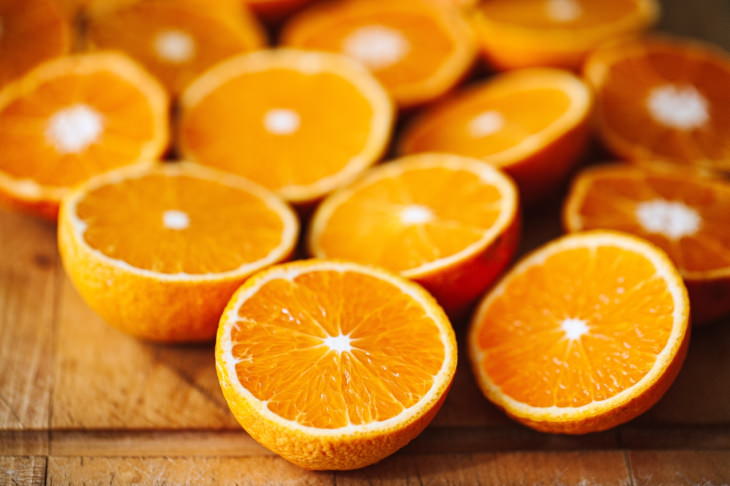
unnecessary supplements oranges halved
Vitamin C supplements are touted as a popular cold medicine, but taking excessive doses will not make you recover faster or prevent colds - according to a 2013 review article that lists a number of experiments on the subject. 
 
Generally speaking, getting the recommended 75 milligrams (mg) of vitamin C for women and 90 mg for men is very easy. Just one orange or red bell pepper contains more vitamin C than you need in a day. And taking any more of it will just be eliminated from your body through urine, so all those pricy vitamin C gummies and vitamins will literally go down the drain.  
 
Biotin
Those looking to strengthen their nails and improve hair growth often turn to biotin supplements. Supplement companies will quote studies conducted on alopecia sufferers with a biotin deficiency who saw an improvement in hair regrowth after taking a biotin supplement to market their products. But this evidence doesn’t mean that biotin will be helpful for everyone who has thinning hair or brittle nails. 
 
As Ginger Hultin, a dietitian and nutritionist, pointed out to The Healthy, “biotin, for example — unless there is an outright deficiency, it’s not proven to help.” Therefore, taking biotin if you’re not deficient in biotin won’t help regrow your hair. In fact, biotin deficiencies are rather rare because it is abundant in many everyday foods. Eggs, almonds, sunflower seeds, dairy, fish, broccoli, and spinach are just some examples. 
 
Moreover, remember that overdoing it with biotin harms the body, causing stomach upsets, skin rashes, insulin release issues, and liver and kidney damage. So it’s best to stay away from biotin supplements - unless you’re truly deficient and were prescribed one by your doctor. 
 
Most B vitamins
Like all of the nutrients we listed previously, the eight B vitamins are necessary for everyone’s health. Luckily, the majority of B vitamins, except for vitamin B12, can be easily procured from everyday foods like chicken, fish, and fruit and vegetables. Many grains are also fortified with B vitamins, which means that you’re already getting a B complex vitamin supplement built into your morning bowl of granola or a slice of whole-grain bread, even if you’re vegan. 
 
Overdosing on B vitamins can also be quite dangerous. For instance, those who take excessive amounts of vitamin B6 can get neuropathic pain in the nerves, and men who take too much of this vitamin, in particular, have a higher risk of lung cancer. 
 
There is no general recommendation to supplement any of these vitamins. All that being said, B vitamin deficiencies are a little more common than others, mainly in people who follow a vegetarian or vegan diet, older adults, and pregnant women. A general blood test will be able to show if you’re deficient in any B vitamins right away.  
 
Vitamin E
Vitamin E oil can be safely used on your skin, but beyond the topical use, medical experts are increasingly telling laypersons to stay away from vitamin E capsules and focus on food sources of vitamin E instead. This shift is spurred by recent studies linking vitamin E supplements with an increased risk of cancer and death, especially in men. 
 
The risk is the highest in people who take extremely high amounts of vitamin E - up to 400 International Units (IU) while the daily recommended intake is 22 IU. Luckily, vitamin E is very abundant in most nuts, seeds, cooking oils, and even vegetables like pumpkins, peppers, and avocados, so getting enough of it from foods isn’t a challenge at all.  
 
Calcium
Calcium is essential for strong and healthy bones, but getting this nutrient from supplements may actually be harmful. "The newest research indicates that calcium supplements may not actually get into the bone as desired, and instead can calcify arteries and soft tissues, increasing your risk of heart disease," said Dr. Lorraine Maita, a diplomate of the American Academy of Anti-Aging and Regenerative Medicine to Prevention.com. 
 
It’s also known that calcium supplements can lead to kidney stones in people at risk of this condition. Therefore, it’s so much safer to receive all the calcium you need from dairy, fish, beans, almonds, or even leafy green vegetables or broccoli.  
 
Iron
unnecessary supplements pomegranate
Iron is another type of mineral supplement you should never start taking on your own, as it can be quite dangerous. Excessive intake of iron through supplements can create grave health effects. Even a minor overdose of iron leads to constipation or digestive issues. 
 
But long-term overconsumption of this metal can damage the heart, trigger cirrhosis in the liver, and even contributes to certain cancers. So it’s highly advised to never start taking iron supplements without your doctor’s recommendation. And besides, it’s much safer to increase your iron levels through foods like dark chocolate, lentils, beef, chicken, beans, or even oysters. 
 
 Zinc 
Like Like vitamin C, zinc is often considered to boost the immune system, which is why some zinc supplements now come in the form of a nasal spray. However, the Mayo Clinic warns that taking such nasal sprays with zinc can lead to a permanent loss of smell, so please avoid these completely. According to a recent review study that encompasses 28 trials, zinc doesn’t ease or prevent the symptoms of a cold, but it can slightly shorten the duration of the symptoms. 
 
Although zinc is essential for everyone and has a plethora of health benefits, most adults get enough zinc from their diets.
 
Antioxidant Blends
unnecessary supplements berries
Antioxidants are pretty amazing, but excessive amounts of them can increase the risk of heart disease, and cancer, and they can mess with certain medications too. The problem lies within the supplements themselves, as manufacturers pack in extremely high doses of antioxidants in each pill, significantly more than you’d ever be able to take from natural sources. As the famous saying goes, the dose makes the poison. 
 
 If you want to experience all the anti-inflammatory benefits of antioxidants, it’s much better to get them from a variety of natural sources, such as fruits, vegetables, or even “guilty pleasures” like coffee or dark chocolate. 
 
Iodine
Back in the 1990s, iodine tablets and iodized salt were recommended for people all across Europe and the former USSR. The reason behind this was not the low iodine soil content in these areas of the world. It was the Chornobyl Nuclear Disaster, in the aftermath of which thyroid cancer risks have skyrocketed. Iodine supplementation was used to help prevent this life-threatening condition. 
 
And this grave example from history only goes to show that blanket iodine supplementation recommendations are not made lightly. In fact, taking too much iodine can cause an underactive thyroid, also known as hypothyroidism. Other symptoms of iodine toxicity are headaches, an upset stomach, and a runny nose. Medical experts warn that you should never take iodine supplements without your doctor’s recommendation. 
 
Multivitamins 
A multivitamin a day keeps the doctor away, right? If only things were so simple, then doctors would have recommended them to all of us. Yet, you rarely catch doctors taking multivitamins themselves, let alone recommending them to clients. The rare exceptions are some patients who have severe digestive issues like Crohn’s disease, or Celiac. Not only are multivitamins underregulated, so you never really know what they contain, but they also often contain heavy metals that our body only needs in trace amounts. Taking excessive amounts of such metals like nickel, copper, and chromium with your multivitamin makes them deposit in your tissues. In fact, some researchers even link such heavy metal deposits in the brain to dementia. 
 
The bottom line is, like any other aspect of your health, nutrient supplementation should be matched to your body, lifestyle, and individual needs. A tailored approach where your specific medical needs are met will be the best for your short- and long-term well-being.


This is only for your information, kindly take the advice of your doctor for medicines, exercises and so on.   

https://gscrochetdesigns.blogspot.com. one can see my crochet creations  
https://gseasyrecipes.blogspot.com. feel free to view for easy, simple and healthy recipes    
https://kneereplacement-stickclub.blogspot.com. for info on knee replacement


Labels: , , , , , , , , , , ,

Sunday, May 29, 2022

10 Supplements for Menopausal Women

The annoying side effects of menopause, including an increased risk of certain diseases, are all down to hormonal shifts. When estrogen drops, the risk for osteoporosis and heart disease increases – as does the tendency to suffer from symptoms such as mood changes, hot flashes, and vaginal dryness.

To combat these ailments, supplements and vitamins can be taken, but the process of deciding which ones to take can be overwhelming. Jacqui Justice, a clinical nutritionist at the NY Health & Wellness Center, says that “when it comes to supplements for menopause, there isn’t just one pill. It’s a process. It’s a complex system.” 
 
You need to keep in mind that supplements are not regulated or evaluated by the Food and Drug Administration, but you’ll often get a better-quality supplement with fewer fillers and more of the key ingredients when you purchase them through a certified practitioner.

Here are three important categories of menopausal supplements to consider: 
 
Build a Foundation 
Before you decide to start popping a bunch of supplements, it’s very important to make sure your body is primed to process them. This means a healthy gut, a well-working liver, and balanced adrenal glands. You can take as many supplements and vitamins as you like, but they won’t have a positive effect if your gut and liver aren’t functioning properly.

Probiotics 
You can ensure a healthy gut by taking a probiotic. Your gut bacteria can be affected by stress, a poor diet, antibiotics, and hormonal fluctuations due to menopause. This imbalance not only prevents your body from absorbing supplements properly, but it can also lead to symptoms such as gas and bloating, digestive issues, belly fat, and constipation. Probiotics can help improve your bowel function, assist with weight loss, and stabilize your hormones. You should aim for supplements that have at least 10 billion CFUs and at least five different strains of bacteria. 
 
Milk Thistle  
 
Next up is your liver. The liver synthesizes hormones and tells them where to go in the body. Therefore, if it’s not doing its job properly, you’re going to have a hormonal buildup. One great detoxifying ingredient is milk thistle. This helps to eliminate toxins and nourish the organ. 
 
Ashwagandha 
You also need to think about your adrenal glands. These glands sit above the kidneys and pump out estrogen, testosterone, and cortisol. However, when they’re fatigued, like they may be when you’re depressed, anxious, stressed or angry, your body decides that it’s more important to make cortisol instead of sex hormones. Ashwagandha, a herb designed to help with adrenal fatigue, hormone balancing, and improving a range of menopausal symptoms, is the fix here. 
 
Get the Basics 
If you’re a woman over the age of 50, then you need to be proactive regarding which vitamin and mineral supplements you should take. 
 
Calcium 
This is vital for bone health and is very important during menopause when the decrease in estrogen makes women more prone to osteoporosis. While the best source of calcium is food, if you’re not meeting your daily quota of 1,000 to 1,200 mg through your diet, calcium supplements are a wise choice. 
 
Vitamin D  
Not only is vitamin D great for bone health, but it’s also helps to decrease the risk of heart attacks, strokes, asthma, allergies, high blood pressure and breast cancer. It’s difficult to get vitamin D from foods and the sun, and since 75% of people are deficient in Vitamin D, it’s often advised to take vitamin D supplements. The daily recommended intake of 600 IUs is debatable since studies show that higher amounts of vitamin D are necessary for disease prevention. 
 
Multivitamins  
The best way you can get all the necessary antioxidants, minerals, and vitamins is through a well-balanced diet. However, the problem is the average diet leaves holes in your daily nutritional requirements, which means you’re missing on vital elements that your body needs to function properly. 
 
Omega-3s in Fish Oil 
The omega-3s that are found in fish oil have an effective and potent natural anti-inflammatory effect that’s key during menopause. To add to this, it also helps to preserve brain function and protect against Alzheimer’s, dementia, and cognitive delay. It’s recommended that we eat at least two servings of oily fish a week, but supplements are still required to get the aforementioned health benefits. Menopausal women should consider taking a fish oil supplement with 1,000 to 2,000 milligrams of EPA and DHA daily. 
 
Improve Your Symptoms 
If you’re still suffering from the symptoms of menopause, you might want to try one of the following supplements, which will help lessen or alleviate everything from mood swings to hot flashes, and protect against cardiovascular and mental declines. 
 
Black Cohosh  
Black Cohosh has been found to decrease hot flashes, sweating, depression, and insomnia. Black cohosh is commonly available in capsule form, as a tincture, and dried as a tea. The recommended dose ranges from 20-80mg per day, and should be taken under a doctor’s care in order to avoid drug interactions. 
 
Curcumin 
Curcumin, the active ingredient in turmeric, can provide you with anti-inflammatory, antitumor, antidepressant, and antioxidative benefits. It has been found to have very few side effects, but it can also be tricky for the body to absorb. When deciding which curcumin supplements to take, be sure to choose one with black pepper extract or piperine, as these have been shown to aid in absorption. 
 
Coenzyme Q (10)  
This antioxidant helps convert food into energy and is needed for basic cell functioning. While it is made within the body, production decreases rapidly with age. Studies have also suggested that COQ10 may lessen cognitive decline in postmenopausal women and can be important for women taking hormone replacement therapy, blood pressure or thyroid medication – all of which can deplete COQ10 levels further.


This is only for your information, kindly take the advice of your doctor for medicines, exercises and so on.   

https://gscrochetdesigns.blogspot.com. one can see my crochet creations  
https://gseasyrecipes.blogspot.com. feel free to view for easy, simple and healthy recipes    
https://kneereplacement-stickclub.blogspot.com. for info on knee replacement

Labels: , , , , , , , , , ,