Wednesday, January 06, 2021

6 Nutrition Tips From Experts to Ensure Better Sleep

Trouble sleeping is becoming more and more widespread these days, with as many as 68% of Americans reporting they struggle to sleep at least once a week. Whether this is due to stress, the ongoing pandemic, or other factors, this can be a very pestering problem. The solution, however, can be easier than you’d think. Just a few tweaks in your diet could lead to a better night’s sleep, according to experts.

Though no particular food is a magic cure, there is a definite link to the food and drinks we consume during the day and the quality of our sleep. ‘Sufficient’ sleep will vary from person to person - some people need as much as 10 hours while others require as little as six. Many experts define sleep as ‘good’ simply if it results in you waking up feeling rested. Here are a few nutrition tips that will help you achieve that coveted feeling. 
 
1. Keep track of your melatonin and tryptophan consumption
Melatonin is a natural hormone produced by the body, which is sometimes referred to as the ‘sleep hormone’. “Melatonin is a hormone that your brain produces in response to darkness. It helps with the timing of circadian rhythms and with sleep,” explained a dietitian nutritionist
Although it's a naturally produced hormone, you can also increase levels of melatonin by consuming foods that are rich in it. Those include almonds, fish, and cherries, to name a few. Tryptophan, an amino acid that increases the production of melatonin can also be attained through food. It is most commonly associated with turkey meat, but it can also be found in foods like cottage cheese and plain yogurt.

If you’re consuming a large portion of melatonin-rich foods, it is recommended to do so at least an hour or 30 minutes before going to bed, as it is the amount of time it takes for melatonin to have an effect on the body. 
 
2. Opt for whole foods rich in fiber, and avoid processed foods
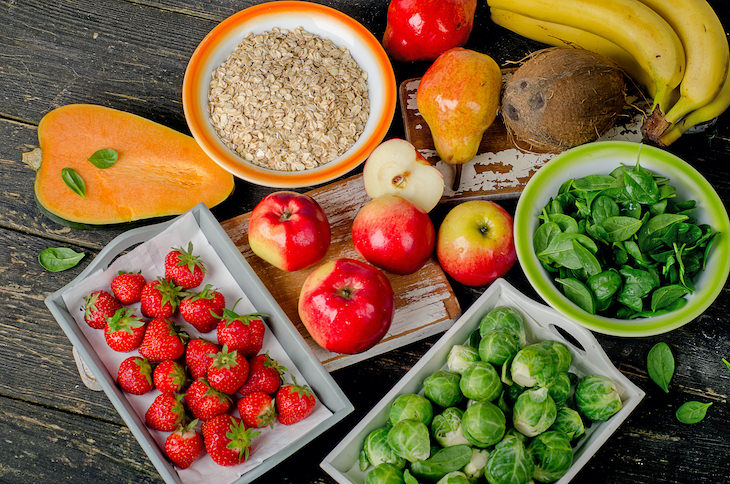
6 Dietary Tips for Better Sleep, fiber rich food
Whole foods packed with fiber have a myriad of health benefits, and one of them is keeping your stomach happy at night. Complex carbohydrates that are slow-digesting help keep the body balanced and settle the digestive system. Legumes, squash, quinoa, and buckwheat are all good examples of such food. 
 
On the other hand, processed carbs and foods that contain mich added sugar such as bread, cereals, muffins, and cookies prompt a short-term spike in blood sugar, followed by a crash. When blood sugar levels drop sharply adrenalin, glucagon, and cortisol are released to regulate blood glucose levels. All of these hormones can act as stimulants, causing you to sleep less restfully or struggle to fall asleep. 
 
3. Time your meals correctly
It isn’t just what you eat, but when you eat it, too. “Allow two hours or more between your last bite of food and bed, no matter what you choose to eat, and one hour before when it comes to beverages,” is the advice of Kylene Bogden, a registered dietitian-nutritionist and wellness adviser. 
 
Moreover, try to space out your meals four to five hours apart so your body has time to digest the food.

4. Stay away from sugar and caffeine

We aren't saying that you should cut out coffee and chocolate from your life completely, that could be an extremely difficult task for some of us, but try to restrict those indulgences to the first half of the day. Since it takes the body about six hours to metabolize caffeine, drinking or eating foods with caffeine is not recommended within several hours before lights out. 
 
We must note decaffeinated beverages aren’t a good substitute, as they still contain stimulants that can disrupt your sleep. The same is true for sugar, which gives the body a temporary energy boost and should be avoided up to 6 hours before you go to bed.

5. Drink a caffeine-free hot beverage in the evening
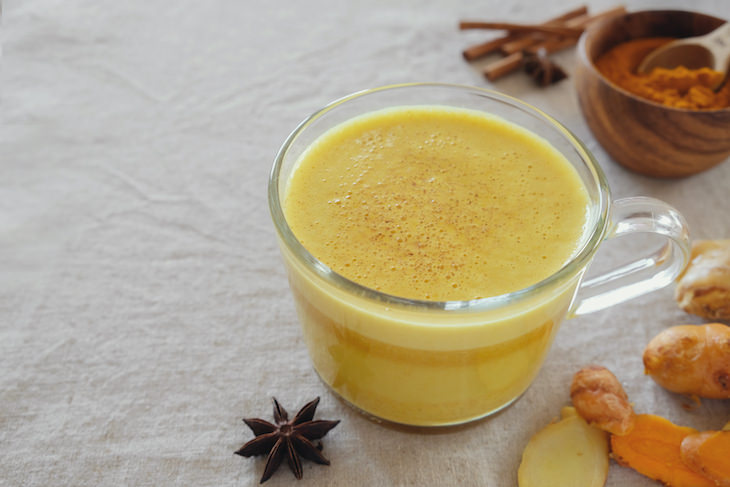
6 Dietary Tips for Better Sleep, golden milk
The sleep benefits of a ‘glass of warm milk’ aren’t entirely a myth. Drinking a warm caffeine-free beverage in the evening can indeed do wonders to your quality of sleep. 
 
Chamomile tea is a good option, as it was also found to reduce anxiety in humans. Another recommended drink is golden milk - turmeric-based almond milk with dates, as a sweetener. Turmeric is a powerful, anti-inflammatory spice that promotes a sense of calm and aids in digestion, thereby enhancing sleep quality. While golden milk can also be made with regular cow’s milk, experts strongly recommend opting for a plant-based milk variety, as cow’s milk can be inflammatory for some people (bloating really isn’t optimal for sleeping). 
 
6. Keep spicy food at a minimum

6 Dietary Tips for Better Sleep, spicy
Spicy dishes can be irritating as they work their way through your digestive system, which can result in discomfort or even pain, as the food moves through your gastrointestinal tract. 
 
If you’re a fan of spicy food, you can still have your favorite dishes, but perhaps not as the last meal of the day. If you want some spice in your dinner, experts recommend to bring it to a minimum and not make it the dominant feature of the meal, as to not compromise your sleep.

This is only for your information, kindly take the advice of your doctor for medicines, exercises and so on.     

https://gscrochetdesigns.blogspot.com. one can see my crochet creations  
https://gseasyrecipes.blogspot.com. feel free to view for easy, simple and healthy recipes    
https://kneereplacement-stickclub.blogspot.com. for info on knee replacement

Labels: , , , , , , , ,

Saturday, November 02, 2019

Health benefits of Pumpkin seeds

Pumpkin seeds are a perfect choice for a healthy snack to munch on during boring afternoons. They are not just tasty, but immensely healthy. These seeds can be called as the nutritional powerhouse that are packed with nutrients, which are required for the overall nourishment of health.
Some of the most impressive benefits of pumpkin seeds include:
  1. Magnesium for a healthy heart - One-fourth cup of pumpkin seeds contains about half of the regularly suggested intake of magnesium which in turn helps the body in performing a wide range of vital physiological functions. When an individual takes the required amount of magnesium, it boosts the production of ATP, synthesis of RNA molecules, rhythmic pumping of the heart, proper formation of the tooth and bone and relaxation of the veins and vessels carrying blood. It has been shown that eating pumpkin seeds regularly keeps the blood pressure under control and reduces the risk of heart attack and stroke as well.
     
  2. Zinc for assisting immunity - Pumpkin seeds are also a good source of zinc, and one ounce of this seed contains about 2 mg of the mineral. Zinc is essential for the body for a host of reasons such as immunity, growth of cells, proper sleep, lifting mood, replenishing the senses and is critical to eye and skin health. It is also known to help in regulating insulin levels and improving male sexual power. Quite many people around the world do not get the right supply of this beneficial mineral due to mineral depletion of soil, the effects of harmful drugs and consumption of plant-based diets. One can consume pumpkin seeds daily to combat common health issues such as cold and flu, depression, skin problems and acne and chronic fatigue.
     
  3. Omega-3 fatty acids to control cholesterol - Nuts and seeds including pumpkin seeds are known to be viable sources of Omega-3 fatty acids or alpha-linolenic acid. It is required by all individuals and the body then converts it to the more useful fats called the DHA and EPA. By eating an ounce of pumpkin seeds every day, one can intake an excellent source of good cholesterol.
     
  4. Tryptophan for restful sleep - Tryptophan belongs to the amino acid group. This is a protein  building block found in abundance in the pumpkin seeds. This tryptophan is converted into serotonin by the body which in turn is transformed into melatonin or the sleep hormone. Those who have trouble sleeping can take a handful of pumpkin seeds along with some fruit pieces right before going to bed to see desirable results. The pumpkin seeds will supply the body with the required amount of tryptophan which will be converted to the sleep hormone and promote a restful sleep all through the night.
The pumpkin seeds can be stored and carried easily and require no refrigeration. Charged with a lot of nutrients ranging from copper to manganese, zinc to protein, pumpkin seeds should be considered as a healthy snack that can regularly be taken to enjoy a host of health advantages.

this is only for your information, kindly take the advice of your doctor for medicines, exercises and so on.     
https://gscrochetdesigns.blogspot.com. one can see my crochet creations  
https://gseasyrecipes.blogspot.com. feel free to view for easy, simple and healthy recipes    
https://kneereplacement-stickclub.blogspot.com. for info on knee replacement


Labels: , , , , , , , , , , ,

Wednesday, July 31, 2019

Essential Amino Acids: Definition, Benefits and Food Sources

Amino acids, often referred to as the building blocks of proteins, are compounds that play many critical roles in your body.

They're needed for vital processes like the building of proteins and synthesis of hormones and neurotransmitters.

Some may also be taken in supplement form for a natural way to boost athletic performance or improve mood.

They’re categorized as essential, conditionally essential or nonessential depending on several factors.
This article tells you everything you need to know about essential amino acids, including how they function, possible food sources and the benefits of taking a supplement.

Amino acids are organic compounds composed of nitrogen, carbon, hydrogen and oxygen, along with a variable side chain group.

Your body needs 20 different amino acids to grow and function properly. Though all 20 of these are important for your health, only nine amino acids are classified as essential.

These are histidine, isoleucine, leucine, lysine, methionine, phenylalanine, threonine, tryptophan  and valine.

Unlike nonessential amino acids, essential amino acids can’t be made by your body and must be obtained through your diet.

The best sources of essential amino acids are animal proteins like meat, eggs and poultry.
When you eat protein, it’s broken down into amino acids, which are then used to help your body with various processes such as building muscle and regulating immune function.

Conditionally Essential Amino Acids

There are several nonessential amino acids that are classified as conditionally essential.

These are considered to be essential only under specific circumstances such as illness or stress.
For example, although arginine is considered nonessential, your body can’t meet demands when fighting certain diseases like cancer.

That’s why arginine must be supplemented through diet in order to meet your body’s needs in certain situations.
Summary The nine essential amino acids can’t be produced by your body and must be obtained through your diet. Conditionally essential amino acids are only essential under special circumstances like illness.

The nine essential amino acids perform a number of important and varied jobs in your body:
  1. Phenylalanine: Phenylalanine is a precursor for the neurotransmitters tyrosine, dopamine,  epinephrine and norepinephrine. It plays an integral role in the structure and function of proteins and enzymes and the production of other amino acids .
  2. Valine: Valine is one of three branched-chain amino acids, meaning it has a chain branching off to one side of its molecular structure. Valine helps stimulate muscle growth and regeneration and is involved in energy production .
  3. Threonine: Threonine is a principal part of structural proteins such as collagen and elastin, which are important components of the skin and connective tissue. It also plays a role in fat metabolism and immune function .
  4. Tryptophan: Though often associated with causing drowsiness, tryptophan has many other functions. It’s needed to maintain proper nitrogen balance and is a precursor to serotonin, a neurotransmitter that regulates your appetite, sleep and mood.
  5. Methionine: Methionine plays an important role in metabolism and detoxification. It’s also necessary for tissue growth and the absorption of zinc and selenium, minerals that are vital to your health.
  6. Leucine: Like valine, leucine is a branched-chain amino acid that is critical for protein synthesis and muscle repair. It also helps regulate blood sugar levels, stimulates wound healing and produces growth hormones.
  7. Isoleucine: The last of the three branched-chain amino acids, isoleucine is involved in muscle metabolism and is heavily concentrated in muscle tissue. It’s also important for immune function, hemoglobin production and energy regulation .
  8. Lysine: Lysine plays major roles in protein synthesis, hormone and enzyme production and the absorption of calcium. It’s also important for energy production, immune function and the production of collagen and elastin .
  9. Histidine: Histidine is used to produce histamine, a neurotransmitter that is vital to immune response, digestion, sexual function and sleep-wake cycles. It’s critical for maintaining the myelin sheath, a protective barrier that surrounds your nerve cells .
As you can see, essential amino acids are at the core of many vital processes.

Though amino acids are most recognized for their role in muscle development and repair, the body depends on them for so much more.

That’s why essential amino acid deficiencies can negatively impact your entire body including your nervous, reproductive, immune and digestive systems.
Summary All nine essential amino acids perform varied roles in your body. They’re involved in important processes such as tissue growth, energy production, immune function and nutrient absorption.

While essential amino acids can be found in a wide array of foods, taking concentrated doses in supplemental form has been linked to several health benefits.

May Help Improve Mood and Sleep

Tryptophan is needed for the production of serotonin, a chemical that acts as a neurotransmitter in your body.

Serotonin is an essential regulator of mood, sleep and behaviors.

While low serotonin levels have been linked to depressed mood and sleep disturbances, several studies have shown that supplementing with tryptophan can reduce symptoms of depression, boost mood and improve sleep.

A 19-day study in 60 older women found that 1 gram of tryptophan per day led to increased energy and improved happiness, compared to a placebo.

Can Boost Exercise Performance

The three branched-chain essential amino acids are widely used to alleviate fatigue, improve athletic performance and stimulate muscle recovery after exercise.

In a study in 16 resistance-trained athletes, branched-chain amino acid supplements improved performance and muscle recovery and decreased muscle soreness, compared to a placebo.

A recent review of eight studies found that supplementing with branched-chain amino acids was superior to rest in promoting muscle recovery and reducing soreness after exhaustive exercise.

Additionally, taking 4 grams of leucine per day for 12 weeks increased strength performance in untrained men, showing that essential amino acids can benefit non-athletes as well.

Can Prevent Muscle Loss

Muscle loss is a common side effect of prolonged illnesses and bed rest, especially in older adults.
Essential amino acids have been found to prevent muscle breakdown and preserve lean body mass.

A 10-day study in 22 older adults on bed rest showed that those who received 15 grams of mixed essential amino acids maintained muscle protein synthesis, while the process decreased by 30% in the placebo group.

Essential amino acid supplements have also been found to be effective in preserving lean body mass  in elderly people and athletes .

May Promote Weight Loss

Some human and animal studies have demonstrated that branched-chain essential amino acids may be effective in stimulating fat loss.

For example, an eight-week study in 36 strength-trained men found that supplementing with 14 grams of branched-chain amino acids per day significantly decreased body fat percentage, compared to whey protein or a sports drink .

A study in rats showed that a diet composed of 4% supplemental leucine reduced body weight and fat.

However, other studies investigating the potential link between branched-chain amino acids and weight loss have been inconsistent. More studies are needed to determine if these amino acids can promote weight los .
Summary Supplementing with certain essential amino acids may help improve mood, boost exercise performance, prevent muscle loss and promote weight loss.

Since your body cannot produce essential amino acids, they must be provided through your diet.
Fortunately, many foods are rich in essential amino acids, making it easy to meet your daily needs.
The US recommended daily allowances per 2.2 pounds (1 kg) of body weight for the nine essential amino acids are :
  • Histidine: 14 mg
  • Isoleucine: 19 mg
  • Leucine: 42 mg
  • Lysine: 38 mg
  • Methionine (+ the non-essential amino acid cysteine): 19 mg
  • Phenylalanine (+ the non-essential amino acid tyrosine): 33 mg
  • Threonine: 20 mg
  • Tryptophan: 5 mg
  • Valine: 24 mg
Foods that contain all nine essential amino acids are referred to as complete proteins.
Complete protein sources include:
  • Meat
  • Seafood
  • Poultry
  • Eggs
  • Dairy Products
Soy, quinoa and buckwheat are plant-based foods that contain all nine essential amino acids, making them complete protein sources as well.

Other plant based sources of protein  like beans and nuts are considered incomplete, as they lack one or more of the essential amino acids.

However, if you’re following a plant-based diet, you can still ensure proper intake of all essential amino acids as long as you eat a variety of plant proteins each day.

For example, choosing a variety of incomplete proteins such as beans, nuts, seeds, whole grains and vegetables can ensure that your essential amino acid needs are met, even if you choose to exclude animal products from your diet.
Summary Both animal and plant products, such as meat, eggs, quinoa and soy, can contain all nine essential amino acids and are considered complete proteins.

There are nine essential amino acids, which you must get through your diet: histidine, isoleucine, leucine, lysine, methionine, phenylalanine, threonine, tryptophan and valine.

They’re vital for functions such as protein synthesis, tissue repair and nutrient absorption.

Some may also prevent muscle loss and improve mood, sleep, athletic performance and weight loss.
Fortunately, these vital compounds are found in many animal-and-plant=based-foods, helping you meet your daily needs through a healthy and balanced diet.

THIS IS ONLY FOR INFORMATION, ALWAYS CONSULT YOU PHYSICIAN BEFORE HAVING ANY PARTICULAR FOOD/ MEDICATION/EXERCISE/OTHER REMEDIES.                                    PS- THOSE INTERESTED IN RECIPES ARE FREE TO  VIEW MY BLOG-                                                                                           https://gseasyrecipes.blogspot.com/                                                                                                                                                FOR INFO ABOUT KNEE REPLACEMENT, YOU CAN VIEW MY BLOG-                                                  https:// kneereplacement-stickclub.blogspot.com/                                                                      FOR CROCHET DESIGNS                                                                                                    
                                https://gscrochetdesigns.blogspot.com

Labels: , , , , , , , , , , , , ,

Friday, December 21, 2018

Foods To Eat When You Are Depressed

Depression is a common mood disorder that many people experience throughout their lives. Depression ranges from mild to severe and can be triggered by genetics, hormones, illnesses, stress and even your diet.

Depression affects your mood, ability to handle daily activities and ability to think clearly. It can even lead to suicide.

Can food cure depression? Researchers have developed an “Antidepressant Food Score” ranking 34 different nutrients as to their effectiveness in treating and preventing depression. Twelve of these are known to have positive affects on depressive disorders.

A word of advice. Don’t change depression medications without consulting your doctor first! You may feel better, but you must wean off depression meds carefully. Read on to discover foods that may help you fight depression.

B Vitamins – folate, B12 and B6

The array of vitamins Bs are very important. They can prevent some birth defects, help you to convert food into energy, and help with brain functions, among many other uses. Dark green leafy  vegetables are particularly rich in folate.  People with low folate levels often have depression or poor anti-depressant response.
Folate: watercress, spinach, broccoli, mustard greens, kale, lettuce (not iceberg!), and swiss chard.
B 12: fish, meat, poultry, eggs and milk products
B 6: seafood, lean meats and poultry, eggs, legumes, nuts, and seeds. 
Vitamin D and Resulting Hormones

Low levels of Vitamin D have been linked to depression. Scientists believe that Vitamin D help convert amino acid tryptophan into serotonin. Try to eat Vitamin D instead of taking supplements but limit supplemental intake to 600IUs for adults under 70.
Trytophan: nuts, seeds, tofu, cheese, red meat, chicken, turkey, fish, oats, beans, lentils, and eggs.
Seratonin: eggs, cheese, pineapples, tofu, salmon, nuts, seeds, and turkey
Vitamin D: fatty fish, beef liver, cheese, egg yolks, Vitamin D fortified foods

Zinc, Magnesium, and Selenium

 Zinc is important for proper immune system function and cellular metabolism. Researchers don’t know if low zinc levels cause depression or depression causes deficiency. Magnesium regulates muscle and nerve function.  Selenium is needed for thyroid function.  

 Zinc: oysters, red meat, crab and lobster, baked beans, pork, poultry, nuts, oatmeal, and beans. 

Magnesium:nuts, seeds, beans, avocados, brown rice, oatmeal, spinach, whole grain bread and yogurt

Selenium: brazil nuts (8 per week), fatty fish, ham, red meat, poultry, brown rice, eggs, beans, 
spinach

Beta-Carotenes and Vitamin A


Beta carotene give brilliant color to fruits and vegetables like pumpkins, apricots, cantaloupes, and carrots. They are anti-oxidants and help remove free radicals from your body. Your body also converts beta-carotene into Vitamin A. Increasing intake of beta-carotenes has been shown to improve depression and lower anxiety.
Beta carotene: carrots, apricots, broccoli, cantaloupe, collards, peaches, pumpkin and other squashes, dark leafy greens, sweet potato,
Vitamin A: beef and lamb liver, cod liver oil, fatty fish, goat cheese, eggs.

Omega-3 Fatty Acids

Omega 3 fatty acids are the most important fats you can eat. You need them for brain and heart health, to fight chronic inflammation, and a host of other benefits. Every time we refer to fatty fish, we are talking about oily fish like salmon and you can’t find a better omega-3 source than fatty fish.

Omega 3- fatty fish, cod liver oil, oysters, flaxseeds, chia seeds, nuts, pastured or omega-3-enriched eggs, grass-fed meats and dairy products, hemp seeds, spinach, avocado, and Brussels sprouts.

Fermented Foods and Probiotics

As anyone who has had an upset stomach knows, your gut has a direct line to your brain (and visa versa). Serotonin, a mood boosting hormone discussed above, is produced in the gut. A happy gut creates lots of serotonin. The probiotics – live good bacteria and yeasts – in fermented foods may fight depression and anxiety.
Fermented foods: kefir, kombucha, sauerkraut, pickles, miso, tempeh, natto, kimchi, soft goat milk, sheep milk cheeses, Greek yogurt, and pickled vegetables.

Tyrosine, Phenylalanine, and Dopamine
Tyrosine  is an amino acid that your body uses to create dopamine. This hormone controls your brains pleasure center. There may be a link between low levels of tyrosine and depression.
You can also create tyrosine from phenylalanine. You can increase production of dopamine (and serotonin) by exercising, so help your diet create more dopamine by working out.
Tyrosine and Phenylalanine: parmesan cheese, soy foods, lean beef, pork, and lamb, fatty fish, poultry, seeds, nuts, eggs, beans, whole grains, bananas, and avocados.

Flavonoids

Flavonoids give plants brilliant colors, like carotenoids, and there are more than 6,000. They are antioxidants that fight chronic inflammation and boost your immune system.

Researchers think that removing free radicals helps fight depression. If you like chocolate, dark chocolate (75% or higher cocoa) is high in flavonoids and may lower risk of depression particularly in older women.
Flavonoids: dark chocolate, berries, dark beans (black or kidney beans, etc.), red wine (in moderation), and black, green and red teas.
  
Potassium and Iron
Low potassium  levels are associated with depression and are linked with serotonin pathways. Increasing your potassium levels may have an immediate result in depressed feelings. Iron is important in healthy blood and red blood cell levels. Women tend to have more iron deficiency than men. Men should talk to their doctor before supplementing iron.
Potassium: beans, dark leafy greens, sweet potatoes, apricots, winter squash, yogurt, salmon, avocados, nuts, bananas, carrots.
Iron:  shellfish, spinach, liver and organ meat, legumes, seeds, and lean red meat.

 Vitamin E

Vitamin E is an antioxidant that lowers levels of chronic inflammation that is linked to depression. Researchers found that even a tiny increase in Vitamin E levels can reduce depression and anxiety. If you are stressed and depressed, Vitamin E may be the most powerful stress buster you can find.

Vitamin E- wheat germ oil, seeds, nuts, hazelnut oil, fatty fish, avocado, sweet red peppers, lobster, mango, berries, and apricots

Vitamin C

Everyone knows that Vitamin C is important in fighting off colds, preventing the age-old scourge of scurvy, and preventing strokes. Turns out a deficiency can cause neurological damage. Adding Vitamin C and improve symptoms of anxiety, depression and bipolar disorder. In fact, in mice Vitamin C acted as well as Prozac for stress-related depression. Who knows, maybe it works as well in humans!
Vitamin C- oranges, grapefruit, guava, sweet yellow peppers, kale, kiwis, broccoli, persimmons, strawberries, and chili peppers.

You’ll notice that a lot of these foods show up on several lists. Eating them as minimally processed as possible for best results.
Studies show that eliminating sweets, refined and fried food, processed meats, and sugary drinks while upping intake of fresh fruit and veggies, whole grains, legumes, fish, lean red meats, olive oil, and nuts has decreased depression symptoms in subjects by 33%. People in the study getting only social support only 8% reported improvements.

 THIS IS ONLY FOR INFORMATION, ALWAYS CONSULT YOU PHYSICIAN BEFORE HAVING ANY PARTICULAR FOOD/ MEDICATION/EXERCISE/OTHER REMEDIES.                                                                                
 PS- THOSE INTERESTED IN RECIPES ARE FREE TO  VIEW MY BLOG-                                                                                           https://gseasyrecipes.blogspot.com/                                                                                                                                                                             FOR INFO ABOUT KNEE REPLACEMENT, YOU CAN VIEW MY BLOG-                                               
     https:// kneereplacement-stickclub.blogspot.com/                                                                                     
  FOR CROCHET DESIGNS                                                                                                                                                                                                                                 https://gscrochetdesigns.blogspot.com


Labels: , , , , , , , , , , , , , , , , , ,