Monday, November 26, 2018

The 8 Worst Eating Habits for Cholesterol

We all know that there are two types of cholesterol- LDL, the bad cholesterol and HDL, the good one. If one has more LDL, then more likelihood of getting heart diseases, stroke.

1) Your diet lacks soluble fiber

If your LDL levels are already high, eating foods rich in this type of fiber, such as beans, lentils, whole grains, oats, fruits, and veggies can help to lower your levels. These foods bind to cholesterol and remove it from your body, says an expert. Add fruits and vegetables to every meal and snack, top salads with beans, and start your morning off with whole oats. 

2) You love fried foods, baked goods, and packaged foods

Many of these foods contain trans fats, which can increase bad cholesterol levels and lower good cholesterol levels. While you can search for “trans fats” on the nutrition label, according to U.S. labeling rules, if a food contains less than 0.5 grams per serving, it can be labeled as 0 on the packaging. So even if you eat three servings of a food that is “trans-fat free” you could still be consuming them. The phrase “partially hydrogenated oils” will appear in the ingredient list if a food contains trans fat, says the expert. Common culprits that contain trans fats include baked goods (like cookies and cakes), snack foods (like microwave popcorn), fried foods, and margarine. Instead of eating these foods high in cholesterol, you're better off making baked goods at home. Try swapping out oils and margarine in recipes for unsweetened applesauce or mashed bananas.  

3) Your only source of dairy is the milk in your coffee

Increasing the amount of calcium in your diet can increase HDL “good” cholesterol and decrease total and LDL cholesterol concentrations, according to research. Dairy products are the richest source of calcium with hard cheese having the highest concentration levels. Incorporate low-fat or fat-free milk, cheese, and yogurt as part of your meals and snacks.  

4)You skip fish

Certain types of fish—like salmon, mackerel, trout, and herring—contain higher amounts of omega-3 fatty acids, “good fats” that don't affect LDL cholesterol levels. Omega-3 fatty acids also help to increase "good" cholesterol, reducing your triglycerides, a type of fat in your blood, and reducing blood pressure, according to doctors. Aim to eat a 3.5-ounce serving of fish at least twice per week, preferably those higher in omega-3 fatty acids. Ask for salmon as the protein on your salad at lunch or grill up a salmon burger when you’re barbecuing this season. 

5)You choose the fattiest steak on the menu

Guilty of always ordering the T-bone or rib eye? Swap those foods high in cholesterol out for a cut of beef that’s better for your heart. To reduce the level of saturated fats you consume, look for lean cuts of meat, suggests the Dr. She says there are 38 cuts of beef that are lean—key words to look for include “loin,” “sirloin,” or “round.” If you’re cooking steak at home, trim off as much fat as you can before cooking, and pour off the melted fat after cooking. Baking, broiling, stewing, and grilling are healthier ways to prepare meats. It’s also a good idea to avoid organ meat (like liver and kidney), which tend to be high in cholesterol.

6) You’re not eating healthy fats

 If your doctor says you have high cholesterol, it means the LDL reading (bad cholesterol) is building up and may cause blockages in your arteries. A healthy cholesterol reading from a blood test is less than 200 mg/dL. “While it used to be thought that eating cholesterol-rich foods would raise blood cholesterol levels, we now know that consuming too many saturated fats and not enough unsaturated, heart-healthy fats is what actually affects blood cholesterol levels the most,” says an expert. Eating foods that contain monounsaturated fats and polyunsaturated fats can help prevent and manage high levels of “bad” LDL cholesterol and triglycerides while increasing “good” HDL cholesterol levels, says the Dr. Drizzle some olive oil or sunflower oil on salads and veggies since both are good sources of monounsaturated fats and polyunsaturated fats. 

7)You think protein shakes are just for Cross-Fit fanatics

Not just the choice of bodybuilders after an intense lifting session, whey protein may have some of the same health benefits of dairy, according to experts. When study subjects consumed whey protein as a supplement, it lowered both LDL and total cholesterol. 

8) You toast more than most

Drinking too much alcohol can raise your cholesterol. Men should have no more than two alcoholic drinks per day, and women only one. And better cholesterol is only one of the many good things that'll happen to your body if you cut back on alcohol.

THIS IS ONLY FOR INFORMATION, ALWAYS CONSULT YOU PHYSICIAN BEFORE HAVING ANY PARTICULAR FOOD/ MEDICATION/EXERCISE/OTHER REMEDIES.                                                                                                                                                                                                                                                                                        PS- THOSE INTERESTED IN RECIPES ARE FREE TO  VIEW MY BLOG-                                                                                           https://gseasyrecipes.blogspot.com/                                                                                                                                                                             FOR INFO ABOUT KNEE REPLACEMENT, YOU CAN VIEW MY BLOG-                                                                                                                             https:// kneereplacement-stickclub.blogspot.com/                                                                                       FOR CROCHET DESIGNS                                                                                                                                                                                                                                 https://gscrochetdesigns.blogspot.com


Labels: , , , , , , , , , , , , , ,

8 Subtle Signs You’re Eating too Much Bad Fat

Too much bad fat—saturated and trans—can lead to more than weight gain. But how much is too much? If any of the following signs sound familiar, it might be time to change your diet.

 You keep having “senior moments”

If you struggle to remember names, dates, or what you ate for breakfast this morning, you might want to take a look at your diet. Researchers from Brigham and Women’s Hospital in Boston, Massachusetts analyzed the diets of 6,000 women over the age of 65 and found that those who consumed the highest amount of saturated fat had worse overall memory and cognition over four years of testing. Swap out saturated fat-heavy butter and red meat for olive oil and fish, rich in “good” mono- and poly-unsaturated fats, known to help protect against mental decline.

Nutrition labels?

Trans fat, the worst type of dietary fat, is the sneakiest because it can hide in plain sight if you don’t know what to look for; and if you throw items in your shopping cart without glancing at the labels, you could ingest way too much. “People might be eating a lot of trans fat without even realizing it, depending on which processed foods they buy,” says  a senior dietitian. Trans fat is often listed on the ingredient list as “partially hydrogenated oil.” It wreaks havoc on your body by increasing the amount of bad LDL cholesterol in the bloodstream and reducing the amount of good HDL cholesterol. It also triggers inflammation, which has been linked to heart disease, stroke, and diabetes. Foods commonly containing transfat  include packaged items like cookies, crackers, chips, doughnuts, some frozen meals, pie crust, stick margarine, and coffee creamer.

You think all fats are equal

“Not knowing what types of fats are healthier than others is a big reason people might eat too much of the bad,” says the dietitian. Saturated fat, the bad kind, is found in red meat, whole milk, cheese, butter, and poultry with the skin on. It’s also found in some oils that people mistake for super-healthy, such as coconut. “Olive oil, sunflower oil, and flaxseed oil are better for you,” she says.

You're constantly popping antacids

If you take your morning coffee with a side of Tums, it could be a sign you’re eating too much fat. Saturated fat takes longer to digest, so when you eat a fatty meal, indigestion and heartburn can bubble up the next day when excess stomach acid splashes back into your esophagus.

You're a fried food junkie

French fries and chicken wings might be treats for your taste-buds, but not for the rest of your body. Deep fried foods are packed with trans fat, which throw your good and bad cholesterol levels out of whack and can even make you insulin resistant, increasing your risk of developing type 2 diabetes. And it doesn’t take long for your health to take a hit: Harvard researchers found that for every 2 percent of calories from trans fat daily, the risk of heart disease rises by 23 percent.

You have high cholesterol

If your cholesterol levels are higher than your doc would like, don't assume only your genetics are to blame. Saturated fat drives up levels of bad cholesterol in your blood, which can increase your chance of developing heart diseases. If your cholesterol is high, be mindful of how much red meat, eggs, and fatty dairy you consume; and follow the doctor’s recommendation of no more than 11 to 13 grams of saturated fat a day for a 2,000 calorie diet.

You cook everything in butter

If you try to mimic your favorite TV chef in your own kitchen, you’ll likely find butter makes a frequent appearance. But beware—just two tablespoons of butter contains 23 grams of fat, almost all of it unhealthy saturated fat. Leave the butter for your toast and use olive oil, which is filled with healthy monounsaturated fat, for cooking.

Your favorite pants feel snugger and snugger

Consuming too much of anything unhealthy makes weight gain more likely, but especially when it comes to saturated fat. A small  study found that participants who ate a large amount of saturated fat (in the form of muffins) over the course of seven weeks gained more belly fat than those who ate muffins made with polyunsaturated fat. 

THIS IS ONLY FOR INFORMATION, ALWAYS CONSULT YOU PHYSICIAN BEFORE HAVING ANY PARTICULAR FOOD/ MEDICATION/EXERCISE/OTHER REMEDIES.                                                                                                                                                                                                                                                                                        PS- THOSE INTERESTED IN RECIPES ARE FREE TO  VIEW MY BLOG-                                                                                           https://gseasyrecipes.blogspot.com/                                                                                                                                                                             FOR INFO ABOUT KNEE REPLACEMENT, YOU CAN VIEW MY BLOG-                                                                                                                             https:// kneereplacement-stickclub.blogspot.com/                                                                                       FOR CROCHET DESIGNS                                                                                                                                                                                                                                 https://gscrochetdesigns.blogspot.com


Labels: , , , , , , , , , , , , , , ,

Monday, December 05, 2016

Eating handful of nuts a day can keep the doctor away

A handful of nuts a day can help to keep the doctor - and the undertaker - away, research has shown.

People consuming at least 20 grams of nuts daily were less likely to develop potentially fatal conditions such as heart disease and cancer, the study found.

Being nuts about nuts reduced the risk of heart disease by nearly 30%, the risk of cancer by 15%, and the risk of premature death by 22%.


The same amount of nuts - equivalent to a handful - was also associated with a halving of the risk of dying from a respiratory disease. Diabetes risk was cut by nearly 40%.

Study co-author Dagfinn Aune, from Imperial College London, said: “In nutritional studies, so far much of the research has been on the big killers such as heart diseases, stroke and cancer, but now we're starting to see data for other diseases.

“We found a consistent reduction in risk across many different diseases, which is a strong indication that there is a real underlying relationship between nut consumption and different health outcomes. It's quite a substantial effect for such a small amount of food.”

The team, whose findings appear in the journal BMC Medicine, analysed published data on more than 800,000 participants from around the world.

The study covered all kinds of tree nuts, such as hazelnuts and walnuts, as well as peanuts, which are technically legumes.
Mr Aune added: “Nuts and peanuts are high in fibre, magnesium, and polyunsaturated fats - nutrients that are beneficial for cutting cardiovascular disease risk and which can reduce cholesterol levels.

“Some nuts, particularly walnuts and pecan nuts, are also high in antioxidants, which can fight oxidative stress and possibly reduce cancer risk.

“Even though nuts are quite high in fat, they are also high in fibre and protein, and there is some evidence that suggests nuts might actually reduce your risk of obesity over time.”


  this is only for your information, kindly take the advice of your doctor for medicines, exercises and so on.


https://gscrochetdesigns.blogspot.com. one can see my crochet creations

https://gseasyrecipes.blogspot.com. feel free to view for easy, simple and healthy recipes

https://kneereplacement-stickclub.blogspot.com. for info on knee replacement


Labels: , , , , , , , , ,

Friday, April 15, 2016

Eating more of polyunsaturated fat from vegetable oil linked to increased risk of death

THIS IS ONLY FOR INFORMATION, ALWAYS CONSULT YOUR PHYSICIAN BEFORE HAVING ANY PARTICULAR FOOD/ MEDICATION/EXERCISE/OTHER REMEDIES.


FOR INFO ABOUT KNEE REPLACEMENT, YOU CAN VIEW MY BLOG
HTTP://KNEE REPLACEMENT-STICK CLUB.BLOGSPOT.COM/

FOR CROCHET DESIGNS- http://My Crochet Creations.blogspot.com/


A new analysis of never published trial data from the 1960s and 70s has raised doubts of a very popular suggestion eating healthy fats from vegetable and seed oils and less of bad oils from red meat and dairy products will maintain our good heart health.

In fact, the new study suggests that some people who eat more of fats from vegetable and seed oils and especially those are high in omega-6 fatty acids have an increased risk of death than those having a diet high in saturated fat.

Currently, the Lipid Hypothesis prevails, which means that saturated fat in foods like red meat and dairy leads to rise in cholesterol levels in blood to rise, increasing the risk of cardiovascular disease and death.

With the help from the son of one of the original researchers, two investigators have studied and re-assessed the previous published data. Their data does not match with the Lipid hypothesis and has the potential to change the current thinking of ‘healthy’ polyunsaturated fats.

The research paper published in the journal BMJ is a sequel of analysis carried out by lead researchers Daisy Zamora of the University of North Carolina, Chapel Hill and Christopher Ramsden of the National Institutes of Health in 2013.

Then also, they came up with a similar finding, which was substituting saturated fat with oils high in omega-6 acids also known as linoleic acids also increases the risk of death from all reasons. “Our research highlights the paucity of evidence supporting the dietary replacement of saturated fat with vegetable oils rich in linoleic acid for heart health”, affirmed Zamora.

In the earlier findings, it was found that those who consumed more corn oil for saturated fat had lower levels of cholesterol in their blood, but their death risk did not lower. In fact, they were having a higher risk of death if they were part of the group eating more vegetable oils.

According to a report in UPI News by Randy Dotinga, "This research cannot be used to draw any conclusions about a healthy diet," said Maryam Farvid, a visiting scientist at the Harvard T. H. Chan School of Public Health. "From the large amount of information from other studies, we know that risk of heart disease will be lower if saturated fats -- mainly from red meat and dairy fat -- are replaced by unsaturated fats from liquid vegetable oils such as soybean, corn, olive and canola oils for cooking, on salads and at the table."

"Since blood cholesterol levels are associated with risk of heart disease and death, the cholesterol-lowering effects of vegetable oils are predicted to decrease the risk of heart disease and death," said study lead author Dr. Christopher Ramsden. He's a medical investigator with the U. S. National Institute on Alcohol Abuse and Alcoholism and lieutenant commander with the U. S. Public Health Service.

In a statement provided to Telegraph News, "Eating vegetable oils instead of animal fats like butter does not lower the risk of heart disease, according to a new study that challenges official dietary guidelines that recommend ditching saturated fat." They are used in some processed cakes and biscuits to give them a longer shelf life, although in the UK they are no longer widely used in margarine and vegetable oil. The general consensus is that diets high in trans fats can cause heart disease, heart attack and stroke.

The new study by the US National Institutes of Health challenges that thinking. Researchers reanalysed data gathered from 9500 people in a 1970s study and found that switching from saturated fats to unsaturated Omega-6 fats did lower blood cholesterol - but this did not lead to a reduction in death from heart disease.

FoxNews report added, "Plenty of previous research has linked polyunsaturated fat in vegetable oil, nuts and seeds with a lower risk of heart disease. Based on these studies, people have been routinely advised to replace animal fats like butter, cream and lard with plant-based oils made from corn, soybean, canola and olives. But this has never been proven by gold-standard studies that randomly assigned people to specific diets to see how different foods and fats impacted health and longevity."

Limitations of the study include the fact that the experimental diet included almost twice as much linoleic acid - the main polyunsaturated fat in vegetable oil, nuts and seeds - as a typical American diet. Also, because the researchers used concentrated vegetable oils, the findings might not apply to people who consume lots of linoleic acid by eating nuts or seeds.

Labels: , , , ,

Saturday, March 22, 2014

New study questions link between saturated fats, heart disease

Many of us have long been told that saturated fat, the type found in meat, butter and cheese, causes heart disease. But a large and exhaustive new analysis by a team of international scientists found no evidence that eating saturated fat increased heart attacks and other cardiac events.

The new findings are part of a growing body of research that has challenged the accepted wisdom that saturated fat is inherently bad for you and will continue the debate about what foods are best to eat.
For decades, health officials have urged the public to avoid saturated fat as much as possible, saying it should be replaced with the unsaturated fats in foods like nuts, fish, seeds and vegetable oils.
But the new research, published on Monday in the journal Annals of Internal Medicine, did not find that people who ate higher levels of saturated fat had more heart disease than those who ate less. Nor did it find less disease in those eating higher amounts of unsaturated fat, including monounsaturated fat like olive oil or polyunsaturated fat like corn oil.
“My take on this would be that it’s not saturated fat that we should worry about” in our diets, said Dr. Rajiv Chowdhury, the lead author of the new study and a cardiovascular epidemiologist in the department of public health and primary care at Cambridge University.
But Dr Frank Hu, a professor of nutrition and epidemiology at the Harvard School of Public Health, said the findings should not be taken as “a green light” to eat more steak, butter and other foods rich in saturated fat. He said that looking at individual fats and other nutrient groups in isolation could be misleading, because when people cut down on fats they tend to eat more bread, cold cereal and other refined carbohydrates that can also be bad for cardiovascular health.
“The single macronutrient approach is outdated,” said Dr Hu, who was not involved in the study. “I think future dietary guidelines will put more and more emphasis on real food rather than giving an absolute upper limit or cut-off point for certain macronutrients.”
He said people should try to  eat foods that are typical of the Mediterranean diet, like nuts, fish, avocado, high-fibre grains and olive oil. A large clinical trial last year, which was not included in the current analysis, found that a Mediterranean diet with more nuts and extra virgin olive oil reduced heart attacks and strokes when compared with a lower fat diet with more starches.
Alice H Lichtenstein, a nutritional biochemist at Tufts University, agreed that “it would be unfortunate if these results were interpreted to suggest that people can go back to eating butter and cheese with abandon,” citing evidence that replacing saturated fat with foods that are high in polyunsaturated fats — instead of simply eating more carbohydrates — reduces cardiovascular risk.
Dr Lichtenstein, who was not involved in the latest study, was the lead author of the American Heart Association’s dietary guidelines, which recommend that people restrict saturated fat to as little as 5 per cent of their daily calories, or roughly two tablespoons of butter or two ounces of Cheddar cheese for the typical person eating about 2,000 calories a day. The heart association states that restricting saturated fat and eating more unsaturated fat, beans and vegetables can protect against heart disease by lowering low-density lipoprotein or so-called bad cholesterol.
In the new research, Dr Chowdhury and his colleagues sought to evaluate the best evidence to date, drawing on nearly 80 studies involving more than a half million people. They looked not only at what people reportedly ate, but at more objective measures such as the composition of fatty acids in their bloodstreams and in their fat tissue. The scientists also reviewed evidence from 27 randomised controlled trials — the gold standard in scientific research — that assessed whether taking polyunsaturated fat supplements like fish oil promoted heart health.
The researchers did find a link between trans fats, the now widely maligned partially hydrogenated oils that had long been added to processed foods, and heart disease. But they found no evidence of dangers from saturated fat, or benefits from other kinds of fats.
The primary reason saturated fat has historically had a bad reputation is that it increases low-density lipoprotein cholesterol, or LDL, the kind that raises the risk for heart attacks. But the relationship between saturated fat and LDL is complex, said Dr. Chowdhury. In addition to raising LDL cholesterol, saturated fat also increases high-density lipoprotein, or HDL, the so-called good cholesterol. And the LDL that it raises is a subtype of big, fluffy particles that are generally benign. Doctors refer to a preponderance of these particles as LDL pattern A.
The smallest and densest form of LDL is more dangerous. These particles are easily oxidized and are more likely to set off inflammation and contribute to the buildup of artery-narrowing plaque. An LDL profile that consists mostly of these particles, known as pattern B, usually coincides with high triglycerides and low levels of HDL, both risk factors for heart attacks and stroke.
The smaller, more artery-clogging particles are increased not by saturated fat, but by sugary foods and an excess of carbohydrates, Dr Chowdhury said. “It’s the high carbohydrate or sugary diet that should be the focus of dietary guidelines,” he said. “If anything is driving your low-density lipoproteins in a more adverse way, it’s carbohydrates.”
While the new research showed no relationship overall between saturated or polyunsaturated fat intake and cardiac events, there are numerous unique fatty acids within these two groups, and there was some indication that they are not all equal.
When the researchers looked at fatty acids in the bloodstream, for example, they found that margaric acid, a saturated fat in milk and dairy products, was associated with lower cardiovascular risk. Two types of omega-3 fatty acids, the polyunsaturated fats found in fish, were also protective. But a number of the omega-6 polyunsaturated fatty acids, commonly found in vegetable oils and processed foods, may pose risks, the findings suggested.
The researchers then looked at data from the randomised trials to see if taking supplements like fish oil produced any cardiovascular benefits. It did not.
But Dr Chowdhury said there might be a good explanation for this discrepancy. The supplement trials mostly involved people who had pre-existing heart disease or were at high risk of developing it , while the other studies involved generally healthy populations.
So it is possible that the benefits of omega-3 fatty acids lie in preventing heart disease, rather than treating or reversing it. At least two large clinical trials designed to see if this is the case are currently underway.
ps- this is only for information, always consult you physician before having any particular food/ medication/exercise/other remedies.
ps- those interested in recipes are free to view my blog-
http://gseasyrecipes.blogspot.com/
for info about knee replacement, you can view my blog-
http://Knee replacement-stick club.blogspot.com/

for crochet designs


http://My Crochet Creations.blogspot.com

Labels: , , , , , , , , ,

Saturday, October 05, 2013

Certain type of fat could help you lose weight

 A diet high in a certain type of fat may actually boost metabolism and help you shed flab, according to new research.
 After studying genetically modified mice, the discovery by nutrition scientists could lead to supplements and a diet regime that will increase metabolism and decrease muscle fatigue in humans.
Researchers were curious why skeletal muscles of obese people contained a certain type of enzyme that breaks down saturated fats.
 To test what that enzyme did, researchers genetically modified mice so that their muscles would constantly produce the enzyme.
 "We used a transgenic mouse model, and we took the gene that makes the enzyme that's not normally expressed and took away it's regulation to make it active all the time," he said.
 "What we found in those animals is they had a hyper-metabolic rate compared to the wild mice, increased energy consumption and greatly increased these animals' exercise capacity, he said.
 The enzyme, called SCD1, converts saturated fat into mono-unsaturated fat, which is easier to metabolise. The liver will produce this enzyme depending on the fat content of the food consumed, he said.
 Fatty adipose tissue produces it all the time as a way of regulating itself.
 Only in heavily exercised muscle tissue or in the case of obesity does skeletal muscle produce the enzyme, he said.
 After looking at skeletal muscles of the genetically modified mice compared to that of the wild mice, the team discovered higher levels of polyunsaturated fats, particularly linolenic acid, gotten only through diet.
 Higher levels of linolenic acid could only mean one thing - the modified mice were eating more food. But the team found that the modified mice weighed less than the wild mice. On top of that, their ability to exercise increased.
 "We found in the genetically modified animals that they had a hyper-metabolic rate," he said.
 "They were increasing their energy consumption, and they experienced greatly increased exercise capacity. For example, on the exercise wheels, normal mice fatigue after 7 to 10 minutes.

ps- this is only for information, always consult you physician before having any particular food/ medication/exercise/other remedies.
ps- those interested in recipes are free to view my blog-

http://gseasyrecipes.blogspot.com/


for info about knee replacement, you can view my blog-


http://Knee replacement-stick club.blogspot.com/


for crochet designs


http://My Crochet Creations.blogspot.com

Labels: , , , , , , , , , , , , , , , ,

Tuesday, September 03, 2013

IMPORTANCE OF FIBRE AND FOODS RICH IN FIBRE

Fiber can lower blood sugar, cut cholesterol, and may even prevent colon cancer and help you avoid hemorrhoids. If it were a drug, the world would be clamoring for it.

But few people are getting enough.

Women should get about 25 grams a day and men at least 35 to 40, but the average person gets just 15 grams a day. Eating fiber-rich whole foods—not foods that tout "added fiber"—is the best way to increase your fiber intake, says Carolyn Brown, RD, a nutritionist at Foodtrainers, in New York City.

Here is a list of high-fiber foods—and tasty recipes that contain them.

Corn

We're most familiar with the sunny, yellow version, but corn comes in a rainbow of colors—from pink to blue to black—each with its own special combination of antioxidant nutrients.

A single ear of corn, which is about a half cup of corn kernels, contains 2 grams of fiber. Popcorn is also a terrific—and low-calorie—fiber source, with about 3.5 grams of fiber per three-cup serving.

For corn recipes, see my recipe blog.

White beans
In addition to being rich in fibre, protein, and iron, white beans are one of the best nutritional sources of potassium—1 cup will cover 25% of your daily requirement for this hypertension-fighting nutrient.

Beans get a bad rap when it comes to gas, but the key is to amp up your fibre intake gradually. If you only eat (low-fiber) foods right now, don't suddenly switch to eating 40 grams of fiber a day, because that will cause a lot of stress to the digestive system.

Black beans
Black beans contain 15 grams of fiber per cup, and about 15 grams of protein. Their dark, rich color signals a high content of flavonoids, plant pigments that are powerful antioxidants. As you add beans and other high-fibre foods to your diet, be sure to drink more water, too.

Kidney beans
Like their cousins—they're rich in fibre, protein, and iron.

Garbanzo beans OR Chickpeas
Also known as chickpeas, these versatile legumes come in two varieties: the light-colored "Kabuli" type, most common in the United States, and the darker "Desi" variety, which are richer in fibre and antioxidants. Garbanzos were first domesticated in the Middle East, where they remain an important staple ingredient in dishes such as hummus and falafel.
for recipe, see my recipe blog.

fiber-avocado
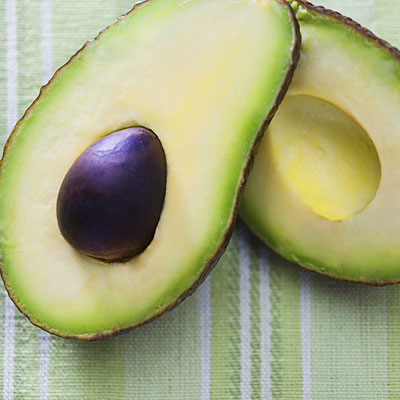
Avocado
The creamy flesh of the avocado is a great fiber source; a two-tablespoon serving of avocado has about 2 grams of fiber and an entire fruit contains around 10 grams. Avocados are also an excellent source of mono- and polyunsaturated fats—the "good" kind that can help lower cholesterol and reduce heart-disease risk.
for recipe, see my recipe blog

Whole-wheat pasta
Swapping out traditional pasta for the whole-wheat kind is a great way to introduce more fibre to your diet. Really small changes will make a difference.
for recipe, see my recipe blog

Brown rice
If you've been strictly a white-rice eater, the chewier texture and nuttier taste of brown rice can take some getting used to—but it's worth the effort. Every cup contains 3.5 grams of fiber.

Researchers recently found that although eating five or more servings of white rice a week increased type 2 diabetes risk by 17%, adding a couple servings of brown rice per week decreased risk by 11%.

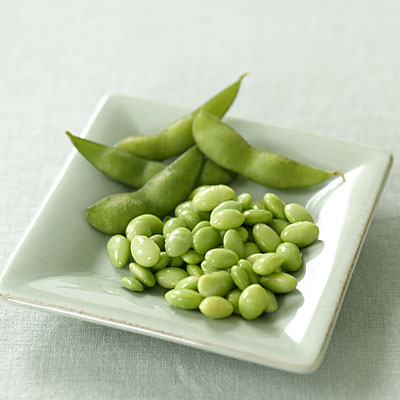
EDAMAME
fiber-edamame-snack
Long popular in East Asian cuisine, edamame are immature soy beans boiled in the pod. You can pop them out of the pod into your mouth, or mix them into a tasty dip. A half-cup serving of edamame can contain up to 11 grams of protein and 9 grams of fiber, depending on the brand.
for recipe, see my recipe blog

Whole-wheat bread
White bread and other refined grains are milled, meaning the outer coating of the grain (bran) has been removed, along with the germ, a tiny part of the kernel that serves as the seed's 'embryo.' Whole wheat retains these nutrient- and fiber-rich elements, so switching from white to whole wheat is a smart nutritional move.
for recipe, see my recipe blog

Lentils
This tiny member of the legume family is super-rich in fiber, with 15.6 grams per cup. Cultivated since Neolithic times, lentils are also a great source of protein, B vitamins, iron, and other minerals.
for recipe, see my recipe blog

Pear
As with most fruits with edible skins, pears are most nutritious and fibre-rich when their skins are left intact. Keeping the skin on is really important for fibre. A medium-size unpeeled pear contains about 5.5 grams of fibre.
for recipe- see my recipe

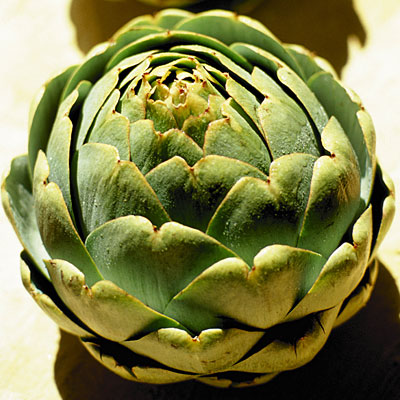
ARTICHOKE
fiber-artichoke
A single boiled artichoke contains a whopping 10.3 grams of fiber, and you'll get 7.2 grams of fibre from a half cup of artichoke hearts. Artichokes also are rich in silymarin, an antioxidant that may improve liver health.
for recipe, see my blog.

Oatmeal
Oats contain beta-glucan, a special type of fibre that has particularly powerful cholesterol-lowering effects, and may also boost immune-system function.

Oats also feature a good mix of soluble fibre (the type that lowers blood cholesterol) and insoluble fibre (which helps keep your digestion running smoothly).
for recipe, see my recipe blog.

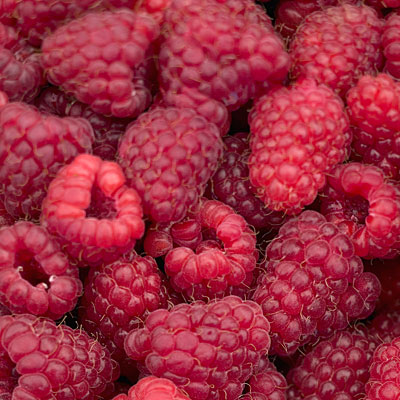
Raspberries
Whether they're ruby-red or blue-black, raspberries are nutrition superstars. In addition to being extra-rich in fibre, one cup will give you about a third of your daily fibre needs—they're also chock-full of powerful antioxidants. Frozen ones are equally good.
fiber-raspberries-snack
for recipe, see my recipe blog.

Peas
The humble pea, eaten straight out of the pod, bought frozen or cooked, or dried and made into split-pea soup, is a tasty, versatile, and inexpensive fiber source. One cup of split peas boasts 16.3 grams of fiber, and a cup of frozen peas contains a not-too-shabby 8.8 grams after cooking.
for recipe, see my recipe blog.

Broccoli
By now we all know that broccoli is very good for you. A member of the cruciferous vegetable family, known for its cancer-preventing properties, this veggie also contains a respectable amount of fiber: You'll get about 5.1 grams in a cup of boiled broccoli.
for recipe, see my recipe blog.

Apples
When you're talking about apples, the skin's the thing—you've got to leave it on or you'll be missing out on fiber and a host of beneficial phytochemicals.Once you take the skin off, you take off a lot of the good stuff that's in there. A single regular-size apple contains about 4.4 grams of fiber.

Almonds
Almonds—and pretty much every other edible nut and seed you can think of—are good sources of fiber, packed with healthy fats and protein. But all that goodness comes with a high calorie count, so keep your eye on serving size. A quarter-cup handful makes a good balance, with about 3 grams of fiber and around 170 calories.


BARLEY
fiber-barley-bowl

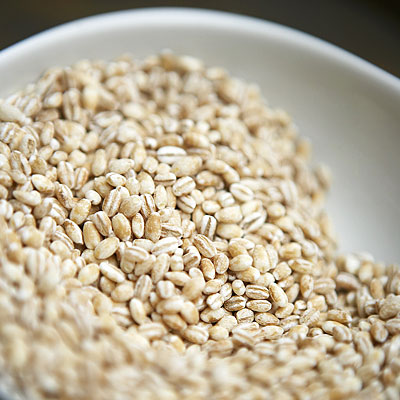
It may be best known as a raw ingredient in beer and whisky, but barley is a whole grain, too, and a good source of heart-healthy beta glucan. A recent study found that healthy people who ate barley with their breakfast felt less hungry before lunch than study participants who ate wheat or refined rice.
for recipe, see my recipe blog.


ps- this is only for information, always consult you physician before having any particular food/ medication/exercise/other remedies.


ps- those interested in recipes are free to view my blog-

http://gseasyrecipes.blogspot.com/


for info about knee replacement, you can view my blog-


http://Knee replacement-stick club.blogspot.com/


for crochet designs


http://My Crochet Creations.blogspot.com

Labels: , , , , , , , , , , , , , , , , ,