Here Is How Sugar Addiction May Lead To Depression
All of us feel a little blue at
some point. When we are feeling a little extra down, though, a lot of us
crave eating something sweet, don’t we? Having that candy, a bar of
chocolate, an ice cream, or maybe even a little muffin does lift our
spirits momentarily. While eating these sweets occasionally is fine,
having too much sugar can have long-term implications on mood disorders.
Complex carbohydrates like fruits, vegetables, and grains have natural sugars that are healthy. However, it is also present in refined food items, such as cakes, pasta, baked goods, candy, and bread. While regular intake of sugar can lead to a variety of health issues, it has also been found to increase your risk of depression and mood disorders. Since the brain depends on an even supply of glucose, sugar’s involvement in aiding anxiety and depression isn’t altogether surprising.
Here we list some of the possible connections between sugar and depression.
Researchers also observed that a diet with a higher intake of dietary fiber, whole grains, vegetables, and fruit can lower the risk of depression for middle-age people. Thus, a healthy diet that is low in refined carbohydrates could well be a preventive measure for depressive episodes.
“Consuming sugar produces effects similar to that of cocaine, altering mood, possibly through its ability to induce reward and pleasure, leading to the seeking out of sugar,” the study states.
Cassie Bjork, R.D., L.D., founder of Healthy Simple Life, further illustrates the point: “Sugar activates the opiate receptors in our brain and affects the reward center, which leads to compulsive behavior, despite the negative consequences like weight gain, headaches, hormone imbalances, and more.”
“This study is important because it is the first to be able to show that an increase in risk of about a quarter in common mental disorders – mostly mild anxiety and depression – in men who eat the most sugar cannot be explained by those who were already anxious or depressed using sugar as a form of comfort,” says Rob Howard, professor of old age psychiatry at UCL.
However, more studies are needed to confirm this theory.
Too much consumption of commercially prepared baked goods was never good for health anyway. Now that they may have a detrimental effect on depression risk, it is important to be cautious before having these products regularly.
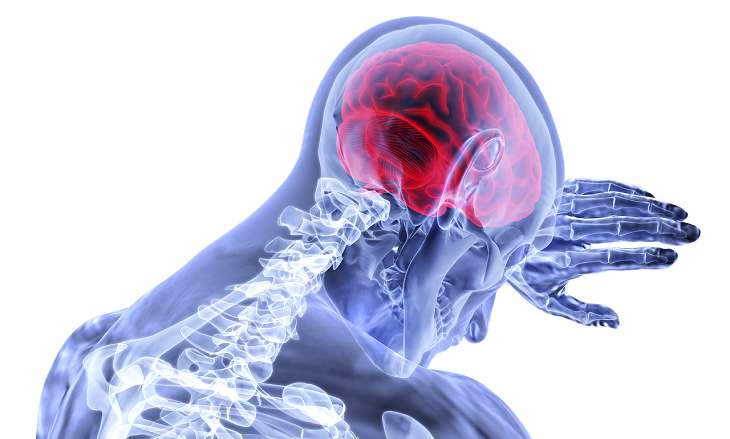
A diet that is high in refined carbs may promote inflammation. In fact, researchers at the University of Kansas found that inflammation was an essential physiological effect of dietary sugar intake.
“Added sugars have a profound effect on inflammatory processes within the body and brain, and inflammation may serve as a key mediator of sugar-induced depression onset,” says one of the researchers from the team.
Interestingly, many symptoms of inflammation are also common with depression, e.g. loss of appetite, changes in sleep patterns and heightened perceptions of pain. Furthermore, some studies have reported that inhibition of inflammatory pathways can improve mood. Thus, depression may very well be an elemental sign of inflammation-related issues.
When we are feeling low, we
often tend to go for sugar and other processed carbs. This generally
gives us a serotonin boost or basically helps lift our mood. However,
that feeling is short-lived. For instance, candy and sweets, which are
simple carbohydrates, will have the greatest impact on your serotonin,
but that effect will only last one to two hours before it comes crashing
down. This will eventually make you feel worse. Thus, reduced
quantities or activity of serotonin in the brain may influence
depression.
Do note that the above-mentioned theories are hypotheses and several more studies still need to be conducted to understand how sugar contributes to depression. That being said, it's possible to suggest that high-dose sugar intake can unsettle various metabolic, inflammatory, and neurobiological processes and many of these effects are of particular significance to the onset of depressive illness. Whatever may be the case, it is always good to be careful about your sugar intake for a healthy lifestyle.
Complex carbohydrates like fruits, vegetables, and grains have natural sugars that are healthy. However, it is also present in refined food items, such as cakes, pasta, baked goods, candy, and bread. While regular intake of sugar can lead to a variety of health issues, it has also been found to increase your risk of depression and mood disorders. Since the brain depends on an even supply of glucose, sugar’s involvement in aiding anxiety and depression isn’t altogether surprising.
Here we list some of the possible connections between sugar and depression.
1. The link between depression and refined carbohydrates
A study by Columbia Medical Center in 2015 noted that a diet high in refined carbohydrates may become a risk for depression, especially in postmenopausal women. Highly refined carbohydrates include items like white bread/pasta, white rice, crackers, cookies, and soda. These products increase blood sugar and may set off a hormonal response in the body to reduce blood sugar levels. These responses may also lead to changes in mood and cause fatigue.Researchers also observed that a diet with a higher intake of dietary fiber, whole grains, vegetables, and fruit can lower the risk of depression for middle-age people. Thus, a healthy diet that is low in refined carbohydrates could well be a preventive measure for depressive episodes.
2. Sugar can be more addictive than cocaine
In a study that was published in the British Journal of Sports Medicine, the authors mentioned that sugar could act as a gateway to alcohol and other addictive substances. They added that sugar is refined from plants to produce pure white crystals, much like stimulants, such as cocaine and opium. According to the researchers, this process significantly adds to sugar’s addictive properties.“Consuming sugar produces effects similar to that of cocaine, altering mood, possibly through its ability to induce reward and pleasure, leading to the seeking out of sugar,” the study states.
Cassie Bjork, R.D., L.D., founder of Healthy Simple Life, further illustrates the point: “Sugar activates the opiate receptors in our brain and affects the reward center, which leads to compulsive behavior, despite the negative consequences like weight gain, headaches, hormone imbalances, and more.”
3. Too much sugar could increase depression risk in men
Recent research has indicated that men who consume more sugar run an increased risk of depression. Researchers from University College London (UCL) studied the sugar in the diet and common mental health problems of a large group of men and women. They discovered a greater link between consuming higher levels of sugar and depression in men. The study claims that men who consumed more than 67g of sugar a day had a 23% increased risk of suffering from a common mental disorder after 5 years than those who had less than 39.5g of sugar.“This study is important because it is the first to be able to show that an increase in risk of about a quarter in common mental disorders – mostly mild anxiety and depression – in men who eat the most sugar cannot be explained by those who were already anxious or depressed using sugar as a form of comfort,” says Rob Howard, professor of old age psychiatry at UCL.
However, more studies are needed to confirm this theory.
4. Frequent consumption of commercial baked goods can increase the risk of depression
Various commercially prepared baked goods like muffins, doughnuts, croissants, and pastries may taste incredibly good but aren’t good for your mental health according to Spanish researchers. They found that participants who ate the most baked goods had a 38% higher risk of depression compared to those individuals who ate less baked goods.Too much consumption of commercially prepared baked goods was never good for health anyway. Now that they may have a detrimental effect on depression risk, it is important to be cautious before having these products regularly.
5. Depression, sugar, and inflammation
A diet that is high in refined carbs may promote inflammation. In fact, researchers at the University of Kansas found that inflammation was an essential physiological effect of dietary sugar intake.
“Added sugars have a profound effect on inflammatory processes within the body and brain, and inflammation may serve as a key mediator of sugar-induced depression onset,” says one of the researchers from the team.
Interestingly, many symptoms of inflammation are also common with depression, e.g. loss of appetite, changes in sleep patterns and heightened perceptions of pain. Furthermore, some studies have reported that inhibition of inflammatory pathways can improve mood. Thus, depression may very well be an elemental sign of inflammation-related issues.
6. Sugar causes a serotonin crash
Serotonin or
5-hydroxytryptamine is a chemical produced by nerve cells and is found
in three parts of the body — the brain, the lining of the digestive
tract, and in blood platelets. It is a vital neurotransmitter known as
the “happiness molecule” because of its key role in maintaining a
positive mood.
Do note that the above-mentioned theories are hypotheses and several more studies still need to be conducted to understand how sugar contributes to depression. That being said, it's possible to suggest that high-dose sugar intake can unsettle various metabolic, inflammatory, and neurobiological processes and many of these effects are of particular significance to the onset of depressive illness. Whatever may be the case, it is always good to be careful about your sugar intake for a healthy lifestyle.