Thursday, March 12, 2020

Here Is How Sugar Addiction May Lead To Depression

All of us feel a little blue at some point. When we are feeling a little extra down, though, a lot of us crave eating something sweet, don’t we? Having that candy, a bar of chocolate, an ice cream, or maybe even a little muffin does lift our spirits momentarily. While eating these sweets occasionally is fine, having too much sugar can have long-term implications on mood disorders.

Complex carbohydrates like fruits, vegetables, and grains have natural sugars that are healthy. However, it is also present in refined food items, such as cakes, pasta, baked goods, candy, and bread. While regular intake of sugar can lead to a variety of health issues, it has also been found to increase your risk of depression and mood disorders. Since the brain depends on an even supply of glucose, sugar’s involvement in aiding anxiety and depression isn’t altogether surprising.
Here we list some of the possible connections between sugar and depression.

1. The link between depression and refined carbohydrates

A study by Columbia Medical Center in 2015 noted that a diet high in refined carbohydrates may become a risk for depression, especially in postmenopausal women. Highly refined carbohydrates include items like white bread/pasta, white rice, crackers, cookies, and soda. These products increase blood sugar and may set off a hormonal response in the body to reduce blood sugar levels. These responses may also lead to changes in mood and cause fatigue.
Researchers also observed that a diet with a higher intake of dietary fiber, whole grains, vegetables, and fruit can lower the risk of depression for middle-age people. Thus, a healthy diet that is low in refined carbohydrates could well be a preventive measure for depressive episodes.

2. Sugar can be more addictive than cocaine

In a study that was published in the British Journal of Sports Medicine, the authors mentioned that sugar could act as a gateway to alcohol and other addictive substances. They added that sugar is refined from plants to produce pure white crystals, much like stimulants, such as cocaine and opium. According to the researchers, this process significantly adds to sugar’s addictive properties.
“Consuming sugar produces effects similar to that of cocaine, altering mood, possibly through its ability to induce reward and pleasure, leading to the seeking out of sugar,” the study states.
Cassie Bjork, R.D., L.D., founder of Healthy Simple Life, further illustrates the point: “Sugar activates the opiate receptors in our brain and affects the reward center, which leads to compulsive behavior, despite the negative consequences like weight gain, headaches, hormone imbalances, and more.”

3. Too much sugar could increase depression risk in men

Recent research has indicated that men who consume more sugar run an increased risk of depression. Researchers from University College London (UCL) studied the sugar in the diet and common mental health problems of a large group of men and women. They discovered a greater link between consuming higher levels of sugar and depression in men. The study claims that men who consumed more than 67g of sugar a day had a 23% increased risk of suffering from a common mental disorder after 5 years than those who had less than 39.5g of sugar.
“This study is important because it is the first to be able to show that an increase in risk of about a quarter in common mental disorders – mostly mild anxiety and depression – in men who eat the most sugar cannot be explained by those who were already anxious or depressed using sugar as a form of comfort,” says Rob Howard, professor of old age psychiatry at UCL.
However, more studies are needed to confirm this theory.

4. Frequent consumption of commercial baked goods can increase the risk of depression

Various commercially prepared baked goods like muffins, doughnuts, croissants, and pastries may taste incredibly good but aren’t good for your mental health according to Spanish researchers. They found that participants who ate the most baked goods had a 38% higher risk of depression compared to those individuals who ate less baked goods.
Too much consumption of commercially prepared baked goods was never good for health anyway. Now that they may have a detrimental effect on depression risk, it is important to be cautious before having these products regularly. 
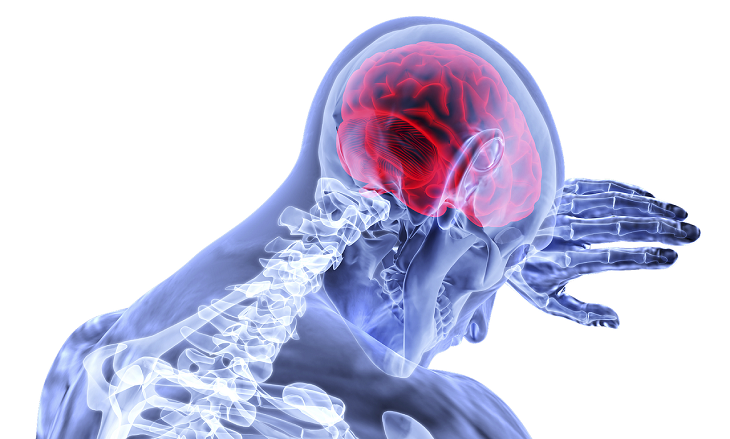
5. Depression, sugar, and inflammation

Depression, sugar, and inflammation
A diet that is high in refined carbs may promote inflammation. In fact, researchers at the University of Kansas found that inflammation was an essential physiological effect of dietary sugar intake.

“Added sugars have a profound effect on inflammatory processes within the body and brain, and inflammation may serve as a key mediator of sugar-induced depression onset,” says one of the researchers from the team.

Interestingly, many symptoms of inflammation are also common with depression, e.g. loss of appetite, changes in sleep patterns and heightened perceptions of pain. Furthermore, some studies have reported that inhibition of inflammatory pathways can improve mood. Thus, depression may very well be an elemental sign of inflammation-related issues. 

6. Sugar causes a serotonin crash

Serotonin or 5-hydroxytryptamine is a chemical produced by nerve cells and is found in three parts of the body — the brain, the lining of the digestive tract, and in blood platelets. It is a vital neurotransmitter known as the “happiness molecule” because of its key role in maintaining a positive mood.

When we are feeling low, we often tend to go for sugar and other processed carbs. This generally gives us a serotonin boost or basically helps lift our mood. However, that feeling is short-lived. For instance, candy and sweets, which are simple carbohydrates, will have the greatest impact on your serotonin, but that effect will only last one to two hours before it comes crashing down. This will eventually make you feel worse. Thus, reduced quantities or activity of serotonin in the brain may influence depression.

Do note that the above-mentioned theories are hypotheses and several more studies still need to be conducted to understand how sugar contributes to depression. That being said, it's possible to suggest that high-dose sugar intake can unsettle various metabolic, inflammatory, and neurobiological processes and many of these effects are of particular significance to the onset of depressive illness. Whatever may be the case, it is always good to be careful about your sugar intake for a healthy lifestyle. 


This is only for your information, kindly take the advice of your doctor for medicines, exercises and so on.     

https://gscrochetdesigns.blogspot.com. one can see my crochet creations  
https://gseasyrecipes.blogspot.com. feel free to view for easy, simple and healthy recipes    
https://kneereplacement-stickclub.blogspot.com. for info on knee replacement
 

Labels: , , , , , , , , , , , ,

Tuesday, September 03, 2019

Exercise can help beat cocaine addiction

Exercise can help prevent relapses into cocaine addiction, claims a study.

“Cocaine addiction is often characterised by cycles of recovery and relapse, with stress and negative emotions, often caused by withdrawal itself, among the major causes of relapse,” said a senior research scientist.

Using animal models, he found that regular aerobic exercise (one hour on a treadmill, five times a week) decreased stress-induced cocaine-seeking behaviour. Exercise also altered behavioural and physiological responses to stress.

Individuals who are addicted to cocaine have altered neural, behavioural and physiological responses to stress. Recent research  demonstrated how exercise can alter the brain’s mesolimbic dopamine pathway, which is linked to the rewarding and reinforcing properties of drugs such as cocaine.

In addition, exercise has been shown to reduce stress hormones and elevate mood, which could assist in alleviating anxiety and negative emotions associated with withdrawal,” reported the study.

Studies already have shown that aerobic exercises (or cardio) is an effective strategy against many physical health problems, including heart disease, diabetes, and arthritis, along with certain mental health issues, such as stress, anxiety, and depression.

“Our results suggest that regular aerobic exercise could be a useful strategy for relapse prevention, as part of a comprehensive treatment program for recovering cocaine abusers. Further research is necessary to see if these results also hold true for other addictive drugs,” the lead researcher said. 

THIS IS ONLY FOR INFORMATION, ALWAYS CONSULT YOU PHYSICIAN BEFORE HAVING ANY PARTICULAR FOOD/ MEDICATION/EXERCISE/OTHER REMEDIES.                                    PS- THOSE INTERESTED IN RECIPES ARE FREE TO  VIEW MY BLOG-                                                                                           https://gseasyrecipes.blogspot.com/                                                                                                                                                FOR INFO ABOUT KNEE REPLACEMENT, YOU CAN VIEW MY BLOG-                                                                       https:// kneereplacement-stickclub.blogspot.com/                                                                                                                     FOR CROCHET DESIGNS                                                                                                   

                                https://gscrochetdesigns.blogspot.com

Labels: , , , , , , , , , , , , , ,

Tuesday, December 25, 2018

Steps to Break Your Sugar Addiction

Most of us are aware that sugar is not the best substance to load into our body, but many of us struggle with breaking free from it - many of us are even addicted to it.

In fact, one study found that a greater neurological reward was provided by intense sweetness than by cocaine. Similar findings are also made when we look at withdrawal from sweetness as well, indicating that weaning off sugar may cause the same neurological symptoms as withdrawing from alcohol, nicotine, and morphine. Additionally, we all face the reality that sugar is readily available in our food as a cheap fix for our cravings, 24 hours a day, in thousands of different venues and forms. Furthermore, we often use sugar as a reward and it’s the main food substance during celebrations.
So, given these studies and the vast availability of sugar, is there any hope for us? Can we really break free from the chains of our sugar addiction? The answer is yes, and it doesn’t include admitting yourself to a rehab facility for six weeks. The start of your sugarless healing can come in the shape of seven easy steps:
1: Don’t replace real sugar with artificial sugar
In an attempt to provide us all with the sweetness we crave without the excess calories we dread, companies created artificial sweeteners. The first, saccharin, was discovered in the 1870s by a scientist.
He wasn’t actually trying to come up with a way to sweeten our foods, he was working on coal tar derivatives and some white substance spilled onto his hand. Later that evening, when he was eating dinner, some of the substances transferred to a roll, making it exceptionally sweet.  After this fateful contamination, the world of food has never been the same.
Artificial sweeteners have been blamed for a lot of things that ail us – but more recently, their effect on our ability to lose weight has come into focus. As it turns out, a lack of calories doesn’t always mean a lack of consequences. A study back in 2013 found that artificial sweeteners can actually alter the way the body metabolizes sugar.
A 2008 study found that rats which were given artificial sweeteners ate more calories throughout the day and gained weight as a result. The researchers carrying out this study found that the ingestion of artificial sweeteners essentially caused confusion between the gut and the brain. The author of the study stated that, “sweet foods provide a salient orosensory stimulus that strongly predicts someone is about to take in a lot of calories. Ingestive and digestive reflexes gear up for that intake but when false sweetness isn’t followed by a lot of calories, the system gets confused. Thus, people may eat more or expend less energy than they otherwise would.”
While these studies give incentive from a weight loss approach to kick the fake sugar habit, it’s what artificial sweeteners are doing to your sugar-laden diet that is most concerning for a sugar addict. Why? Studies show that replacing regular sugar with artificial sweeteners is like kicking your cigarette habit by switching to cigars. You’re still getting the sweetness you crave, so you’re not really taking away that sweet taste which is damaging your health.
If you stick to a no-sugar plan, your cravings for sweetness will eventually stop.
2: Start an exercise regimen and add milk to your diet
Eating a lot of sugar has been shown to enhance reward mechanisms in the brain, thus making it hard to break the habit. For example, rats that were given sucrose wanted more of it and self-fed with it if it was available in their cage. This really is no different to an individual who keeps candy bars and cookies in their home or office desk.  If it’s there, and you have a preference for it, there’s a good chance that you’ll eat it, and you’ll probably feel pretty good after eating it – until you crash and need more. But what if you could replicate these feel-good effects through other foods?
Well, one study, for example, found that consumption of whey protein (a major protein found in milk) increased serotonin (a feel-good hormone that is associated with mood elevation). Other studies have found a link between exercise and increased serotonin production.
3. Say “no” to fat-free products
Here’s the low down on fat-free foods. Fat gets removed and sugar gets added. This is because manufacturers are selling you on the fact that the product is fat-free, not sugar-free. Major culprits include fat-free salad dressing, cookies, cakes, muffins and peanut butter.
The solution to this? Buy full-fat salad dressings and peanut butter. The monounsaturated fats in them will actually help to increase your overall sense of satisfaction.
4: Improve your sleep habits
A 2013 study found that our circadian sleep cycles have a whole lot more to do with when we reach for a sugary snack late at night. Another study found that when individuals were sleep-deprived, their reward activation centers in the brain were increased, thereby making it more difficult to say no to some candy. The bottom line is this – while diet and exercise help a lot with staying away from sweets, neither of them will be as effective if you don’t get enough sleep.
5: Keep snacks close by
One tactic that seems to work is to keep healthy snacks on hand. Therefore, when you have an urge for a sugary treat, you can distract yourself by taking a few mouthfuls of something healthy. Figure out what your trigger is and have something on hand to distract yourself. It could be an apple, a bag of healthy popcorn, or even string cheese.
6. Chew gum
A 2009 study found that individuals who chewed gum for at least three hours in the afternoon reduced their cravings for sweet snacks. While the study used a sugar-free gum variety, which contains artificial sweeteners, it nonetheless provides an interesting tactic to decrease your sweet cravings.
7: Never forget the benefit to your body
If you remain constantly aware of the damage that sugar is doing to your body, you should be able to convince yourself to stay away from it. Remain focused and never forget that decreasing your sugar intake has benefits well beyond the perfect body.
 
THIS IS ONLY FOR INFORMATION, ALWAYS CONSULT YOU PHYSICIAN BEFORE HAVING ANY PARTICULAR FOOD/ MEDICATION/EXERCISE/OTHER REMEDIES.                                                                                
 PS- THOSE INTERESTED IN RECIPES ARE FREE TO  VIEW MY BLOG-                                                                                           https://gseasyrecipes.blogspot.com/                                                                                                                                                                             FOR INFO ABOUT KNEE REPLACEMENT, YOU CAN VIEW MY BLOG-                                               
     https:// kneereplacement-stickclub.blogspot.com/                                                                                     
  FOR CROCHET DESIGNS                                                                                                                                                                                                              https://gscrochetdesigns.blogspot.com


Labels: , , , , , , , , , , , , , , , , ,

Monday, November 03, 2014

Maternal recreational drug use linked to offspring brain birth defects

Mothers whose babies have brain defects at birth are more likely to have engaged in recreational drug use around the time of conception or during pregnancy. These are the findings of a new study led by researchers from University College London in the UK.

The research team, led by Dr. Anna David of the Institute of Women's Health at University College London, publish their findings in the journal PLOS ONE.

Past studies have associated recreational drug use in pregnancy with offspring birth defects, but Dr. David says many of these studies may be inaccurate as they have relied on self-reporting.

For this study, the researchers enrolled 517 mothers and tested samples of hair to determine their drug use around the time of conception and during pregnancy.

The team explains that when a person takes drugs, traces from the drugs accumulate in their hair as it grows. Since hair grows around 1 cm each month, the team took a 9-cm sample of hair from each woman to estimate their drug use for the previous 9 months.
 
Of the participants, 213 had a baby with a birth defect with possible links to recreational drug use, 143 had a baby with a birth defect not previously associated with recreational drug use, while 161 had a baby with no birth defect.

Drug use in pregnancy linked to brain underdevelopment, brain cysts in offspring

The team found that 77 (14.9%) of the women tested positive for the use of at least one recreational drug; 68 of the women had taken cannabis, 18 took cocaine, one took ketamine and one took MDMA (ecstasy).

The highest levels of recreational drug use were found around the time of conception but reduced by the first or second trimester of pregnancy. Approximately 50% of women who smoked cannabis, however, carried on using the drug into the second trimester.

The researchers found that 35% of the women whose baby was born with a brain birth defect - including brain cysts and brain underdevelopment - had engaged in recreational drug use at conception or during pregnancy, compared with 13% of women who had a baby without a birth defect.
 
Such brain defects at birth, the researchers say, are a major concern; they can have severe outcomes and lead to lifelong disorders, such as cerebral palsy.

Commenting on the results, Dr. David says:
"Our findings suggest a link between brain birth defects and recreational drug use in expectant mothers.

We were unable to identify significant links between specific drugs and brain birth defects. Therefore, I would discourage women trying to get pregnant and those in early pregnancy from taking any recreational drugs, including cannabis."
She adds, however, that only 20 of the mothers in the study had a baby with a brain defect at birth, therefore a larger study is warranted to confirm the findings - something she hopes will happen now that this study has indicated a link.

"The risks of alcohol and tobacco in pregnancy are relatively well-researched," she adds, "and we hope that research into drug use will catch up now that we have demonstrated its relevance to babies' health and development."

Last year, Medical News Today reported on a study suggesting that exercise during pregnancy can benefit offspring brain development.

 THIS IS ONLY FOR INFORMATION, ALWAYS CONSULT YOU PHYSICIAN BEFORE HAVING ANY PARTICULAR FOOD/ MEDICATION/EXERCISE/OTHER REMEDIES.


PS- THOSE INTERESTED IN RECIPES ARE FREE TO VIEW MY BLOG-


HTTP:GSEASYRECIPES.BLOGSPOT.COM/
FOR INFO ABOUT KNEE REPLACEMENT, YOU CAN VIEW MY BLOG-
HTTP://KNEE REPLACEMENT-STICK CLUB.BLOGSPOT.COM/

FOR CROCHET DESIGNS


HTTP://MY CROCHET CREATIONS.BLOGSPOT.COM

Labels: , , , , , , , ,