Monday, October 06, 2025

Carbs and Sugar: Not as Similar as You Think They Are

Carbohydrates and sugar are often talked about as if they’re the same thing. But is that really true? Both play an essential role in our diet, yet their effects on the body can be quite different. Understanding how these substances interact with our metabolism is the first step toward making better dietary choices. 

From simple sugars that give an instant energy boost to complex carbs that fuel us over time, the relationship between them is far from straightforward. Let’s explore the similarities, and differences, and how they impact your overall health.  

1. What are carbohydrates? Carbs and Sugar
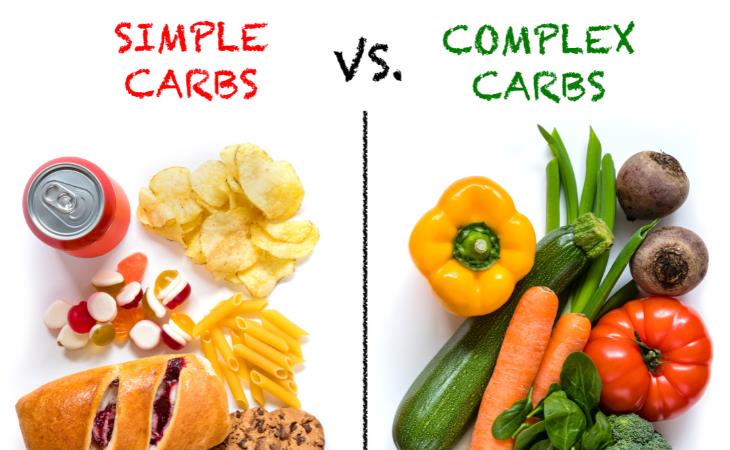
Carbohydrates are one of the primary macronutrients and act as a crucial energy source for the body. Found in foods like bread, pasta, fruits, and vegetables, they come in two main types: simple and complex. Simple carbs, like those in candy or soda, break down quickly and can cause spikes in blood sugar. Complex carbs, such as those in whole grains or legumes, take longer to digest, providing sustained energy. While all carbs eventually turn into glucose, their source and processing time make a big difference in how they affect your body.
 
2. What is sugar and how is it different?

Sugar is a specific type of carbohydrate, often referred to as a simple carb. It exists naturally in fruits (fructose) and dairy (lactose) but is also added to processed foods in the form of sucrose or high-fructose corn syrup. Natural sugars come with fiber and nutrients, slowing their absorption into the bloodstream. On the other hand, refined sugars cause rapid energy spikes followed by crashes. The key distinction is that sugar is just one type of carb, not the full picture of what carbohydrates represent in our diet. 
 
 
3. The role of carbs and sugar in energy
Carbs and Sugar

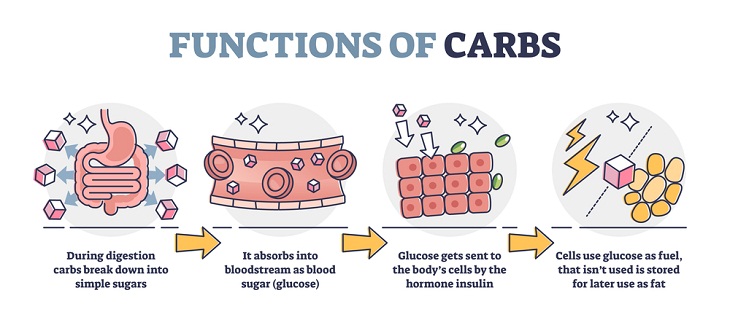
Carbs are broken down into glucose, which fuels your muscles and brain. Simple sugars provide a quick burst of energy but often leave you feeling tired soon after. Complex carbs, due to their slower digestion, offer a steady energy release over time. This is why eating a meal with whole grains or vegetables keeps you full longer than consuming a sugary snack. For athletes or individuals with high activity levels, understanding these differences is crucial to maintaining performance and avoiding energy crashes. 
 
4. How they affect blood sugar

Both carbs and sugar raise blood glucose levels, but the speed and intensity vary. Refined sugars cause a rapid spike, triggering a large insulin response to manage the glucose. Over time, this can lead to insulin resistance and other health issues. Complex carbs, with their slower digestion, lead to gradual glucose release, preventing sudden surges. Monitoring your blood sugar levels and balancing the types of carbs you consume can help maintain stable energy and long-term health. 
 
 
5. Natural vs. refined sources
 
Carbs and Sugar
Not all carbs and sugars are created equal. Fruits, vegetables, and whole grains contain natural carbs and sugars paired with fiber, vitamins, and minerals that benefit the body. These foods are digested more slowly, offering sustained energy without the highs and lows. In contrast, refined sugars and processed carbs lack fiber and nutrients, leading to faster digestion and potential health risks when consumed in excess. Choosing whole, unprocessed foods can make a big difference in how your body handles carbohydrates.


6. Do you need to avoid carbs and sugar?
 Carbs and Sugar
 
Carbs and sugar have often been demonized in discussions about health, but eliminating them entirely isn’t necessary for most people. Instead, focus on the quality and quantity of what you eat. Complex carbs and natural sugars are essential for energy and overall nutrition. In most cases, weight gain and metabolic problems are a result of excessive consumption of refined carbs and added sugars. Moderation, along with choosing whole, nutrient-rich options, is the best approach. 


7. The glycemic index and why it matters
 Carbs and Sugar
 
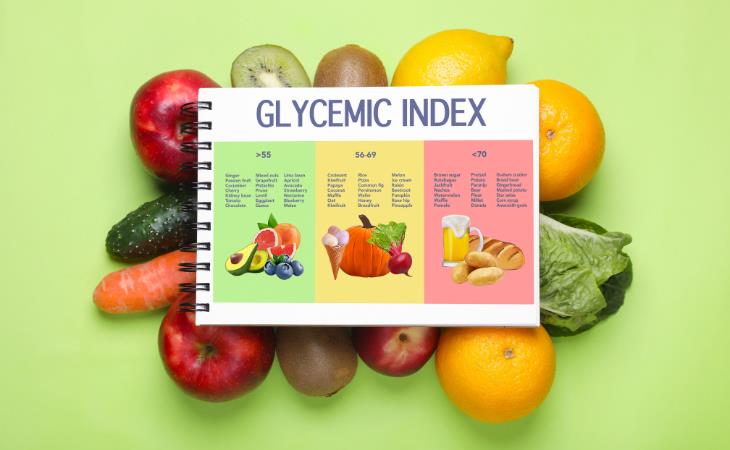
The glycemic index (GI) ranks foods based on how quickly they raise blood sugar levels. High-GI foods, like white bread and sugary snacks, cause rapid spikes, while low-GI foods, like oatmeal and lentils, lead to steadier increases. Understanding the GI of your meals can help you manage energy levels and reduce the risk of developing conditions like diabetes. Pairing high-GI foods with protein or fat can also slow glucose absorption, balancing the overall effect on your blood sugar. 
 
8. How your body processes carbs and sugar
Once consumed, carbs and sugar are broken down into glucose in the digestive system. However, the speed of this process depends on the food source. Refined carbs and sugars are digested quickly, providing an immediate energy boost. Complex carbs take longer, offering sustained energy and avoiding the blood sugar rollercoaster. The fiber, protein, and fat in a meal can also influence digestion and glucose release, showing how the overall food combination impacts your metabolism. 
 
 
9. The role of fiber in carbohydrates
 
Carbs and Sugar
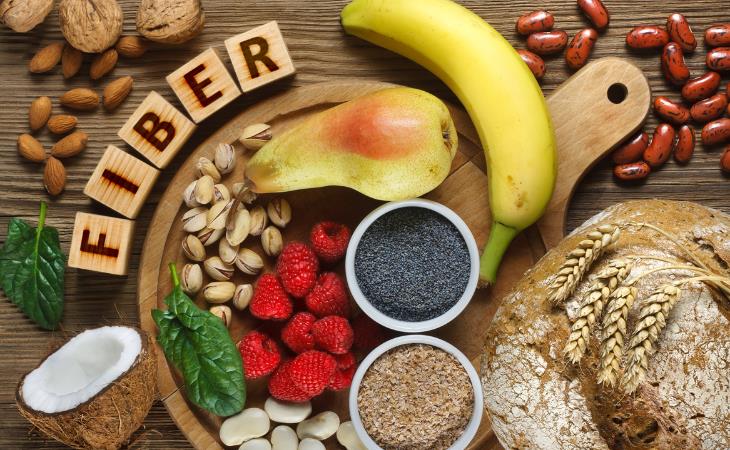
Fiber is a type of carbohydrate that is found in plant-based foods, including fruits, vegetables, and whole grains. Unlike sugars and starches, fiber is not broken down by the body and does not raise blood sugar levels. Instead, it passes through the digestive system intact, providing bulk and helping to promote regular bowel movements. A high-fiber diet has been associated with numerous health benefits, including lower cholesterol levels, improved blood sugar control, and a reduced risk of chronic diseases such as heart disease and type 2 diabetes. 
 
10. Health risks of over-consuming carbs and sugar
Too much sugar and refined carbs can lead to various health problems, including weight gain, insulin resistance, and increased risk of heart disease. These foods lack the fiber and nutrients that help regulate digestion and blood sugar levels, making it easier to overeat. Over time, this can strain your metabolic system and contribute to chronic health conditions. Being mindful of your intake and choosing healthier carb sources can protect you from these risks.


11. Finding the right balance in your diet
 
Achieving a healthy balance means including both carbs and sugar in appropriate amounts while prioritizing nutrient-dense options. Whole grains, fruits, and vegetables provide energy and nutrition without the drawbacks of refined alternatives. Reducing added sugars and combining carbs with protein or fat can further stabilize blood sugar levels. Ultimately, a balanced diet is about making choices that work for your individual health and lifestyle, ensuring long-term well-being.

This is only for your information, kindly take the advice of your doctor for medicines, exercises and so on.   


Labels: , , , , ,

Sunday, September 28, 2025

On World Heart Day, Dr Varsha Kulkarni Urges 25 Minutes Of Daily Activity

Heart disease has become a leading cause of death in the world. A study has shown that approximately 780 people die every 20 minutes due to a heart attack in the world.  

According to the appeal of Keep the Beat, let us resolve to stay active for 25 minutes every day to keep our hearts safe and healthy, said Dr Varsha Kulkarni, Consultant Cardiac Anesthesiologist and Executive Council Member – IACTA (Indian Association of Cardiovascular and Thoracic Anesthesiologists), while speaking on the occasion of World Heart Day today.   

Every year on September 29, World Heart Day is celebrated all over the world. This year's theme is “Don't Miss a Beat”. This theme highlights the importance of being constantly aware of heart health, getting timely treatment and adopting a healthy lifestyle. High blood pressure, diabetes, smoking, stress, obesity, lack of exercise and improper diet have been identified as the main causes, and it has been said that millions of lives can be saved from this due to timely action and the right lifestyle.   

Therefore, today, September 29, is being celebrated as World Heart Day, and this year the concept of “Don't Miss a Beat” has been introduced, said Dr Varsha Kulkarni. The concept of “Don't Miss a Beat” appeals to everyone to not ignore any symptoms of heart disease., Regularly check blood pressure, blood sugar and cholesterol.   

To maintain heart health, medication alone is not enough, but it is necessary to adopt a balanced lifestyle, so maintain a balanced diet, mainly avoid consumption of fatty, oily, junk food, fast food, excess salt and sugar. Exercise regularly. Remember that brisk walking, running, swimming, yoga or cycling for at least 30 minutes every day strengthens the heart. Mental stress also causes heart disease. Therefore, it is necessary to practice meditation, pranayama, music, and hobbies, which keep the mind calm. The World Heart Federation has said that getting enough sleep is equally important.

“This year, the World Heart Federation is completing 25 years of its establishment. On this anniversary, a special appeal has been made called “Keep the Beat”. According to this appeal, Dr Varsha Kulkarni has appealed to us to resolve to be active for 25 minutes every day. 


This is only for your information, kindly take the advice of your doctor for medicines, exercises and so on.   

Labels: , , , , , , , , , , , , , , , ,

Friday, March 17, 2023

5 Turmeric-Based Facial Masks For Removing Hair

Some people go to a beautician every single week for hair removal, but there’s actually a much simpler and cheaper way of removing hair in the comfort of your own home. These four methods will show you how to use turmeric, the Indian spice, in a face mask for hair removal purposes:


Turmeric for hair removal mask No. 1 
turmeric
Ingredients 
• ½ cup of milk 
• ½ cup of flour 
• 2 tablespoons of turmeric powder 
• 1 teaspoon of salt 
 
Method 
1. Stir the mixture in a bowl until smooth. Add more turmeric to the mixture if it’s runny. 
2. Apply the paste to the area that you want to remove hair from. Rub it into the area in a circular motion for 10 minutes. 
3. Allow the paste to dry for 10-15 minutes, then wash off with warm water. Both turmeric and salt dissolve hair by thinning them.


Turmeric for hair removal mask No. 2

Ingredients 
 
 • ½ bowl of sugar 
 • 1 cup of water 
• 2 tablespoons of turmeric 
• 2 tablespoons of lemon extract 
5 Turmeric-Based Facial Masks For Removing Hair
Method 
1. Boil the water and add sugar. Leave the sugar to boil with the water until you’re left with a sticky syrup. 
 
2. Allow the sugar syrup to cool, then add the turmeric and lemon extract. Stir the ingredients until the mixture becomes thick. 
 
3. Apply the paste on the area that you wish to remove hair from and scrub it in a circular motion. Do this for five minutes and rinse off the paste. 
 
4. Repeat this three times per week for the best results.


Turmeric for hair removal mask No. 3 
 
Ingredients 
 
• 1 teaspoon of turmeric 
 • 1 tablespoon of flour 
• 2 tablespoons of milk 
 
 Method
1. The ingredients for this mask are the same as the ones for the first mask, minus the salt. Simply add the ingredients to a bowl and whisk until you get a thick paste. 
 
2. Apply the mask in the same direction as the hair growth in the area that you wish to remove, then scrub in the opposite direction. 
 
3. Scrubbing will disturb hair growth, making it fall out at the root. You can also replace flour with oats for this particular face mask. 


Turmeric for hair removal mask No. 4 
 
Ingredients  
 
• 1 cup of chickpea flour 
 
• ½ tablespoon of turmeric 
 
• ½ cup of milk 
 
Method  
1. Add the chickpea flour to a small mixing bowl, then add the turmeric and stir for a just a few seconds. 
 
2. Add the milk and stir the mixture until it turns into a thin paste. 
 
3. Apply a thin layer of the mixture to the area you wish to remove hair from, applying in the same direction as the hair growth, and leave to dry for 20-25 minutes. 
 
4. Use a washcloth and rub the area in the opposite direction to the hair growth. Use warm water to remove any remaining residue from the mask and apply moisturizer to soothe the area.


Turmeric for hair removal mask No. 5 
 
Ingredients  
 
• 3 teaspoons of turmeric

• 1 teaspoon of milk  
 
Method 
 
1. You don’t need to worry too much about the measurements for this one, other than that you’re using three parts turmeric to one part milk. Mix the two ingredients into a paste and spread it on your skin. 
 
2. Allow the mask to dry on the area you wish to remove hair from for 20 minutes. 
 
3. Use a dry washcloth and scrub your skin in a circular motion to remove the mask. 
 
4. Repeat this process every two to three days for the best results. 


Bonus Tips  
1. It’s possible that your face might turn a little yellowy after using these masks, but you can use an apple cider vinegar toner to correct this. Coconut oil is also good for moisturizing the skin after hair removal. 
 
2. Don’t repeat the treatment two days in a row, because it’s too much for your skin to handle. 
 
3. Baking soda and soap are also good for removing yellow turmeric stains from your skin. Watch this video to find out more:


This is only for your information, kindly take the advice of your doctor for medicines, exercises and so on.  

https://gscrochetdesigns.blogspot.com. one can see my crochet creations  
https://gseasyrecipes.blogspot.com. feel free to view for easy, simple and healthy recipes    
https://kneereplacement-stickclub.blogspot.com. for info on knee replacement
https://GSiyers home remedies.blogspot.com     is my latest addition to my blogs. I'm going to add posts there, do give me your valuable feed back on my blogs. Thanks a lot, take care, be healthy and be happy. 

Labels: , , , , , , , , ,

Sunday, February 26, 2023

Lay Off These Foods As They Are Damaging Your Brain !

We’ve heard about foods that damage our heart, liver, and digestive system, but what about those that damage the most important organ in our body – the brain? It’s more than likely that you’ve felt tired or groggy after eating lunch – most likely because you ate something that affected your brain in some manner. In that case, which foods should you be avoiding in order to keep your mind sharp, and which can you have in moderation?  

 1. Sugar
Lay Off These Foods As They Are Damaging Your Brain!

Our first culprit is well-known for its damaging influence on the body. While it's common knowledge that large quantities of sugar are bad for you, consuming it for a prolonged period of time may lead to neurological problems. High levels of sugar will affect your ability to learn and retain information, as well as reduce your brain’s elasticity. High blood sugar levels inhibit the breakdown of insulin by the brain, leading to a reduction in mental and cognitive processes. 
 
Recommended daily dosage: Women – 6 teaspoons of sugar, Men – 10 teaspoons of sugar.

2. Salt  
Salt is known to cause problems with blood pressure, heart rate, digestive system, and even respiratory issues. The brain uses the same cardiovascular system as these other organs, and so will be similarly damaged. Salt is essential for the body’s functions, but it is highly important not to overdo it. 
 
Recommended daily dosage: A teaspoon of salt is the maximum recommended daily intake. For people over 50, those with diabetes or chronic kidney issues, the amount drops to half a teaspoon. 
 
3. Junk Food 
There’s a reason it’s called junk food. Studies have shown that junk food can become addictive for some people. The main reason is that junk food raises the levels of dopamine in the brain (the chemical responsible for joy and satisfaction), and quitting junk food causes actual withdrawal symptoms, as well as anxiety and even depression. In increased consumption levels, it may lead to memory loss, and in rare cases, it can even cause Alzheimer’s. 
 
Recommended daily dosage: It’s OK to indulge in these foods once in a while, but experts recommend that people should avoid consuming more than 500 calories in a meal. The problem is that most fast ood meals contain 800 calories or more on average. Thanks to new laws, restaurants now have to display the caloric value of served food, allowing you to make sure you get the number of calories your body truly needs.  
 
4. Fried Food
Lay Off These Foods As They Are Damaging Your Brain!
Some oils, such as sunflower oil and flaxseed oil, release a substance known as aldehyde. At the lowest heat level, Aldehyde is known to damage neurological brain functions. Furthermore, fried food can become addictive, similarly to junk food. Finally, a 2008 study found a correlation between the consumption of fried fish and sub-clinical disturbances in the brain, as seen in an MRI scan. 
 
Recommended oils for frying: While you should avoid fried food in general, if you do decide to prepare some, avoid harmful oils like sunflower and flaxseed oils. Stick with healthier options such as red palm oil and avocado oil. 
 
5. Artificial Sweeteners 
Aspartame is one of the most common artificial sweeteners in use nowadays, but many researchers advise to avoid it, as it may be responsible for increasing the risk of developing brain cancer. If that’s not enough, artificial sweeteners lower the energy levels in the brain, and regular consumption actively slows down brain functions. These artificial sweeteners can also be found in toothpaste, processed foods, mouthwash, and even chewable vitamins. 
 
Recommended daily dosage: The maximum amount of sweetener, containing saccharin, an adult should consume daily is 8 sachets, which is equal to 2 cans of soft drink. As for aspartame – the maximum is higher, standing at 32 sachets, or 8 cans of soft drink. 
 
6. Trans Fats 
A study on the effects of nutrition on elderly people who do not suffer from dementia found that consumption of trans fats is linked to shrinkage of the brain, and researchers are inclined to believe that trans fats may affect the brain in a similar way to Alzheimer’s. Recently, the American FDA announced that trans fats will become illegal in the United States in the near future. 
 
Recommended daily dosage: Experts warn about letting trans fats take up as much as 5-6% out of our total daily calorie intake. This means that if you eat around 2,000 calories a day, your trans fat intake rate should be a maximum of 0.45oz (13g). However, with recent information surfacing, it might be wise to decrease even that amount.  
 
7. Tofu
Lay Off These Foods As They Are Damaging Your Brain!
Dear vegans and vegetarians, even though tofu is considered to be a good substitute for meat, it may cause neurological issues. Researchers from Oxford University found that people between the ages of 52 and 98 who consumed large quantities of tofu were more likely to suffer from memory loss and dementia. 
 
Recommended daily dosage: It is recommended that you do not consume more than two cups of tofu per day. 
 
8. Preservatives and Processed Food 
Preservatives, additives, food coloring and flavoring can all be found in processed and preserved foods. All of these chemicals affect our brain functions and behavior. Additionally, ingesting large quantities of these chemicals will slowly damage brain cells, causing brain shrinkage. 
 
Recommended daily dosage: It’s hard to determine what the recommended quantities of these chemicals are, as it is always better to eat fresh foods instead. Try to avoid eating canned vegetables and fruits, as well as processed foods.

This is only for your information, kindly take the advice of your doctor for medicines, exercises and so on.   

https://gscrochetdesigns.blogspot.com. one can see my crochet creations  
 
https://gseasyrecipes.blogspot.com. feel free to view for easy, simple and healthy recipes    
 
https://kneereplacement-stickclub.blogspot.com. for info on knee replacement

https://GSiyers home remedies.blogspot.com     is my latest addition to my blogs. I'm going to add posts there, do give me your valuable feed back on my blogs. Thanks a lot, take care, be healthy and be happy.


Labels: , , , , , , ,