Carbs and Sugar: Not as Similar as You Think They Are
Carbohydrates and sugar are often talked about as if they’re the same thing. But is that really true? Both play an essential role in our diet, yet their effects on the body can be quite different. Understanding how these substances interact with our metabolism is the first step toward making better dietary choices.
From simple sugars that give an instant energy boost to complex carbs that fuel us over time, the relationship between them is far from straightforward. Let’s explore the similarities, and differences, and how they impact your overall health.
1. What are carbohydrates? 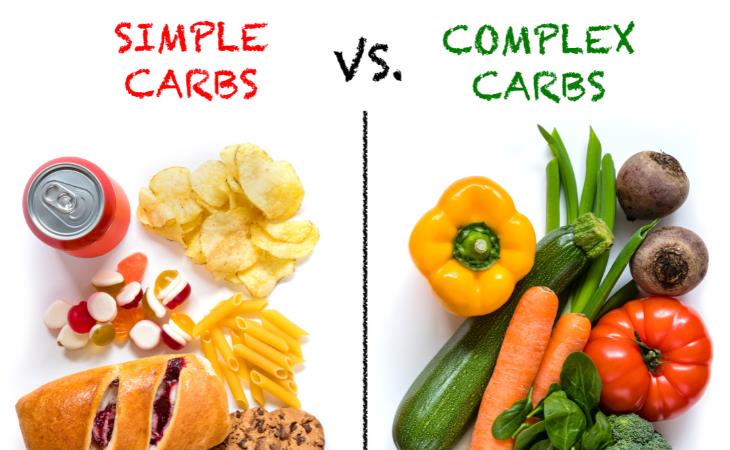
Carbohydrates are one of the primary
macronutrients and act as a crucial energy source for the body. Found in
foods like bread, pasta, fruits, and vegetables, they come in two main
types: simple and complex. Simple carbs, like those in candy or soda,
break down quickly and can cause spikes in blood sugar. Complex carbs,
such as those in whole grains or legumes, take longer to digest,
providing sustained energy. While all carbs eventually turn into
glucose, their source and processing time make a big difference in how
they affect your body.
2. What is sugar and how is it different?
Sugar is a specific type of carbohydrate,
often referred to as a simple carb. It exists naturally in fruits
(fructose) and dairy (lactose) but is also added to processed foods in
the form of sucrose or high-fructose corn syrup. Natural sugars come
with fiber and nutrients, slowing their absorption into the bloodstream.
On the other hand, refined sugars cause rapid energy spikes followed by
crashes. The key distinction is that sugar is just one type of carb,
not the full picture of what carbohydrates represent in our diet.
3. The role of carbs and sugar in energy
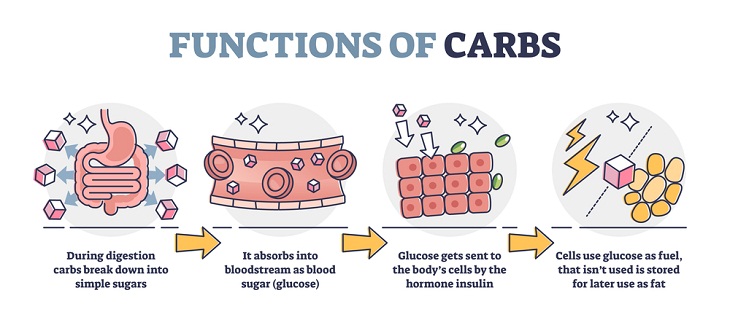
Carbs are broken down into glucose, which
fuels your muscles and brain. Simple sugars provide a quick burst of
energy but often leave you feeling tired soon after. Complex carbs, due
to their slower digestion, offer a steady energy release over time. This
is why eating a meal with whole grains or vegetables keeps you full
longer than consuming a sugary snack. For athletes or individuals with
high activity levels, understanding these differences is crucial to
maintaining performance and avoiding energy crashes.
4. How they affect blood sugar



Both carbs and sugar raise blood glucose
levels, but the speed and intensity vary. Refined sugars cause a rapid
spike, triggering a large insulin response to manage the glucose. Over
time, this can lead to insulin resistance and other health issues.
Complex carbs, with their slower digestion, lead to gradual glucose
release, preventing sudden surges. Monitoring your blood sugar levels
and balancing the types of carbs you consume can help maintain stable
energy and long-term health.
5. Natural vs. refined sources
Not all carbs and sugars are created equal.
Fruits, vegetables, and whole grains contain natural carbs and sugars
paired with fiber, vitamins, and minerals that benefit the body. These
foods are digested more slowly, offering sustained energy without the
highs and lows. In contrast, refined sugars and processed carbs lack
fiber and nutrients, leading to faster digestion and potential health
risks when consumed in excess. Choosing whole, unprocessed foods can
make a big difference in how your body handles carbohydrates.
6. Do you need to avoid carbs and sugar?Carbs and sugar have often been demonized
in discussions about health, but eliminating them entirely isn’t
necessary for most people. Instead, focus on the quality and quantity of
what you eat. Complex carbs and natural sugars are essential for energy
and overall nutrition. In most cases, weight gain and metabolic
problems are a result of excessive consumption of refined carbs and
added sugars. Moderation, along with choosing whole, nutrient-rich
options, is the best approach.
7. The glycemic index and why it matters
The glycemic index (GI) ranks foods based
on how quickly they raise blood sugar levels. High-GI foods, like white
bread and sugary snacks, cause rapid spikes, while low-GI foods, like
oatmeal and lentils, lead to steadier increases. Understanding the GI of
your meals can help you manage energy levels and reduce the risk of
developing conditions like diabetes. Pairing high-GI foods with protein
or fat can also slow glucose absorption, balancing the overall effect on
your blood sugar.
8. How your body processes carbs and sugar
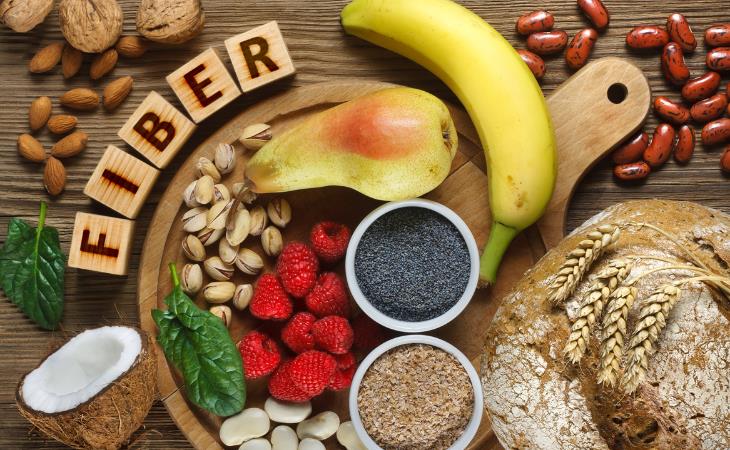
Once consumed, carbs and sugar are broken
down into glucose in the digestive system. However, the speed of this
process depends on the food source. Refined carbs and sugars are
digested quickly, providing an immediate energy boost. Complex carbs
take longer, offering sustained energy and avoiding the blood sugar
rollercoaster. The fiber, protein, and fat in a meal can also influence
digestion and glucose release, showing how the overall food combination
impacts your metabolism.
9. The role of fiber in carbohydrates
Fiber is a type of carbohydrate that is
found in plant-based foods, including fruits, vegetables, and whole
grains. Unlike sugars and starches, fiber is not broken down by the body
and does not raise blood sugar levels. Instead, it passes through the
digestive system intact, providing bulk and helping to promote regular
bowel movements. A high-fiber diet has been associated with numerous
health benefits, including lower cholesterol levels, improved blood
sugar control, and a reduced risk of chronic diseases such as heart
disease and type 2 diabetes.
10. Health risks of over-consuming carbs and sugar
Too much sugar and refined carbs can lead
to various health problems, including weight gain, insulin resistance,
and increased risk of heart disease. These foods lack the fiber and
nutrients that help regulate digestion and blood sugar levels, making it
easier to overeat. Over time, this can strain your metabolic system and
contribute to chronic health conditions. Being mindful of your intake
and choosing healthier carb sources can protect you from these risks.
11. Finding the right balance in your diet
Achieving a healthy balance means including
both carbs and sugar in appropriate amounts while prioritizing
nutrient-dense options. Whole grains, fruits, and vegetables provide
energy and nutrition without the drawbacks of refined alternatives.
Reducing added sugars and combining carbs with protein or fat can
further stabilize blood sugar levels. Ultimately, a balanced diet is
about making choices that work for your individual health and lifestyle,
ensuring long-term well-being.