Tuesday, July 16, 2024

The 14 Most Common Headaches

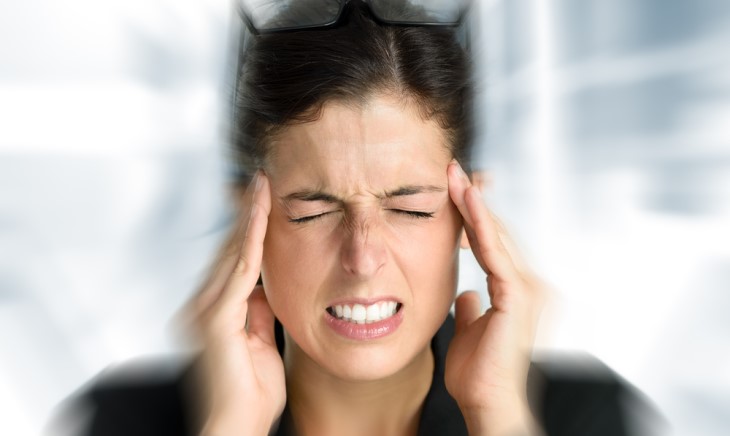
Headaches are a peculiar sensation. Even though the brain doesn't have the ability to feel pain, it's the surrounding tissues, blood vessels, nerves and chemicals that produce pain signals. This leads to the question of what causes different types of headaches and how to manage them. In this article, we'll explore 14 common types of headaches, their underlying causes, and methods to treat them.
headaches

1. Rebound headache 
Rebound headaches stem from chronic medication use. Overusing non-steroidal anti-inflammatory drugs (NSAIDs) like ibuprofen, acetaminophen, or aspirin, or taking migraine medication more than 10 days a month can increase your risk of developing rebound headaches. These headaches occur when painkillers are taken in excessive doses, causing pain rather than preventing it. It is recommended that you don't attempt to handle the problem of stopping medication on your own. Instead, seek the advice of a doctor who can provide alternative treatments to help you stop the medication safely. 
 
Where it's located: These are typically generalized headaches, meaning the pain can occur in any part of the head. It often feels like a dull, tension-type headache. These are typically generalized headaches, meaning the pain can occur in any part of the head. It often feels like a dull, tension-type headache. 
 
 
2. Tension headache 
Tension headache is the most common type of headache, characterized by persistent pressure or throbbing on both sides of the head or in the back of the head and neck. Stress, poor posture, and teeth grinding are common causes of tension headaches. While the physiological explanation for this type of pain isn't entirely clear, it is believed to be a change in the balance of chemicals in the brain or signals involved in the nerves leading to the brain. Over-the-counter pain relievers, such as aspirin, ibuprofen, or acetaminophen, can help treat headaches caused by stress. Natural stress-relievers like meditation and yoga can also be effective. 
 
Where it's located: The pain is often described as a constant band-like pain around the head, generally on both sides, or at the back of the head and neck. 
 
 
3. Toothache that causes headaches  
There are certain dental conditions like bruxism (teeth grinding) or TMJ (jaw joint problems) that can lead to facial pain or headaches. While teeth grinding usually happens at night, TMJ affects the joints situated in front of the ear, amidst the jaw and the skull. These disorders may arise due to a misaligned jaw, stress, poor posture, arthritis or erosion of cartilage, muscles, and ligaments in the jaw. Your dentist can help you diagnose the root cause of your headaches. If it is related to dental problems, he may suggest treatments like stretching the jaws, bite guards, or other alternatives to reduce tension. 
 
Where it's located: This type of headache can occur anywhere, but it's typically felt in the lower part of the head, around the jaw, or the cheekbones. 
 
 
4. Cluster headaches 
Cluster headaches are an intense form of headache that cause severe pain on one side of the head, around the eye, temple area, and sometimes in the jaw. These headaches can last from 15 minutes to 3 hours, and they occur repeatedly for a specific duration of time. They are more prevalent in men and can be triggered by various factors, such as alcohol consumption, smoking, and certain foods. Symptoms of cluster headaches include redness, drooping eyelids, runny nose, or tearing in both eyes. Treatment options include triptan family substances that increase serotonin levels and oxygen therapy. Non-steroidal anti-inflammatory drugs aren't effective in managing cluster headaches.
 
 Where it's located: Cluster headaches typically present as severe pain on one side of the head, often around the eye and temple area. 
 headaches
 
5. Migraine 
A migraine is a type of headache that affects one side of the head and is more common in women than men. The exact cause of migraines isn't well understood, but it is believed to be related to changes in brain activity that affect blood vessels and nerves. Migraines can be triggered by various factors, including changes in sleep patterns, diet, hormones, or mood. They typically last anywhere from 4 to 72 hours and are often accompanied by nausea, vomiting, and sensitivity to light, noise, and smells. Physical activity can make the pain worse. Treatment options for migraines include pain relievers like acetaminophen, ibuprofen, or triptans, as well as avoiding certain triggers like alcohol, smoking, and artificial additives. Drinking more water or green tea and getting plenty of rest can also help alleviate symptoms. 
 
Where it's located: Migraines are typically experienced as a severe, throbbing pain on one side of the head.


6. Caffeine headache  
A caffeine headache can occur when a person who regularly consumes high amounts of caffeine suddenly stops or reduces their intake, causing the body to go into a state of stress and resulting in headaches within 12 to 24 hours. While painkillers can provide temporary relief, it's best to change consumption habits by either consuming caffeine at a fixed time, reducing caffeine intake, or completely giving up caffeine to alleviate the pain. 
 
Where it's located: The pain from caffeine headaches can be felt throughout the head, but often it is a generalized headache. 
 
 
7. Orgasm headache 
 This may sound way out there, but occasionally, individuals may experience pain during or after sexual activity, which is more common among young men. This discomfort, which originates from physiological changes during sexual arousal, is usually focused in the neck and nape muscles or caused by pressure in the arteries and veins leading to the brain. Although the pain is generally not harmful and doesn't affect sexual performance, those who experience it frequently should seek medical advice as it may be caused by abnormal blood flow. In such cases, taking a pain reliever before sexual activity may help alleviate the pain. 
 
Where it's located: These headaches usually begin at the base of the skull and neck and can spread to the rest of the head.
 
 
8. Early morning headache 
Experiencing a headache in the early morning can be quite bothersome and may have various underlying causes. These causes range from migraines, rebound headaches, toothaches, dehydration, to aggravation after a night of alcohol and lack of sleep. However, in rare cases, it may also be a symptom of a brain tumor. If you frequently experience early morning headaches and can't find a logical explanation for them, it is advisable to seek medical attention. 
 
Where it's located: The pain location can vary greatly depending on the underlying cause. It could be anywhere from the front, back, or sides of the head. headaches

headaches

9. Sinusitis 
Sinusitis is another possible cause of early morning headaches that shouldn't be overlooked. These types of headaches are caused by pressure or inflammation in the sinuses. The pain can be felt on both sides of the nose, in the cheekbones, forehead, and can radiate to other areas including the teeth and jaw. Sinusitis can also cause nasal congestion and watery eyes, but is primarily due to an infection and may include symptoms such as a green runny nose, cough, phlegm, sore throat, and fever. It is important to seek medical treatment for sinusitis and consult an otolaryngologist if there are concerns. 
 
Where it's located: The pain is usually localized to the front of the head around the forehead, cheekbones, or bridge of the nose. 
 
 
10. Ice cream headache 
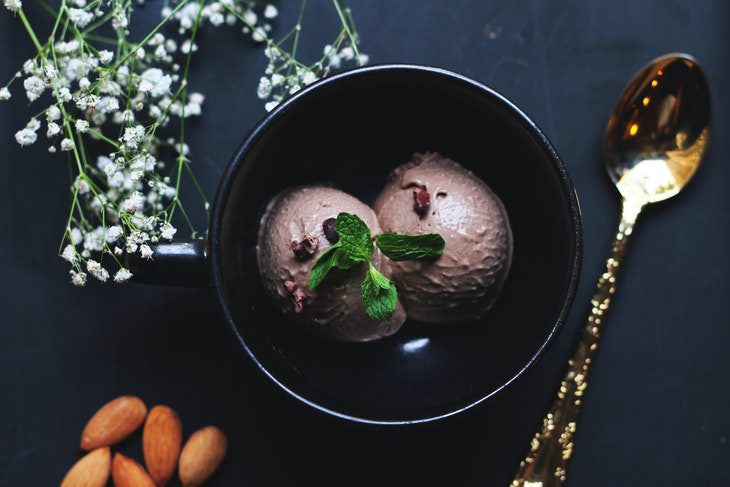
Ganglioneuralgia is a medical term used to describe the headache caused by consuming extremely cold drinks or foods such as ice cream, cocktails, popsicles, and ice. This phenomenon can particularly affect people who suffer from migraines. When something extremely cold touches the upper palate, the body reacts by constricting peripheral blood vessels to maintain body heat, which causes a localized drop in blood flow. As the blood vessels expand again, the nerves transmit a sensation of pain to a nerve area in the head. To deal with this, take a break from the cold until the pain subsides, drink a sip of water at room temperature to help narrow the arteries, or move the tongue on the roof of the mouth to increase heating in that area. 
 
Where it's located: This type of headache typically causes a sharp, stabbing pain in the forehead.

ice cream headache

11. Daily chronic headaches 
If you experience a headache for 15 or more days a month, continuously for three months, you may be suffering from daily chronic headaches. These types of headaches can be caused by various factors such as overuse of painkillers, severe head injury, meningitis, or cancerous tumors in rare cases. When the cause of the pain is unknown, it could be due to the body's pain signals not functioning correctly. Treatment options include antidepressants, beta blockers, anti-epileptic drugs, pain relievers like naproxen, and even botox injections, but it's essential to consult a medical professional.

Where it's located: These are often generalized and can be felt in any part of the head.


12. Premenstrual headaches  
Premenstrual headaches can be quite distressing for women, as the sudden drop in estrogen levels just before menstruation can cause severe headaches. These headaches usually occur three days before and two days after the period. Along with premenstrual headaches, women may experience other premenstrual syndromes such as depression, uterine contractions, and chest pains. If the pain becomes chronic, it is advisable to consult a gynecologist who may suggest taking magnesium supplements, pain relievers or alternative treatments like acupuncture. 
 
Where it's located: These headaches can vary in location, but many women describe the pain as similar to a tension headache or migraine, which could be generalized or on one side. 


13. Weekend headaches  
Headaches that occur due to stress, fatigue, or disrupted sleep-wake cycle are common. Such headaches might also occur over the weekend due to accumulated stress and fatigue, leading to physiological and energetic exhaustion during rest days. The pain is usually felt as strong pulsations in the temple area. Changes to our sleep-wake cycle at the end of the week, including late bedtimes and wake-ups, might result in increased stress and disrupt our body's natural mechanism, causing pain. Over-the-counter pain relievers and maintaining a regular sleep-wake cycle may help alleviate the pain. 
 
Where it's located: Similar to tension headaches, weekend headaches often manifest as a dull ache or pressure around the forehead or back of the head and neck. 


14. Emergency/alarm headaches 
Headaches are not usually considered emergencies, but there are certain warning signs that require immediate attention. One such sign is a sudden and explosive headache. Seek immediate medical assistance if the pain is accompanied by a fever, a significant increase in blood pressure, or if it occurs after a head injury or intense physical activity. Other concerning symptoms include vision or speech changes, neck stiffness, dizziness, loss of sensation, and muscle weakness on one side of the body. Seek medical attention right away. 
 
 
Where it's located: These headaches can be located anywhere in the head, but the key characteristic is their sudden, severe ones.


This is only for your information, kindly take the advice of your doctor for medicines, exercises and so on.   

https://gscrochetdesigns.blogspot.com. one can see my crochet creations  
https://gseasyrecipes.blogspot.com. feel free to view for easy, simple and healthy recipes    
https://kneereplacement-stickclub.blogspot.com. for info on knee replacement
https://cancersupportindia.blogspot.com  for infor on cancer and health related topics
https://GSiyers home remedies.blogspot.com   is the latest addition to my blogs. I'm going to add posts there, do give me your valuable feed back on my blogs. Thanks a lot, take care, be healthy and be happy.

Labels: , , , , , , , , , , , ,

Wednesday, January 06, 2021

10 of the Worst Foods for Your Heart Health

A healthy diet and lifestyle are your best weapons to fight cardiovascular disease,” states the American Heart Association (AHA) on their website. The message seems pretty straightforward, and research supports the claim, pointing out that a heart-friendly diet can lower the risk of heart disease by 31% according to the Harvard School of Public Health. But what does it really mean to maintain a heart-healthy diet?

Prioritizing whole foods, including plenty of fresh fruit and vegetables, as well as poultry and fish are the general recommendations you’ll find, which is simple enough, but when it comes to the foods we should avoid, things often get too vague. We are told to stay away from processed foods, trans fats, and consume less sodium, for example. 
 
But people don’t eat nutrients, we eat food. And these directives don’t tell us whether or not we should stay away or consume more pizza, orange juice, ice cream, or canned beans (spoiler alert - it turns out we should eat less of all of these foods). Therefore, we created a list of 10 main foods and drinks, not complicated nutrients, that are bad for your health, so that you know what you shouldn’t eat and why, simply and straightforward.

1. Sweet Drinks
Foods That Are Bad for the Heart orange juice
Examples of sweet drinks: juice (100% juice included), sweet tea, sweet coffee drinks, soda, energy drinks, sports drinks. Why they're bad for the heart: You likely know that sugary drinks are bad for your teeth and should be avoided by those at risk of diabetes. But the truth is that most of us should limit how much juice, sweet tea or coffee, or soda we have because these concentrated beverages can rapidly increase the level of triglycerides in the blood. 
 
Triglycerides are fats that contribute to the hardening of the blood vessels and lead to arteriosclerosis — which, in turn, increases the risk of stroke, heart attack, and heart disease according to the Mayo Clinic, among other negative outcomes. Therefore, we should all drink less of these sugary drinks if we wish for our heart and arteries to stay healthy. 
The AHA recommends limiting one's intake of added sugar to 37.5 g (9 teaspoons) for men and 25 g (6 teaspoons) for women.

2. Condiments
Examples of condiments: ketchup, mayonnaise, mustard, Ranch dressing and other salad dressings, soy sauce, barbecue sauce. 
 
Why they're bad for the heart: Are you customarily adding bottled dressing to your salad? Doctors say that making a simple homemade vinaigrette from 3 parts oil and 1 part vinegar or lemon juice is a much healthier choice. This is because most of the bottled condiments, sweet or savory, are packed with both excess sugar and salt. Just 1 tablespoon of ketchup, for example, can contain 3.7 g sugar and 154.2 mg sodium. 
 
Why is salt bad for the heart? It contributes to high blood pressure and may increase one's risk of heart failure, which is why the AHA recommends limiting one's daily sodium intake to 2.300 mg per day (about 1 teaspoon). 
 
3. Fried foods
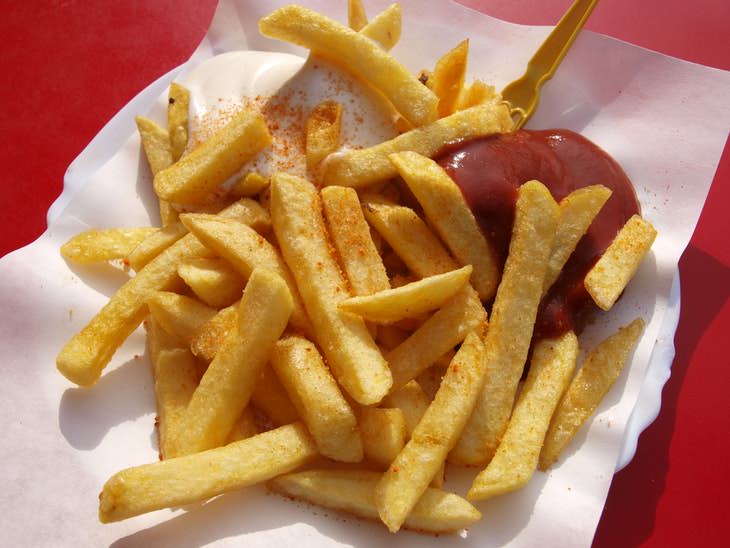
Foods That Are Bad for the Heart french fires
Examples of fried foods: French fries, potato chips, fried fish or chicken, tempura, onion rings. 
 
Why it's bad for the heart: Frying can turn even the most healthy foods, such as zucchini, broccoli, or shrimps into a meal oversaturated in fat and salt. There's plenty of scientific studies that show how eating fried foods can contribute to hypertension, obesity, and type 2 diabetes - all major risk factors of heart disease. 
 
According to a study published in the American Journal of Clinical Nutrition, for example, eating fried foods frequently alone is capable of increasing the risk of heart disease. Therefore, it's best to opt for other cooking methods, such as boiling, steaming, baking, broiling, grilling, or roasting.

4. Candy and sweetened dried fruit
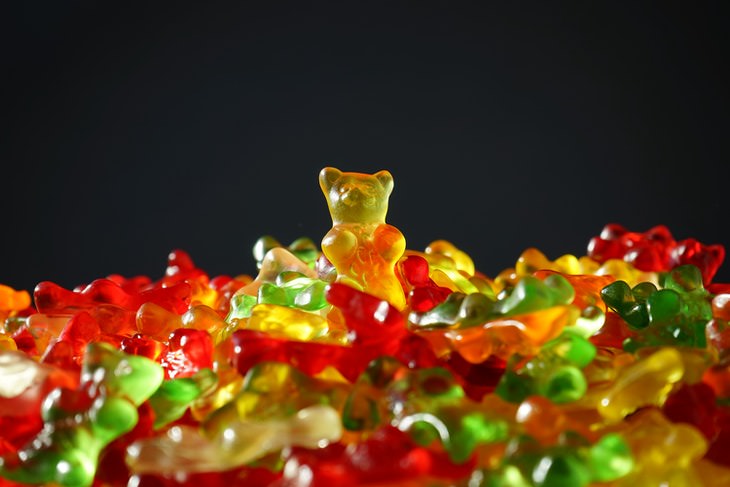
Foods That Are Bad for the Heart Candy
Examples of candy: gummy bears, jellybeans, licorice, milk chocolate, and any sweetened or candied dried fruit. 
 
Why it's bad for the heart: Candy is yet another way excess sugar can sneak into your body. Even if you think that you're eating a healthy snack like candied strawberries or craisins, you may actually be harming your heart and arteries. This is because many dried fruit are soaked in a sugar syrup to make them sweeter, so make sure you're eating unsweetened dried fruit if you like them as a snack. 
 
The main problem with candy is that it rarely contains any beneficial nutrients along with the sugar, unlike fresh fruit that's also rich in fiber, vitamins, and other nutrients. So, essentially, all candy does is increases your risk of developing diabetes, which in itself is a risk factor for heart disease. 
 
5. Alcohol
Examples of alcoholic beverages: beer, wine, whisky, alcoholic cocktails. 
 
Why it's bad for the heart: Any type of alcohol can be bad for you, even red wine, which is often confusingly recommended for people with cardiovascular issues. When it comes to alcohol, moderation is key, which is why the AHA recommends limiting one's daily drinking dose to 1 drink for women and 2 for men. This doesn't pertain to people with a high triglyceride count or hypertension, though, as they should abstain from alcohol completely. 
 
Binge drinking, in turn, is known to lead to heart failure, high blood pressure, strokes, and weight gain according to Webmd, so the less alcohol you drink, the better.

6. Baked goods
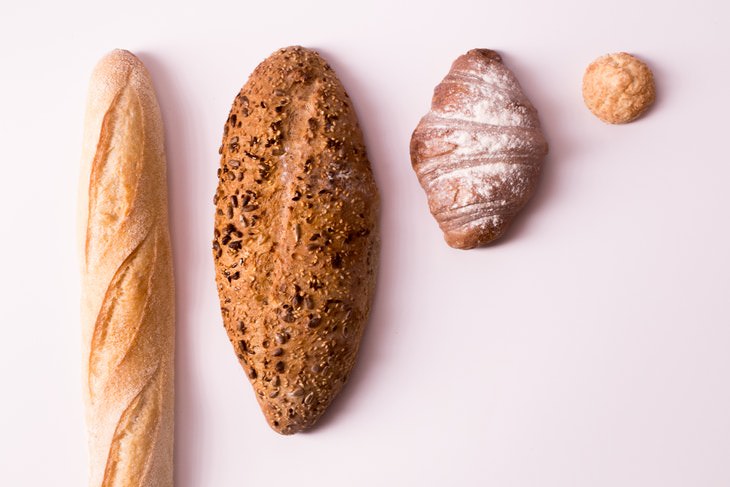
Foods That Are Bad for the Heart Baked goods
Examples of baked goods: croissants, white bread, baguettes, cookies, pizza, pastry, frozen dough. 
 
Why it's bad for the heart: There are a few reasons why you should lay off the baked goods if you want to keep your heart healthy, and one of the main reasons is the inclusion of trans fats. Trans fats are artificially created fats that are usually present in some shortenings or margarine. It's common knowledge that we ought to avoid trans fats completely and in 2015, the US Food and Drug Administration (FDA) proclaimed trans fats unsafe, as they mess with the cholesterol balance and lead to cardiovascular issues. Still, many margarine varieties, especially the cheap ones still contain it. 
 
When purchasing baked goods or frozen doughs and pastries, you may be unknowingly ingesting these dangerous fats. Other foods known to contain trans fats are popcorn and non-dairy coffee creamers. 
 
In addition to that, baked goods are often a source of excessive saturated fats that come from butter, cream, margarine, etc. According to the Mayo Clinic, an average adult should eat no more than 11-13g of saturated fat. These fats, too, can increase one's risk of heart disease if consumed in excess. For your reference, an average butter croissant contains 6.7g of saturated fats, which is about half of the daily recommended intake. 
 
Lastly, baked goods may also be the source of excessive sugar and may not be produced from whole grains (more on that later). 
 
7. Canned fruit and vegetables
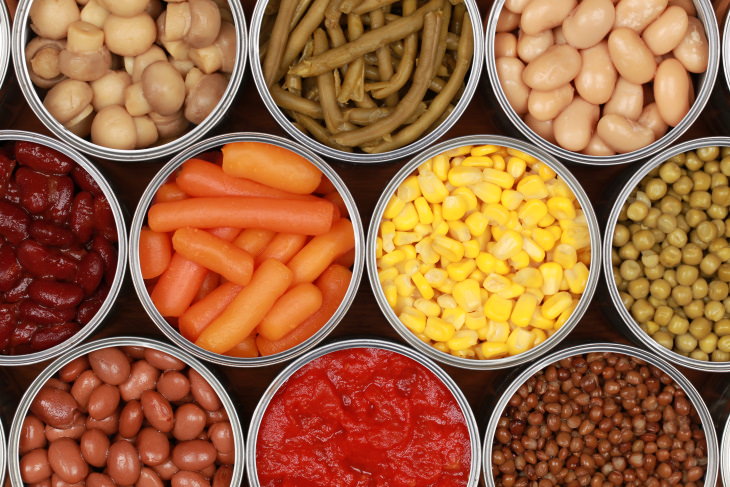
Foods That Are Bad for the Heart Canned fruit and vegetables
Examples of canned foods: canned tomato sauce, canned beans, corn, peas, or chickpeas, canned peaches or pineapples. 
 
Why it's bad for the heart: Not all canned or prepared food is bad for you, and we're definitely not urging you to abandon the convenience of using these foods in your meals. Instead, simply be wary of the kind of canned foods you buy and eat. This is because the main issue with canned foods is not in the foods themselves, but rather in the brine they're preserved in. In fact, Mayo Clinic points out the following, "much of the salt you eat comes from canned or processed foods, such as soups, baked goods, and frozen dinners". 
 
So, controlling the sodium content of these foods is more important than rationing salt when cooking. You can do that by searching for prepared meals and canned goods that have the label "reduced sodium" or "low sodium" on them. The same applies to canned fruit that's preserved in a sugar brine - make sure they're labeled as low-sugar. 
 
8. Refined grains
Examples of refined grains: white flour, white bread, white rice, pasta, rolled oats. 
 
Why it's bad for the heart: Refined grains have been stripped of their healthy fiber, vitamins, and minerals in order to make them quicker to cook, and let's face it - tastier. The problem with these grains is that they're converted into sugar by our body way too quickly, which leads to insulin spikes and fat acquisition in the body. A bigger body weight, in turn, can lead to both heart disease and type 2 diabetes. According to a study from the International Journal of Clinical and Experimental Medicine, for example, a high intake of refined grains alone increased the risk of heart disease by 9.4%. 
 
Of course, this is another reason to also decrease how many baked goods you eat, as most of them are made of white flour. The same applies to white rice and pasta that's not whole wheat. Doctors recommend eating at least half of your grains whole - such as brown rice, steel-cut oats, and whole wheat flour and bread.

9. Ice cream and full-fat sweetened yogurt
Foods That Are Bad for the Heart  Ice cream
Why it's bad for the heart: These two foods deserve their own category, since we often don't think of them as an actual part of a meal, but a quick snack or dessert that "doesn't count". Except it does, as both can be a significant source of fat and sugar. Flavored yogurts, for example, are packed with added sugar, with just 100g of yogurt containing as much as 13g of sugar. Therefore, it's better to opt for plain low-fat yogurt instead - you can add in your own fruit and other toppings, after all. 
 
As for ice cream, it, too, is full of sugar and saturated fat, so it can really drive up your triglyceride levels and could even potentially lead to a heart attack. If you ask us, that's a high price to pay for dessert, so it's best to opt for sorbet or low-sugar frozen yogurt instead and save the ice cream itself for a really special and rare occasion. 
 
10. Cured and fatty meat
Examples of cured and high-fat meat: bacon, salami, sausages, ground meat, hamburgers, pork chops, marbled meat. 
 
Why it's bad for the heart: Let's unpack this one step by step and start with the excessive saturated fat certain meats contain - as we've mentioned previously, it's important to keep your intake of saturated fats low, so dietitians recommend opting for meat that has less than 10% fat in it. This means that bacon, marbled steak, hamburgers, and pork chops should be a holiday special, and the majority of your protein intake should come from lean red meat, or even better - poultry or fish. 
 
As for the cured and processed meats, such as cold cuts, hot dogs, bacon, ham, and salami, they are a separate danger by themselves according to doctors. Not only are they capable of increasing your risk of cancer, a 2020 study from the journal JAMA stated that processed meat increased the risk of both heart disease and death. Another study, in turn, found that the risk of coronary artery disease increases by 42% if you eat processed meats. Therefore, it's safest to simply stay away from processed meats altogether.

This is only for your information, kindly take the advice of your doctor for medicines, exercises and so on.     

https://gscrochetdesigns.blogspot.com. one can see my crochet creations  
https://gseasyrecipes.blogspot.com. feel free to view for easy, simple and healthy recipes    
https://kneereplacement-stickclub.blogspot.com. for info on knee replacement

Labels: , , , , , , , , , ,

Sunday, January 26, 2020

A psychologist offers ways to change bad diet habits

Whether you're trying to lose weight or just eat healthier, sticking to a new diet is tough. Because you're not just breaking one eating habit but you're building a new one at the same time. 

And breaking habits — especially the kind that trigger your brain's reward centers, like when you gorge on ice cream — takes time and effort.

Insider spoke with clinical psychologist Kimberly M. Daniels, who specializes in overeating and weight issues, to learn what she considers the best practices for how to break the habit of a poor diet, adopt a new, healthier one, and — most importantly — stick to it.


How to break the habit of a poor diet

"I advise people not even to call it a diet. That brings up all kinds of negative emotions and expectations, such as deprivation, rules, food logs, etc," Daniels says.

Daniels explains that when it comes to breaking bad habits, it is helpful to think of current habits in terms of self-care. 


"Binge eating ice cream every night would easily be defined as a bad habit, but people do that to soothe or comfort themselves. So it's actually self-care. Self-care that doesn't get you anywhere good, but still self-care."

Daniels recommends trying to uncover why you are performing this self-care habit by asking yourself some questions.

    If you're eating ice cream every night, why? 
    What are you avoiding? 
    What are you distracting yourself from? 
    Why do you feel the need to comfort yourself in that way?

Once you understand your reasons more clearly, you can start to address the real cause of the behavior and break the bad habit. For example, "if you're eating ice cream every night because you're lonely, how can you boost your social connections?" says Daniels.


How to adopt the habit of a good diet

When developing new good habits, mental setbacks are a natural part of the process.

"I often find that people feel unworthy of something better," says Daniels. "Many people feel horrible about themselves." So, as you develop good habits, it's important that they're not only good by nature but that they make you feel good, too.

To achieve that, it's important to manage your expectations accordingly. Daniels says that happiness is often an expectation for those who lose weight. When happiness doesn't necessarily occur, they give up.

That's why being realistic with yourself about what you hope to accomplish by adopting healthier eating habits is essential. If it is to lose weight, ask yourself why is this important to you, and what do you expect to gain from losing weight? "It's extremely important to make your expectations realistic," says Daniels. 


This goes hand-in-hand with the next step: Set realistic goals when it comes to implementing new habits. Overloading yourself with too many changes at once can become overwhelming.

"I always say slow and steady wins the race. Traditional diets don't work because they ask you to make 27 changes all at the same time. That's impossible", Daniels says. She suggests choosing one or two simple aspects of your diet that you'd like to work on at a time and don't make any other changes until you have those down.

And as you start to make those changes, focus on adding healthy foods into your diet rather than on cutting unhealthy foods out, such as sugar or carbs. Removing foods makes you feel deprived. Whereas adding foods gives you a sense of accomplishment. 


How to stick to your new diet

You know you can stick to a new diet when that diet no longer feels new and becomes second nature. To achieve that it's as the saying goes "practice makes perfect" and sticking to your new healthy eating pattern is no exception. It takes time and practice.


Daniels explains that in the beginning, you will be very aware of what you're eating all the time. Thinking about whether or not you are hungry and if not, why you're choosing to eat is something that takes practice.

"That does get easier over time, especially if you realize you have patterns such as always eating when you're tired or bored. Once you realize this, you can plan for it and avoid it" says Daniels.

Daniels says you'll know it's a habit when "it no longer requires your attention. You don't have to think about it anymore. It just happens naturally."


This is only for your information, kindly take the advice of your doctor for medicines, exercises and so on.     
https://gscrochetdesigns.blogspot.com. one can see my crochet creations  
https://gseasyrecipes.blogspot.com. feel free to view for easy, simple and healthy recipes    
https://kneereplacement-stickclub.blogspot.com. for info on knee replacement
 

Labels: , , , , , , , , , , ,

Sunday, December 15, 2019

Are Some Foods MORE Addictive Than Others?

We often say we’re “addicted” to the food we love and crave the most, and for some reason, this food is never carrots or broccoli, but some version of fast food, like pizza or french fries. But what if being addicted was not just a phrase we use, and we could really become dependent on certain foods? It turns out that this might just be the case, and our brain might be to blame. Let’s find out which foods are the most and least addictive, as well as the science behind it in this article.

What Makes Us Addicted to Certain Foods?
A fairly recent scientific observation is that in some individuals, certain foods create some of the same patterns of addiction observable in people dependent on drugs or alcohol, namely the inability to stop eating and binge-eating despite negative consequences. Food addiction is also associated with compulsivity and emotional attachment.

It has been estimated that about 20% of the general population is affected, and people suffering from obesity are even more likely to exhibit addictive eating behavior.

Even more astonishingly, neuroimaging research uncovered that people who exhibit symptoms of food addiction have identical pathological reward patterns in the brain with those suffering from substance and alcohol abuse. This is a huge problem, as overeating and resultant obesity significantly increase one’s risk of a wide variety of diseases, including diabetes, cardiovascular disease, and cancer.

10 of the Most Addictive Foods
The results of the study revealed that the following foods were found to be the most addictive: ( GI in brackets)
1. pizza (4.01)
2. chocolate (3.73)
3. chips (3.73)
4. cookies (3.71)
5. ice cream (3.68)
6. french fries (3.60)
7. cheeseburgers (3.51)
8. soda (not diet) (3.29)
9. cake (3.26)
10. cheese (3.22)
Note the numbers next to each food: the researchers ranked each food on a scale from 1 to 7 from least to most problematic and addictive, and each number reflects the position of each food on that scale.


It seems that foods that are the most likely to cause addiction are highly processed foods, foods that have a lot of added sugar or salt, and those that are fried. All of the foods above except for cheese are highly processed, and the researchers state that processing is the most accurate predictor of a possible addictive response. This is because highly processed foods like chocolate, chips, and ice cream are high in carbs and sugar and very easy and quick to digest, producing sugar spikes that our brain can get addicted to.


When exposed to these high-risk foods, certain areas in the brain release high amounts of dopamine, a neurotransmitter that makes us feel satisfied and satiated. Very soon, when the blood sugar level starts to fall, this feel-good effect wears off, leaving you with a feeling of craving more. Some people are more responsive to these brain hormone spikes than others, and in the course of the study, 10% of the overall 518 people invited to participate in the study were diagnosed with food addiction.


10 of the Least Addictive Foods
According to the same research, the following foods were the least likely to cause addiction:(GI in brackets)
1. cucumbers (no dip) (1.53)
2. carrots (1.60)
3. beans (no sauce) (1.63)
4. apples (1.66)
5. brown rice (no salt) (1.74)
6. broccoli (1.74)
7. bananas (1.77)
8. salmon (1.84)
9. corn (no butter or salt) (1.87)
10. strawberries (1.88)


In contrast with the previous list of highly addictive foods, none of the foods on the list above contains highly processed foods. In addition, all of these foods apart from the salmon are extremely low in fats, quite low in salt, and have a relatively low glycemic load, in stark contrast with the first list. This would suggest that these foods are much less likely to cause blood sugar spikes and the resulting dopamine reward, and thus they will not cause addictive behavior.


To conclude, you shouldn't blame your poor willpower if you can't help but indulge in these high-risk foods from time to time, as it turns out that they can, in fact, make you addicted. If you fear that this might affect your health, stay away from these and other highly processed foods and opt for wholesome foods to break the bad habit, or seek professional help if you feel like the issue is too big for you to address on your own.

Additionally, it has been observed that it isn’t just any food that can generate the addiction, which is why you rarely, if ever, hear of a person eating too much broccoli or cucumbers. Usually, it’s the most highly processed and unnatural foods that generate the condition. This is both good news and bad news, as this means that most of us were exposed to the culprits, but it also means that avoiding these foods can prevent the behavior completely.

But let’s be more specific and look at the results of a recent study, where researchers tried to establish which food varieties are the most and least addictive.


this is only for your information, kindly take the advice of your doctor for medicines, exercises and so on.     
https://gscrochetdesigns.blogspot.com. one can see my crochet creations  
https://gseasyrecipes.blogspot.com. feel free to view for easy, simple and healthy recipes    
https://kneereplacement-stickclub.blogspot.com. for info on knee replacement


Labels: , , , , , , , , , , , , , , , , , ,