Tuesday, July 16, 2024

The 14 Most Common Headaches

Headaches are a peculiar sensation. Even though the brain doesn't have the ability to feel pain, it's the surrounding tissues, blood vessels, nerves and chemicals that produce pain signals. This leads to the question of what causes different types of headaches and how to manage them. In this article, we'll explore 14 common types of headaches, their underlying causes, and methods to treat them.
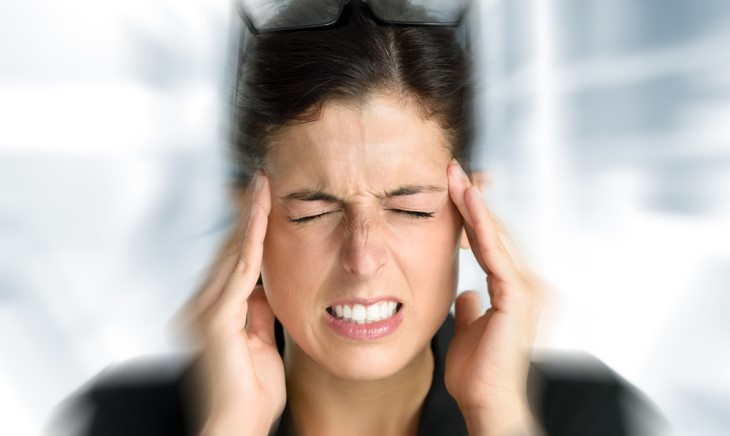
headaches

1. Rebound headache 
Rebound headaches stem from chronic medication use. Overusing non-steroidal anti-inflammatory drugs (NSAIDs) like ibuprofen, acetaminophen, or aspirin, or taking migraine medication more than 10 days a month can increase your risk of developing rebound headaches. These headaches occur when painkillers are taken in excessive doses, causing pain rather than preventing it. It is recommended that you don't attempt to handle the problem of stopping medication on your own. Instead, seek the advice of a doctor who can provide alternative treatments to help you stop the medication safely. 
 
Where it's located: These are typically generalized headaches, meaning the pain can occur in any part of the head. It often feels like a dull, tension-type headache. These are typically generalized headaches, meaning the pain can occur in any part of the head. It often feels like a dull, tension-type headache. 
 
 
2. Tension headache 
Tension headache is the most common type of headache, characterized by persistent pressure or throbbing on both sides of the head or in the back of the head and neck. Stress, poor posture, and teeth grinding are common causes of tension headaches. While the physiological explanation for this type of pain isn't entirely clear, it is believed to be a change in the balance of chemicals in the brain or signals involved in the nerves leading to the brain. Over-the-counter pain relievers, such as aspirin, ibuprofen, or acetaminophen, can help treat headaches caused by stress. Natural stress-relievers like meditation and yoga can also be effective. 
 
Where it's located: The pain is often described as a constant band-like pain around the head, generally on both sides, or at the back of the head and neck. 
 
 
3. Toothache that causes headaches  
There are certain dental conditions like bruxism (teeth grinding) or TMJ (jaw joint problems) that can lead to facial pain or headaches. While teeth grinding usually happens at night, TMJ affects the joints situated in front of the ear, amidst the jaw and the skull. These disorders may arise due to a misaligned jaw, stress, poor posture, arthritis or erosion of cartilage, muscles, and ligaments in the jaw. Your dentist can help you diagnose the root cause of your headaches. If it is related to dental problems, he may suggest treatments like stretching the jaws, bite guards, or other alternatives to reduce tension. 
 
Where it's located: This type of headache can occur anywhere, but it's typically felt in the lower part of the head, around the jaw, or the cheekbones. 
 
 
4. Cluster headaches 
Cluster headaches are an intense form of headache that cause severe pain on one side of the head, around the eye, temple area, and sometimes in the jaw. These headaches can last from 15 minutes to 3 hours, and they occur repeatedly for a specific duration of time. They are more prevalent in men and can be triggered by various factors, such as alcohol consumption, smoking, and certain foods. Symptoms of cluster headaches include redness, drooping eyelids, runny nose, or tearing in both eyes. Treatment options include triptan family substances that increase serotonin levels and oxygen therapy. Non-steroidal anti-inflammatory drugs aren't effective in managing cluster headaches.
 
 Where it's located: Cluster headaches typically present as severe pain on one side of the head, often around the eye and temple area. 
 headaches
 
5. Migraine 
A migraine is a type of headache that affects one side of the head and is more common in women than men. The exact cause of migraines isn't well understood, but it is believed to be related to changes in brain activity that affect blood vessels and nerves. Migraines can be triggered by various factors, including changes in sleep patterns, diet, hormones, or mood. They typically last anywhere from 4 to 72 hours and are often accompanied by nausea, vomiting, and sensitivity to light, noise, and smells. Physical activity can make the pain worse. Treatment options for migraines include pain relievers like acetaminophen, ibuprofen, or triptans, as well as avoiding certain triggers like alcohol, smoking, and artificial additives. Drinking more water or green tea and getting plenty of rest can also help alleviate symptoms. 
 
Where it's located: Migraines are typically experienced as a severe, throbbing pain on one side of the head.


6. Caffeine headache  
A caffeine headache can occur when a person who regularly consumes high amounts of caffeine suddenly stops or reduces their intake, causing the body to go into a state of stress and resulting in headaches within 12 to 24 hours. While painkillers can provide temporary relief, it's best to change consumption habits by either consuming caffeine at a fixed time, reducing caffeine intake, or completely giving up caffeine to alleviate the pain. 
 
Where it's located: The pain from caffeine headaches can be felt throughout the head, but often it is a generalized headache. 
 
 
7. Orgasm headache 
 This may sound way out there, but occasionally, individuals may experience pain during or after sexual activity, which is more common among young men. This discomfort, which originates from physiological changes during sexual arousal, is usually focused in the neck and nape muscles or caused by pressure in the arteries and veins leading to the brain. Although the pain is generally not harmful and doesn't affect sexual performance, those who experience it frequently should seek medical advice as it may be caused by abnormal blood flow. In such cases, taking a pain reliever before sexual activity may help alleviate the pain. 
 
Where it's located: These headaches usually begin at the base of the skull and neck and can spread to the rest of the head.
 
 
8. Early morning headache 
Experiencing a headache in the early morning can be quite bothersome and may have various underlying causes. These causes range from migraines, rebound headaches, toothaches, dehydration, to aggravation after a night of alcohol and lack of sleep. However, in rare cases, it may also be a symptom of a brain tumor. If you frequently experience early morning headaches and can't find a logical explanation for them, it is advisable to seek medical attention. 
 
Where it's located: The pain location can vary greatly depending on the underlying cause. It could be anywhere from the front, back, or sides of the head. headaches

headaches

9. Sinusitis 
Sinusitis is another possible cause of early morning headaches that shouldn't be overlooked. These types of headaches are caused by pressure or inflammation in the sinuses. The pain can be felt on both sides of the nose, in the cheekbones, forehead, and can radiate to other areas including the teeth and jaw. Sinusitis can also cause nasal congestion and watery eyes, but is primarily due to an infection and may include symptoms such as a green runny nose, cough, phlegm, sore throat, and fever. It is important to seek medical treatment for sinusitis and consult an otolaryngologist if there are concerns. 
 
Where it's located: The pain is usually localized to the front of the head around the forehead, cheekbones, or bridge of the nose. 
 
 
10. Ice cream headache 
Ganglioneuralgia is a medical term used to describe the headache caused by consuming extremely cold drinks or foods such as ice cream, cocktails, popsicles, and ice. This phenomenon can particularly affect people who suffer from migraines. When something extremely cold touches the upper palate, the body reacts by constricting peripheral blood vessels to maintain body heat, which causes a localized drop in blood flow. As the blood vessels expand again, the nerves transmit a sensation of pain to a nerve area in the head. To deal with this, take a break from the cold until the pain subsides, drink a sip of water at room temperature to help narrow the arteries, or move the tongue on the roof of the mouth to increase heating in that area. 
 
Where it's located: This type of headache typically causes a sharp, stabbing pain in the forehead.

ice cream headache

11. Daily chronic headaches 
If you experience a headache for 15 or more days a month, continuously for three months, you may be suffering from daily chronic headaches. These types of headaches can be caused by various factors such as overuse of painkillers, severe head injury, meningitis, or cancerous tumors in rare cases. When the cause of the pain is unknown, it could be due to the body's pain signals not functioning correctly. Treatment options include antidepressants, beta blockers, anti-epileptic drugs, pain relievers like naproxen, and even botox injections, but it's essential to consult a medical professional.

Where it's located: These are often generalized and can be felt in any part of the head.


12. Premenstrual headaches  
Premenstrual headaches can be quite distressing for women, as the sudden drop in estrogen levels just before menstruation can cause severe headaches. These headaches usually occur three days before and two days after the period. Along with premenstrual headaches, women may experience other premenstrual syndromes such as depression, uterine contractions, and chest pains. If the pain becomes chronic, it is advisable to consult a gynecologist who may suggest taking magnesium supplements, pain relievers or alternative treatments like acupuncture. 
 
Where it's located: These headaches can vary in location, but many women describe the pain as similar to a tension headache or migraine, which could be generalized or on one side. 


13. Weekend headaches  
Headaches that occur due to stress, fatigue, or disrupted sleep-wake cycle are common. Such headaches might also occur over the weekend due to accumulated stress and fatigue, leading to physiological and energetic exhaustion during rest days. The pain is usually felt as strong pulsations in the temple area. Changes to our sleep-wake cycle at the end of the week, including late bedtimes and wake-ups, might result in increased stress and disrupt our body's natural mechanism, causing pain. Over-the-counter pain relievers and maintaining a regular sleep-wake cycle may help alleviate the pain. 
 
Where it's located: Similar to tension headaches, weekend headaches often manifest as a dull ache or pressure around the forehead or back of the head and neck. 


14. Emergency/alarm headaches 
Headaches are not usually considered emergencies, but there are certain warning signs that require immediate attention. One such sign is a sudden and explosive headache. Seek immediate medical assistance if the pain is accompanied by a fever, a significant increase in blood pressure, or if it occurs after a head injury or intense physical activity. Other concerning symptoms include vision or speech changes, neck stiffness, dizziness, loss of sensation, and muscle weakness on one side of the body. Seek medical attention right away. 
 
 
Where it's located: These headaches can be located anywhere in the head, but the key characteristic is their sudden, severe ones.


This is only for your information, kindly take the advice of your doctor for medicines, exercises and so on.   

https://gscrochetdesigns.blogspot.com. one can see my crochet creations  
https://gseasyrecipes.blogspot.com. feel free to view for easy, simple and healthy recipes    
https://kneereplacement-stickclub.blogspot.com. for info on knee replacement
https://cancersupportindia.blogspot.com  for infor on cancer and health related topics
https://GSiyers home remedies.blogspot.com   is the latest addition to my blogs. I'm going to add posts there, do give me your valuable feed back on my blogs. Thanks a lot, take care, be healthy and be happy.

Labels: , , , , , , , , , , , ,

Friday, June 11, 2021

The 4 Major Types of Headaches: What to Look Out For

Headaches are one of the most common ailments out there and in most cases they are harmless. Everyone experiences a headache every once in a while. Of course, if this is a recurring situation for you, it may indicate some sort of headache disorder or another urgent medical condition. These are called secondary headaches. To learn more about them, check out our previous article titled 7 Warning Signs That Your Headache Is a Medical Emergency.

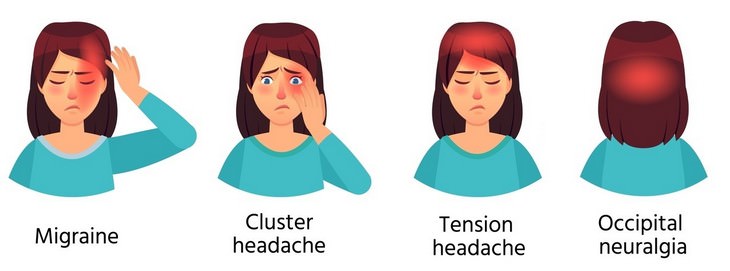
Occipital neuralgia, infogrpahic
The types of headaches listed in this article are primary headaches, meaning they are conditions in themselves and not a symptom of a separate underlying condition. Primary headaches can develop as a result of brain chemicals, nerves, muscle tension, and even genetics; doctors can't always pinpoint one exact cause. We rounded up their characteristics, where they stem from, and what can be done for prevention and treatment. 
 
1. Tension Headache
Types of Headache, tension headache
Tension headaches are the most common type of primary headaches and according to the World Health Organization, they affect about half of the women population and one-third of men. They are often referred to as 'hatband headaches' because the muscles around the scalp become tight and cause pain in the back of the head, the temples and forehead as if a tight hat was in place. They tend to be pressure-like at onset and can last from hours to days. 
 
Common triggers for tension headaches include: 
Stress 
 
Eyestrain 
 
Depression 
 
Fatigue 
 
Alcohol use or caffeine use. 
 
Treatments and Prevention:  
Tension headaches are usually treated with over-the-counter pain medication like aspirin, ibuprofen, or acetaminophen (Tylenol). Chronic tension headaches are labeled as such when they occur 15 days or more in a month. In these cases, patients are sometimes treated with muscle relaxers. 
 
An effective way to prevent tension headaches is by managing stress and learning relaxation techniques like deep breathing, yoga, or guided imagery. Try to pace yourself in your daily life, take breaks, and carve time to do the things you enjoy. For some people mindfulness - staying in the here and now, instead of following thoughts of worry and fear - proved to be helpful. A 2019 study looking at 55 women who suffer from chronic tension headaches found that those taught relaxation techniques as well as being treated with muscle relaxers experienced fewer headaches than those who only took the medication. 
 
2. Migraine Headache  
Types of Headache, migraine
Migraine headaches involve a moderate to severe throbbing pain, usually on one side of the head. This, too, is a very common type of primary headache, about 12% of Americans experience migraines, and women are three times more likely than men to have these headaches. Other symptoms of migraines can be nausea, vision changes, and weakness. Genetics seems to play a role, as migraines often run in certain families, but scientists are still trying to figure out the exact way they might be transmitted. Because migraines are recurring, it’s important to identify their triggers, which might vary in different people. 
 
Common triggers include:  
Certain foods - for some people chocolate, yeast, and processed meat can trigger migraines, although scientists are not sure why. 
 
Hormonal changes - 7% to 19% of women suffer from menstrual migraines, which occur 2 to 3 days before the start of the period. 
 
Lack of sleep and stress - scientists have identified that stress and lack of sleep might cause hormonal changes that can trigger migraines. 
 
If you’re not sure what is triggering your migraines, keep a migraine ournal, noting everything that happened on the days leading up to the migraine. With time, a pattern is likely to be recognized. 
 
Prevention and treatment: occasional migraines can be treated with over-the-counter medication, like aspirin, Tylenol, and other NSAIDs. However, be cautious, as overusing these medications trigger migraines, too. It’s best to consult your doctor regarding the safe use of such medication, but generally speaking, taking them once a week is safe. There are also prescription drugs that can help prevent migraines as soon as symptoms appear. Consult your healthcare provider for a migraine treatment plan that is right for you.
3. Cluster HeadacheTypes of Headache, cluster headache
This less common type of headache is characterized by severe pain in one side of the head, particularly centered behind the eye. Other symptoms may include tearing, drooping eyelids, and nasal congestion. Cluster headaches get their name because they appear in clusters, lasting weeks to months, and they are more common in men than women. Attacks will usually occur every day, sometimes several times a day and often at the same time of the day. 
 
Unlike the previous types of headaches we discussed, cluster headaches aren’t really associated with triggers like food or hormonal changes, or stress. In fact, the cause of these headaches is unknown but patterns suggest that abnormalities in the body's biological clock (and the hypothalamus, in particular) play a role. Moreover, once a cluster period begins, drinking alcohol may quickly trigger a splitting headache. 
 
If you think you are experiencing a cluster headache, the best thing to do would be to see a doctor and rule out any more severe conditions. "The most serious aspect of cluster headaches is making sure that the diagnosis is correct and another secondary cause of headaches is not missed," explained physician Lean Poston.

4. Occipital Neuralgia
Types of Headache, Occipital neuralgia
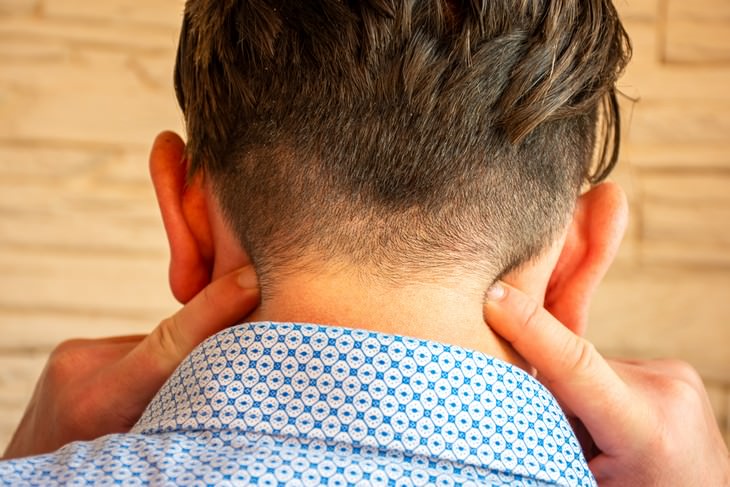
This type of headache is considered quite rare. Occipital neuralgia is a condition in which the nerves that run from the top of the spinal cord up through the scalp, called the occipital nerves, are inflamed or injured. As a result, you may feel a sharp, jabbing, and electric pain in the back of your head or base of your skull. It will typically work its way up to the scalp. 
 
Occipital neuralgia is often confused with a migraine as the two conditions have some overlapping symptoms like sensitivity to light. That’s why it’s vital to see a doctor and get the right diagnosis. 
 
Treatment and prevention: The first steps you can take to relieve the pain are applying heat to your neck, resting in a quiet room, and massaging tight and painful neck muscles. Over the counter, anti-inflammatory drugs like naproxen or ibuprofen are also effective, and if those don’t help, your doctor may prescribe prescription medication.

This is only for your information, kindly take the advice of your doctor for medicines, exercises and so on.   

https://gscrochetdesigns.blogspot.com. one can see my crochet creations  
https://gseasyrecipes.blogspot.com. feel free to view for easy, simple and healthy recipes    
https://kneereplacement-stickclub.blogspot.com. for info on knee replacement

Labels: , , , , , , , , , , , , ,

Wednesday, December 11, 2019

All the Types of Headaches and What Causes Them

I have a resident headache that accompanies me almost everywhere I go — it starts from one shoulder blade, shoots up either side of my neck, and hangs out at the base of my skull for a bit, before progressing to either temple, where it lets itself be known in rhythmic pulsations. It’s consistent, regular, painful, unwelcome — and very common.

Headaches are a ubiquitous ailment — the first symptom of most diseases as well as most minor health states; if you’re dehydrated, here take a headache; if you’re sleep deprived; a headache is awaiting your pained existence; you have a brain tumor? Headache. How do we even know when a headache needs a glass of water and a burp, or a visit to the doctor? 


The tension or stress headache
One of the most common types of headaches is the tension headache, which generally lasts for several hours and manifests as mild to moderate pain across the forehead or back of the head, a tenderness in the neck and shoulders, or a feeling of pressure behind the eyes, according to Harvard Health, Caused by contractions in the neck and shoulder muscles, its triggers can include stress, lack of sleep, fatigue, hunger, or caffeine withdrawal, or abuse of alcohol and cigarettes. They can often be cured by regular sleep, exercise and food habits, better posture, and effective management of stress triggers with therapy. When tension headaches persist for longer than a few hours, and intensify, they can resemble another common type of headache: the migraine.


The migraine(s)

While less frequent than tension headaches, migraines are more intense — they are characterized by throbbing pain in the temple, eye or back of the head, accompanied by nausea or sensitivity to light and sound. Two to three times more common in women than in men, “migraines are caused by changes in the brain’s blood flow and nerve cell activity. Genetics play a role since 70% of migraine victims have at least one close relative with the problem,” according to Harvard Health. Even migraines, however, are usually triggered by changing weather, fluctuating sleep patterns, stress, and sensory triggers such as bright lights or strong smells.

20% of migraines are accompanied by neurological symptoms called an “aura,” according to Harvard Health, which can include halos, flashing lights, wavy lines, temporary loss of vision, or numbness and tingling on either side of the body. As for its treatment, “Some people can prevent migraines simply by avoiding triggers. Others do well with prompt therapy for occasional attacks. But patients who suffer frequent migraine attacks often benefit from preventive medications,” Harvard Health delineates. 


The cluster headache

According to the International Classification of Headache Disorders, cluster headaches are sudden, recurrent headaches manifesting as piercing, burning pain behind one eye. They’re characterized by a swollen eyelid, runny nose or a watery eye, and usually lasts between 15 minutes and three hours. Cluster headaches occur, well, in clusters, throughout the day, and can persist for weeks or months. Medical professionals advise avoiding alcohol and cigarettes during cluster headaches, and can prescribe medication suited to the intensity and frequency of the headache. 


The exertion headache

Arising out of extra-intensive physical activity such as running, weight lifting, or even sex, exertion headaches manifest as short-term pain throughout the head. They can be handled by using over-the-counter medication after the workout or by using beta blockers before the exertion upon prescription, according to Healthline.


The rebound headache

Headaches can also be caused by another condition in the body, such as a head injury or withdrawals. The most common is the medication-overuse or rebound headache: if you have taken painkillers for headaches for more than 15 days in a month, you’re likely to get a rebound headache characterized by restlessness, nausea, and sleep disturbance. In order to cure a rebound headache, you’ll need to drastically reduce your medication usage, which will worsen symptoms in the short term but prove helpful in weaning off of the pills in the long term, according to the Mayo Clinic.

The sinus headache

Caused by sinusitis, or sinus-swelling, sinus headaches are seasonal, and cause mild to moderate pain that manifests in the face, at the bridge of the nose, in the cheeks, or even in the teeth and jaw — mostly to people with allergies or a cold. Sinus headaches are usually accompanied by nasal symptoms such as thick discharge or a blocked nose. If nasal symptoms are not present, it may just be a migraine. Nasal sprays can help reduce sinus headaches.
The caffeine-withdrawal headache

According to John Hopkins University, consumption of caffeine can be as low as one small cup containing 100 milligrams of caffeine per day to cause a headache when stopped. Caffeine narrows blood vessels in the brain — in its absence, the blood vessels widen and facilitate increased blood flow, which can trigger a headache. Caffeine withdrawal headaches are usually accompanied by fatigue, difficulty concentrating, nausea and muscle pain.

One way to ease a caffeine withdrawal headache — as well as other headaches — is to take a pain reliever that includes caffeine as an ingredient,” Healthline reported. “Not only does caffeine help your body absorb the medication more quickly, it makes these drugs 40 percent more effective.”


The menstrual migraine

Right before a period begins, the female body experiences a drop in estrogen — the hormone that controls the chemical part of the brain associated with the sensation of pain. Many women report suffering from migraines at this time, according to the Mayo Clinic. Similar is true for any point in a woman’s reproductive cycle that experiences a drop in estrogen levels, such as perimenopause or menopause.

Over-the-counter pain medication, acupuncture, ice packs, and relaxation exercises can help ease the debilitating effects of the menstrual migraine, the Mayo Clinic advises.


The head-injury headache

Headaches resulting from any traumatic head or brain injury can manifest within seven days of the injury and can take many forms, according to the American Migraine Foundation (AMF). 85% of headaches after a head injury resemble tension headaches — maximum pain can be felt at the back of the head, either because the blow was to the back of the head, or the muscles in the shoulder and neck are pinching nerves in the region. 15% of headaches following a brain injury are migraines.

In approximately 78% of people, the headaches stay for three months after the injury; for 35%, until one year; and for 24%, even after two years. “Good sleep, exercise to tolerance, relaxation and stress management, reduced caffeine, regular healthy eating and avoidance of acute symptomatic medication overuse are recommended regardless of headache severity or type,” according to the AMF.


The concerning headache


With any headache, if the symptoms exacerbate rapidly, persist for longer than a few days, or are accompanied by loss of sleep, appetite or vision, going to a medical doctor can help identify the underlying problem. 


this is only for your information, kindly take the advice of your doctor for medicines, exercises and so on.     
https://gscrochetdesigns.blogspot.com. one can see my crochet creations  
https://gseasyrecipes.blogspot.com. feel free to view for easy, simple and healthy recipes    
https://kneereplacement-stickclub.blogspot.com. for info on knee replacement


Labels: , , , , , , , , , ,

Thursday, September 19, 2019

20 most painful health conditions a person can have

Pain is never a pleasant thing to experience. It is hard to ignore and chronic pain in specific can end up having a psychological impact, affecting a person’s mental as well as physical health.

A list by the National Health Service (NHS) has revealed the 20 most painful health conditions to live with, ranging from cluster headaches to shingles, reported MyLondon.

Each illness in the list causes pain so debilitating that it can prevent the sufferers from performing their day-to-day activities.

Here’s a list of those 20 excruciating illnesses. The list is in no particular order of severity of the pain or the seriousness of the condition.

1) Cluster headaches – Often felt around the eye, these are excruciating attacks of pain which emerge on one side of the head. They are considered to be one of the most painful types of headache.
They tend to begin quickly without any sign, with the severe pain often described as a burning sensation. ‘Hardly anyone’ has heard of the condition, according to the cluster headache charity OUCH (UK).
Most people afflicted with this “devastating” illness are struggling on alone and isolated with their pain.

2) Shingles – Ever heard of herpes zoster? Better known as shingles, it is an infection of a nerve and the skin around it which affects a particular area on one side of the body.
The most common symptom is a painful rash that develops into itchy blisters which contain particles of the virus. The devastating attack of shingles usually lasts between two and four weeks, but 20 per cent of the sufferers go on to develop nerve pain in the affected area of skin.
The pain caused by the illness can be severe and last for several months. The infection can occur at any age, but is most common in people over the age of 70.

3) Frozen shoulder– This means your shoulder is painful and stiff for months, sometimes even years. According to the NHS, it means the joint can become so stiff that it is virtually impossible to carry out simple movements, such as raising your arm or picking up something.
It is not unknown as to what causes frozen shoulder but it can happen after a shoulder or arm injury, and is more common in people suffering from diabetes.

4) Heart attack — It is life-threatening and sees the heart muscle starved of oxygen-rich blood. Most of the attacks occur when the arteries narrow and fill up with fatty materials which prevent blood from flowing properly.
Smoking and leading an unhealthy lifestyle are major contributors for heart attacks, so regular exercise and maintaining a good diet are vital for everyone. But some people are more prone to having an attack as heart disease can be hereditary.
The most common signs of a heart attack are – chest pain, which includes tightness, heaviness, pain or a burning feeling in your chest, pain in arms, neck, jaw, back or stomach – for some people, the pain is severe, while others just feel uncomfortable. Sweating, feeling light-headed, becoming short of breath, feeling nauseous are some of the other symptoms responsible for a heart attack.

5) Broken bones — Sorry for stating the obvious, but if you break a bone, it hurts. It’s going to be one of the most painful things you can experience. Broken bones usually heal by themselves, but they may need to be lined up and fixed in position so they set properly. The older you are and the bigger the bone that’s broken, the longer it will take to heal.

6) Complex regional pain syndrome (CRPS) — Like cluster headaches, many people may not have heard of CRPS. The NHS describes it as a “poorly understood condition” in which a person experiences persistent pain.

Although most of the cases of CRPS are triggered by an injury, the pain is much more severe than normal. The pain is usually confined to one limb but it can sometimes spread to other parts as well.
The skin of the affected part can become so sensitive that just a slight touch or even a change in temperature can provoke severe pain. Affected areas can also become swollen and stiff.

Many cases of the illness gradually improve over time. However, some cases never go away, and the affected person experiences pain for many years.

7) Slipped disc — The NHS explained that one of the most common causes of back pain is a slipped disc.
It often takes place because of a twisting or lifting related injury. One of the discs in the spine ruptures and the gel inside it leaks out. Most people with a slipped disc suffer from sudden and severe lower back pain. A slipped disc can also cause leg pain.
The sufferers usually feel better by lying down and it is made worse by moving your back, coughing or sneezing.

8) Sickle cell disease — It is the name for a range of inherited health conditions which affect the red blood cells. A sudden episode of pain, known as a pain crisis, is one of the most common symptoms of the disease.
The pain, which emerges in the bones and joints, can vary from mild to severe and last for up to a week. Some people may experience pain every few weeks, while others may have fewer episodes of pain.

9) Arthritis — People with this disease suffer from constant joint pain, usually in the hips, knees, wrists or fingers. The pain can come on suddenly or over time, and is often associated with muscle aches and stiffness in the joints.

10) Migraine — It is more than just a normal headache. Migraine is a complex disabling neurological disorder.
According to the Migraine Trust, “For many people the main feature is a painful headache. Other symptoms include disturbed vision, sensitivity to light, sound and smells, feeling sick and vomiting.”
The symptoms may vary from person to person. The attacks may differ in length, frequency and severity. The attacks last from 4 to 72 hours and most people are free from symptoms between attacks.

11) Sciatica – It is a back problem that affects the sciatic nerve, which is the longest nerve in the body and runs from behind the pelvis down to your feet.
This disease occurs if sciatic nerve becomes irritated or compressed in any way. Other symptoms include tingling sensations, a bit like pins and needles in the leg, cramp, and shooting pain that starts in the buttock region and travels down towards the foot.
The pain may vary from mild to severely painful to the point where in some cases it is impossible to put any weight on the affected leg. Sciatica can affect anyone, but the younger you are, the less likely it is.

12) Kidney stones – It is one of the most common diseases which can cause extreme pain. The NHS explained that passing a kidney stone can produce a sudden, sharp, cramping pain in your lower back or the side of your abdomen, or occasionally in your groin.
The pain may last for minutes or even hours, with some pain-free intervals in between. The pain often emerges in the middle of the night. It can be extremely severe. Most kidney stones are small enough to come out in your urine, and the pain disappears once the stone has been passed.

13) Appendicitis– It is a painful swelling of the appendix, a small pouch attached to the gut wall. The condition is most common in children, with the pain often felt in the middle of the tummy that comes and disappears.
The pain then shifts to the lower-right side of the stomach and gets progressively worse.
The illness is a medical emergency that typically needs an urgent operation to remove the appendix before it bursts.

14) Trigeminal neuralgia — It is sudden and severe facial pain. Also known as Fothergill’s disease, it involves bouts of extreme pain on one side of the face.
It is described as a sharp shooting pain or like having an electric shock in the jaw, teeth or gums. The pain comes and goes unpredictably in sudden unpredictable attacks that can last from a few seconds to about two minutes.
The attacks usually stop as suddenly as they begin. To date there is no cure for the condition but there are a number of treatments which can offer some relief.

15) Endometriosis – It is a gynaecological condition where tissue similar to the lining of the womb grows in other parts of the body, most commonly in the pelvic region.This tissue responds to the hormones in the same way as the lining of the womb but, with no outlet, it may cause inflammation, scarring and adhesions, leading to severe pain.
The common symptoms of the disease are severe pain during or between periods, very long, heavy and irregular periods, painful bowel movements, pain in the bladder and pain during or after sex.
Extreme fatigue is also very common, and fertility may also be affected due to this illness. As of now, there is no cure for endometriosis, but the condition is manageable and timely diagnosis can save women from many years of constant pain.
There is no cause for the disease and the only way to determine if a woman has it is through a laparoscopy, usually done under general anaesthetic.

16) Gout — This condition is where swelling and severe pain develops in a joint. It is a painful rheumatic disease which causes the inflammation of the joints and often starts in the feet or toes – for 70 per cent of sufferers a joint in the big toe is the first one to be affected.
Gout, which mainly affects men, aged between 40 and 60 causes acute, painful attacks of arthritis in the joints of the foot, knee, ankle, hand and wrist. Attacks can last between one and 10 days, and often involve the joint aching, swelling and becoming red, hot and painful.
It can be treated through either medicine or a major change in lifestyle.

17) Acute pancreatitis – It is the swelling of the pancreas. The most common symptom is extreme abdominal pain that occurs suddenly. The pain often gets steadily worse and can travel along your back or below your left shoulder blade.Eating or drinking, especially junk foods, may also make you feel worse very quickly.
Leaning forward or curling into a ball may help to relieve the sudden pain. Lying flat on your back often increases it.

18) Stomach ulcer – It is an open sore in the lining of your stomach or your small intestine. The main cause of these ulcers is bacteria, responsible for up to 90 per cent of cases.The second most common reason is overuse of non-steroidal anti-inflammatory drugs (NSAIDs) including the commonly used ibuprofen which can irritate the stomach lining in some people.

Excessive smoking or alcohol abuse can also increase the chances of developing the disease.

Chronic stress can also increase the chances of developing a stomach ulcer and this, combined with the bad habits, such as irregular meal patterns and generally eating on the move, can play a major factor.
In some sufferers eating can ease the pain whereas for others it makes the pain worse. Most people find that junk foods, citrus drinks and spicy food irritate the ulcer. It is vital that these types of food are avoided to reduce the chances of severe pain.

19) Fibromyalgia — The chronic condition causes widespread pain and fatigue.According to the Fibromyalgia Action UK, “The pain tends to be felt as diffuse aching or burning, often described as head to toe. It may be worse at some times than at others. It may also change location, usually becoming more severe in parts of the body that are used the most.”

“The fatigue ranges from feeling tired, to the exhaustion of a flu-like illness. It may come and go and people can suddenly feel drained of all energy – as if someone just ‘pulled the plug’,” the Fibromyalgia Action UK added.

20) Pain after surgery — It’s very common to experience pain after an operation, though the intensity of the pain will vary according to the type of surgery.But enduring extreme pain after surgery is not a good thing according to the NHS.

Here’s hoping that the NHS’s list of these conditions will get the people taking them more seriously.

this is only for your information, kindly take the advice of your doctor for medicines, exercises and so on.   
https://gscrochetdesigns.blogspot.com. one can see my crochet creations 
https://gseasyrecipes.blogspot.com. feel free to view for easy, simple and healthy recipes    
https://kneereplacement-stickclub.blogspot.com. for info on knee replacement


Labels: , , , , , , , , , , , , , , ,