Friday, September 03, 2021

Why heart attacks are becoming common in younger ages and what can you do to avoid them

Sidharth Shukla passes away due to a heart attack at 40

In some terrible news, famed Television star and former reality show Bigg Boss winner, Siddharth Shukla died this morning (September 02) following a massive heart attack. The news comes as a shock to not just the fraternity but the millions of fans the actor had. He was only 40 years old.

Preliminary reports suggest that the actor, known for his role in the television show, Balika Vadhu had suffered from a sudden heart attack that claimed his life. Some sources suggest that Sidharth had taken some medicines before going to sleep and didn't wake up. Postmortem reports are still awaited.

Officials from Cooper Hospital, Mumbai have stated that the actor was brought in dead. He is survived by his mother and two sisters.

Raj Kaushal's untimely demise

Just last month, another known face and Bollywood director, actress Mandira Bedi's husband, Raj Kaushal passed away after a sudden heart attack. While doctors are yet to rule out a conclusive link to Shukla's untimely heart attack and death, unfortunately, there have been rising reports of cardiac ailments and sudden heart attacks claiming the lives of many in their 30s and 40s, which many say is an alarming statistic which needs trivial attention.

Can you get a sudden heart attack?
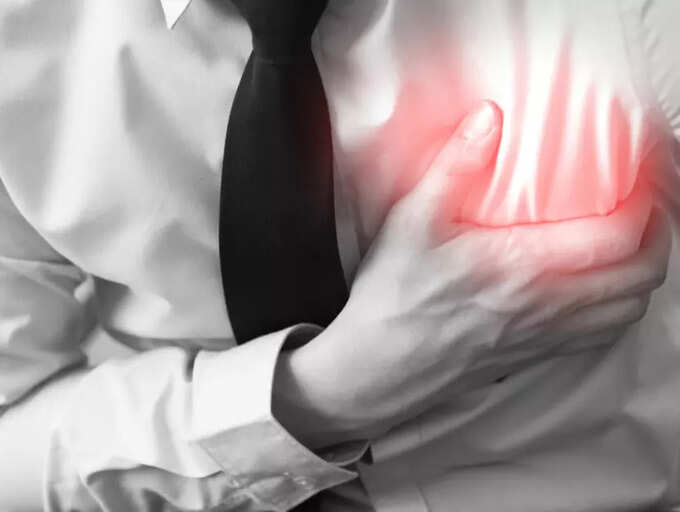
 A heart attack, also referred to as myocardial infarction is defined as a medical issue when the blood flow to the heart is abruptly brought to a stop owing to any sort of blockage, which can occur due to the formation of plaque (mostly due to fat and cholesterol build-up). The interrupted blood flow can damage or destroy part of the heart muscle and since they can be so threatening, they require help and medical care at the very onset.

While sudden heart attacks can be absolutely fatal and strike abruptly, experts say that many people can have warning signs and symptoms related to the heart attack days or weeks before the actual occurrence.

Why are heart attacks rising these days?

A sudden heart attack is a massive shocker for the body. While there's no particular age for a person to get it, lifestyle factors, risk factors, diet and genetic issues are leading to an increased incidence or more and more people in their 30s and 40s, otherwise marked to be healthy ages to lose their lives to heart predicaments. Owing to the pandemic too, there have been reports of post-COVID heart issues, clotting disorders and complications, which made many susceptible to getting a heart attack.

In India, the number of people dying of heart attacks has been constantly on the rise since 2014, with reports suggesting that the incidental risk has gone up by 53% in 5 years time.

Is rising stress a big factor to blame?

While we do witness a sharp rise in the number of younger people getting heart attacks, doctors also warn that stress is a big reason behind the rising heart ailments. As per Dr. Tilak Suvarna, Senior Interventional Cardiologist, Asian Heart Institute, "Increased stress is another important risk factor observed especially during this pandemic that can become a reason for a heart attack. It is difficult to measure stress and therefore it is important to manage it through lifestyle modifications such as yoga, meditation and physical exercise, adding the need to curb these risk factors and mitigate the damage by getting preventive checkups done at time.

Signs of a sudden heart attack

Some of the most pressing warning signs of a sudden heart attack could be chronic and recurrent chest pain, pressure or pain triggered by some activity (which feels better when a person rests). Nausea, indigestion, sweating, fatigue, lightheadedness, pain extending to the shoulders or jaw can also be symptoms that require immediate attention. However, it should be remembered that it can be possible that no two people have the same symptoms with a heart attack.

Why are heart attacks becoming common between the age of 30-50?

While the risk of heart attack goes up with age and comorbidities present, there has been a rise in the number of young and middle-aged people suffering from heart attacks and cardiac arrests especially for those under the age of 50, and as per experts, the numbers have soared even more during the COVID-19 pandemic- attributed to bleak awareness about symptoms, prolonged wait to healthcare facilities and comorbidities. Global statistics also say that the proportion of adults aged between 30-50 having a heart attack rose by 2 per cent a year for the last 10 years.

Risk factors of heart attack
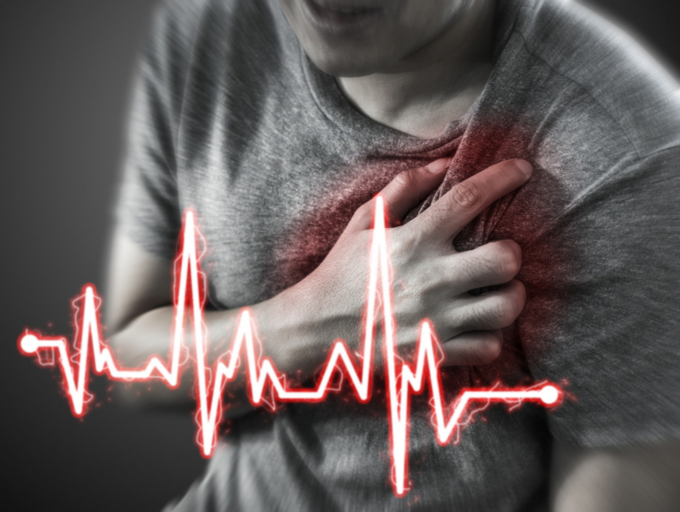
Overall, doctors also suggest that the rise in sudden cardiovascular complications are also largely due to the changing modern lifestyles and sedentary habits, which were never so prevalent before.

Some of the risk factors which may increase one's risk of getting a heart attack or suffering from unfortunate cardiac issues at a young age include:


-Smoking and excessive tobacco usage.

-Leading a sedentary lifestyle

-Obesity and high BMI (Body Mass Index) levels

-Stress

-Substance abuse or excessive alcohol use

-High cholesterol levels

-Family history or a genetic risk of the same

-Diabetes

-Poor diet and lifestyle

What can you do to prevent your risk of getting a heart attack?
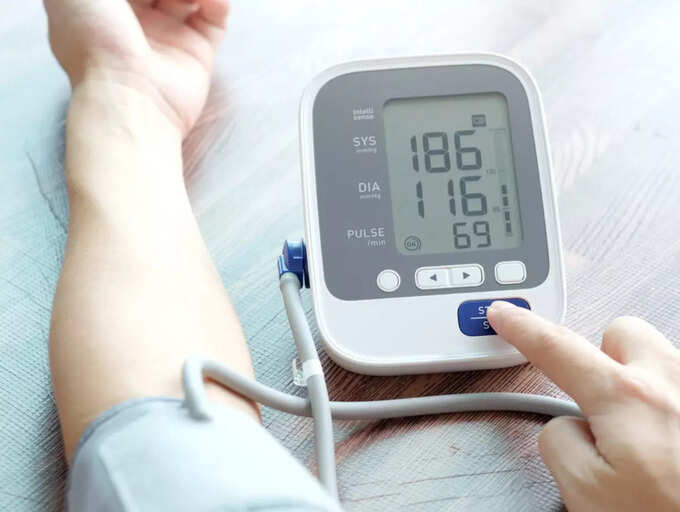
Young or old, getting a heart attack or suffering from deadly cardiac ailments can be life-threatening and pose a risk to your health. Even though there's no prediction of what may happen and no cure present to actually stop a heart attack from occurring, the primary means to reduce and minimize chances of getting a heart attack, especially in the 30s and 40s is lifestyle management. Given the lifestyle we lead today, it has become now more important than ever to work to have a healthy, risk-free lifestyle supported by a good diet.

If you are in your 30s or 40s, here are a few preventive measures that can mitigate the risk of heart ailments right now:


-Follow a good heart-healthy diet and reduce your intake of processed goods.

-Exercise daily and vow to stay physically active

-Cut down on alcohol and tobacco consumption

-Check on your risk factors and be aware. If you have a family history, go for preventive screenings at an early age

-Work to manage and alleviate stress levels

-Have a healthy, supportive lifestyle and lessen the risk of additional comorbidities

-Be aware of the symptoms and early signs as well. The more aware you are, the better state you would be in to manage your condition.

This is only for your information, kindly take the advice of your doctor for medicines, exercises and so on.   

https://gscrochetdesigns.blogspot.com. one can see my crochet creations  
https://gseasyrecipes.blogspot.com. feel free to view for easy, simple and healthy recipes    
https://kneereplacement-stickclub.blogspot.com. for info on knee replacement


Labels: , , , , , , , , , , ,

Friday, June 11, 2021

The 4 Major Types of Headaches: What to Look Out For

Headaches are one of the most common ailments out there and in most cases they are harmless. Everyone experiences a headache every once in a while. Of course, if this is a recurring situation for you, it may indicate some sort of headache disorder or another urgent medical condition. These are called secondary headaches. To learn more about them, check out our previous article titled 7 Warning Signs That Your Headache Is a Medical Emergency.

Occipital neuralgia, infogrpahic
The types of headaches listed in this article are primary headaches, meaning they are conditions in themselves and not a symptom of a separate underlying condition. Primary headaches can develop as a result of brain chemicals, nerves, muscle tension, and even genetics; doctors can't always pinpoint one exact cause. We rounded up their characteristics, where they stem from, and what can be done for prevention and treatment. 
 
1. Tension Headache
Types of Headache, tension headache
Tension headaches are the most common type of primary headaches and according to the World Health Organization, they affect about half of the women population and one-third of men. They are often referred to as 'hatband headaches' because the muscles around the scalp become tight and cause pain in the back of the head, the temples and forehead as if a tight hat was in place. They tend to be pressure-like at onset and can last from hours to days. 
 
Common triggers for tension headaches include
Stress 
 
Eyestrain 
 
Depression 
 
Fatigue 
 
Alcohol use or caffeine use. 
 
Treatments and Prevention:  
Tension headaches are usually treated with over-the-counter pain medication like aspirin, ibuprofen, or acetaminophen (Tylenol). Chronic tension headaches are labeled as such when they occur 15 days or more in a month. In these cases, patients are sometimes treated with muscle relaxers. 
 
An effective way to prevent tension headaches is by managing stress and learning relaxation techniques like deep breathing, yoga, or guided imagery. Try to pace yourself in your daily life, take breaks, and carve time to do the things you enjoy. For some people mindfulness - staying in the here and now, instead of following thoughts of worry and fear - proved to be helpful. A 2019 study looking at 55 women who suffer from chronic tension headaches found that those taught relaxation techniques as well as being treated with muscle relaxers experienced fewer headaches than those who only took the medication. 
 
2. Migraine Headache  
Types of Headache, migraine
Migraine headaches involve a moderate to severe throbbing pain, usually on one side of the head. This, too, is a very common type of primary headache, about 12% of Americans experience migraines, and women are three times more likely than men to have these headaches. Other symptoms of migraines can be nausea, vision changes, and weakness. Genetics seems to play a role, as migraines often run in certain families, but scientists are still trying to figure out the exact way they might be transmitted. Because migraines are recurring, it’s important to identify their triggers, which might vary in different people. 
 
Common triggers include:  
Certain foods - for some people chocolate, yeast, and processed meat can trigger migraines, although scientists are not sure why. 
 
Hormonal changes - 7% to 19% of women suffer from menstrual migraines, which occur 2 to 3 days before the start of the period. 
 
Lack of sleep and stress - scientists have identified that stress and lack of sleep might cause hormonal changes that can trigger migraines. 
 
If you’re not sure what is triggering your migraines, keep a migraine ournal, noting everything that happened on the days leading up to the migraine. With time, a pattern is likely to be recognized. 
 
Prevention and treatment: occasional migraines can be treated with over-the-counter medication, like aspirin, Tylenol, and other NSAIDs. However, be cautious, as overusing these medications trigger migraines, too. It’s best to consult your doctor regarding the safe use of such medication, but generally speaking, taking them once a week is safe. There are also prescription drugs that can help prevent migraines as soon as symptoms appear. Consult your healthcare provider for a migraine treatment plan that is right for you.
3. Cluster HeadacheTypes of Headache, cluster headache
This less common type of headache is characterized by severe pain in one side of the head, particularly centered behind the eye. Other symptoms may include tearing, drooping eyelids, and nasal congestion. Cluster headaches get their name because they appear in clusters, lasting weeks to months, and they are more common in men than women. Attacks will usually occur every day, sometimes several times a day and often at the same time of the day. 
 
Unlike the previous types of headaches we discussed, cluster headaches aren’t really associated with triggers like food or hormonal changes, or stress. In fact, the cause of these headaches is unknown but patterns suggest that abnormalities in the body's biological clock (and the hypothalamus, in particular) play a role. Moreover, once a cluster period begins, drinking alcohol may quickly trigger a splitting headache. 
 
If you think you are experiencing a cluster headache, the best thing to do would be to see a doctor and rule out any more severe conditions. "The most serious aspect of cluster headaches is making sure that the diagnosis is correct and another secondary cause of headaches is not missed," explained physician Lean Poston.

4. Occipital Neuralgia
Types of Headache, Occipital neuralgia
This type of headache is considered quite rare. Occipital neuralgia is a condition in which the nerves that run from the top of the spinal cord up through the scalp, called the occipital nerves, are inflamed or injured. As a result, you may feel a sharp, jabbing, and electric pain in the back of your head or base of your skull. It will typically work its way up to the scalp. 
 
Occipital neuralgia is often confused with a migraine as the two conditions have some overlapping symptoms like sensitivity to light. That’s why it’s vital to see a doctor and get the right diagnosis. 
 
Treatment and prevention: The first steps you can take to relieve the pain are applying heat to your neck, resting in a quiet room, and massaging tight and painful neck muscles. Over the counter, anti-inflammatory drugs like naproxen or ibuprofen are also effective, and if those don’t help, your doctor may prescribe prescription medication.

This is only for your information, kindly take the advice of your doctor for medicines, exercises and so on.   

https://gscrochetdesigns.blogspot.com. one can see my crochet creations  
https://gseasyrecipes.blogspot.com. feel free to view for easy, simple and healthy recipes    
https://kneereplacement-stickclub.blogspot.com. for info on knee replacement

Labels: , , , , , , , , , , , , ,