Friday, October 08, 2021

Signs of high cholesterol: Why leg pain should be paid attention to if you have high cholesterol

Suffering from high cholesterol issues? Take note of this symptom
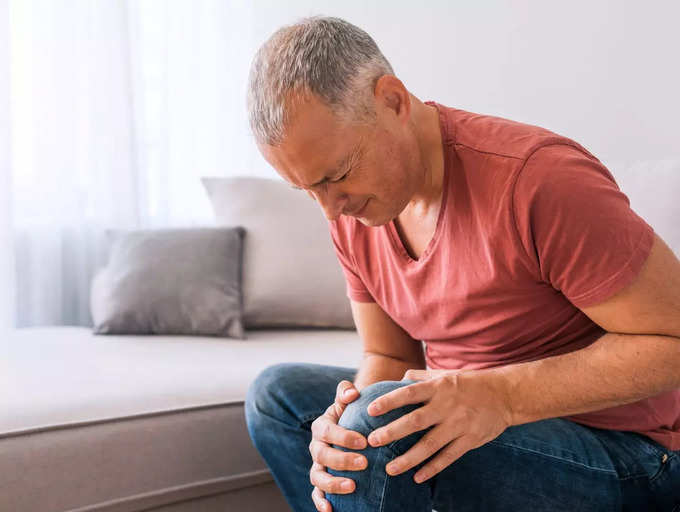
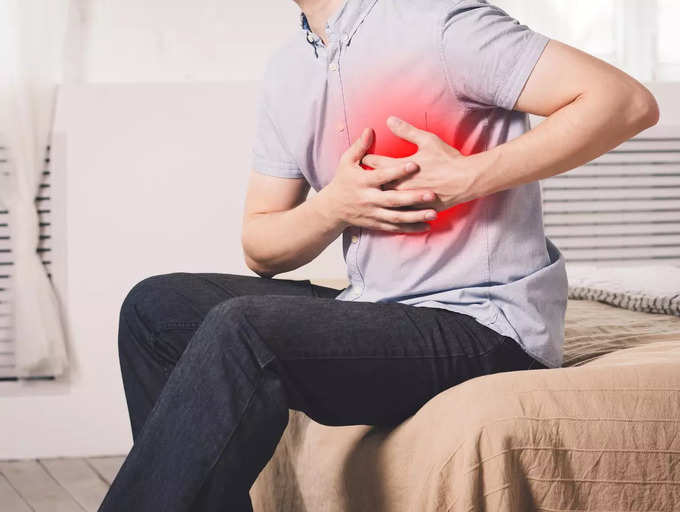
Chest pain is a symptom we all know should not be ignored. However, we do not pay the same level of attention anytime we experience pain and discomfort in the legs, do we? When it comes to managing high cholesterol and evading heart trouble, doctors say that one absolutely should not ignore leg pain at any cost.

Now, high cholesterol can be a troubling issue which can affect vital health functions. While chest pain, breathing difficulties, increased risk of stroke and heart disease are daunting symptoms, cholesterol can be a problem which can show up in the legs as well. In fact, as doctors say, cholesterol levels affecting leg movements can be an early 'warning' sign of heart problems. 

High cholesterol and leg trouble: What's causing it?
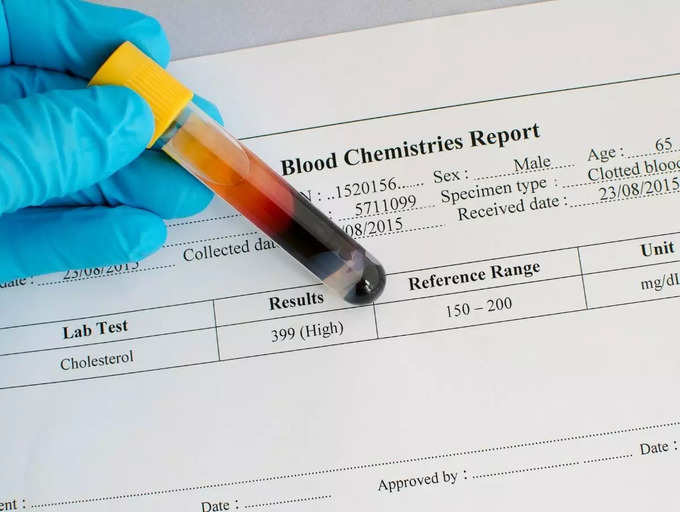
High blood cholesterol levels, medically also referred to as hyperlipidemia, leads to clogged arteries. While it most of all causes clogging of the arteries in and around the heart, it sometimes also impacts the arteries elsewhere, including the limbs present in your legs. This is what causes peripheral artery disease, or PAD, when the legs do not get sufficient blood flow to keep up with the movement and function

Dr Rajesh Jaria, Consultant, Internal Medicine at P.D.Hinduja Hospital and Medical Research Centre, Khar says, "All problems of high cholesterol are related to plaque deposition and build up in arteries which span the body. When such problems affect the lower limbs of the body, it could result in Peripheral Artery Disorder, which causes significant leg pain as a symptom."

Dr Dheeraj Kapoor, Chief, Endocrinology, Artemis Hospitals Gurugram also believes that while the risk of peripheral diseases is still less seen, Indians are extremely susceptible to heart diseases and have high triglyceride levels, which is reason enough for us to not ignore any such symptoms at the very least.

A big reason for the leg pain is claudication, which can make it difficult for a person to walk across a few steps. "High blood pressure could lead to blockages, which causes a reduction in blood supply and hampers leg movements. This is what we refer to as claudication pain,” adds Dr Sridhara N, Senior Consultant Interventional Cardiologist, Fortis Hospital Cunningham Road.

readmore

How dangerous can it be?

Experiencing leg pain without other specific cases could be bad, but in cases as such, when cholesterol is the deep rooted cause, leg pain for people who develop PAD can often be a sign of early heart trouble and cardiac ailments, since it signals that there may be more clogged arteries in and around the body, which could be a precursor for heart trouble.

The very issue that leg pain is often never linked as a sign of high cholesterol or cardiac issues is what puts people at a higher risk of encountering complications, severe trouble and getting a heart attack or a stroke as the pain progresses. Says Dr Sridhar, “While such pain symptoms could be mistaken to be ageing related, claudication can many times happen with physical activities like walking, running, climbing the stairs and go away as soon as you take a break from it.”

If the pain is not treated or diagnosed in time, it could also lead to mortality, since Peripheral Artery Disorder is a silent disease which doesn't cause other symptoms. Any concerning sign of leg pain could , and should be treated as a 'wake-up call' to prevent heart disease risk.

readmore

Who has a higher risk for leg pain with high cholesterol and peripheral artery disease?

Symptoms of high cholesterol can show up in different ways for every person, and it may also offer differential outcomes basis genetic, and non-genetic risks. "Smoking is one of the most pressing factors which raises the risk. Besides, we do see that patients who have underlying issues report such problems more commonly", adds Dr Kapoor. The doctor also says that with a double danger of diabetes and high blood cholesterol, which is a common issue many face, insulin resistance makes it very easy for a person to develop peripheral issues and experience troubling leg pain.

Peripheral artery disease is also more common in people older than 50, are obese, and also at the risk of high blood pressure, and have a history of smoking.

What are the symptoms you should be on the lookout for?
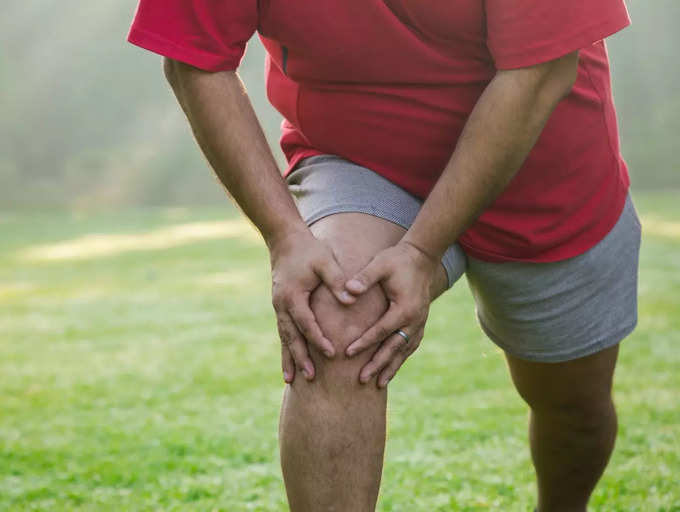
While leg pain can be brushed off or confused to be something unrelated to the heart, doctors say that PAD pain can leave few specific clues. People who have PAD also experience symptoms of heaviness and burning sensation in one or both of the legs, in any part.

Doctors also say that claudication leg pain follows a typical pattern, which could set it apart from different leg pain causes, such as the one caused by arthritis or muscle pain- and usually begins around the calves or the thighs.

Apart from this, doctors detail that blood flow disruptions caused by PAD in the legs could be noticeable with signs like foot ulcers, leg cramping, fatigue, painful sores and toe nail damage, especially for those who may have diabetes. Reduced hair growth, coldness in extremities, thinning of the skin, sudden paleness, shininess, frequent tingling or delayed ulcer healing could also be warning signs, adds Dr Jaria. 

How can leg pain caused by Peripheral Artery Disease be treated?

How can leg pain caused by Peripheral Artery Disease be treated?

While a lot of PAD cases may not be extremely severe, early detection and awareness can help save lives.

If you experience any sort of discomfort in the legs, or experience a new pain which lasts for more than a week's time, scheduling a doctor's appointment would be wise. People who have a predisposed, genetic risk, no matter what age they are should be the ones who should be the most careful. What's important to realize is that leg pain could be more than just an inconvenience, and needs to be attended to.

Dr Kapoor advises that depending on the symptoms and the risks, patients are often asked to go for foot angiography and seek treatment accordingly. Blood thinners are often prescribed, or blockages are treated through surgeries or if there's a severe risk, bypass is also deemed fit.

Experts also advise that simple activities like walking and stretching, even if they do cause the pain in the first place, should be tried. The more conditioned your legs become by walking, blood circulation improves and pain reduces over time.

Apart from this, PAD risk reduction is similar to that of having a heart-friendly lifestyle. Diet modifications, physical activities, reducing stress and being aware of the risk-factors are crucial keys to reducing overall risk and enjoying quality of life. 


Labels: , , , ,

Friday, September 03, 2021

Why heart attacks are becoming common in younger ages and what can you do to avoid them

Sidharth Shukla passes away due to a heart attack at 40

In some terrible news, famed Television star and former reality show Bigg Boss winner, Siddharth Shukla died this morning (September 02) following a massive heart attack. The news comes as a shock to not just the fraternity but the millions of fans the actor had. He was only 40 years old.

Preliminary reports suggest that the actor, known for his role in the television show, Balika Vadhu had suffered from a sudden heart attack that claimed his life. Some sources suggest that Sidharth had taken some medicines before going to sleep and didn't wake up. Postmortem reports are still awaited.

Officials from Cooper Hospital, Mumbai have stated that the actor was brought in dead. He is survived by his mother and two sisters.

Raj Kaushal's untimely demise

Just last month, another known face and Bollywood director, actress Mandira Bedi's husband, Raj Kaushal passed away after a sudden heart attack. While doctors are yet to rule out a conclusive link to Shukla's untimely heart attack and death, unfortunately, there have been rising reports of cardiac ailments and sudden heart attacks claiming the lives of many in their 30s and 40s, which many say is an alarming statistic which needs trivial attention.

Can you get a sudden heart attack?

 A heart attack, also referred to as myocardial infarction is defined as a medical issue when the blood flow to the heart is abruptly brought to a stop owing to any sort of blockage, which can occur due to the formation of plaque (mostly due to fat and cholesterol build-up). The interrupted blood flow can damage or destroy part of the heart muscle and since they can be so threatening, they require help and medical care at the very onset.

While sudden heart attacks can be absolutely fatal and strike abruptly, experts say that many people can have warning signs and symptoms related to the heart attack days or weeks before the actual occurrence.

Why are heart attacks rising these days?

A sudden heart attack is a massive shocker for the body. While there's no particular age for a person to get it, lifestyle factors, risk factors, diet and genetic issues are leading to an increased incidence or more and more people in their 30s and 40s, otherwise marked to be healthy ages to lose their lives to heart predicaments. Owing to the pandemic too, there have been reports of post-COVID heart issues, clotting disorders and complications, which made many susceptible to getting a heart attack.

In India, the number of people dying of heart attacks has been constantly on the rise since 2014, with reports suggesting that the incidental risk has gone up by 53% in 5 years time.

Is rising stress a big factor to blame?

While we do witness a sharp rise in the number of younger people getting heart attacks, doctors also warn that stress is a big reason behind the rising heart ailments. As per Dr. Tilak Suvarna, Senior Interventional Cardiologist, Asian Heart Institute, "Increased stress is another important risk factor observed especially during this pandemic that can become a reason for a heart attack. It is difficult to measure stress and therefore it is important to manage it through lifestyle modifications such as yoga, meditation and physical exercise, adding the need to curb these risk factors and mitigate the damage by getting preventive checkups done at time.

Signs of a sudden heart attack

Some of the most pressing warning signs of a sudden heart attack could be chronic and recurrent chest pain, pressure or pain triggered by some activity (which feels better when a person rests). Nausea, indigestion, sweating, fatigue, lightheadedness, pain extending to the shoulders or jaw can also be symptoms that require immediate attention. However, it should be remembered that it can be possible that no two people have the same symptoms with a heart attack.

Why are heart attacks becoming common between the age of 30-50?

While the risk of heart attack goes up with age and comorbidities present, there has been a rise in the number of young and middle-aged people suffering from heart attacks and cardiac arrests especially for those under the age of 50, and as per experts, the numbers have soared even more during the COVID-19 pandemic- attributed to bleak awareness about symptoms, prolonged wait to healthcare facilities and comorbidities. Global statistics also say that the proportion of adults aged between 30-50 having a heart attack rose by 2 per cent a year for the last 10 years.

Risk factors of heart attack

Overall, doctors also suggest that the rise in sudden cardiovascular complications are also largely due to the changing modern lifestyles and sedentary habits, which were never so prevalent before.

Some of the risk factors which may increase one's risk of getting a heart attack or suffering from unfortunate cardiac issues at a young age include:


-Smoking and excessive tobacco usage.

-Leading a sedentary lifestyle

-Obesity and high BMI (Body Mass Index) levels

-Stress

-Substance abuse or excessive alcohol use

-High cholesterol levels

-Family history or a genetic risk of the same

-Diabetes

-Poor diet and lifestyle

What can you do to prevent your risk of getting a heart attack?

Young or old, getting a heart attack or suffering from deadly cardiac ailments can be life-threatening and pose a risk to your health. Even though there's no prediction of what may happen and no cure present to actually stop a heart attack from occurring, the primary means to reduce and minimize chances of getting a heart attack, especially in the 30s and 40s is lifestyle management. Given the lifestyle we lead today, it has become now more important than ever to work to have a healthy, risk-free lifestyle supported by a good diet.

If you are in your 30s or 40s, here are a few preventive measures that can mitigate the risk of heart ailments right now:


-Follow a good heart-healthy diet and reduce your intake of processed goods.

-Exercise daily and vow to stay physically active

-Cut down on alcohol and tobacco consumption

-Check on your risk factors and be aware. If you have a family history, go for preventive screenings at an early age

-Work to manage and alleviate stress levels

-Have a healthy, supportive lifestyle and lessen the risk of additional comorbidities

-Be aware of the symptoms and early signs as well. The more aware you are, the better state you would be in to manage your condition.

This is only for your information, kindly take the advice of your doctor for medicines, exercises and so on.   

https://gscrochetdesigns.blogspot.com. one can see my crochet creations  
https://gseasyrecipes.blogspot.com. feel free to view for easy, simple and healthy recipes    
https://kneereplacement-stickclub.blogspot.com. for info on knee replacement


Labels: , , , , , , , , , , ,