Friday, October 08, 2021

Signs of high cholesterol: Why leg pain should be paid attention to if you have high cholesterol

Suffering from high cholesterol issues? Take note of this symptom
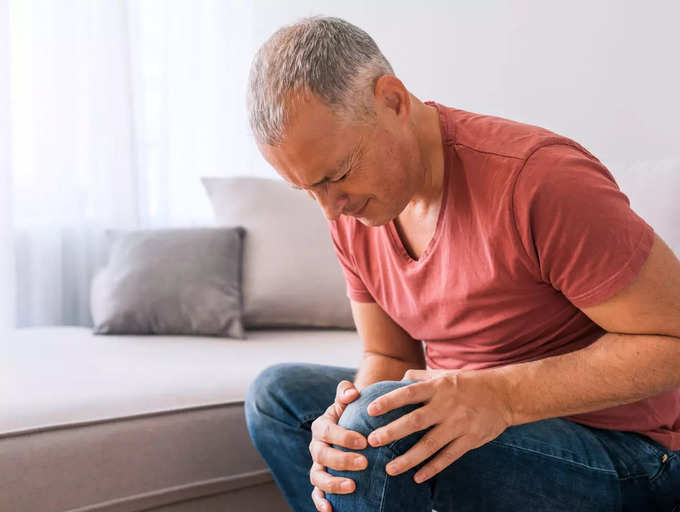
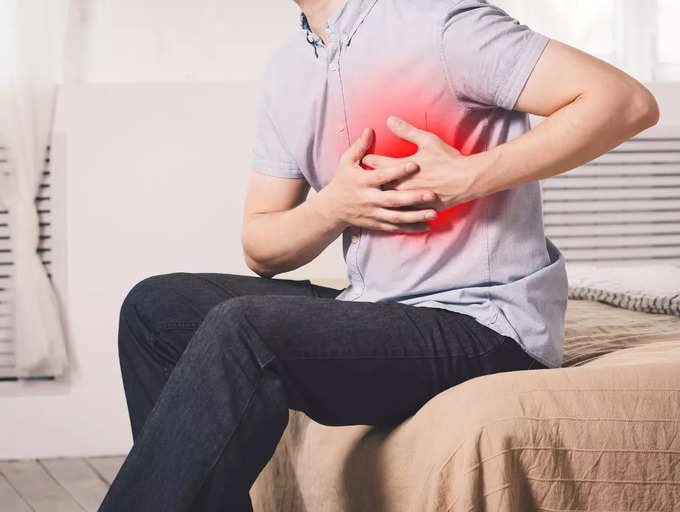
Chest pain is a symptom we all know should not be ignored. However, we do not pay the same level of attention anytime we experience pain and discomfort in the legs, do we? When it comes to managing high cholesterol and evading heart trouble, doctors say that one absolutely should not ignore leg pain at any cost.

Now, high cholesterol can be a troubling issue which can affect vital health functions. While chest pain, breathing difficulties, increased risk of stroke and heart disease are daunting symptoms, cholesterol can be a problem which can show up in the legs as well. In fact, as doctors say, cholesterol levels affecting leg movements can be an early 'warning' sign of heart problems. 

High cholesterol and leg trouble: What's causing it?
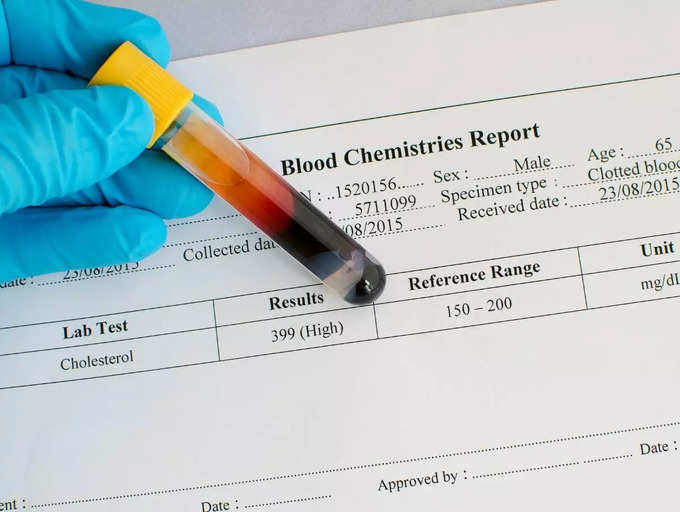
High blood cholesterol levels, medically also referred to as hyperlipidemia, leads to clogged arteries. While it most of all causes clogging of the arteries in and around the heart, it sometimes also impacts the arteries elsewhere, including the limbs present in your legs. This is what causes peripheral artery disease, or PAD, when the legs do not get sufficient blood flow to keep up with the movement and function

Dr Rajesh Jaria, Consultant, Internal Medicine at P.D.Hinduja Hospital and Medical Research Centre, Khar says, "All problems of high cholesterol are related to plaque deposition and build up in arteries which span the body. When such problems affect the lower limbs of the body, it could result in Peripheral Artery Disorder, which causes significant leg pain as a symptom."

Dr Dheeraj Kapoor, Chief, Endocrinology, Artemis Hospitals Gurugram also believes that while the risk of peripheral diseases is still less seen, Indians are extremely susceptible to heart diseases and have high triglyceride levels, which is reason enough for us to not ignore any such symptoms at the very least.

A big reason for the leg pain is claudication, which can make it difficult for a person to walk across a few steps. "High blood pressure could lead to blockages, which causes a reduction in blood supply and hampers leg movements. This is what we refer to as claudication pain,” adds Dr Sridhara N, Senior Consultant Interventional Cardiologist, Fortis Hospital Cunningham Road.

readmore

How dangerous can it be?

Experiencing leg pain without other specific cases could be bad, but in cases as such, when cholesterol is the deep rooted cause, leg pain for people who develop PAD can often be a sign of early heart trouble and cardiac ailments, since it signals that there may be more clogged arteries in and around the body, which could be a precursor for heart trouble.

The very issue that leg pain is often never linked as a sign of high cholesterol or cardiac issues is what puts people at a higher risk of encountering complications, severe trouble and getting a heart attack or a stroke as the pain progresses. Says Dr Sridhar, “While such pain symptoms could be mistaken to be ageing related, claudication can many times happen with physical activities like walking, running, climbing the stairs and go away as soon as you take a break from it.”

If the pain is not treated or diagnosed in time, it could also lead to mortality, since Peripheral Artery Disorder is a silent disease which doesn't cause other symptoms. Any concerning sign of leg pain could , and should be treated as a 'wake-up call' to prevent heart disease risk.

readmore

Who has a higher risk for leg pain with high cholesterol and peripheral artery disease?

Symptoms of high cholesterol can show up in different ways for every person, and it may also offer differential outcomes basis genetic, and non-genetic risks. "Smoking is one of the most pressing factors which raises the risk. Besides, we do see that patients who have underlying issues report such problems more commonly", adds Dr Kapoor. The doctor also says that with a double danger of diabetes and high blood cholesterol, which is a common issue many face, insulin resistance makes it very easy for a person to develop peripheral issues and experience troubling leg pain.

Peripheral artery disease is also more common in people older than 50, are obese, and also at the risk of high blood pressure, and have a history of smoking.

What are the symptoms you should be on the lookout for?
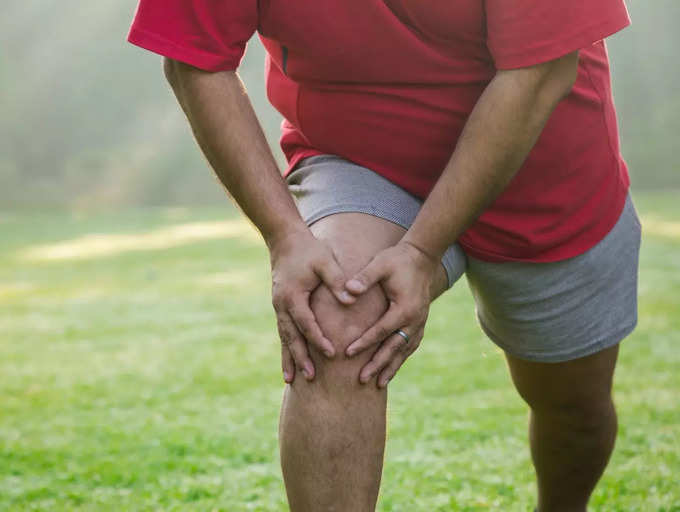
While leg pain can be brushed off or confused to be something unrelated to the heart, doctors say that PAD pain can leave few specific clues. People who have PAD also experience symptoms of heaviness and burning sensation in one or both of the legs, in any part.

Doctors also say that claudication leg pain follows a typical pattern, which could set it apart from different leg pain causes, such as the one caused by arthritis or muscle pain- and usually begins around the calves or the thighs.

Apart from this, doctors detail that blood flow disruptions caused by PAD in the legs could be noticeable with signs like foot ulcers, leg cramping, fatigue, painful sores and toe nail damage, especially for those who may have diabetes. Reduced hair growth, coldness in extremities, thinning of the skin, sudden paleness, shininess, frequent tingling or delayed ulcer healing could also be warning signs, adds Dr Jaria. 

How can leg pain caused by Peripheral Artery Disease be treated?
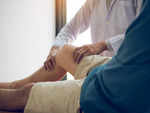
How can leg pain caused by Peripheral Artery Disease be treated?

While a lot of PAD cases may not be extremely severe, early detection and awareness can help save lives.

If you experience any sort of discomfort in the legs, or experience a new pain which lasts for more than a week's time, scheduling a doctor's appointment would be wise. People who have a predisposed, genetic risk, no matter what age they are should be the ones who should be the most careful. What's important to realize is that leg pain could be more than just an inconvenience, and needs to be attended to.

Dr Kapoor advises that depending on the symptoms and the risks, patients are often asked to go for foot angiography and seek treatment accordingly. Blood thinners are often prescribed, or blockages are treated through surgeries or if there's a severe risk, bypass is also deemed fit.

Experts also advise that simple activities like walking and stretching, even if they do cause the pain in the first place, should be tried. The more conditioned your legs become by walking, blood circulation improves and pain reduces over time.

Apart from this, PAD risk reduction is similar to that of having a heart-friendly lifestyle. Diet modifications, physical activities, reducing stress and being aware of the risk-factors are crucial keys to reducing overall risk and enjoying quality of life. 


Labels: , , , ,

Friday, February 28, 2020

Cocoa a Novel Rx for Peripheral Artery Disease?

Cocoa, which is rich in flavanols, may improve walking performance in patients with peripheral artery disease (PAD), a pilot trial suggests.

Investigators randomly assigned 44 patients age 60 or above to receive a cocoa beverage or a placebo beverage. They found that, at the end of the study period, participants who drank the cocoa three times daily had significantly greater improvements in 6-minute walk distance compared with the group on placebo.

Moreover, those who drank the cocoa beverage showed improvement in perfusion to the legs and improvement in calf skeletal muscle characteristics, including improved function of the mitochondria, compared with their counterparts who drank the placebo beverage.

"Few therapies are available for improving walking performance in people with PAD," lead author Mary McGrae McDermott, MD, professor of medicine at Northwestern University Feinberg School of Medicine in Chicago, Illinois, said in a release.

"Our study showed both improved health in blood flow to the legs, improvements in 6-minute walk distance, and also improved calf skeletal muscle health in people who drank cocoa, compared to those who drank placebo," she told the heart.org | Medscape Cardiology.

The study was published online February 14 in Circulation Research.


Therapeutic Properties
Cocoa flavanols, including epicatechin, that are present in dark chocolate "have therapeutic properties that may improve walking performance in people with PAD," the authors write. In particular, cocoa may increase limb perfusion and improve skeletal muscle mitochondrial activity and muscle regeneration.

In animal studies and some preliminary studies of human beings, cocoa flavanols were shown to improve blood flow and muscle health, McDermott said.

"Since people with PAD have difficulty walking due to blood flow problems, we thought this particular therapy may be particularly beneficial for people with PAD," she added.

To investigate the question, the researchers randomly assigned 44 patients with PAD (mean age: 72.3 years [± 7.1], mean ankle brachial index 0.66 [± 0.15]) to drink milk or water mixed with the contents of a powder packet containing either flavanol-rich cocoa (15 g of cocoa and 75 mg of epicatechin; n = 23) or placebo (n = 21) three times daily for a 6-month period.

The researchers measured walking performance using the 6-minute walking test at the beginning of the study and at 6 months, at which point the test was administered twice: 2.5 hours after drinking the beverage, and then 24 hours later, with improvement on the both tests considered to be the primary outcomes.

Additionally, patients underwent a treadmill walking test, MRI to measure blood flow to the legs, and a calf muscle biopsy to assess muscular health.

Calorie Concerns

At 6-month follow-up, after adjusting for confounding variables including smoking, race, and body mass index (BMI), the researchers found that, compared with placebo, the cocoa improved 6-minute walk distance by 42.6 meters (90% confidence interval [CI]: +22.2, +∞, P = .005) at 2.5 hours after the final study beverage and by 18 meters (90% CI: 1.7, +∞, P = .12) at 24 hours after the study beverage.

Drinking the cocoa beverage was associated with other improvements compared with the placebo.

    Improved mitochondrial cytochrome c oxidase activity in calf muscles, as demonstrated by biopsy (P = .013)

    Improved calf muscle perfusion, as demonstrated by cardiovascular MRI (P = .098)

    Increased capillary density (P = .014)

    Reduced central nuclei (P = .024)

There were no statistically significant differences in treadmill walking time or brachial artery flow-mediated dilation between consumers of cocoa vs those who drank placebo.

"Cocoa flavanols are readily available and accessible and safe, so it would be reasonable to recommend cocoa flavanols for people with PAD," McDermott commented.

However, she added several caveats.

The cocoa used in the study was dark cocoa powder, containing >85% cacao, rather than milk chocolate or chocolate with lower cacao content.

"A lot of chocolate that is available over the counter is alkalized, which improves taste and palatability but removes the beneficial cocoa flavanols that have therapeutic effects; moreover, lots of cocoa comes with calories, sugar, and fat, so weight gain is a potential concern from consuming chocolate," she said.


Prescribe More Chocolate?

Commenting on the study for theheart.org | Medscape Cardiology, Eduardo Ramacciotti, MD, PhD, head of vascular surgery at Hospital e Maternidade Dr Christovao da Gama in São Paulo, Brazil, called it "an interesting paper."

Ramacciotti, who was not involved with the study, said that "despite the fact that it is a small phase 2 study, it shows improvements in walking distance for patients with PAD that took cocoa vs placebo."

He noted that only "a few medications" are available to treat PAD and that "we expect to have zero side effects with cocoa, which is good."

Most patients with this condition "usually are taking medications for different conditions and cocoa is unlikely to interact with them," he suggested.

"Larger trials are warranted to confirm the benefit of cocoa to improve walking distance in intermittent claudication patients with PAD," Ramacciotti said.

Also commenting on the study for theheart.org | Medscape Cardiology, William R. Hiatt, MD, professor of medicine, division of cardiology, University of Colorado School of Medicine in Aurora, said that, "while potentially interesting, I think it is too early to determine if cocoa is clinically effective to treat claudication."

Hiatt, who was not involved with the study, agreed that "independent confirmation of the results from this trial" is necessary.

In an accompanying editorial, Reiko Matsui, MD, and Naomi Hamburg, MD, both of the Whitaker Cardiovascular Institute, Boston University School of Medicine, Massachusetts, write that "taken together, the pilot study by McDermott and colleagues provides compelling preliminary evidence to support a potential benefit of epicatechin-rich cocoa on walking ability along with protection from worsening of calf muscle perfusion, skeletal muscle injury, and mitochondrial dysfunction."

They add that, although more research is necessary to confirm the findings, "someday we may be able to prescribe eating more chocolate to our patients with PAD."


This is only for your information, kindly take the advice of your doctor for medicines, exercises and so on.     

https://gscrochetdesigns.blogspot.com. one can see my crochet creations  
https://gseasyrecipes.blogspot.com. feel free to view for easy, simple and healthy recipes    
https://kneereplacement-stickclub.blogspot.com. for info on knee replacement
 

Labels: , , , , , , , , , , , ,