Saturday, September 06, 2025

10 Tell-Tale Signs That You Might Have Hypothyroidism

If you’re constantly sleepy and can’t lose weight, then it’s possible you have hypothyroidism, a condition that affects millions of people around the world. In the human body, the thyroid gland is a butterfly-shaped gland at the base of the neck that secretes two very important hormones – thyroxine and thyroid stimulating hormone. When hypothyroidism is present in an individual, levels of thyroxine are normal to low, whereas levels of thyroid stimulating hormone are elevated.
In turn, these hormone imbalances cause the pituitary gland to work harder than it normally should, as it tries to bring hormone levels back into balance. Thyroxine and thyroid-stimulating hormones are highly important because they regulate energy, body temperature, food digestion, and many major organs, such as the heart, brain liver, kidneys and skin. 
 
In addition to sleepiness and the inability to lose weight, other symptoms of hypothyroidism include feeling foggy and sluggish. It is an incredibly prevalent condition, with about 10 million people in the USA alone being afflicted by it. 
 
Hypothyroidism can be caused by a number of things, such as genetic predisposition to an autoimmune disorder called Hashimoto’s thyroiditis. It can be diagnosed by a simple blood test, and can often be fixed with the right prescription. Here are 10 signs that you might have hypothyroidism:

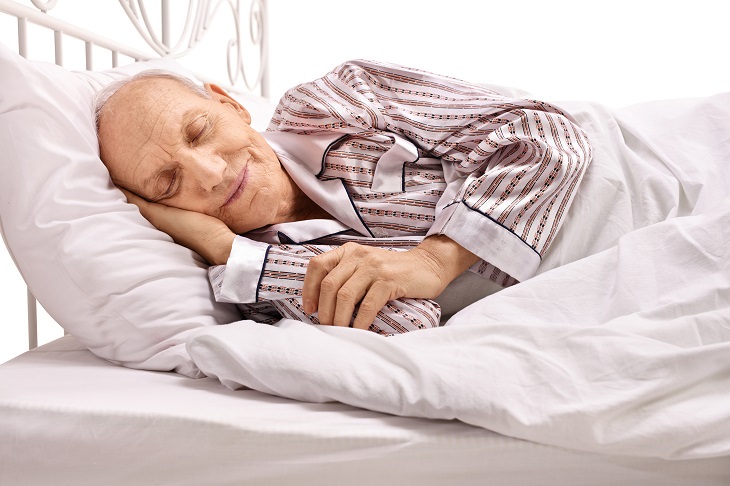
1. Constant tiredness
 10 Tell-Tale Signs That You Might Have Hypothyroidism
 
While there are many causes for tiredness and fatigue, the symptoms are strongly linked to hypothyroidism. If hypothyroidism is the cause of these symptoms, they can be countered by exercising and increasing physical activity. 
 
2. Weight Gain 
If you’ve gained quite a bit of weight recently, but you’re at a loss as to why, then the cause might be hypothyroidism. The condition causes metabolic function to slow down. Even if you happen to be dieting and exercising regularly, you will not be able to lose any extra pounds, because your body accumulates water and salt when your thyroid is sluggish. 
 
3. Forgetfulness 
Cognitive function takes a hit when your thyroid isn’t working properly. Hormone imbalances as a result of this malfunctioning, can cause forgetfulness and poor memory. Seeing as this hormone deficiency or imbalance slows everything down, your neurological function could be affected after some time. 
 
4. High Cholesterol Levels 
Although it isn’t typical for a doctor to look for thyroid problems during a check-up, they’re likely to measure cholesterol levels. If they are elevated, they could also point to a thyroid problem. This is because hypothyroidism can reduce clearance of cholesterol particles in the body. If you’re looking to lower these levels, a good food to try is overnight oats. 
 
5. Little Interest in Love Making 
Having little to no interest in love making can also point to a thyroid disorder. This is because of the relationship between thyroid function and adrenal glands, which are the organs that control the responsible hormones, like testosterone. In a nutshell, low levels of thyroid hormones can also result in low levels of needed hormones. 
 
6. Feeling Gloomy or Depressed 
One of the more debilitating side-effects of hypothyroidism is feeling down in the dumps or depressed. While depression can, of course, be related to other things, it can be a sign of hypothyroidism, especially when it is experienced in conjunction with one or more of the other symptoms that are mentioned in this list. 
 
 
7. Dry Skin 
If you’ve desperately been trying to add moisture to your skin seemingly to no avail, it could also be a sign of a thyroid problem. Changes in texture and appearance could be as a result of low thyroid function. You should especially be concerned if your dry skin is compounded with brittle nails, poor wound healing and hair loss. Make it a priority to see a doctor if you’re experiencing these things in combination.


8. Constipation

Being unable to go can be caused by an under-active thyroid. Seeing as the thyroid gland regulates metabolism, under activity can slow down digestive tract action. This can also weaken the contraction of the muscles that line the digestive tract. This causes your stools to move through your intestine far too slowly. Eating fiber-rich foods can help with constipation, but if symptoms persist, then it’s time to head to your doctor. 
 
9. Sore Muscles 
If you exercise regularly, then it’s normal to experience muscle fatigue, however if the fatigue feels constant, it could be linked to a thyroid problem. The hormones that regulate metabolism can affect how your muscles feel if they are at low levels. To counter these symptoms, do low-impact exercises like elliptical stepping or swimming. Also, consider increasing the amount of fish in your diet. 
 
10. Feeling Cold 
Wearing many different layers in the middle of summer obviously isn’t normal, and if you’re doing so, you might be suffering from hypothyroidism. The thyroid gland regulates body temperature, and its function is affected if it is producing too little thyroid hormone. Body temperature tends to decrease as a result of this, because less energy is being burned by downstream cell targets. Less energy together with a slow metabolism means less heat.


This is only for your information, kindly take the advice of your doctor for medicines, exercises and so on.   

https://gscrochetdesigns.blogspot.com. one can see my crochet creations  
https://gseasyrecipes.blogspot.com. feel free to view for easy, simple and healthy recipes    
https://kneereplacement-stickclub.blogspot.com. for info on knee replacement
https://GSiyers home remedies.blogspot.com   is the latest addition to my blogs
 

Labels: , , , , , , , , , , , , , ,

Sunday, March 06, 2022

In Just One Minute You Can Check Your Health

It's important to monitor your ongoing health, but few of us actually do it. So, if a visit to the doctor is not something you need to do (assuming that you aren't suffering from anything serious) you can perform a health checkup without leaving your home. Here's what you need to do:

1. Take a spoon and scrape it over the entire surface of your tongue, abundantly wetting it with saliva. 
 
2. Put the spoon into a transparent plastic bag, then place it under a bright light source. It could be the sun or a desk lamp. 
 
3. Then wait one minute, and check the spoon. 
 
If the spoon appears clean with no stains or any unpleasant odors, then you have no urgent problems with your internal organs.

If on the other hand, there is an odor, take note of the following:  
 
1. A putrefactive, strong smell indicates problems with the lungs or stomach
 
2. A sweet smell indicates the possibility of diabetes. 
 
3. A smell of ammonia shows problems with the kidneys. 
 
If you notice any stains on the spoon, here's what you need to know: 
 
1. White or yellow stains with a thick coating indicate thyroid gland dysfunction. 
 
2. Purple stains indicate bronchitis, poor blood circulation, high cholesterol levels. 
 
3. White stains indicate a respiratory infection. 
 
4. Orange stains show kidney disease. 
 
Always remember that the above information is for informational purposes only and should not replace a doctor's consultation.

This is only for your information, kindly take the advice of your doctor for medicines, exercises and so on.   

https://gscrochetdesigns.blogspot.com. one can see my crochet creations  
https://gseasyrecipes.blogspot.com. feel free to view for easy, simple and healthy recipes    
https://kneereplacement-stickclub.blogspot.com. for info on knee replacement


Labels: , , , , , , , , , ,

Friday, September 03, 2021

Why heart attacks are becoming common in younger ages and what can you do to avoid them

Sidharth Shukla passes away due to a heart attack at 40

In some terrible news, famed Television star and former reality show Bigg Boss winner, Siddharth Shukla died this morning (September 02) following a massive heart attack. The news comes as a shock to not just the fraternity but the millions of fans the actor had. He was only 40 years old.

Preliminary reports suggest that the actor, known for his role in the television show, Balika Vadhu had suffered from a sudden heart attack that claimed his life. Some sources suggest that Sidharth had taken some medicines before going to sleep and didn't wake up. Postmortem reports are still awaited.

Officials from Cooper Hospital, Mumbai have stated that the actor was brought in dead. He is survived by his mother and two sisters.

Raj Kaushal's untimely demise

Just last month, another known face and Bollywood director, actress Mandira Bedi's husband, Raj Kaushal passed away after a sudden heart attack. While doctors are yet to rule out a conclusive link to Shukla's untimely heart attack and death, unfortunately, there have been rising reports of cardiac ailments and sudden heart attacks claiming the lives of many in their 30s and 40s, which many say is an alarming statistic which needs trivial attention.

Can you get a sudden heart attack?

 A heart attack, also referred to as myocardial infarction is defined as a medical issue when the blood flow to the heart is abruptly brought to a stop owing to any sort of blockage, which can occur due to the formation of plaque (mostly due to fat and cholesterol build-up). The interrupted blood flow can damage or destroy part of the heart muscle and since they can be so threatening, they require help and medical care at the very onset.

While sudden heart attacks can be absolutely fatal and strike abruptly, experts say that many people can have warning signs and symptoms related to the heart attack days or weeks before the actual occurrence.

Why are heart attacks rising these days?

A sudden heart attack is a massive shocker for the body. While there's no particular age for a person to get it, lifestyle factors, risk factors, diet and genetic issues are leading to an increased incidence or more and more people in their 30s and 40s, otherwise marked to be healthy ages to lose their lives to heart predicaments. Owing to the pandemic too, there have been reports of post-COVID heart issues, clotting disorders and complications, which made many susceptible to getting a heart attack.

In India, the number of people dying of heart attacks has been constantly on the rise since 2014, with reports suggesting that the incidental risk has gone up by 53% in 5 years time.

Is rising stress a big factor to blame?

While we do witness a sharp rise in the number of younger people getting heart attacks, doctors also warn that stress is a big reason behind the rising heart ailments. As per Dr. Tilak Suvarna, Senior Interventional Cardiologist, Asian Heart Institute, "Increased stress is another important risk factor observed especially during this pandemic that can become a reason for a heart attack. It is difficult to measure stress and therefore it is important to manage it through lifestyle modifications such as yoga, meditation and physical exercise, adding the need to curb these risk factors and mitigate the damage by getting preventive checkups done at time.

Signs of a sudden heart attack

Some of the most pressing warning signs of a sudden heart attack could be chronic and recurrent chest pain, pressure or pain triggered by some activity (which feels better when a person rests). Nausea, indigestion, sweating, fatigue, lightheadedness, pain extending to the shoulders or jaw can also be symptoms that require immediate attention. However, it should be remembered that it can be possible that no two people have the same symptoms with a heart attack.

Why are heart attacks becoming common between the age of 30-50?

While the risk of heart attack goes up with age and comorbidities present, there has been a rise in the number of young and middle-aged people suffering from heart attacks and cardiac arrests especially for those under the age of 50, and as per experts, the numbers have soared even more during the COVID-19 pandemic- attributed to bleak awareness about symptoms, prolonged wait to healthcare facilities and comorbidities. Global statistics also say that the proportion of adults aged between 30-50 having a heart attack rose by 2 per cent a year for the last 10 years.

Risk factors of heart attack

Overall, doctors also suggest that the rise in sudden cardiovascular complications are also largely due to the changing modern lifestyles and sedentary habits, which were never so prevalent before.

Some of the risk factors which may increase one's risk of getting a heart attack or suffering from unfortunate cardiac issues at a young age include:


-Smoking and excessive tobacco usage.

-Leading a sedentary lifestyle

-Obesity and high BMI (Body Mass Index) levels

-Stress

-Substance abuse or excessive alcohol use

-High cholesterol levels

-Family history or a genetic risk of the same

-Diabetes

-Poor diet and lifestyle

What can you do to prevent your risk of getting a heart attack?

Young or old, getting a heart attack or suffering from deadly cardiac ailments can be life-threatening and pose a risk to your health. Even though there's no prediction of what may happen and no cure present to actually stop a heart attack from occurring, the primary means to reduce and minimize chances of getting a heart attack, especially in the 30s and 40s is lifestyle management. Given the lifestyle we lead today, it has become now more important than ever to work to have a healthy, risk-free lifestyle supported by a good diet.

If you are in your 30s or 40s, here are a few preventive measures that can mitigate the risk of heart ailments right now:


-Follow a good heart-healthy diet and reduce your intake of processed goods.

-Exercise daily and vow to stay physically active

-Cut down on alcohol and tobacco consumption

-Check on your risk factors and be aware. If you have a family history, go for preventive screenings at an early age

-Work to manage and alleviate stress levels

-Have a healthy, supportive lifestyle and lessen the risk of additional comorbidities

-Be aware of the symptoms and early signs as well. The more aware you are, the better state you would be in to manage your condition.

This is only for your information, kindly take the advice of your doctor for medicines, exercises and so on.   

https://gscrochetdesigns.blogspot.com. one can see my crochet creations  
https://gseasyrecipes.blogspot.com. feel free to view for easy, simple and healthy recipes    
https://kneereplacement-stickclub.blogspot.com. for info on knee replacement


Labels: , , , , , , , , , , ,