Wednesday, July 16, 2025

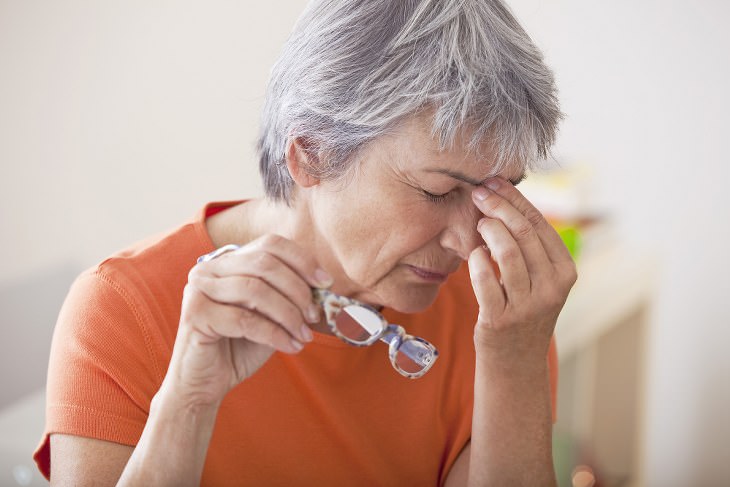
Do Your Eyes Often Twitch? Here's Why & How to Stop It

Eye twitching, eyelid spasms, and eyelid tics are collectively known as 'myokymia' and are a fairly common occurrence in today's high-stress world. Typically, eye twitches only affect the lower eyelid of a single eye, however the upper eyelids of both eyes can also twitch under certain circumstances. Below, you'll find the 8 most common causes of eye twitching and how to deal with them: 

1. Eye strain
 Eye Twitching
 
If you need a change of glasses, however minor the change may be, this can cause vision-related stress, which may trigger eye twitching. Eye strain can also occur after using a computer, smartphone or tablet. In both cases, it would be best to go straight to an eye doctor, especially if your job requires you to stare at a computer screen on a daily basis.

2. Stress
A twitching eye can be a sign that you are experiencing a significant amount of stress in your life, particularly if you are also experiencing eye strain occasionally. Try breathing exercises or yoga to help de-stress and hopefully get rid of any eye twitches too.

3. Fatigue
If you're not getting enough sleep, due to stress, illness or any other reason, you may end up experiencing twitching eyelids. Thankfully, as soon as you catch up on your missed sleep, your eye twitching should go away. 
 
4. Caffeine
Consuming too much caffeine is another common cause of eye twitching. If you think this is the case, try cutting down on the amount of tea, coffee, soft drinks and chocolate that you consume for at least a couple of weeks, and see if your condition improves.


5. Alcoholic drinks
Much like caffeine, alcohol is also known to cause eye twitching. Try abstaining from alcohol for a while if you think alcohol use is the underlying cause. 
 
6. Eye Allergies
There are a number of eye allergies that are known to cause swelling, itching, watery eyes, and even eye twitching. If you think you have an eye allergy, then contact your doctor, who will likely prescribe you with antihistamine eye drops or tablets to help alleviate your symptoms. 
 
7. Dry Eyes
If your eyes feel dry or gritty while your eyelids are twitching, then dry eyes may be the cause of your myokymia. After getting a dry eye evaluation done by a professional, your doctor will be able to discuss ways to restore moisture to your eyes, and thus alleviate the twitching. 
 
8. Nutritional Imbalances
Certain nutrient deficiencies, magnesium, in particular, are believed to trigger eyelid spasms. If eating more magnesium-rich foods, such as black beans and spinach, doesn't help you, then we'd recommend getting a nutrient deficiency test done, just in case.


This is only for your information, kindly take the advice of your doctor for medicines, exercises and so on.   


Labels: , , , , , , , ,

Friday, June 11, 2021

The 4 Major Types of Headaches: What to Look Out For

Headaches are one of the most common ailments out there and in most cases they are harmless. Everyone experiences a headache every once in a while. Of course, if this is a recurring situation for you, it may indicate some sort of headache disorder or another urgent medical condition. These are called secondary headaches. To learn more about them, check out our previous article titled 7 Warning Signs That Your Headache Is a Medical Emergency.

Occipital neuralgia, infogrpahic
The types of headaches listed in this article are primary headaches, meaning they are conditions in themselves and not a symptom of a separate underlying condition. Primary headaches can develop as a result of brain chemicals, nerves, muscle tension, and even genetics; doctors can't always pinpoint one exact cause. We rounded up their characteristics, where they stem from, and what can be done for prevention and treatment. 
 
1. Tension Headache
Types of Headache, tension headache
Tension headaches are the most common type of primary headaches and according to the World Health Organization, they affect about half of the women population and one-third of men. They are often referred to as 'hatband headaches' because the muscles around the scalp become tight and cause pain in the back of the head, the temples and forehead as if a tight hat was in place. They tend to be pressure-like at onset and can last from hours to days. 
 
Common triggers for tension headaches include
Stress 
 
Eyestrain 
 
Depression 
 
Fatigue 
 
Alcohol use or caffeine use. 
 
Treatments and Prevention:  
Tension headaches are usually treated with over-the-counter pain medication like aspirin, ibuprofen, or acetaminophen (Tylenol). Chronic tension headaches are labeled as such when they occur 15 days or more in a month. In these cases, patients are sometimes treated with muscle relaxers. 
 
An effective way to prevent tension headaches is by managing stress and learning relaxation techniques like deep breathing, yoga, or guided imagery. Try to pace yourself in your daily life, take breaks, and carve time to do the things you enjoy. For some people mindfulness - staying in the here and now, instead of following thoughts of worry and fear - proved to be helpful. A 2019 study looking at 55 women who suffer from chronic tension headaches found that those taught relaxation techniques as well as being treated with muscle relaxers experienced fewer headaches than those who only took the medication. 
 
2. Migraine Headache  
Types of Headache, migraine
Migraine headaches involve a moderate to severe throbbing pain, usually on one side of the head. This, too, is a very common type of primary headache, about 12% of Americans experience migraines, and women are three times more likely than men to have these headaches. Other symptoms of migraines can be nausea, vision changes, and weakness. Genetics seems to play a role, as migraines often run in certain families, but scientists are still trying to figure out the exact way they might be transmitted. Because migraines are recurring, it’s important to identify their triggers, which might vary in different people. 
 
Common triggers include:  
Certain foods - for some people chocolate, yeast, and processed meat can trigger migraines, although scientists are not sure why. 
 
Hormonal changes - 7% to 19% of women suffer from menstrual migraines, which occur 2 to 3 days before the start of the period. 
 
Lack of sleep and stress - scientists have identified that stress and lack of sleep might cause hormonal changes that can trigger migraines. 
 
If you’re not sure what is triggering your migraines, keep a migraine ournal, noting everything that happened on the days leading up to the migraine. With time, a pattern is likely to be recognized. 
 
Prevention and treatment: occasional migraines can be treated with over-the-counter medication, like aspirin, Tylenol, and other NSAIDs. However, be cautious, as overusing these medications trigger migraines, too. It’s best to consult your doctor regarding the safe use of such medication, but generally speaking, taking them once a week is safe. There are also prescription drugs that can help prevent migraines as soon as symptoms appear. Consult your healthcare provider for a migraine treatment plan that is right for you.
3. Cluster HeadacheTypes of Headache, cluster headache
This less common type of headache is characterized by severe pain in one side of the head, particularly centered behind the eye. Other symptoms may include tearing, drooping eyelids, and nasal congestion. Cluster headaches get their name because they appear in clusters, lasting weeks to months, and they are more common in men than women. Attacks will usually occur every day, sometimes several times a day and often at the same time of the day. 
 
Unlike the previous types of headaches we discussed, cluster headaches aren’t really associated with triggers like food or hormonal changes, or stress. In fact, the cause of these headaches is unknown but patterns suggest that abnormalities in the body's biological clock (and the hypothalamus, in particular) play a role. Moreover, once a cluster period begins, drinking alcohol may quickly trigger a splitting headache. 
 
If you think you are experiencing a cluster headache, the best thing to do would be to see a doctor and rule out any more severe conditions. "The most serious aspect of cluster headaches is making sure that the diagnosis is correct and another secondary cause of headaches is not missed," explained physician Lean Poston.

4. Occipital Neuralgia
Types of Headache, Occipital neuralgia
This type of headache is considered quite rare. Occipital neuralgia is a condition in which the nerves that run from the top of the spinal cord up through the scalp, called the occipital nerves, are inflamed or injured. As a result, you may feel a sharp, jabbing, and electric pain in the back of your head or base of your skull. It will typically work its way up to the scalp. 
 
Occipital neuralgia is often confused with a migraine as the two conditions have some overlapping symptoms like sensitivity to light. That’s why it’s vital to see a doctor and get the right diagnosis. 
 
Treatment and prevention: The first steps you can take to relieve the pain are applying heat to your neck, resting in a quiet room, and massaging tight and painful neck muscles. Over the counter, anti-inflammatory drugs like naproxen or ibuprofen are also effective, and if those don’t help, your doctor may prescribe prescription medication.

This is only for your information, kindly take the advice of your doctor for medicines, exercises and so on.   

https://gscrochetdesigns.blogspot.com. one can see my crochet creations  
https://gseasyrecipes.blogspot.com. feel free to view for easy, simple and healthy recipes    
https://kneereplacement-stickclub.blogspot.com. for info on knee replacement

Labels: , , , , , , , , , , , , ,

Saturday, March 13, 2021

Use Reflexology to Make Your Headache Melt Away

Headaches can be a huge hindrance and inconvenience, so it’s never a good thing when we feel the onset of one. In certain instances, they can be so crippling that we have to stop what we’re doing and give our bodies some attention. A lot of the time, headaches can arise as a result of other physical issues, such as eye strain, neck or shoulder tension, stress, or conditions such as sinuses.

Although aspirin does a great job of stopping headaches, there’s actually an all-natural way of doing it, namely reflexology. In this video, I’d like to share the wonders that reflexology techniques can work on your body, with instant headache relief being a great example. All you need to do is apply pressure to the correct areas of your feet. Go on – watch the video and try them out! You can thank me later.

You're all aware that the various organs nerve endings are found in our feet. By massaging different places in our foot, we can get rid of different health issues. By massaging solar plexus, which is almost in the center of the foot, it helps relax overall tension.

For headaches caused by tension and stress- put pressure on the inner part of the big toe, also in the center of the big toe and  on its root, i.e., the spot where it joins the foot. It is recommended to do this after taking a hot bath and some deep breaths.

For headache caused by eye strain- Press and rub the root of the 2nd and 3rd toes.

For headaches caused by tension in neck and shoulders- press the area below the small toe ( for shoulder tension). And the area below the big toe for neck tension.

For pain caused by sinuses- put pressure on fleshy part of each toe ( roughly in the middle part, at the back of each toe ) and the outer edge of the big toe.

Extra tip- keep well hydrated to quicken the healing process.

This is only for your information, kindly take the advice of your doctor for medicines, exercises and so on.     

https://gscrochetdesigns.blogspot.com. one can see my crochet creations  
https://gseasyrecipes.blogspot.com. feel free to view for easy, simple and healthy recipes    
https://kneereplacement-stickclub.blogspot.com. for info on knee replacement


Labels: , , , , , ,