Wednesday, February 25, 2026

10 of Grandma’s Home Remedies for Mature and Loose Skin

Our skin’s appearance and qualities constantly change throughout life. Already in our 20s, we see wrinkles around the eyes, which then spreads to the rest of our face, and in later stages, we notice changes in our facial structure which are tied to a slow drooping of the skin. 
 
Along with these natural changes, changes in the appearance of the skin are also related to a host of negative factors that we are exposed to throughout life: excessive exposure to sun, smoking, excessive consumption of alcohol, poor nutrition, and more. Although there are many expensive treatments on the market, there are also natural solutions that can prevent and delay the damage caused to the skin, and help it look tighter and smoother. The following 10 natural remedies can treat various symptoms associated with loose and drooping skin.

1. Lemon - to increase the production of collagen 
 Natural skin care
 
Throughout the aging process of the skin, collagen, the protein responsible for the skin's elasticity and tightness, goes through changes that slow down its processes and cause the skin to lose its elasticity and moisture, creating a more lax appearance. The vitamin C in lemon helps increase collagen production, which helps tighten the skin and reduce wrinkles and other early signs of aging. 
 
Squeeze fresh lemon juice, and gently rub it against the skin of the face and neck with your hands. 
 
Wait for 5 to 10 minutes, then rinse your face with water. Repeat between 2 and 3 times a day. 
 
You can also add juice from half a lemon to a glass of cold water and spray the mixture on a wet face. Allow the mixture to dry for a few minutes and then wash it.


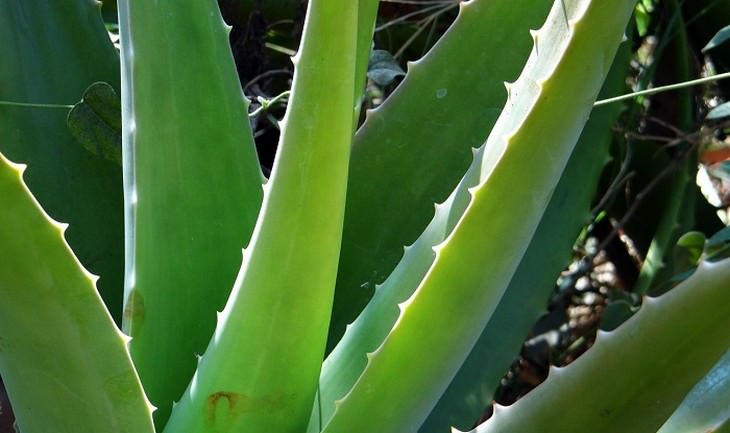
2. Aloe Vera – to firm up the skin  
 
Natural skin care 
 Natural aloe vera is one of the best solutions for firming up loose skin. This is due to malic acid, an acid-regulating substance that is abundant in aloe vera, which helps strengthen the skin and adds natural moisture to it. 
 
Gently rub a teaspoon of aloe gel on the face and neck or on any other area. 
 
Wait 15-20 minutes and rinse your face with lukewarm water. 
 
Repeat several times a week.


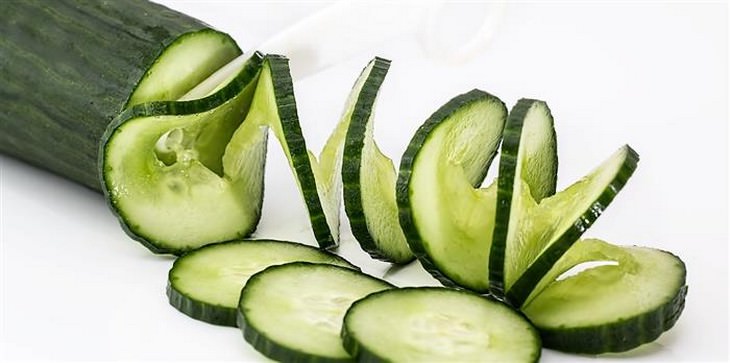
3. Cucumber – to tighten loose skin 
In order to tighten loose skin, it is strongly recommended to use a face mask that includes cucumber. This vegetable has a positive effect on strengthening the connective tissue of the skin cells and therefore helps to keep the skin in place and doesn’t allow it to succumb to gravity.
Natural skin care

Grate half a cucumber and strain the gratings to collect the resulting juice. 
 
Dip a cotton pad in the juice and wipe your entire face with it. After the skin has dried, wash it with cool water. 
Do this once a day. 
 
At the same time, you can also make a face mask on the basis of cucumber with two tablespoons of fresh cucumber juice, an egg white and 3 drops of vitamin E. Apply the mask on the skin of the face and neck, wait 15 minutes and then rinse the skin with cold water.


4. Olive oil - to keep skin smooth and shiny 
 
Massaging the face and neck with olive oil helps make loose and wrinkled skin smoother, and restore its glow. This is due to antioxidants such as vitamin A and vitamin E found in olive oil which turn it into a natural and effective anti-aging product. 
Heat some extra virgin olive oil in the microwave and apply it to the face after making sure it’s not too hot. 
 
Massage the face in circular movements with your fingertips for 10 minutes. 
 
Repeat once a day before bedtime. Other natural oils that can be used as a substitute for olive oil are avocado oil, coconut oil, grape oil, jojoba or almond oil. 
 
All oils are effective for loose skin not only of the facial area but also of the hands and feet.

5. Honey - to add moisture and color to the skin 
Honey contains antioxidants and is characterized by anti-aging properties that together help moisturize mature and dry skin and eliminate the pale and unnatural appearance that may characterize it.

Mix 2-3 teaspoons of honey with a few drops of lemon juice. Apply the solution to the face and neck or arms and legs. Allow it to dry and then rinse the skin with warm water. 
 
Repeat once or twice a day for the best results. 
 
You can also mix half a tablespoon of honey with a teaspoon of turmeric powder, apply the mixture on the face for 15 minutes, rinse it with lukewarm water and then splash a little cold water on the face. This mask should be used once a week.

6. Rose water - for taut and glowing skin 
Rose water is a liquid that causes skin cells and enlarged pores to shrink, especially in the facial area, making it very useful for the appearance of taut skin and in fighting infections. In addition, rose water also helps the skin maintain its natural glow. 
 
In order to enjoy the benefits of rose water, you can wash your face with it before bedtime, or mix it with a few drops of almond oil into a mask that you keep on your face for about 20 minutes and then wash off with lukewarm water.

7. Baking soda – to soften worn out skin 
 
Mature skin changes not only in its appearance but also in the way it feels. Baking soda helps mature skin become soft by removing dead skin cells and tightening the pores. 
 
Mix a teaspoon of baking soda with water. 
 
If you have not tried the treatment before, start by applying the solution to a small patch of skin on the inside of the elbow, and wait to see that you don’t have a reaction to it 
 
If all is well, massage the solution on your face or any other areas for a few minutes. 
 
Wait a few more minutes and rinse the skin with lukewarm water. This can be done once a week.


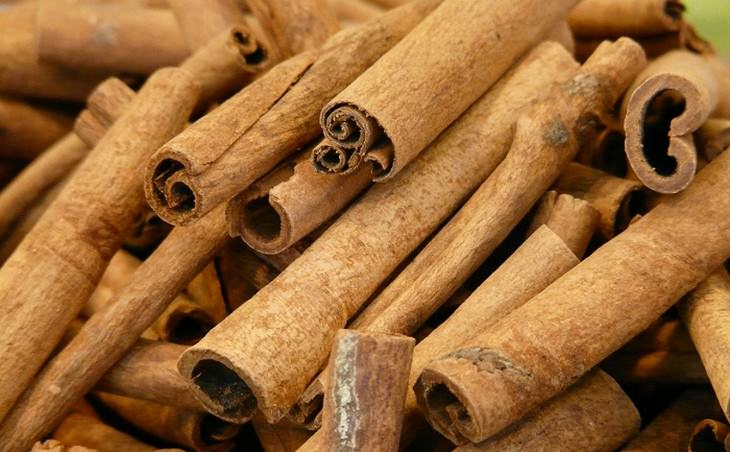
8. Cinnamon – to restore the natural elasticity of the skin 
 Natural skin care
 
While the natural elasticity of young skin helps it "stay" in place, reduced collagen production causes the skin to lose this feature resulting in sagginess. Cinnamon helps restore the skin's natural elasticity, thereby contributing to a younger appearance. 
 
Mix one teaspoon of cinnamon powder, 1 teaspoon turmeric powder, half teaspoon salt and 2 drops of olive oil into a salve. 
 
Rub the salve gently on the face and neck area for a few minutes, then rinse it off with lukewarm water. 
 
Use this natural exfoliator once or twice a week.

9. Milk - to restore skin vitality  
One of the problems of mature skin is that it often looks dry and lifeless. Milk and other dairy products have earned a place of respect in skin care thanks to their high protein and antiseptic content, and they can be used to prevent the accumulation and promote the removal of dead skin cells. You can use plain milk, but it is recommended to use yogurt or camel milk. 
 
Use a cotton round to apply the dairy product of your choice to your face. Let it sit on your skin for 15-30 minutes. 
 
Rinse it off with lukewarm water and wipe your face dry.

10. Strawberry - to improve the overall appearance of mature skin 
 Natural skin care
 
Mature skin may look dull and thin, and may also be more sensitive to the touch and less weather-resistant. Because they are rich in vitamin C, strawberries work just like disinfectants on the skin. In addition, they also contain alpha-hydroxyl acids that enhance the overall appearance of mature skin. 
 
Mash 2-3 ripe strawberries and mix them with a teaspoon of yogurt and a teaspoon of honey. 
 
Place the mixture on the desired area, wait 5 minutes, and then rinse with lukewarm water. 
 
Repeat once a day, and you’ll start noticing changes in your skin’s appearance after a few weeks.


This is only for your information, kindly take the advice of your doctor for medicines, exercises and so on.   


Labels: , , , , , , , , , , , , , , ,

Wednesday, November 19, 2025

World Lung Cancer Day 2025: Theme, Significance And 10 Early Warning Signs of Lung Cancer You Should Never Ignore

World Lung Cancer Day, observed every year on August 1st, serves as a critical global reminder of the ongoing battle against one of the world’s deadliest cancers. Despite medical advancements, lung cancer remains the leading cause of cancer-related deaths worldwide, largely due to late-stage diagnosis and unequal access to care.

In 2025, the campaign takes on new urgency under the theme:

“Breaking Barriers: Championing Early Detection and Equal Care”.

This powerful message highlights the urgent need to promote timely diagnosis and ensure equitable treatment for all, regardless of geography, gender, or socioeconomic status. As awareness grows, so does our ability to save lives especially when people recognize the early signs and take prompt action.

In this blog, we explore the significance of World Lung Cancer Day 2025, break down what this year’s theme means for global health efforts, and list 10 early warning signs of lung cancer you should never ignore. Early detection saves lives and knowing what to look out for could make all the difference.

The Theme of World Lung Cancer Day 2025: What It Means?

This theme calls for a united global effort to increase public awareness about lung cancer symptoms and risk factors, remove barriers to early screening and diagnosis, especially in underserved communities and promote equal access to life-saving treatments and technologies. It also aims to empower patients to seek help without fear or stigma, fostering a more inclusive and supportive approach to lung health worldwide.
In short, it is about saving more lives and ensuring no one is left behind in the fight against lung cancer.

Why Is World Lung Cancer Day Important?

Despite medical advancements, lung cancer continues to claim millions of lives due to:

Late-stage diagnosis

Lack of awareness about early symptoms

Stigmas associated with smoking

Unequal healthcare access, especially in low-income or rural areas

World Lung Cancer Day is not just a commemoration, it is a call to action for policymakers, medical professionals, communities, and individuals.
lung cancer causes  

10 Early Warning Signs of Lung Cancer You Should Never Ignore

Lung cancer often doesn't show symptoms in its early stages, making it crucial to recognize subtle signs your body may be giving you. Detecting these early can lead to faster diagnosis, timely treatment, and significantly better outcomes.

Persistent Cough That Lasts More Than Three Weeks

A lingering cough that refuses to go away should not be ignored, especially if you are not recovering from a recent cold or infection. It could indicate irritation or blockage in the airways caused by a growing tumor.

Coughing Up Blood (Hemoptysis)

Spotting blood in your sputum, even just once is a red flag. While not always caused by cancer, this symptom should be promptly investigated by a medical professional.

Shortness of Breath or Difficulty Breathing

If you find yourself easily winded while walking or climbing stairs, activities you could previously do without trouble, it may indicate a lung blockage or fluid buildup due to a tumor.

Chest Pain or Tightness

Chest discomfort that worsens when breathing deeply, coughing, or laughing could be a sign of lung cancer spreading to the chest wall, ribs, or pleura (the lining around the lungs).

Hoarseness or Voice Changes

Persistent hoarseness or a raspy voice can occur when a tumor presses on the nerve controlling the vocal cords, and it's often overlooked as a simple throat irritation.

Unexplained Weight Loss

Sudden and unintentional weight loss (more than 5–10% of your body weight) may be one of the earliest signs of cancer, including lung cancer, due to changes in metabolism.

Fatigue and Weakness

Feeling unusually tired all the time, even with enough sleep, could be a result of your body trying to fight off disease or the impact of a growing tumor disrupting normal organ function.

Frequent Respiratory Infections

Recurring episodes of bronchitis or pneumonia could suggest that a tumor is obstructing the airway, making it easier for infections to develop.

Swelling in the Face, Neck, or Arms

Swelling in the upper body, especially on one side, might result from a tumor pressing against the superior vena cava, a major vein that returns blood from the head and arms to the heart.

Bone Pain or Persistent Headaches

If lung cancer spreads (metastasizes), it can cause dull, aching pain in the bones (especially the back or hips) or frequent headche  if it reaches the brain.

Note: Many of these symptoms may be caused by non-cancerous conditions, but it is always best to get them checked out early, especially if you are at higher risk due to smoking or environmental exposure.

Who Is at Risk?

While smoking remains the top risk factor, lung cancer can affect anyone. Additional risk factors include:

  • Exposure to secondhand smoke, asbestos, or radon gas

  • Air pollution

  • Genetic predisposition or family history

  • Prior radiation therapy to the chest

  • Chronic lung conditions like  COPD

Even non-smokers are not immune, making awareness of early symptoms even more crucial.

How Can You Participate in World Lung Cancer Day 2025?

Help spread awareness and support the cause by:

  • Sharing educational content on social media
  • Encouraging loved ones to seek screenings
  • Donating to lung cancer research or patient aid programs
  • Joining local events, webinars, or fundraisers
  • Advocating for equal healthcare access in your community

Conclusion

World Lung Cancer Day 2025 is more than just a date, it is a global movement. By embracing the theme “Breaking Barriers: Championing Early Detection and Equal Care,” we commit to saving lives through awareness, early diagnosis, and equitable treatment for all.

If you or someone you love is experiencing any of the symptoms listed above, don’t wait, consult a healthcare provider and take the first step toward timely intervention.

Frequently Asked Questions 

Can lung cancer symptoms be mistaken for a cold or flu?

Yes, early lung cancer symptoms like coughing and fatigue often resemble common respiratory infections, which is why they are frequently overlooked.

How long should I wait before seeing a doctor for a persistent cough?

If a cough lasts more than 2–3 weeks without improvement or is worsening, it is best to consult a doctor.

Is coughing up blood always a sign of cancer?

No, it can also result from infections or bronchitis, but it should always be investigated immediately.

Can non-smokers get lung cancer?

Absolutely, around 10–20% of lung cancer cases occur in people who have never smoked, often due to genetics, air pollution, or exposure to toxins.

What is the most common first symptom of lung cancer?

A persistent cough is often the first and most common warning sign.


This is only for your information, kindly take the advice of your doctor for medicines, exercises and so on.   

Labels: , , , , , , , , , , , , ,