Wednesday, November 19, 2025

World Lung Cancer Day 2025: Theme, Significance And 10 Early Warning Signs of Lung Cancer You Should Never Ignore

World Lung Cancer Day, observed every year on August 1st, serves as a critical global reminder of the ongoing battle against one of the world’s deadliest cancers. Despite medical advancements, lung cancer remains the leading cause of cancer-related deaths worldwide, largely due to late-stage diagnosis and unequal access to care.

In 2025, the campaign takes on new urgency under the theme:

“Breaking Barriers: Championing Early Detection and Equal Care”.

This powerful message highlights the urgent need to promote timely diagnosis and ensure equitable treatment for all, regardless of geography, gender, or socioeconomic status. As awareness grows, so does our ability to save lives especially when people recognize the early signs and take prompt action.

In this blog, we explore the significance of World Lung Cancer Day 2025, break down what this year’s theme means for global health efforts, and list 10 early warning signs of lung cancer you should never ignore. Early detection saves lives and knowing what to look out for could make all the difference.

The Theme of World Lung Cancer Day 2025: What It Means?

This theme calls for a united global effort to increase public awareness about lung cancer symptoms and risk factors, remove barriers to early screening and diagnosis, especially in underserved communities and promote equal access to life-saving treatments and technologies. It also aims to empower patients to seek help without fear or stigma, fostering a more inclusive and supportive approach to lung health worldwide.
In short, it is about saving more lives and ensuring no one is left behind in the fight against lung cancer.

Why Is World Lung Cancer Day Important?

Despite medical advancements, lung cancer continues to claim millions of lives due to:

Late-stage diagnosis

Lack of awareness about early symptoms

Stigmas associated with smoking

Unequal healthcare access, especially in low-income or rural areas

World Lung Cancer Day is not just a commemoration, it is a call to action for policymakers, medical professionals, communities, and individuals.
lung cancer causes  

10 Early Warning Signs of Lung Cancer You Should Never Ignore

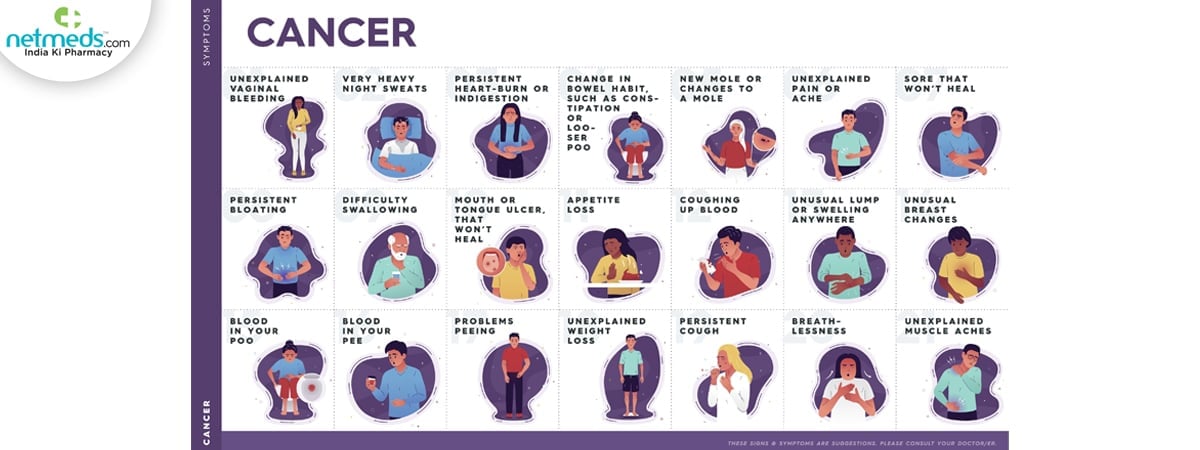
Lung cancer often doesn't show symptoms in its early stages, making it crucial to recognize subtle signs your body may be giving you. Detecting these early can lead to faster diagnosis, timely treatment, and significantly better outcomes.

Persistent Cough That Lasts More Than Three Weeks

A lingering cough that refuses to go away should not be ignored, especially if you are not recovering from a recent cold or infection. It could indicate irritation or blockage in the airways caused by a growing tumor.

Coughing Up Blood (Hemoptysis)

Spotting blood in your sputum, even just once is a red flag. While not always caused by cancer, this symptom should be promptly investigated by a medical professional.

Shortness of Breath or Difficulty Breathing

If you find yourself easily winded while walking or climbing stairs, activities you could previously do without trouble, it may indicate a lung blockage or fluid buildup due to a tumor.

Chest Pain or Tightness

Chest discomfort that worsens when breathing deeply, coughing, or laughing could be a sign of lung cancer spreading to the chest wall, ribs, or pleura (the lining around the lungs).

Hoarseness or Voice Changes

Persistent hoarseness or a raspy voice can occur when a tumor presses on the nerve controlling the vocal cords, and it's often overlooked as a simple throat irritation.

Unexplained Weight Loss

Sudden and unintentional weight loss (more than 5–10% of your body weight) may be one of the earliest signs of cancer, including lung cancer, due to changes in metabolism.

Fatigue and Weakness

Feeling unusually tired all the time, even with enough sleep, could be a result of your body trying to fight off disease or the impact of a growing tumor disrupting normal organ function.

Frequent Respiratory Infections

Recurring episodes of bronchitis or pneumonia could suggest that a tumor is obstructing the airway, making it easier for infections to develop.

Swelling in the Face, Neck, or Arms

Swelling in the upper body, especially on one side, might result from a tumor pressing against the superior vena cava, a major vein that returns blood from the head and arms to the heart.

Bone Pain or Persistent Headaches

If lung cancer spreads (metastasizes), it can cause dull, aching pain in the bones (especially the back or hips) or frequent headche  if it reaches the brain.

Note: Many of these symptoms may be caused by non-cancerous conditions, but it is always best to get them checked out early, especially if you are at higher risk due to smoking or environmental exposure.

Who Is at Risk?

While smoking remains the top risk factor, lung cancer can affect anyone. Additional risk factors include:

  • Exposure to secondhand smoke, asbestos, or radon gas

  • Air pollution

  • Genetic predisposition or family history

  • Prior radiation therapy to the chest

  • Chronic lung conditions like  COPD

Even non-smokers are not immune, making awareness of early symptoms even more crucial.

How Can You Participate in World Lung Cancer Day 2025?

Help spread awareness and support the cause by:

  • Sharing educational content on social media
  • Encouraging loved ones to seek screenings
  • Donating to lung cancer research or patient aid programs
  • Joining local events, webinars, or fundraisers
  • Advocating for equal healthcare access in your community

Conclusion

World Lung Cancer Day 2025 is more than just a date, it is a global movement. By embracing the theme “Breaking Barriers: Championing Early Detection and Equal Care,” we commit to saving lives through awareness, early diagnosis, and equitable treatment for all.

If you or someone you love is experiencing any of the symptoms listed above, don’t wait, consult a healthcare provider and take the first step toward timely intervention.

Frequently Asked Questions 

Can lung cancer symptoms be mistaken for a cold or flu?

Yes, early lung cancer symptoms like coughing and fatigue often resemble common respiratory infections, which is why they are frequently overlooked.

How long should I wait before seeing a doctor for a persistent cough?

If a cough lasts more than 2–3 weeks without improvement or is worsening, it is best to consult a doctor.

Is coughing up blood always a sign of cancer?

No, it can also result from infections or bronchitis, but it should always be investigated immediately.

Can non-smokers get lung cancer?

Absolutely, around 10–20% of lung cancer cases occur in people who have never smoked, often due to genetics, air pollution, or exposure to toxins.

What is the most common first symptom of lung cancer?

A persistent cough is often the first and most common warning sign.


This is only for your information, kindly take the advice of your doctor for medicines, exercises and so on.   

Labels: , , , , , , , , , , , , ,

Tuesday, July 16, 2024

Try the Dynamic Glute Bridge Exercise!

As we grow older, our body undergoes natural processes that weaken it, making even basic tasks difficult and causing discomfort and frustration. However, there is a simple solution to make life easier in our later years - performing the dynamic bridge exercise for just 10 minutes a week using a single dumbbell. This exercise can strengthen a crucial muscle in the body without harming weaker areas that tend to deteriorate with age. 
 
What does the dynamic Glute bridge exercise do? 
 
The main purpose of this exercise is to maintain and strengthen the gluteal muscles, which play a particularly important role in performing our most basic actions, such as: walking, running, using the stairs and any activity that requires us to move our lower and upper body. Keeping your glutes strong and durable will help your body function well even as it gets older, and you should start this from a young age to ensure a solid foundation and continuity.

What are the advantages that make it particularly effective? 
 dynamic Glute bridge exercise
1. It works your gluteal muscles thoroughly - the dynamic bridge exercise is fully and directly focused on the gluteal muscles, which are considered among the strongest in the body and are located at the most important junction in it - between the upper and lower body. A study conducted in 2017 showed that hip lifting exercises (such as the bridge exercise) contribute in a better way to strengthening the gluteal muscles than exercises with the same purpose as squats or deadlifts (lifting a weight load).
 
2. When it comes to strengthening the muscles between the hips and waist, popular exercises such as squats, lunges, and deadlifts are effective but can put a lot of pressure on the lower back and knees, which can become more sensitive in old age. Neglecting or harming these areas can have negative consequences later on. However, the bridge exercise is a simple and safe way to strengthen the gluteal muscles without putting pressure on these sensitive points. 
 
3. Easy to perform anywhere - there is a wide variety of gluteal exercises, but not all of them allow you to do them anywhere you want and with very little equipment. One of the significant advantages of the bridge exercise lies not only in its effectiveness but also in its simplicity - it does not require too much of your area of ​​operation and only requires one dumbbell. Also, if you don't have weights, you can even perform it by using another object of reasonable weight, provided you can hold it firmly on your body.
 
4. Suitable for everyone - the bridge exercise is performed lying down and works on one targeted muscle group - the gluteal muscles only. This fact makes it an exercise that does not require extraordinary physical abilities or developed coordination skills between the different body parts. Therefore, it is considered an extremely simple exercise that is suitable for almost every person, regardless of age or level of physical fitness.


How do you perform this exercise?

1. To perform this exercise, lie on your back with your hands at your sides and your knees bent. Bring your feet towards your waist, ensuring that they are close enough by touching your heel next to your hand. This will help you maintain the correct angle of your knees. 
 
2. Next, place a dumbbell horizontally on your hip joints in a stable position and keep it there throughout the exercise. 
 
3. Contract your glutes and core muscles and press your heels into the ground. This will cause your pelvis to rise, forming a diagonal line from your head and neck to your knees. It is important to maintain a straight spine and avoid sinking your lower back throughout the movement. 
 
4. To perform the exercise, reach the top and take a pause before slowly lowering your hips back to the ground. Repeat this movement 15–20 times, taking a short rest between sets. It is recommended to do 2–3 sets of this exercise with a break between each set.


This is only for your information, kindly take the advice of your doctor for medicines, exercises and so on.   

https://gscrochetdesigns.blogspot.com. one can see my crochet creations  
https://gseasyrecipes.blogspot.com. feel free to view for easy, simple and healthy recipes    
https://kneereplacement-stickclub.blogspot.com. for info on knee replacement
https://cancersupportindia.blogspot.com  for infor on cancer and health related topics
https://GSiyers home remedies.blogspot.com   is the latest addition to my blogs. I'm going to add posts there, do give me your valuable feed back on my blogs. Thanks a lot, take care, be healthy and be happy.

Labels: , , , , ,

Saturday, February 24, 2024

Why Do I Get Out of Breath Walking Up Stairs If I’m in Good Shape?

Even if you can run a 5K with ease, crush a 45-minute spin session, or power through a HIIT class, that looming flight of stairs can make you really start to doubt your fitness prowess—especially when you know you’ll be huffing and puffing your way up. “Am I really not in as good shape as I think?” Or: “Is something wrong with my heart!?”

Those questions are perfectly understandable, but let us reassure you: This phenomenon is way more common than you may think, and in lots of cases it’s actually NBD.

In fact, even the most fit folks among us can be humbled by a staircase. Exercise physiologist Heather Hart, CSCS, runs ultramarathons (that’s any race longer than 26.2 miles) and absolutely can sometimes still experience breathlessness when climbing up one. “For the majority of us, it’s totally normal,” Hart, a South Carolina–based certified run coach and founder of Hart Strength and Endurance Coaching, tells SELF. To find out why you might be feeling it—and what it actually means for your fitness—keep on reading.

1. You didn’t warm up.

Chances are, you probably don’t do a full-blown warm-up prior to climbing a flight of steps. “You're not stretching and jumping up and down and going for a jog [first],” Anuradha Lala, MD, advanced heart failure and transplant cardiologist at Mount Sinai, tells SELF. And while that’s totally understandable (you’d probably get some side-eyes if you busted out a whole calisthenics routine at the foot of a staircase), it also means your body isn’t really prepped for the work ahead.

“The whole point of a warm-up is that we’re priming our entire body—our muscles, our heart and our lungs—for exercise and we ease into that,” Hart explains. “When you’re climbing the stairs and you haven’t done any sort of warm up, it’s a very sudden change in oxygen needs for our body.” After all, that’s what it needs to create that extra energy to power you up them.

This rapid jump-in demand can quickly spike your heart rate and breathing rate. “You literally are going from zero to a hundred without warning,” Dr. Lala explains—and that just plain feels hard. It’s the same as if you were to spontaneously start sprinting versus beginning with an easy jog and building up your pace. The former would probably feel pretty uncomfortable, since your body hasn’t had a chance to gradually acclimate to the work you’re asking it to do. So if you notice that climbing stairs after you’ve power walked a couple blocks feels easier than when you’ve literally just gone from the couch to staircase, this might be why.

2. A bunch of muscles, including some really big ones, are at play here.

There are a lot of different parts working together to move you up the stairs. Climbing engages the largest muscles in your body, including your glutes, quads, and calves, Dr. Lala explains. It also recruits your core muscles too, Hart says.

And the steeper the stairs, the harder they’re going to have to work, Hart says, since taking bigger steps requires you to recruit a greater number of muscle fibers. Like we mentioned, your body needs oxygen to supply your muscles with energy; the more in play, the more oxygen you’ll need to sustain that effort—hence the increased breathing you may notice when tackling stairs.

3. You’re tapping into different types of muscle fibers.

Speaking of muscle fibers: When you’re doing easy aerobic activity, like walking on even ground, your type one fibers, or endurance-based slow-twitch ones, help you along. But when you start climbing stairs, you engage your type two fibers—a.k.a. your fast-twitch ones, which support powerful movements like lifting heavy weights or sprinting.

This can lead to the buildup of hydrogen ions and carbon dioxide in your muscles and blood; you need oxygen to clear that out to help stop fatigue from creeping in. This higher demand forces your body to respond by increasing your heart rate and breathing rate, which is why you may arrive at the top of the staircase huffing and puffing, Hart explains.

If your workout routine is heavily focused in the endurance space—like steady-state running, biking, walking, or swimming, which trains type one muscle fibers—your body might not be as used to engaging type two fibers as, say, someone who lifts heavy weights or does explosive exercises like sprints or plyometrics. So when it comes time to use them to climb a flight of stairs, it’s going to be that much more taxing on your body.

4. The effects of gravity are real.

Stair climbing may seem easy since it’s essentially just walking, right? Well, the key difference is gravity. When you’re strolling on flat ground, you’re propelling your body forward. But when you’re walking up stairs, you’re moving forward and up. Most people take bigger steps—and lift their hips higher—to do this, which engages more muscle fibers, says Hart. At the same time, gravity is doing its best to pull you back down, and your muscles have to work overtime to surmount that resistance, as SELF previously explained.

All this increases the amount of work your heart needs to do, Dr. Lala says. As Hart puts it, your heart rate and breathing rate will then amp up to supply your body with the oxygen to complete that extra work.

5. You haven’t actually trained for stair-climbing.

There’s a principle in exercise called “specificity,” which basically just means your body adapts to the very particular demands you place on it, Hart explains. This means that if you want to become a better runner, you need to run regularly; spending hours on other forms of endurance exercise—like riding your bike or logging laps in the pool—just won’t be as effective.

Same goes for stair climbing: Even if you’re doing movements that train those type two muscle fibers—like squats, deadlifts, and leg presses—those exercises are still not the exact movement and probably won’t carry over as well as actually climbing stairs would, Hart says. So unless your workout or daily life includes ascending a whole bunch of steps, it’s no wonder tackling a staircase will feel hard and fatiguing when you have to do it.

But there are some cases where breathlessness can hint at a problem.

In general, feeling tired and breathless at the top of a staircase can be totally normal and not a sign of anything concerning. But there are a few instances in which stair climbing fatigue does warrant a check in with your doctor:

  • It takes a while to get back to baseline: “If you need to take several minutes of rest to recuperate, that’s not normal,” Dr. Lala says, as it could signal a potential heart issue like heart failure or a blockage in one of the arteries that supplies blood to the heart.
  • You feel discomfort in your chest. “You should really never feel chest pain with exertion,” Dr. Lala says. This can be a sign of those heart issues as well.
  • It suddenly got a lot harder. If you notice any abrupt change in the difficulty of stair climbing—for example, maybe it usually feels like a 6 out of 10 intensity for you, and then one day the same flight is suddenly a 9 out of 10—that’s another sign something might be going on, Dr. Lala says.

But as long as you don’t notice any of those red flags, getting your ass kicked by a flight of stairs is “not a concern at all,” Hart says. But if you want this task to be a little less taxing? Try climbing stairs more often. “It can get easier over time,” Hart says.


This is only for your information, kindly take the advice of your doctor for medicines, exercises and so on.   

https://gscrochetdesigns.blogspot.com. one can see my crochet creations  
https://gseasyrecipes.blogspot.com. feel free to view for easy, simple and healthy recipes    
https://kneereplacement-stickclub.blogspot.com. for info on knee replacement
https://cancersupportindia.blogspot.com  for infor on cancer and health related topics
https://GSiyers home remedies.blogspot.com   is the latest addition to my blogs. I'm going to add posts there, do give me your valuable feed back on my blogs. Thanks a lot, take care, be healthy and be happy.


Labels: , , , ,

Tuesday, January 19, 2021

How to easily transform your body in three months

Everybody wants to look their best - be it their goal of becoming slimmer or achieving a physique that is muscular. There is so much that the Internet will tell you but if nothing seemed to have helped you so far, we tell you that it is not hard to achieve a dream body. Not only that, you can come really close to your goals within a period of three months. 


There are some steps that you diligently need to follow and you will start seeing results without a doubt. Let's dive straight into it.

Create a calorie deficit

First of all, you need to be in a calorie deficit.If you are someone who follows nutrition related news, you must be familiar with the term but let us understand what calorie deficit really means. Our body needs calories to work, and for that we need to eat 'maintenance calories' to be in the same weight.
To start your weight loss or fat loss journey, you need to create a calorie deficit by simply eating below your maintenance calories. For example, if your calorie deficit is 2000, then you need to eat around 1700 to 1800 calories per day and slowly you can reduce your calories to 1500. You can find out your maintenance calories on calorie calculator on web.You need not reduce your calorie intake below 1500 or 500 calories below your maintenance as our body needs to function properly. You can track your calories on apps like My FitnessPal, HealthifyMe. 

To have calorie deficit, many people skip a meal, then what happens is you're very hungry and start nibbling in between your next meal. The best way to reduce your calories, in case you're eating 4 slices of bread, make it 3 OR eating 3 rotis, make it 2 OR 4 idis, makes it 3, so eating less in each meal helps. Instead of eating more carbs, fill your stomach with more veges, as they've less calories ( provided they're not fried), eat fruits in between when you're hungry, as an apple has around 80-100 calories, which is better than eating any fried stuff. Or if you can eat salad, good. Lentils- whole green moong, red beans/ lobia, white lobia, chickpeas / kabuli chana, these can be soaked over night, pressure cooked, to season, add 1/2 tsp of oil, add jeera/ mustard seeds, little hing, green chili to taste finely chopped, little ginger chopped, fry these well for a minute, then add the cooked lentils, add salt to taste. This gives you not just proteins but also fiber, which keeps you full for long. In stead of having fruit juice, best eat a whole fruit, as it gives you fiber which is needs to clear your bowels.

Work out

Once you have defined your daily calorie intake, you need to start working out or indulge in some or the other fitness activity. Make sure you enjoy an activity that makes you feel great. If you can play any sports good, or those who are old, can walk for 30 minutes a day, if you can't walk continuously, then walk twice for 15 minutes without sitting down at your own speed.


Walk a minimum of 10,000 steps

Another great tool to amplify your weight loss journey is completing around 10,000 steps daily. It is a very simple thing to do and will help you burn some 400-500 calories daily, amounting to 2800-3500 calories in a week.

Focus on expending energy through basic tasks

Another thing which you can do is perform NEAT i.e. Non-exercise activity thermogenesis - this means you can simply take stairs rather then using the lift, use a cycle for transportation if you are going to a close distance, try to walk while talking on the phone, don’t sit too long and do some stretching through the day.

If you follow these simple steps for 3 months regularly, you will definitely lose weight and achieve your desired body.

 This is only for your information, kindly take the advice of your doctor for medicines, exercises and so on.     

https://gscrochetdesigns.blogspot.com. one can see my crochet creations  
https://gseasyrecipes.blogspot.com. feel free to view for easy, simple and healthy recipes    
https://kneereplacement-stickclub.blogspot.com. for info on knee replacement

Labels: , , , , , ,

Thursday, January 14, 2021

Weight loss: Running and other cardio exercises that can help you lose weight

Cardio exercises that can help you lose weight

Most of us have a very busy work schedule, which makes it difficult to take out time for a workout. But in order to keep ourselves fit and healthy, we all must spare some time in the day where we remain physically active. Talking about remaining physically active, morning is the best time to reap the maximum benefits of exercise.

To start with it, you can practice walking and jogging. Yes, even simple cardio exercises can be very fruitful. Easy cardio exercises can even help you lose weight, keep your heart healthy and improve your blood circulation.

Other benefits of doing cardio

Cardio exercises can help tone your legs and thigh muscles. It can make your lower body strong, increase your endurance power and keep your blood pressure in check. It also benefits your joint and bone health, is good for your brain and produces happy hormones. Here are five easy cardio exercises that can help you shed calories.

​Running

Running is the most basic cardio exercise. It helps in burning calories, sheds extra kilos and is one of the best ways to start your morning. If you are a beginner, start with short runs and then go on for longer trails.

​Jumping rope

Jumping rope is an easy and interesting exercise. It helps build your muscular strength, enhances your shoulder strength, improves your coordination and is extremely good for your lungs and heart. You can start with a slow pace and switch to medium pace as and when your body allows. Jumping rope in the fast pace quickly burns fat.

​Climbing stairs

Climbing stairs is another easy way of losing kilos quickly. You will be surprised to know that this simple exercise can help you burn 600-700 calories in a day. It increases your muscular power and strengthens your lower body. Though the exercise can put a lot of pressure on your knees and joints, hence it should be done carefully.

​Cycling

A lot of people have taken up cycling since the lockdown. You can do outdoor or indoor cycling as both have almost the same benefits. Cycling is good for your bones and strengthens your tissues.

​Swimming

Swimming benefits your entire body. Just a few laps can help you burn 30-35 calories. It can help you get in shape and improves your muscular strength. It's a full-body workout, which also helps tone your body.

This is only for your information, kindly take the advice of your doctor for medicines, exercises and so on.     

https://gscrochetdesigns.blogspot.com. one can see my crochet creations  
https://gseasyrecipes.blogspot.com. feel free to view for easy, simple and healthy recipes    
https://kneereplacement-stickclub.blogspot.com. for info on knee replacement


Labels: , , , , , , , ,