Wednesday, November 19, 2025

World Lung Cancer Day 2025: Theme, Significance And 10 Early Warning Signs of Lung Cancer You Should Never Ignore

World Lung Cancer Day, observed every year on August 1st, serves as a critical global reminder of the ongoing battle against one of the world’s deadliest cancers. Despite medical advancements, lung cancer remains the leading cause of cancer-related deaths worldwide, largely due to late-stage diagnosis and unequal access to care.

In 2025, the campaign takes on new urgency under the theme:

“Breaking Barriers: Championing Early Detection and Equal Care”.

This powerful message highlights the urgent need to promote timely diagnosis and ensure equitable treatment for all, regardless of geography, gender, or socioeconomic status. As awareness grows, so does our ability to save lives especially when people recognize the early signs and take prompt action.

In this blog, we explore the significance of World Lung Cancer Day 2025, break down what this year’s theme means for global health efforts, and list 10 early warning signs of lung cancer you should never ignore. Early detection saves lives and knowing what to look out for could make all the difference.

The Theme of World Lung Cancer Day 2025: What It Means?

This theme calls for a united global effort to increase public awareness about lung cancer symptoms and risk factors, remove barriers to early screening and diagnosis, especially in underserved communities and promote equal access to life-saving treatments and technologies. It also aims to empower patients to seek help without fear or stigma, fostering a more inclusive and supportive approach to lung health worldwide.
In short, it is about saving more lives and ensuring no one is left behind in the fight against lung cancer.

Why Is World Lung Cancer Day Important?

Despite medical advancements, lung cancer continues to claim millions of lives due to:

Late-stage diagnosis

Lack of awareness about early symptoms

Stigmas associated with smoking

Unequal healthcare access, especially in low-income or rural areas

World Lung Cancer Day is not just a commemoration, it is a call to action for policymakers, medical professionals, communities, and individuals.
lung cancer causes  

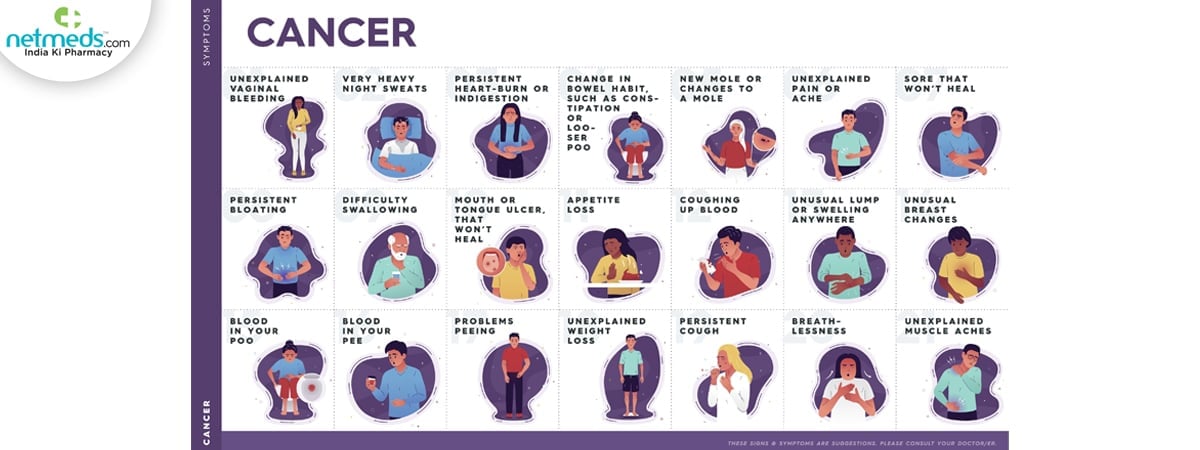
10 Early Warning Signs of Lung Cancer You Should Never Ignore

Lung cancer often doesn't show symptoms in its early stages, making it crucial to recognize subtle signs your body may be giving you. Detecting these early can lead to faster diagnosis, timely treatment, and significantly better outcomes.

Persistent Cough That Lasts More Than Three Weeks

A lingering cough that refuses to go away should not be ignored, especially if you are not recovering from a recent cold or infection. It could indicate irritation or blockage in the airways caused by a growing tumor.

Coughing Up Blood (Hemoptysis)

Spotting blood in your sputum, even just once is a red flag. While not always caused by cancer, this symptom should be promptly investigated by a medical professional.

Shortness of Breath or Difficulty Breathing

If you find yourself easily winded while walking or climbing stairs, activities you could previously do without trouble, it may indicate a lung blockage or fluid buildup due to a tumor.

Chest Pain or Tightness

Chest discomfort that worsens when breathing deeply, coughing, or laughing could be a sign of lung cancer spreading to the chest wall, ribs, or pleura (the lining around the lungs).

Hoarseness or Voice Changes

Persistent hoarseness or a raspy voice can occur when a tumor presses on the nerve controlling the vocal cords, and it's often overlooked as a simple throat irritation.

Unexplained Weight Loss

Sudden and unintentional weight loss (more than 5–10% of your body weight) may be one of the earliest signs of cancer, including lung cancer, due to changes in metabolism.

Fatigue and Weakness

Feeling unusually tired all the time, even with enough sleep, could be a result of your body trying to fight off disease or the impact of a growing tumor disrupting normal organ function.

Frequent Respiratory Infections

Recurring episodes of bronchitis or pneumonia could suggest that a tumor is obstructing the airway, making it easier for infections to develop.

Swelling in the Face, Neck, or Arms

Swelling in the upper body, especially on one side, might result from a tumor pressing against the superior vena cava, a major vein that returns blood from the head and arms to the heart.

Bone Pain or Persistent Headaches

If lung cancer spreads (metastasizes), it can cause dull, aching pain in the bones (especially the back or hips) or frequent headche  if it reaches the brain.

Note: Many of these symptoms may be caused by non-cancerous conditions, but it is always best to get them checked out early, especially if you are at higher risk due to smoking or environmental exposure.

Who Is at Risk?

While smoking remains the top risk factor, lung cancer can affect anyone. Additional risk factors include:

  • Exposure to secondhand smoke, asbestos, or radon gas

  • Air pollution

  • Genetic predisposition or family history

  • Prior radiation therapy to the chest

  • Chronic lung conditions like  COPD

Even non-smokers are not immune, making awareness of early symptoms even more crucial.

How Can You Participate in World Lung Cancer Day 2025?

Help spread awareness and support the cause by:

  • Sharing educational content on social media
  • Encouraging loved ones to seek screenings
  • Donating to lung cancer research or patient aid programs
  • Joining local events, webinars, or fundraisers
  • Advocating for equal healthcare access in your community

Conclusion

World Lung Cancer Day 2025 is more than just a date, it is a global movement. By embracing the theme “Breaking Barriers: Championing Early Detection and Equal Care,” we commit to saving lives through awareness, early diagnosis, and equitable treatment for all.

If you or someone you love is experiencing any of the symptoms listed above, don’t wait, consult a healthcare provider and take the first step toward timely intervention.

Frequently Asked Questions 

Can lung cancer symptoms be mistaken for a cold or flu?

Yes, early lung cancer symptoms like coughing and fatigue often resemble common respiratory infections, which is why they are frequently overlooked.

How long should I wait before seeing a doctor for a persistent cough?

If a cough lasts more than 2–3 weeks without improvement or is worsening, it is best to consult a doctor.

Is coughing up blood always a sign of cancer?

No, it can also result from infections or bronchitis, but it should always be investigated immediately.

Can non-smokers get lung cancer?

Absolutely, around 10–20% of lung cancer cases occur in people who have never smoked, often due to genetics, air pollution, or exposure to toxins.

What is the most common first symptom of lung cancer?

A persistent cough is often the first and most common warning sign.


This is only for your information, kindly take the advice of your doctor for medicines, exercises and so on.   

Labels: , , , , , , , , , , , , ,

Tuesday, July 29, 2025

Signs of silent heart attack

Most people don't realize that they could have a heart attack without even knowing it. Although these are commonly referred to as "silent" heart attacks, a more accurate term may be "unrecognized" heart attack, says cardiologist Dr. David Morrow, director of the cardiac intensive care unit at Harvard-affiliated Brigham and Women's Hospital.

"Some people do have symptoms, so in that sense, their heart attack is not silent. They just don't recognize the sensations as coming from their heart," he explains. They may think it's just indigestion or muscle pain, when the real cause is actually reduced blood flow to the heart. People may also experience other atypical symptoms, such as nausea or excessive sweating during a heart attack (see "Heart attack symptoms").

People with diabetes are more likely to have minimal or atypical symptoms. That's especially worrisome because they already face a higher-than-average risk of heart attack in the first place.

Raising awareness of unrecognized heart attacks is important because over the long term these events are just as dangerous as recognizable heart attacks (see "Survival after an unrecognized heart attack").

During a heart attack, the duration and intensity of symptoms can vary quite a bit. In general, there must be 15 to 30 minutes of reduced blood flow to result in a detectable heart attack (that is, part of the heart muscle becomes damaged or dies). But sometimes symptoms come and go; these are known as stuttering symptoms. And the intensity doesn't correlate with the size of the heart attack. Some people have mild symptoms from a very large heart attack, while others have severe symptoms with a small heart attack, says Dr. Morrow.


Heart attack symptoms

Although the most common sign of a heart attack in both men and women is the classic one — discomfort in the center of the chest that spreads through the upper body — this symptom doesn't always occur. Some people experience non-classic symptoms, and these might be slightly more frequent in women and in older people. 


Classic symptoms

Non-classic symptoms

  • Pressure, aching, or tightness in the center of the chest
  • Pain or discomfort that radiates to the upper body, especially shoulders or neck and arms
  • Sweating


  • Shortness of breath
  • Weakness
  • Nausea or vomiting
  • Dizziness
  • Back or jaw pain
  • Unexplained fatigue


How long, how strong?

Silent heart attacks are usually discovered on an electrocardiogram (ECG), which is a recording of the heart's electrical activity. Damage to the heart's muscle caused by a heart attack shows up as a distinct signature on an ECG.

ECGs are quick and inexpensive, but they can miss a prior unrecognized heart attack or produce false positives, meaning they find evidence of a heart attack when there actually wasn't one. As a result, ECGs are not recommended for routine screening for people with an average risk of a heart attack who don't have symptoms. However, an ECG and other testing is appropriate for people with symptoms that suggest a heart attack, even if the cause is unclear. "I'd much rather have people get evaluated and it turn out to be nothing serious than not be evaluated and weather a heart attack at home," says Dr. Morrow.


Survival after an unrecognized heart attack

A 2019 study reported in JAMA Cardiology identified people who'd experienced heart attacks — some recognized, some not — as well as others who'd never had a heart attack, and followed them all for about 13 years.

Here's a summary of the findings:

Who: 935 adults in Iceland with an average age of 76.

How: MRI of the heart (which can reveal damage caused by a heart attack) done at the start of the study showed that 17% of the participants had at some point had an unrecognized heart attack, while another 10% had a recognized heart attack.

Why: To determine the short- and long-term prognosis after an unrecognized heart attack.

Key findings: After three years, those who'd had unrecognized heart attacks were no more likely to have died than people with no history of heart attack. But after 10 years, about half of the people with unrecognized heart attacks had died — a rate that was nearly identical to those who'd had recognized heart attacks.


This is only for your information, kindly take the advice of your doctor for medicines, exercises and so on.   


Labels: , , , , , , , , , , , ,

Wednesday, March 12, 2025

Vitamin B12: If you are a vegetarian, then know some food sources of Vitamin B12

 Vitamin B12: If you are a vegetarian, then know some food sources of Vitamin B12 here..  

Vitamin B12 is an essential vitamin for cells (nerves). It is important for keeping your nerves, blood cells, and DNA healthy. Animal products naturally contain this vitamin. Meat, dairy, and eggs are particularly good sources. Plant-based foods do not naturally contain B12. So people who follow a vegetarian diet need to make sure they get enough vitamin B12 every day to avoid deficiency.

First, know why Vitamin B12 is important for you (Why Vitamin B 12 is important)

A lack of vitamin B12 can lead to serious consequences, such as blood deficiency or the body's inability to use calcium properly. Vegetarians need to think more about where their vitamin B12 is coming from (Vegetarian food sources of Vitamin B12).

Benefits of Vitamin B12

Formation and division of red blood cells

Protecting the nervous system

Nourishing DNA

Giving energy to your body

Vitamin B12 for weight loss

Vitamin B12 is an essential vitamin for your body.  

If you don't have enough vitamin B12, you may also experience the following symptoms (Signs of Vitamin B12 deficiency)

Fatigue

Tingling sensation in hands and feet

Numbness

Weakness

Blurred vision

Fever

Excessive sweating

Difficulty walking

Constipation

Blistered tongue

Here are some vegetarian sources of Vitamin B12

Vegetarians have many options for sources of B12. These include dairy products, such as milk and cheese. Vegans have a more limited list of options. Natural foods such as nutritional yeast, some mushrooms, and some algae also contain vitamin B12.

1 Milk products

Eating dairy products is one of the simplest ways to get enough vitamin B12 on a vegan diet.

1 cup of low-fat milk contains 1.2 micrograms (mcg), or 50% of your Daily Value (DV)

8 ounces of low-fat yogurt contains 1.1 mcg or 46% of your DV

1 ounce of Swiss cheese contains 0.9 mcg or 38% of your DV

Try eating yogurt with your breakfast, milk as lunch, and a few slices of cheese as a snack.

2 Fortified food items

Vegetarian food sources of Vitamin B12

Fortified cereals are a great breakfast option. They can often contain up to 25% B12. However, this can vary from brand to brand. Read the packaging to determine if your favorite breakfast cereal or pulses have added B12.

Fortified food items are usually easier for your body to digest, which means it makes it easier for the body to absorb vitamin B12.

3 Nutritional yeast

Another nutritious food that contains vitamin B12 is nutritional yeast. It is a favorite food for vegetarians. Along with its nutritional benefits, nutritional yeast provides depth of flavor to cooking. Many people use nutritional yeast to add a cheesy or nutty taste to foods. One tablespoon of fortified nutritional yeast provides 2.4 mcg of B12. Vegetarians can add nutritional yeast to sauces, chili or curries. For a healthy snack or breakfast, sprinkle nutritional yeast on popcorn.

4 Shiitake Mushrooms

Some mushrooms, such as shiitake, contain vitamin B12. However, the levels of the vitamin are relatively low. You would need to eat about 50 grams of dried shiitake mushrooms to meet your daily requirements of vitamin B12.


This is only for your information, kindly take the advice of your doctor for medicines, exercises and so on.   


Labels: , , , , , , , , ,