Wednesday, November 19, 2025

World Lung Cancer Day 2025: Theme, Significance And 10 Early Warning Signs of Lung Cancer You Should Never Ignore

World Lung Cancer Day, observed every year on August 1st, serves as a critical global reminder of the ongoing battle against one of the world’s deadliest cancers. Despite medical advancements, lung cancer remains the leading cause of cancer-related deaths worldwide, largely due to late-stage diagnosis and unequal access to care.

In 2025, the campaign takes on new urgency under the theme:

“Breaking Barriers: Championing Early Detection and Equal Care”.

This powerful message highlights the urgent need to promote timely diagnosis and ensure equitable treatment for all, regardless of geography, gender, or socioeconomic status. As awareness grows, so does our ability to save lives especially when people recognize the early signs and take prompt action.

In this blog, we explore the significance of World Lung Cancer Day 2025, break down what this year’s theme means for global health efforts, and list 10 early warning signs of lung cancer you should never ignore. Early detection saves lives and knowing what to look out for could make all the difference.

The Theme of World Lung Cancer Day 2025: What It Means?

This theme calls for a united global effort to increase public awareness about lung cancer symptoms and risk factors, remove barriers to early screening and diagnosis, especially in underserved communities and promote equal access to life-saving treatments and technologies. It also aims to empower patients to seek help without fear or stigma, fostering a more inclusive and supportive approach to lung health worldwide.
In short, it is about saving more lives and ensuring no one is left behind in the fight against lung cancer.

Why Is World Lung Cancer Day Important?

Despite medical advancements, lung cancer continues to claim millions of lives due to:

Late-stage diagnosis

Lack of awareness about early symptoms

Stigmas associated with smoking

Unequal healthcare access, especially in low-income or rural areas

World Lung Cancer Day is not just a commemoration, it is a call to action for policymakers, medical professionals, communities, and individuals.
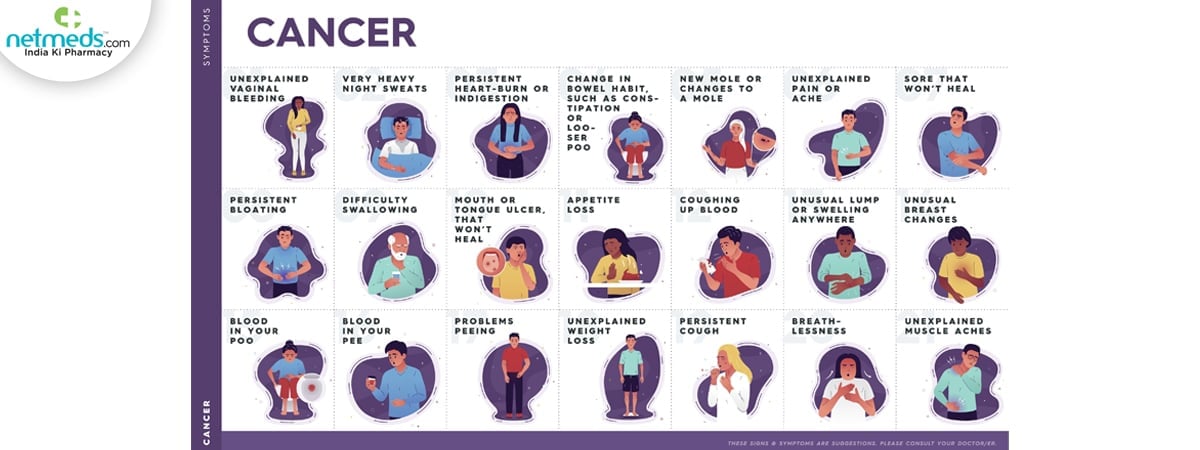
lung cancer causes  

10 Early Warning Signs of Lung Cancer You Should Never Ignore

Lung cancer often doesn't show symptoms in its early stages, making it crucial to recognize subtle signs your body may be giving you. Detecting these early can lead to faster diagnosis, timely treatment, and significantly better outcomes.

Persistent Cough That Lasts More Than Three Weeks

A lingering cough that refuses to go away should not be ignored, especially if you are not recovering from a recent cold or infection. It could indicate irritation or blockage in the airways caused by a growing tumor.

Coughing Up Blood (Hemoptysis)

Spotting blood in your sputum, even just once is a red flag. While not always caused by cancer, this symptom should be promptly investigated by a medical professional.

Shortness of Breath or Difficulty Breathing

If you find yourself easily winded while walking or climbing stairs, activities you could previously do without trouble, it may indicate a lung blockage or fluid buildup due to a tumor.

Chest Pain or Tightness

Chest discomfort that worsens when breathing deeply, coughing, or laughing could be a sign of lung cancer spreading to the chest wall, ribs, or pleura (the lining around the lungs).

Hoarseness or Voice Changes

Persistent hoarseness or a raspy voice can occur when a tumor presses on the nerve controlling the vocal cords, and it's often overlooked as a simple throat irritation.

Unexplained Weight Loss

Sudden and unintentional weight loss (more than 5–10% of your body weight) may be one of the earliest signs of cancer, including lung cancer, due to changes in metabolism.

Fatigue and Weakness

Feeling unusually tired all the time, even with enough sleep, could be a result of your body trying to fight off disease or the impact of a growing tumor disrupting normal organ function.

Frequent Respiratory Infections

Recurring episodes of bronchitis or pneumonia could suggest that a tumor is obstructing the airway, making it easier for infections to develop.

Swelling in the Face, Neck, or Arms

Swelling in the upper body, especially on one side, might result from a tumor pressing against the superior vena cava, a major vein that returns blood from the head and arms to the heart.

Bone Pain or Persistent Headaches

If lung cancer spreads (metastasizes), it can cause dull, aching pain in the bones (especially the back or hips) or frequent headche  if it reaches the brain.

Note: Many of these symptoms may be caused by non-cancerous conditions, but it is always best to get them checked out early, especially if you are at higher risk due to smoking or environmental exposure.

Who Is at Risk?

While smoking remains the top risk factor, lung cancer can affect anyone. Additional risk factors include:

  • Exposure to secondhand smoke, asbestos, or radon gas

  • Air pollution

  • Genetic predisposition or family history

  • Prior radiation therapy to the chest

  • Chronic lung conditions like  COPD

Even non-smokers are not immune, making awareness of early symptoms even more crucial.

How Can You Participate in World Lung Cancer Day 2025?

Help spread awareness and support the cause by:

  • Sharing educational content on social media
  • Encouraging loved ones to seek screenings
  • Donating to lung cancer research or patient aid programs
  • Joining local events, webinars, or fundraisers
  • Advocating for equal healthcare access in your community

Conclusion

World Lung Cancer Day 2025 is more than just a date, it is a global movement. By embracing the theme “Breaking Barriers: Championing Early Detection and Equal Care,” we commit to saving lives through awareness, early diagnosis, and equitable treatment for all.

If you or someone you love is experiencing any of the symptoms listed above, don’t wait, consult a healthcare provider and take the first step toward timely intervention.

Frequently Asked Questions 

Can lung cancer symptoms be mistaken for a cold or flu?

Yes, early lung cancer symptoms like coughing and fatigue often resemble common respiratory infections, which is why they are frequently overlooked.

How long should I wait before seeing a doctor for a persistent cough?

If a cough lasts more than 2–3 weeks without improvement or is worsening, it is best to consult a doctor.

Is coughing up blood always a sign of cancer?

No, it can also result from infections or bronchitis, but it should always be investigated immediately.

Can non-smokers get lung cancer?

Absolutely, around 10–20% of lung cancer cases occur in people who have never smoked, often due to genetics, air pollution, or exposure to toxins.

What is the most common first symptom of lung cancer?

A persistent cough is often the first and most common warning sign.


This is only for your information, kindly take the advice of your doctor for medicines, exercises and so on.   

Labels: , , , , , , , , , , , , ,

Sunday, August 03, 2025

How much Sunscreen you need to apply

Dermatologists point out that, in the past few years, people have become aware of the dangers of sun damage and are much better at wearing sunscreen daily and reapplying it when they’re in the sun, but the majority are still not applying enough. In the UK alone of the people who do use sun protection, almost 50% use less than half of the recommended amount. These statistics aren’t surprising, as we’re so used to applying a pea or dime sized amount of cream to our entire face, and we usually do the same with sunscreen. 
 
The instructions on sunscreen bottles aren’t particularly helpful either, as they typically fail to specify the amount of product that will be enough to protect you. Luckily, there is a solution to this problem and it involves a teaspoon. We will teach you how much sunscreen to apply to each body part and which areas are the most overlooked when applying sunscreen. 
 
The Entire Body

When you’re going to the beach and you know you’ll be exposing your entire body to the sun’s rays, don’t forget to apply sun cream before going to the beach, as well as reapplying it every 2 hours as it will rub off, break down and stop working after 2 hours of wear.

According to dermatologists’ recommendations, we should use 6 teaspoons (36 g) of sunscreen to protect the entire body. Also, don’t forget to wear a hat when you’re out and about, as the skin on your scalp can and will burn if you don’t.

The Face and  Neck
 
how much sunscreen you need face and neck
The image shows how much sunscreen you need to apply to your face and neck versus how much most people apply.

Your face and neck are the areas that get the most sun exposure, so it’s important to apply sun cream to your face and neck every day regardless of the weather or climate you live in. Measure out ½ teaspoons of sunscreen to cover these areas and apply evenly throughout the face and neck. Most people forget the back of their neck and the ears, so be smarter and make sure you don’t miss those spots.


Hands and Palms how much sunscreen you need hands and arms
The second most exposed body parts are the hands and arms, as most of us wear short-sleeved clothes all spring and summer and we usually only wear gloves in the winter. The rule of thumb is that all areas of the body that are not covered up with clothing should be protected, so wear sun cream on your arms every day you’re wearing short sleeves. 
 
You will need 1 teaspoon per arm or 2 teaspoons to cover both.


Legs and Feet how much sunscreen you need legs and feet
Do you like wearing shorts or skirts in warm weather? If so, then you should be applying sunscreen on them, too. You need 1 teaspoon to cover up one leg, and if you’re wearing sandals or flip flops, make sure you’re covering your feet and toes as well. 
 
Also, if you’re at the beach, don’t forget to protect the soles of your feet with sun cream as well, as statistics show that it’s one of those body parts that tend to burn the most and the fastest.


The Torso how much sunscreen you need torso
If you’re wondering how much sunscreen you should apply to your front and back body, it should be 1 teaspoon per each. The most overlooked spots on the torso are the armpits and the sides but know that they can burn as well, especially if you fall asleep on the beach like most of us probably did at some point in our life. 
 
Finally, remember that you should wear at least SPF 30-50 and look for broad-spectrum sunscreens because they protect you from all types of UV rays.


This is only for your information, kindly take the advice of your doctor for medicines, exercises and so on.   


Labels: , , , , , , ,

Monday, November 15, 2021

Ministroke vs Fullblown Stroke: How Are They Different?

Have you ever heard of the word “ministroke”? The proper term for this health emergency is transient ischemic attack (or simply TIA), and it occurs when blood flow is temporarily cut off to a part of the brain. Ministrokes usually resolve within a day and do not inflict lasting damage to the brain.

“Since it doesn’t cause permanent damage, it’s often ignored. But this is a big mistake. TIAs may signal a full-blown stroke ahead,” warns the American Stroke Association.If you or someone you know is experiencing symptoms of TIA, never turn a blind eye and get urgent medical help. 
 
Let’s investigate how a ministroke differs from a full-blown stroke, learn about the signs of TIA, and what you can do to prevent it.  
 
How is a ministroke different from a stroke?
Ministroke (TIA) ministroke chart illustrating TIA
TIA and stroke are two sides of the same coin. The only real difference between a ministroke and a full-blown stroke is time. During a ministroke, the blockage of the blood vessel in the brain is brief enough that it doesn’t cause lasting damage to the brain tissue. In a stroke, blood flow is cut off long enough for such damage to occur. 
 
Due to this causal similarity, the signs and symptoms of TIA are identical to that of stroke. However, the duration of symptoms is different. In a ministroke, the neurological symptoms last anywhere from a few minutes and up to 24 hours. The symptoms and complications of a stroke last for a day or more and may never clear up. 
 
The exact symptoms of a ministroke are very individual, it all depends on which part of the brain is depleted of blood supply. We list the common symptoms of both ministroke and stroke as per the CDC in the image below.
 Ministroke (TIA) Symptoms of TIA

All things considered, a ministroke should always be treated as a stroke because only a doctor can distinguish between the two and administer proper treatment. If you or someone you know is experiencing any of these symptoms, seek immediate medical attention. If the symptoms go away by the time the doctor arrives, describe your symptoms and ask for a more thorough evaluation. 
 
Those diagnosed with a ministroke in the past should never disregard it because TIA can signal an imminent stroke. According to the CDC, “More than a third of people who have a TIA and don’t get treatment have a major stroke within 1 year. As many as 10% to 15% of people will have a major stroke within 3 months of a TIA.”

The causes of TIA 
TIAs and stroke have the same root cause — a blood clot blocking a blood vessel in the brain. This usually occurs as a result of: 
 
Embolism - a blood clot travels from another part of the body (e.g. the heart) to the brain. 
 
Atherosclerosis - fatty plaque builds up in a blood vessel, obstructing blood flow. Those suffering from high blood pressure are at a high risk of atherosclerosis and therefore ministroke and stroke too.

What puts you at risk of TIA? 
A number of factors increase the risk of stroke and ministroke, and not all of them are under our control. Unfortunately, the risk of TIA and stroke increases with age, so we all have a chance to develop one of these conditions over time. Women are also more likely to experience a ministroke and stroke than men. Everyone with a family member who has had a stroke, no matter their age or gender, has a higher risk of developing TIA and stroke. Lastly, diabetes sufferers are more likely to experience TIA and stroke than non-diabetics. 
 
On the bright side, there are many risk factors of ministroke you can eliminate from your life. These are: 
 
Not enough physical activity can contribute to TIA and stroke. 
 
Smoking - cigarette smoke damages the cardiovascular system, which raises the risk of ministroke and stroke. 
 
High cholesterol - a diet high in trans fat and saturated fat (fatty cuts of red meat, fast food, and anything fried) makes your levels of LDL “bad” cholesterol surge, which then raises the risk of ministroke and stroke. ​

What can you do if someone nearby is having a stroke? 
Symptoms of ministroke and stroke tend to arise suddenly and unexpectedly, and you need to act fast and call an ambulance as soon as possible. The word “FAST” also helps you remember the things you should pay attention to if you suspect a stroke: 
Face - look at the person and ask them to smile. If one of the sides of the face droops, that points to a stroke. 
Arms - ask the person to raise their arms. If the arms are uneven and one arm drifts downward, that is a sign of a stroke. 
Speech - make the person repeat any simple phrase. Unorganized, strange, or slurred speech is a symptom of stroke. 
Time - If you notice any of these symptoms, call 911(or your local emergency service) immediately. 
 
Treatment and Prevention of TIA Ministroke (TIA) 
A patient who has experienced TIA will undergo a thorough medical examination with the goal to identify the root cause of the issue and prevent a future stroke. A neurological examination, brain imaging, and bloodwork will most likely be required to diagnose the issue. 
 
The treatment will depend on the results of the medical examinations, but it nearly always involves changing your lifestyle to manage atherosclerosis and prevent a future ministroke and stroke. You can follow the same tips to prevent TIA: 
 
1. Seek medical help to manage high blood pressure, diabetes, or high cholesterol if you suffer from any of these conditions. 
 
2. If you smoke, it’s necessary to stop. If someone in your household smokes, avoid secondhand smoke. 
 
3. Consume antioxidant-rich fruits, vegetables, and whole grains and avoid foods high in trans fats and saturated fats.

4. Be physically active and exercise on a regular basis. 
 
5. Limit your alcohol consumption as much as you can.

This is only for your information, kindly take the advice of your doctor for medicines, exercises and so on.   

https://gscrochetdesigns.blogspot.com. one can see my crochet creations  
https://gseasyrecipes.blogspot.com. feel free to view for easy, simple and healthy recipes    
https://kneereplacement-stickclub.blogspot.com. for info on knee replacement


Labels: , , , , , , , , , , ,