Saturday, November 01, 2025

Candida Infection: What is it and How Can I Treat it?

Candida is a common health issue that occurs as a result of a weakened immune system or as a consequence of using treatments for various ailments. Although it may not be very serious, this condition can give rise to a number of symptoms that you may never have associated with an underlying fungal infection. These could be as common as bad breath, fatigue, hormone imbalances, or allergy issues.  
Here's all you need to know about candida. 
 
First of all, what is candida?
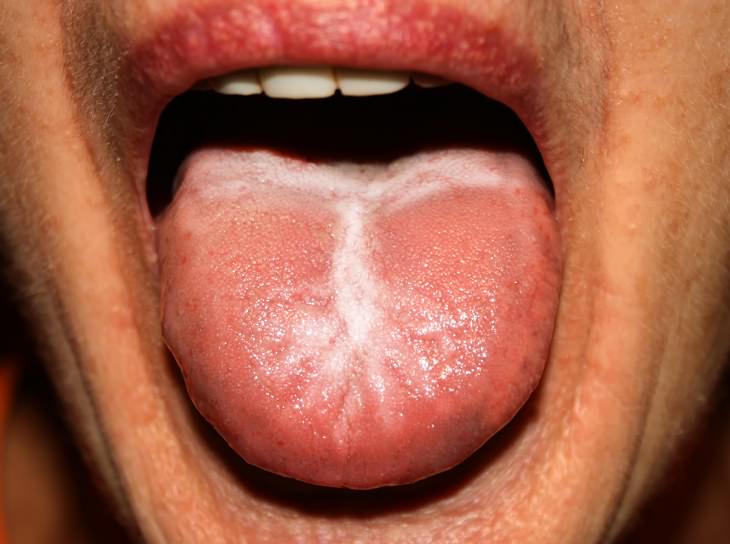
 
Candida treatment
Candida Albicans is a yeast infection that develops in the mouth, intestinal tract and vagina. It can affect the skin and other mucous membranes in the body and is generally not that worrying. However, there are cases where it spreads and reaches other areas of the body, including the blood and membranes around the heart or brain, especially if immune system function is low. To avoid this, we should look out for the following symptoms:

1. Exhaustion 
2. Cravings for sweets 
3. Bad breath 
4. White coat on tongue 
5. Brain fog 
6. Hormone imbalance 
7. Joint pain 
8. Loss of sex drive 
9. Chronic sinus and allergy issues 
10. Digestive problems (gas and bloating) 
11. Weak immune system 
12. UTI

If you're experiencing a number of the above symptoms in conjunction, you're likely to have candida. However, before you panic, telling your doctor that you're experiencing them might just be enough to put your mind at ease. This is because the individual symptoms can be attributed to a number of different things. In any case, candida is actually the most common type of fungal infection, and there are even natural remedies to treat it - they could start from a specific change in your diet.

The candida fungus is actually beneficial to your health when it's found in normal levels in the body - it aids digestion and nutrient absorption. The problem arises when there's overproduction of it, causing it to break down the walls of the intestinal lining and enter the blood stream, possibly leading to leaky gut syndrome. This overproduction can be triggered by changes in the body's natural pH balance, which can occur for several different reasons as outlined below.

First and foremost, it is important not to confuse Candida Albicans with Candida Overgrowth Syndrome (COS). The latter is a chronic condition that is set off by the aforementioned overproduction. In that case, symptoms are markedly worse and could include the development of new sensitivities, allergies or intolerances to certain foods, such as eggs, dairy, gluten, and corn

What are the causes of candida infections? 
Candida infections can result from a range of causes, such as our choice of diet. Excessive consumption of sugar, refined carbohydrates and alcohol are possible contributors to yeast growth. 
 
Other causes include the following: 

1. Use of broad-spectrum antibiotics: This type of medication can kill off both good and bad bacteria in the body, especially if it's being overused. 

2. Use of birth control pills: Being on birth control while consuming a diet that's high in refined sugar makes you more susceptible to candida.

3. Use of oral corticosteroids: If you suffer from asthma and use corticosteroid inhalers to treat it, make sure that you gargle after each time you use them to get rid of any leftover chemicals. Failing to do so increases the risk of candida. 

4. Use of cancer treatments: Cancer treatments such as chemotherapy and radiation can kill off good bacteria in the body that naturally fight candida. 
 
5. Diabetes: Candida is a type of yeast, and sugar feeds yeast. This means that diabetics are at higher risk of developing candida overgrowth syndrome.
 
6. Weakened immune system: This includes anyone from infants to the elderly, as well as those who have been diagnosed with HIV/AIDS or any other inflammatory or autoimmune condition.
 
What are the symptoms? 
People who have candida usually experience more than one symptom simultaneously, making it difficult for them to identify a definite underlying cause, as well as making it for harder for doctors to diagnose it definitively. While symptoms vary from one person to another, here is a list of the most prevalent ones: 
 
1. Chronic fatigue 
People who suffer from Chronic Fatigue Syndrome are more susceptible to candida. They experience constant exhaustion that is impossible to overcome, regardless of how much sleep they get. It lasts for a minimum of six months, and it is often associated with joint pain, headaches, sore throats, concentration and memory problem

2. Mood disorders 
It's quite common for people suffering from candida to experience drastic mood swings. The infection can also cause irritability, anxiety, panic attacks, and even depression. Although these symptoms can be attributed to a variety of ailments, they are common in individuals that have candida. This is especially true if they experience them in conjunction with the other symptoms in this list.

3. Recurring vaginal and urinary tract infections 
 The presence of candida can trigger infections in the vaginal and urinary tract. Visit your doctor if you happen to be experiencing them frequently - it could be candida that's triggering them. Candida can also be sexually transmitted, so ensure that your underwear or pantyhose isn't too tight. In addition, you should avoid hot baths if you're diagnosed with candida, because it can worsen the problem. 
 
4. Oral thrush  
Oral thrush is a yeast infection that develops in the mouth, potentially affecting other mucous membranes in the body, such as the vaginal membrane. It can be brought on by the use of medications for other ailments, as aforementioned. It can also be transmitted through saliva and even when giving birth. If the problem is not treated promptly, it can spread to other organs such as the lungs, the liver, the digestive tract, and even the valves of the heart.

To treat oral thrush, combine three drops of clove oil with a tablespoon coconut oil. Swish the mixture in your mouth for 20 minutes. You can also reap further benefits from doing this by adding lavender essential oil. The latter halts candida growth, thus stopping it from spreading. 
 
5. Sinus infections 
Another symptom of candida can show up in your sinuses. Problems with your sinuses can trigger other symptoms, such as congestion, a persistent cough, seasonal allergies, postnasal drip, and general flu-like symptoms. If you frequently experience such problems, you should get checked by your doctor for a possible candida infection.
 
6. Intestinal distress
 If you happen to observe unusual intestinal changes in your body, such as burping, bloating, persistent flatulence, diarrhea, constipation, or stomach cramps, it's possible that the root cause is candida. These symptoms arise as a consequence of yeast disrupting intestinal function. Normally, individuals who suffer from candida feel a huge difference after it has been treated successfully.

7. Brain fog 
Although it's often omitted from lists of symptoms of candida overgrowth, brain fog, just like mood swings and chronic fatigue, can actually be one of the most pronounced effects of the infection. Brain fog is characterized by poor physical coordination, a lack of focus, poor memory and concentration difficulties. 
 
8. Skin and nail fungal infections 
  Fungal infections on the skin or nails may be as a result of candida. These include athlete's foot, toenail fungus, and other common infections. If you observe these along with other common candida symptoms, especially over a prolonged period, make sure you get checked for candida by your doctor. 
 
9. Hormonal imbalance 
One of the byproducts of candida can mimic estrogen, and an overproduction of this can potentially lead to hormonal imbalance. This means you might experience more migraines, mood swings, PMS, a low sex drive, water retention, endometriosis, difficulty losing weight, and in some cases, even early menopause. 
 
How can it be treated?
 
Candida treatment

Cure 1: The candida cleanse You can cleanse your body in one of two ways - either using liquids, or salads. These to provide you with enough bacteria to fight candida. 
 
Option 1: Liquids-only candida cleanse (1-2 days) 
Make a vegetable broth from organic onions, garlic, celery, kale, sea salt and pure water. Let it simmer and then strain, removing the vegetables. You may refrigerate and eat throughout the day. Drink plenty of water to get rid of unwanted toxins.

Option 2: Raw salads and steamed vegetables (3-5 days) 
Eliminate grains, sugar, fruit, starch, and alcohol from your diet. Base your diet on fresh, organic steamed vegetables. Avoid starchy vegetables such as carrots, radishes, beets, sweet potatoes and white potatoes, as these may contain amounts of sugars that could feed the candida. Also, drink lots of water. 
 
 Cure 2: The candida diet
 This remedy is designed to boost the immune system by substituting certain foods, which contribute to the growth of the infection, with healthier alternatives. 
 
Simply, eliminate sugar, alcohol and refined carbohydrates, and replace with organic vegetables, including carrots, sweet potatoes, spinach, kale, and asparagus. Eat fermented vegetables, such as Kimichi and sauerkraut. 
 
Add cultured dairy to your diet, such as goat milk kefir. This will help kill the candida infection in your system. Drink unsweetened cranberry juice. Doing so will create an acidic environment in your body, thus deterring candida growth. 
 
Cure 3: Supplements, essential oils, and coconut oil 
This will guide you in using the right natural products to expunge or prevent candida growth in your body. 
 
Use coconut oil both as a dietary supplement or even as an ointment. This oil has antimicrobial properties that will help your body fight off candida growth. Include milk thistle in your diet to cleanse your liver of traces of any medical treatments such as steroids, birth control pills, chemotherapy and so on. Supply your body with a lot of vitamin C to bolster the adrenal glands and boost your immune system. The recommended daily intake of this vitamin is two doses of 1,000 milligrams. 
 
Use clove oil, oregano oil, and myrrh oil to help you quash the growth of fungi and other parasites, including candida. Lavender oil is also found to be useful here due to its antimicrobial properties. You can use a mixture of a few drops of clove oil or lavender oil combined with coconut oil. These essential oils are very powerful and effective, so it is recommended that they are taken internally for no more than 10 days.


This is only for your information, kindly take the advice of your doctor for medicines, exercises and so on.   


Labels: , , , , , , , , , ,

Saturday, March 22, 2025

Finding Bruises On Your Body? 7 Reasons Why It's Happening!

Many of us suffer from bruising on our legs or other parts of our bodies for no apparent reason, which causes some of us to worry, while others ignore the problem. If you weren’t aware, the most basic reason for bruising is that you have thin capillaries, but this is usually caused by other more serious problems. 
 
Doctors recommend that you don’t ignore bruises that appear on your body following each of the seven conditions - if you see them, you should consult a hematologist.
bruising
1. Lifting heavy weights and weight training 
If you have thin blood vessels, lifting weights can cause bruises to appear due to the weakness of blood vessels, which can’t withstand the load. However, weight training can cause problems also for those who don’t suffer from thin vessels, and most often this happens if the body isn’t properly prepared before working out. 
 
Children may also have bruises on their bodies if they carry a particularly heavy bag to school, and even though they aren’t dangerous, they do indicate that their bodies can’t handle the weight, so try to lighten their load a bit. 
 
2. Taking medications 
Some drugs affect the blood and blood vessels and can cause very large bruises. This is most often the result of antidepressants, anti-allergy, anti-inflammatory, iron-containing or anti-asthmatic drugs. Aspirin, which is a blood thinner, can cause bruising, and if you notice that a drug is affecting your skin, you should consult your doctor to avoid internal bleeding.


3. Blood diseases  
Varicose veins, vulvar disease, thrombocytopenia, and leukemia can cause problems in the bloodstream and cause bruising. If you start noticing bruises on your body that you don’t know how they got there, it is highly recommended that you contact your doctor to make sure that this isn’t a sign of a more serious blood problem. Also note other symptoms such as pain or swelling in the legs, bleeding gums or nosebleeds. 
 
4. Lack of vitamins and minerals 
 bruising
We all make sure that our children consume enough vitamins, but sometimes we forget about ourselves, and bruises that appear on the skin can certainly indicate that we aren’t consuming enough vitamins. For example, vitamin B12 plays an important role in protecting our blood health. Vitamin K is responsible for blood clotting and vitamin C is responsible for creating new tissues in the blood vessels, without which they can become very fragile - a deficiency of all these causes the formation of bruising. 
 
Another important vitamin you need to make sure you consume is vitamin P - also known as flavonoids - without which the body can’t produce collagen, which causes the blood vessels to become very thin and even harms the health of the skin. Apart from vitamins, an excess or deficiency in iron can also cause bruising. With that being said, don’t rush to take every vitamin on the shelf, consult your doctor first to see which ones you need to take and how you can consume more of them through your diet.

5. Hormonal imbalance  
 Changes in the body's hormonal balance may also cause bruises on the skin, and usually come when estrogen is lacking. Such a condition occurs mainly in menopause, during pregnancy or when taking drugs containing hormones. Lack of estrogen significantly weakens blood vessel walls, and small capillaries can easily be damaged. 
 
6. Age-related changes 
Of all the reasons cited, the most natural cause of bruising is aging. What actually happens is that the blood vessels also age, weaken and lose their elasticity, and thus start to protrude and are easily bruised. Most bruises appear on the legs, and they can be caused by any small bump that would normally not be felt on younger skin.


7. Diabetes 
"Sugar" and "blood" are the first things that jump to your head as soon as you think about diabetes, and it has a particularly negative effect on the circulatory system. In fact, one of the first symptoms of diabetes is bruising that appears on the skin for no apparent reason. You should visit your doctor if you notice other symptoms such as wounds that don’t heal as quickly as before, frequent fatigue and blurred vision. 
 
How to distinguish between normal and dangerous bruises
bruising
Most of the time, bruises become red immediately after the skin is damaged - because it is the color of the blood under the skin. After a while, the body begins to break down the blood and the bruise turns black, blue or even purple. Within 5-10 days it will become yellow, and at its final stage, 10-14 days after the injury, it will begin to disappear. 
 
Usually, a bruise disappears within two weeks of injury, but if you notice colors that are different from those described or if the bruise does not disappear after two weeks, you should visit your doctor.


This is only for your information, kindly take the advice of your doctor for medicines, exercises and so on.   


Labels: , , , , , , ,

Thursday, October 07, 2021

9 Symptoms of Candida and How to Treat Them

Candida is a common health issue that occurs as a result of a weakened immune system or as a consequence of using treatments for various ailments. Although it may not be very serious, this condition can give rise to a number of symptoms that you may never have associated with an underlying fungal infection. These could be as common as bad breath, fatigue, hormone imbalances, or allergy issues. Here's all you need to know about candida. 
 
First of all, what is candida?
Candida treatment
Candida Albicans is a yeast infection that develops in the mouth, intestinal tract and vagina. It can affect the skin and other mucous membranes in the body and is generally not that worrying. However, there are cases where it spreads and reaches other areas of the body, including the blood and membranes around the heart or brain, especially if immune system function is low. To avoid this, we should look out for the following symptoms: 
 
1. Exhaustion 
2. Cravings for sweets 
3. Bad breath 
4. White coat on tongue 
5. Brain fog 
6. Hormone imbalance 
7. Joint pain 
8. Loss of sex drive
 9. Chronic sinus and allergy issues 
10. Digestive problems (gas and bloating) 
11. Weak immune system 
12. UTI
 
If you're experiencing a number of the above symptoms in conjunction, you're likely to have candida. However, before you panic, telling your doctor that you're experiencing them might just be enough to put your mind at ease. This is because the individual symptoms can be attributed to a number of different things. In any case, candida is actually the most common type of fungal infection, and there are even natural remedies to treat it - they could start from a specific change in your diet.

The candida fungus is actually beneficial to your health when it's found in normal levels in the body - it aids digestion and nutrient absorption. The problem arises when there's overproduction of it, causing it to break down the walls of the intestinal lining and enter the blood stream, possibly leading to leaky gut syndrome. This overproduction can be triggered by changes in the body's natural pH balance, which can occur for several different reasons as outlined below. 
 
First and foremost, it is important not to confuse Candida Albicans with Candida Overgrowth Syndrome (COS). The latter is a chronic condition that is set off by the aforementioned overproduction. In that case, symptoms are markedly worse and could include the development of new sensitivities, allergies or intolerances to certain foods, such as eggs, dairy, gluten, and corn.

What are the causes of candida infections? 
Candida infections can result from a range of causes, such as our choice of diet. Excessive consumption of sugar, refined carbohydrates and alcohol are possible contributors to yeast growth. 
 
Other causes include the following: 
1. Use of broad-spectrum antibiotics: This type of medication can kill off both good and bad bacteria in the body, especially if it's being overused. 
 
2. Use of birth control pills: Being on birth control while consuming a diet that's high in refined sugar makes you more susceptible to candida. 
 
3. Use of oral corticosteroids: If you suffer from asthma and use corticosteroid inhalers to treat it, make sure that you gargle after each time you use them to get rid of any leftover chemicals. Failing to do so increases the risk of candida. 
 
4. Use of cancer treatments: Cancer treatments such as chemotherapy and radiation can kill off good bacteria in the body that naturally fight candida. 
 
5. Diabetes: Candida is a type of yeast, and sugar feeds yeast. This means that diabetics are at higher risk of developing candida overgrowth syndrome.

6. Weakened immune system: This includes anyone from infants to the elderly, as well as those who have been diagnosed with HIV/AIDS or any other inflammatory or autoimmune condition. 
 
What are the symptoms?  
People who have candida usually experience more than one symptom simultaneously, making it difficult for them to identify a definite underlying cause, as well as making it for harder for doctors to diagnose it definitively. While symptoms vary from one person to another, here is a list of the most prevalent ones: 
 
1. Chronic fatigue 
People who suffer from Chronic Fatigue Syndrome are more susceptible to candida. They experience constant exhaustion that is impossible to overcome, regardless of how much sleep they get. It lasts for a minimum of six months, and it is often associated with joint pain, headaches, sore throats, concentration and memory problems. 
 
2. Mood disorders  
It's quite common for people suffering from candida to experience drastic mood swings. The infection can also cause irritability, anxiety, panic attacks, and even depression. Although these symptoms can be attributed to a variety of ailments, they are common in individuals that have candida. This is especially true if they experience them in conjunction with the other symptoms in this list. 
 
3. Recurring vaginal and urinary tract infections 
The presence of candida can trigger infections in the vaginal and urinary tract. Visit your doctor if you happen to be experiencing them frequently - it could be candida that's triggering them. Candida can also be sexually transmitted, so ensure that your underwear or pantyhose isn't too tight. In addition, you should avoid hot baths if you're diagnosed with candida, because it can worsen the problem. 
 
4. Oral thrush 
Oral thrush is a yeast infection that develops in the mouth, potentially affecting other mucous membranes in the body, such as the vaginal membrane. It can be brought on by the use of medications for other ailments, as aforementioned. It can also be transmitted through saliva and even when giving birth. If the problem is not treated promptly, it can spread to other organs such as the lungs, the liver, the digestive tract, and even the valves of the heart. 
 
To treat oral thrush, combine three drops of clove oil with a tablespoon coconut oil. Swish the mixture in your mouth for 20 minutes. You can also reap further benefits from doing this by adding lavender essential oil. The latter halts candida growth, thus stopping it from spreading.

5. Sinus infections  
Another symptom of candida can show up in your sinuses. Problems with your sinuses can trigger other symptoms, such as congestion, a persistent cough, seasonal allergies, postnasal drip, and general flu-like symptoms. If you frequently experience such problems, you should get checked by your doctor for a possible candida infection. 
 
6. Intestinal distress 
If you happen to observe unusual intestinal changes in your body, such as burping, bloating, persistent flatulence, diarrhea, constipation, or stomach cramps, it's possible that the root cause is candida. These symptoms arise as a consequence of yeast disrupting intestinal function. Normally, individuals who suffer from candida feel a huge difference after it has been treated successfully.
7. Brain fog  
Although it's often omitted from lists of symptoms of candida overgrowth, brain fog, just like mood swings and chronic fatigue, can actually be one of the most pronounced effects of the infection. Brain fog is characterized by poor physical coordination, a lack of focus, poor memory and concentration difficulties. 
 
8. Skin and nail fungal infections 
Fungal infections on the skin or nails may be as a result of candida. These include athlete's foot, toenail fungus, and other common infections. If you observe these along with other common candida symptoms, especially over a prolonged period, make sure you get checked for candida by your doctor. 
 
9. Hormonal imbalance  
One of the byproducts of candida can mimic estrogen, and an overproduction of this can potentially lead to hormonal imbalance. This means you might experience more migraines, mood swings, PMS, a low sex drive, water retention, endometriosis, difficulty losing weight, and in some cases, even early menopause. 
 
How can it be treated?
Cure 1: The candida cleanse 
You can cleanse your body in one of two ways - either using liquids, or salads. These to provide you with enough bacteria to fight candida. 
 
Option 1: Liquids-only candida cleanse (1-2 days) 
Make a vegetable broth from organic onions, garlic, celery, kale, sea salt and pure water. Let it simmer and then strain, removing the vegetables. You may refrigerate and eat throughout the day. Drink plenty of water to get rid of unwanted toxins. 
 
Option 2: Raw salads and steamed vegetables (3-5 days) 
Eliminate grains, sugar, fruit, starch, and alcohol from your diet. Base your diet on fresh, organic steamed vegetables. Avoid starchy vegetables such as carrots, radishes, beets, sweet potatoes and white potatoes, as these may contain amounts of sugars that could feed the candida. Also, drink lots of water.

Cure 2: The candida diet 
This remedy is designed to boost the immune system by substituting certain foods, which contribute to the growth of the infection, with healthier alternatives. 
 
Simply, eliminate sugar, alcohol and refined carbohydrates, and replace with organic vegetables, including carrots, sweet potatoes, spinach, kale, and asparagus. Eat fermented vegetables, such as Kimichi and sauerkraut. 
 
Add cultured dairy to your diet, such as goat milk kefir. This will help kill the candida infection in your system. Drink unsweetened cranberry juice. Doing so will create an acidic environment in your body, thus deterring candida growth. 
 
Cure 3: Supplements, essential oils, and coconut oil  
This will guide you in using the right natural products to expunge or prevent candida growth in your body. 
 
Use coconut oil both as a dietary supplement or even as an ointment. This oil has antimicrobial properties that will help your body fight off candida growth. Include milk thistle in your diet to cleanse your liver of traces of any medical treatments such as steroids, birth control pills, chemotherapy and so on. Supply your body with a lot of vitamin C to bolster the adrenal glands and boost your immune system. The recommended daily intake of this vitamin is two doses of 1,000 milligrams. 
 
Use clove oil, oregano oil, and myrrh oil to help you quash the growth of fungi and other parasites, including candida. Lavender oil is also found to be useful here due to its antimicrobial properties. You can use a mixture of a few drops of clove oil or lavender oil combined with coconut oil. These essential oils are very powerful and effective, so it is recommended that they are taken internally for no more than 10 days.


This is only for your information, kindly take the advice of your doctor for medicines, exercises and so on.   

https://gscrochetdesigns.blogspot.com. one can see my crochet creations  
https://gseasyrecipes.blogspot.com. feel free to view for easy, simple and healthy recipes    
https://kneereplacement-stickclub.blogspot.com. for info on knee replacement

Labels: , , , , , , , , , , , , ,