Saturday, November 01, 2025

Candida Infection: What is it and How Can I Treat it?

Candida is a common health issue that occurs as a result of a weakened immune system or as a consequence of using treatments for various ailments. Although it may not be very serious, this condition can give rise to a number of symptoms that you may never have associated with an underlying fungal infection. These could be as common as bad breath, fatigue, hormone imbalances, or allergy issues.  
Here's all you need to know about candida. 
 
First of all, what is candida?
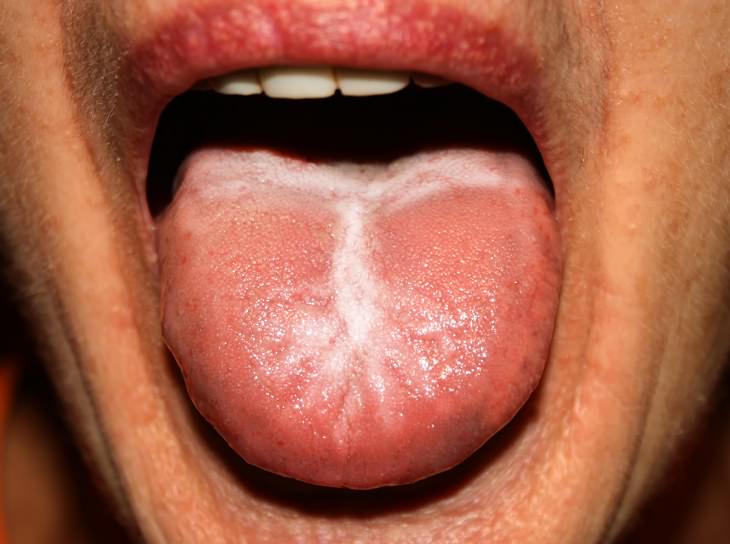
 
Candida treatment
Candida Albicans is a yeast infection that develops in the mouth, intestinal tract and vagina. It can affect the skin and other mucous membranes in the body and is generally not that worrying. However, there are cases where it spreads and reaches other areas of the body, including the blood and membranes around the heart or brain, especially if immune system function is low. To avoid this, we should look out for the following symptoms:

1. Exhaustion 
2. Cravings for sweets 
3. Bad breath 
4. White coat on tongue 
5. Brain fog 
6. Hormone imbalance 
7. Joint pain 
8. Loss of sex drive 
9. Chronic sinus and allergy issues 
10. Digestive problems (gas and bloating) 
11. Weak immune system 
12. UTI

If you're experiencing a number of the above symptoms in conjunction, you're likely to have candida. However, before you panic, telling your doctor that you're experiencing them might just be enough to put your mind at ease. This is because the individual symptoms can be attributed to a number of different things. In any case, candida is actually the most common type of fungal infection, and there are even natural remedies to treat it - they could start from a specific change in your diet.

The candida fungus is actually beneficial to your health when it's found in normal levels in the body - it aids digestion and nutrient absorption. The problem arises when there's overproduction of it, causing it to break down the walls of the intestinal lining and enter the blood stream, possibly leading to leaky gut syndrome. This overproduction can be triggered by changes in the body's natural pH balance, which can occur for several different reasons as outlined below.

First and foremost, it is important not to confuse Candida Albicans with Candida Overgrowth Syndrome (COS). The latter is a chronic condition that is set off by the aforementioned overproduction. In that case, symptoms are markedly worse and could include the development of new sensitivities, allergies or intolerances to certain foods, such as eggs, dairy, gluten, and corn

What are the causes of candida infections? 
Candida infections can result from a range of causes, such as our choice of diet. Excessive consumption of sugar, refined carbohydrates and alcohol are possible contributors to yeast growth. 
 
Other causes include the following: 

1. Use of broad-spectrum antibiotics: This type of medication can kill off both good and bad bacteria in the body, especially if it's being overused. 

2. Use of birth control pills: Being on birth control while consuming a diet that's high in refined sugar makes you more susceptible to candida.

3. Use of oral corticosteroids: If you suffer from asthma and use corticosteroid inhalers to treat it, make sure that you gargle after each time you use them to get rid of any leftover chemicals. Failing to do so increases the risk of candida. 

4. Use of cancer treatments: Cancer treatments such as chemotherapy and radiation can kill off good bacteria in the body that naturally fight candida. 
 
5. Diabetes: Candida is a type of yeast, and sugar feeds yeast. This means that diabetics are at higher risk of developing candida overgrowth syndrome.
 
6. Weakened immune system: This includes anyone from infants to the elderly, as well as those who have been diagnosed with HIV/AIDS or any other inflammatory or autoimmune condition.
 
What are the symptoms? 
People who have candida usually experience more than one symptom simultaneously, making it difficult for them to identify a definite underlying cause, as well as making it for harder for doctors to diagnose it definitively. While symptoms vary from one person to another, here is a list of the most prevalent ones: 
 
1. Chronic fatigue 
People who suffer from Chronic Fatigue Syndrome are more susceptible to candida. They experience constant exhaustion that is impossible to overcome, regardless of how much sleep they get. It lasts for a minimum of six months, and it is often associated with joint pain, headaches, sore throats, concentration and memory problem

2. Mood disorders 
It's quite common for people suffering from candida to experience drastic mood swings. The infection can also cause irritability, anxiety, panic attacks, and even depression. Although these symptoms can be attributed to a variety of ailments, they are common in individuals that have candida. This is especially true if they experience them in conjunction with the other symptoms in this list.

3. Recurring vaginal and urinary tract infections 
 The presence of candida can trigger infections in the vaginal and urinary tract. Visit your doctor if you happen to be experiencing them frequently - it could be candida that's triggering them. Candida can also be sexually transmitted, so ensure that your underwear or pantyhose isn't too tight. In addition, you should avoid hot baths if you're diagnosed with candida, because it can worsen the problem. 
 
4. Oral thrush  
Oral thrush is a yeast infection that develops in the mouth, potentially affecting other mucous membranes in the body, such as the vaginal membrane. It can be brought on by the use of medications for other ailments, as aforementioned. It can also be transmitted through saliva and even when giving birth. If the problem is not treated promptly, it can spread to other organs such as the lungs, the liver, the digestive tract, and even the valves of the heart.

To treat oral thrush, combine three drops of clove oil with a tablespoon coconut oil. Swish the mixture in your mouth for 20 minutes. You can also reap further benefits from doing this by adding lavender essential oil. The latter halts candida growth, thus stopping it from spreading. 
 
5. Sinus infections 
Another symptom of candida can show up in your sinuses. Problems with your sinuses can trigger other symptoms, such as congestion, a persistent cough, seasonal allergies, postnasal drip, and general flu-like symptoms. If you frequently experience such problems, you should get checked by your doctor for a possible candida infection.
 
6. Intestinal distress
 If you happen to observe unusual intestinal changes in your body, such as burping, bloating, persistent flatulence, diarrhea, constipation, or stomach cramps, it's possible that the root cause is candida. These symptoms arise as a consequence of yeast disrupting intestinal function. Normally, individuals who suffer from candida feel a huge difference after it has been treated successfully.

7. Brain fog 
Although it's often omitted from lists of symptoms of candida overgrowth, brain fog, just like mood swings and chronic fatigue, can actually be one of the most pronounced effects of the infection. Brain fog is characterized by poor physical coordination, a lack of focus, poor memory and concentration difficulties. 
 
8. Skin and nail fungal infections 
  Fungal infections on the skin or nails may be as a result of candida. These include athlete's foot, toenail fungus, and other common infections. If you observe these along with other common candida symptoms, especially over a prolonged period, make sure you get checked for candida by your doctor. 
 
9. Hormonal imbalance 
One of the byproducts of candida can mimic estrogen, and an overproduction of this can potentially lead to hormonal imbalance. This means you might experience more migraines, mood swings, PMS, a low sex drive, water retention, endometriosis, difficulty losing weight, and in some cases, even early menopause. 
 
How can it be treated?
 
Candida treatment

Cure 1: The candida cleanse You can cleanse your body in one of two ways - either using liquids, or salads. These to provide you with enough bacteria to fight candida. 
 
Option 1: Liquids-only candida cleanse (1-2 days) 
Make a vegetable broth from organic onions, garlic, celery, kale, sea salt and pure water. Let it simmer and then strain, removing the vegetables. You may refrigerate and eat throughout the day. Drink plenty of water to get rid of unwanted toxins.

Option 2: Raw salads and steamed vegetables (3-5 days) 
Eliminate grains, sugar, fruit, starch, and alcohol from your diet. Base your diet on fresh, organic steamed vegetables. Avoid starchy vegetables such as carrots, radishes, beets, sweet potatoes and white potatoes, as these may contain amounts of sugars that could feed the candida. Also, drink lots of water. 
 
 Cure 2: The candida diet
 This remedy is designed to boost the immune system by substituting certain foods, which contribute to the growth of the infection, with healthier alternatives. 
 
Simply, eliminate sugar, alcohol and refined carbohydrates, and replace with organic vegetables, including carrots, sweet potatoes, spinach, kale, and asparagus. Eat fermented vegetables, such as Kimichi and sauerkraut. 
 
Add cultured dairy to your diet, such as goat milk kefir. This will help kill the candida infection in your system. Drink unsweetened cranberry juice. Doing so will create an acidic environment in your body, thus deterring candida growth. 
 
Cure 3: Supplements, essential oils, and coconut oil 
This will guide you in using the right natural products to expunge or prevent candida growth in your body. 
 
Use coconut oil both as a dietary supplement or even as an ointment. This oil has antimicrobial properties that will help your body fight off candida growth. Include milk thistle in your diet to cleanse your liver of traces of any medical treatments such as steroids, birth control pills, chemotherapy and so on. Supply your body with a lot of vitamin C to bolster the adrenal glands and boost your immune system. The recommended daily intake of this vitamin is two doses of 1,000 milligrams. 
 
Use clove oil, oregano oil, and myrrh oil to help you quash the growth of fungi and other parasites, including candida. Lavender oil is also found to be useful here due to its antimicrobial properties. You can use a mixture of a few drops of clove oil or lavender oil combined with coconut oil. These essential oils are very powerful and effective, so it is recommended that they are taken internally for no more than 10 days.


This is only for your information, kindly take the advice of your doctor for medicines, exercises and so on.   


Labels: , , , , , , , , , ,

Thursday, February 20, 2025

8 Things We All Get Wrong About Arthritis and Joint Pain

Have you ever heard that arthritis is a normal sign of aging or that it worsens with the rise of humidity? Both of these so-called “facts” are untrue. Unfortunately, there’s a lot of misinformation around joint pain and arthritis. Some of this misleading information is extremely harmful to those who suffer from the condition. For this reason, we’ve collected a list of 8 such common arthritis and joint pain myths and the real facts behind them.

1. All joint pain is arthritis
Arthritis and Joint Pain Myths wrist pain

Joint pain and arthritis are often used interchangeably, which is a massive overstatement. In fact, the term “arthritis” itself is incredibly vague because there are as many as 50 types of arthritis, according to some classifications. But even if we only take osteoarthritis and rheumatoid arthritis, the two most widespread forms of arthritis, into consideration, they are by no means the only cause of joint pain.
Even if you experience common arthritis symptoms - joint pain, swelling, and limited joint mobility - other conditions cause them, too. Injuries, tendinitis (the inflammation or irritation of a tendon), and bursitis (the inflammation or irritation of a bursa sac) are just a few examples of such conditions. Instead of just assuming that you have arthritis when your joints start aching, it’s important to get professional guidance and be diagnosed properly.

2. Moving to a warm dry climate slows down the progression of arthritis.
Can your joints predict the rain? According to anecdotal evidence, people suffering from arthritis can feel more pain immediately before or during rain. Even though there is no hard scientific evidence to confirm this claim, there are a handful of studies suggesting that dampness or humidity could expand the inflamed joints and worsen pain and stiffness temporarily.

However, scientists don’t think that living in a warm and dry climate influences the progression of the disease and will spare you from arthritis pain. In fact, using warm and cold compresses to ease the pain probably has similar benefits. Moving out of your home and away from family to a warmer climate will probably not cure your arthritis.

3. Cracking your knuckles causes arthritis
 Arthritis and Joint Pain Myths Cracking knuckles
 Mothers have been telling their kids to stop cracking knuckles for what seems like millennia, all in vain. Knuckle cracking may be annoying to hear, but it’s not really harmful, and most importantly, it does not cause arthritis. That said, if you feel pain when you crack your knuckles, it could be due to an underlying problem with the joints. 
 
 
4. Arthritis is an older people's disease
At the beginning of this article, we mentioned that there are as many as 50 kinds of arthritis. What we didn’t specify is that each type is associated with a specific age group. For example, there is a subtype of rheumatoid arthritis called juvenile idiopathic arthritis (JIA) that affects only kids. According to Dr. Vivian Bykerk, a rheumatologist at Hospital for Special Surgery in New York, "It can happen to 1 and 2-year-olds, it can happen to 90-year-olds and to anyone in-between."

If we look at osteoarthritis, the average age of onset is 50 years and older, which is probably where this myth comes from. However, rheumatoid arthritis cases peak in the age range of 30-50 years old, and they actually tend to become rarer as you get older. Thus, this myth is just not true.


5. Ice is more effective than heat in reducing the symptoms
When it comes to most types of joint or muscle pain, both cold compresses and heating pads are useful. Arthritis is no different, so use the method that eases your joint discomfort. Usually, doctors recommend applying heat in the morning to improve joint mobility and relax achy joints and muscles. You can either use a heating pad or a damp warm cloth on the affected area or take a warm shower and a pleasant hot bath to improve your symptoms. 
 
Cold compresses, on the other hand, are often used to relieve friction pain and reduce the inflammation caused by daily activities. You can either use an ice pack or a bag with ice cubes or frozen vegetables wrapped in a cloth for this purpose.

6. You should avoid physical exercises and activities during arthritis flare-up
 
Many people believe that exercise will wear out their joints quicker; hence, you shouldn’t exercise if you have arthritis. As a matter of fact, only 13% of men and 8% of women suffering from knee osteoarthritis meet the minimum amount of weekly exercise. The truth is pretty much the opposite of that, which makes this specific myth really harmful. 
 
Regular exercise is one of the most effective ways to reduce arthritis symptoms - it builds muscles around the affected joints, which strengthens and stabilizes the joints. No one says that you should run marathons, but a regular gentle routine can be really helpful.

During a flareup, you may need a few days of rest and do some light stretching in-lieu of more intensive exercises for a week or more, but even then, it’s important to introduce movement in your life every day. If your current exercise routine causes pain, you can also switch to types of activity that are not so taxing on the joints, such as swimming or riding the bike (or the stationary bike).


7. Lifestyle changes makes no difference
Arthritis and Joint Pain Myths group yoga
This is a continuation of the previous point about exercise. Many patients are discouraged by their diagnosis and feel that surgery is the only way they can improve their joint health, which is just not true. In fact, we’ve already mentioned two ways you can curb the pain and discomfort caused by arthritis in this article - exercise and hot and cold compresses. 
 
Beyond that, doctors recommend that you maintain a healthy weight and stop smoking if you do. Those who smoke and/or are overweight tend to have more severe versions of arthritis. Likewise, it’s helpful to avoid excessive difficult movements like kneeling and squatting, and it’s important NOT to stay in the same position, such as sitting or standing, for a long time. 
 
 
8. Arthritis is inevitable and untreatable aside from surgery
 Arthritis and Joint Pain Myths knee pain
Being diagnosed with arthritis can be really depressing, especially because we often think of arthritis as an untreatable disease. In the past, patients were treated with leg elevation, bed rest, and the occasional massage or ointment, but thankfully, rheumatology has gone a long way since. While it is true that most arthritis types are still incurable, doctors do have a wide range of non-surgical treatments for arthritis. 
 
There are conservative treatments for both osteoarthritis and rheumatoid arthritis. “Over the past 40 years, the treatment of rheumatoid arthritis has changed dramatically,” says Max Konig, MD, a rheumatologist at Johns Hopkins University School of Medicine in Baltimore to WebMD. “We now have a plethora of highly effective therapies that can not only reduce or eliminate pain, but also quench joint inflammation and prevent the development of structural bone damage, joint deformity, and disability.” Note: the specific treatment assigned to you will depend on the type of arthritis you’re suffering from and requires professional medical help.

 
This is only for your information, kindly take the advice of your doctor for medicines, exercises and so on.   

Labels: , , , ,

Thursday, May 11, 2023

Joint Pain: Why It Happens and How to Fight it!

Joint pain is a very common complaint and is often linked to arthritis. According to the Arthritis Foundation, about 27 million people in the United States have this chronic condition and suffer daily pains in the knees, hips, hands and other parts of the body. It is an almost unavoidable problem and the risk of suffering from it increases as time advances.

The joints help connect bones in our bodies and give us enough flexibility to move them together from different angles. This allows us to make the thousands of little movements we make every day. Any damage to the joints caused by disease or injury can interfere with our movements and cause much discomfort. An injury affecting your ligaments, bursae, or the tendons surrounding your joints can be very dangerous and a source for ongoing pain. Other possible reasons for joint pain are wear and tear, gout, bone infection, and cancer.

Joint pain can range from mildly irritating to extreme, it can last for a day, a few weeks (acute), or even months (chronic). It's needless to say that even short-term pain and swelling in the joints can have a dramatic impact on your quality of life, not to mention suffering a chronic condition. The biggest problem facing treatment of joint pain is that there are so many possible causes, it's hard to tell which is the best way to treat it. 
 
Current Treatments: 
First of all, avoid doing any repetitive and strenuous physical activities. Such actions can be very damaging to your joints, that's why so many athletes and those who have hard physical jobs are commonly affected by this disease. 
 
Another problem that dramatically increases the risk of joint pain is obesity, which will result in devastating damages to your knees and ankles. So, losing weight is often another way to reduce joint pain, even if obesity is not the problem, less weight will put less pressure on the joints. Be sure to keep a low-fat diet and talk to an expert nutritionist if you feel that your weight is affecting your joints and causing you pain.

Medications and Supplements such as non-steroidal anti-inflammatory drugs (NSAIDs) are designed to fight the inflammation that contributes to sore joints. The most prominent members of this group of drugs are aspirin, ibuprofen, and naproxen. Some topical creams also help, but it's important to note that they will only deal with the joint pain itself and not with the root of the problem. This is only a temporary fix. 
 
Exercise is crucial for people who suffer from joint pain, it increases strength and flexibility, reduces the pain levels and helps combat muscle and body fatigue. You might think that exercise will only aggravate your joint pain, but it's actually a lack of exercise that can cause even more stiffness and pain in your joints. It's important to consult with a medical or physical professional about the types of exercises that are best for you, based on which joints are involved and what the source of the pain is. 
 
 New and Natural Solutions to Joint Pain 
Sadly, joint pain is as hard to prevent as it is to treat, but it doesn’t mean it's impossible. New advancements in the field of medicine can help deal with the pain and the problems of damaged joints better than ever before. 
 
But make sure you pick the treatment that has enough research-proven results behind it. If you're not sure which to pick, I recommend finding a high-end relief solution that treats all types of joint pain by reducing inflammation and boosting body performance. 
 
Joint pain isn't going to disappear any time soon, and as we get older the wear and tear that we put on our joints become greater, and the pain more severe. Current techniques mostly take care of the pain, not the actual problem, while some new and natural solutions seem to be promising. I hope this, like some other chronic conditions, will one day become a thing of the past.

This is only for your information, kindly take the advice of your doctor for medicines, exercises and so on.   

https://gscrochetdesigns.blogspot.com. one can see my crochet creations  
https://gseasyrecipes.blogspot.com. feel free to view for easy, simple and healthy recipes    
https://kneereplacement-stickclub.blogspot.com. for info on knee replacement
https://cancersupportindia.blogspot.com  for infor on cancer and health related topics
https://GSiyers home remedies.blogspot.com   is the latest addition to my blogs. I'm going to add posts there, do give me your valuable feed back on my blogs. Thanks a lot, take care, be healthy and be happy.

Labels: , , , , ,

Tuesday, January 03, 2023

This Is How to Make Your Eczema Settle Down Once & For All

Eczema is a skin disorder that affects many people and is indicative of the body being inflamed. Although symptoms appear on the skin, the disorder is very much a sign of something being wrong on the inside of the body. In fact, the root cause of eczema is a disturbance in the immune system – it’s the body overreacting to something that’s attacking it. Let’s take a closer look: 
 
The Main Causes of Eczema
This Is How to Make Your Eczema Settle Down Once & For All
1. Leaky Gut  
The medical term for this is “increased intestinal permeability”. In essence, the body has an inflammatory reaction to food particles passing through the wall of your gut. This results in food sensitivity, such as to gluten and dairy. With that being said, a leaky gut can cause a whole range of health problems, from sinus problems to irritable bowel, reflux, joint pain, autoimmune diseases and more. The body’s inflammatory response can also cause weight gain.

2. Abnormal Gut Flora 
Sometimes, overgrowth of bad bugs and yeast can occur in the gut. This is medically known as dysbiosis, and it occurs when the 3 pounds of bugs in your gut become out of balance and drive inflammation. Yeast overgrowth is actually a common cause of eczema and is caused by a high-sugar, refined carb, low-fiber, processed diet. With that being said, yeast overgrowth can also be triggered by the use of antibiotics, steroids, hormones and even the birth control pill. 
 
3. Other Factors 
There are numerous other things that can trigger eczema, namely chemicals in skin creams, lotions, and detergents. In addition, the impact that various factors can have on the gut is often underestimated. Too many antibiotics, aspirin, acid-blocking drugs, ibuprofen, stress, infections, and toxins can all have an impact.   
 
 The #1 Way to Cure Eczema – Change Your Diet
This Is How to Make Your Eczema Settle Down Once & For All
As you can see, the root cause of eczema is often problems with the gut, which in turn are usually caused by a poor diet. As a result, food has to be thought of as medicine. It can prevent, reverse and even cure disease. Dietary changes can make inflammation in the body die down, cause gut issues to subside, and give your immune system a much-needed break. The result of this is that inflammatory conditions such as eczema die down. Here’s how to do it correctly: 
 
1. Adopt an Elimination Diet  
Seeing as the most common and harmful food sensitivities are usually related to gluten and dairy, try eliminating them from your diet, together with sugary, processed foods, for 10 days. You’ll see results in the immediate aftermath of the 10-day period. 
 
2. Incorporate Anti-inflammatory Nutrients and Foods  
Wild-caught fish and a colorful selection of plant foods are the way to go, and consider the liberal use of spices like turmeric. You can also try taking fish oil and curcumin supplements.

3. Normalize Gut Flora 
Prebiotics, probiotics and digestive enzymes are all great for normalizing healthy gut flora. If you’re not sure what you’re doing with these things, it’s best to work with a functional medicine practitioner to address any gut issues you might have correctly. Nevertheless, incorporating gut-healing nutrients into your diet is entirely within your reach. Balance gut flora results in reduced immune activation, preventing many inflammatory diseases such as asthma, eczema and inflammatory bowel disease. 
 
4. Use the Right Supplements
Fish oil, evening primrose oil, and vitamins D and A are your friends if you have eczema. 
 
5. Get Sufficient Sleep 
Loss of sleep fuels the body’s inflammatory response, so make sure that you get 8 hours of quality sleep per night. 
 
6. Exercise Regularly 
Another way of reducing the body’s inflammatory response is ensuring that you exercise regularly. Doing so will also boost the strength of your immune system. 
 
7. Control Stress Levels 
Not only does stress make you miserable – it’s been linked to inflammation. Try meditation, deep breathing, yoga or another form of stress reduction and make it a priority to do one (or a combination) of them) regularly.  


This is only for your information, kindly take the advice of your doctor for medicines, exercises and so on.   

https://gscrochetdesigns.blogspot.com. one can see my crochet creations  
https://gseasyrecipes.blogspot.com. feel free to view for easy, simple and healthy recipes    
https://kneereplacement-stickclub.blogspot.com. for info on knee replacement

https://GSiyers home remedies.blogspot.com     is my latest addition to my blogs. I'm going to add posts there, do give me your valuable feed back on my blogs. Thanks a lot, take care, be healthy and be happy.

Labels: , , , , , , , , , , , ,