Causes of Arthritis that may shock you
Here are some suprising causes of arthritis

Arthritis is a disease that can affect anyone, at any given point of time. While aging can be a significant risk factor, there are cases wherein people below the age of 65 develop the condition, some even in their 30s. As bizarre as it may sound, arthritis in children is also a common phenomenon known as childhood arthritis or juvenile arthritis - the most common type being juvenile idiopathic arthritis (JIA).
As per Global RA Network, 2021, more than 350 million people around the world, which is quite concerning, since there is no specific way to determine why it is caused to begin with. However let us delve deeper into the common types and its causes.
Common types of arthritis you should know about

Arthritis is an inflammation of the joints, a common disorder that causes pain and discomfort. It may occur in your feet, hands, hips, knees, lower back and other parts of the body too.
That said, arthritis is an umbrella term for more than 100 different joint problems. However, some of the most common types of arthritis are as follows:
Osteoarthritis - This condition occurs when the joints are overused, leading to "wear and tear".
Rheumatoid Arthritis - RA is an autoimmune disease, wherein the immune system attacks different parts of the body, especially the joints.
Psoriatic Arthritis - Those suffering with psoriatic arthritis experience inflammation of the skin and joints.
Gout - This condition is an outcome of uric acid crystals formation in a joint.
Juvenile arthritis - Juvenile arthritis is a disorder that affects children 16 or younger.. It is an autoimmune disease where the immune system attacks the tissue around joints.
Given that arthritis can be of many types, the causes can vary from person to person, who're dealing with a particular type of disease.
A family history of autoimmune diseases makes you more prone to Rheumatoid arthritis

As mentioned above, rheumatoid arthritis is an autoimmune disease that occurs when your body’s immune system becomes "confused" after an infection and attacks the tissues of the body, leading to inflammation of the joints. This further spreads to other parts of the body, causing more damage than ever. While the exact cause of this condition is yet to be confirmed, experts believe that a family history of RA or other autoimmune diseases can make a person more prone to this condition.
Being obese can be a risk factor

One of the most common type of arthritis is Osteoarthritis, which is caused when the joints are overused and lead to wear and tear. While is commonly an outcome of aging, it can also occur due to obesity.
According to experts, being obese can be a significant cause of osteoarthritis, since condition is said to put on a lot of pressure on the joints. Joint areas that bear the most weight such as the hips, feet, knees, are the most common places in the body that are affected. Symptoms may include, pain in the joints, pain while walking, stiffness even when resting, and the inability to go about daily activities like dressing, combing your hair, climbing stairs and more.
Repetitive stress on the joints or injuries may lead to arthritis

When your joints begin to wear and tear, it means you're suffering with osteoarthritis. While age is the most common risk factor for this condition, a certain joint injury that breaks down the cartilage tissues can also cause osteoarthritis. Cartilage is a flexible connective tissue that helps protect the joints from excessive external pressure. However, once it starts to wear, it may weaken the joints.
Smoking or physical inactivity can increase your risk of the disease
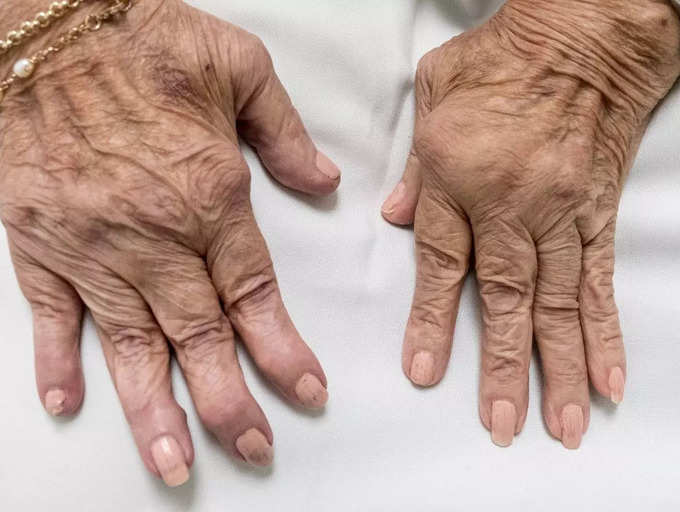
Lifestyle factors can also cause arthritis. Smoking and/or leading a sedentary lifestyle are believed to make you more prone to different types of arthritis. While there is no conclusive evidence, smoking is said to reduce immune functions, which is further linked to the development of rheumatoid arthritis. That said, for those who already have the condition, smoking may worsen the symptoms and prognosis, as reported in a 2014 study from Brigham and Women's Hospital in Boston.