Wednesday, April 06, 2022

Plants That Can Decrease Your Indoor Humidity

On average, 93% of our time is spent indoors, which means that maintaining an ideal humidity level indoors is essential for healthy living - a moist environment acts as a breeding ground for mold and bacteria, and too much moisture can cause extensive damage to the structure of your house.
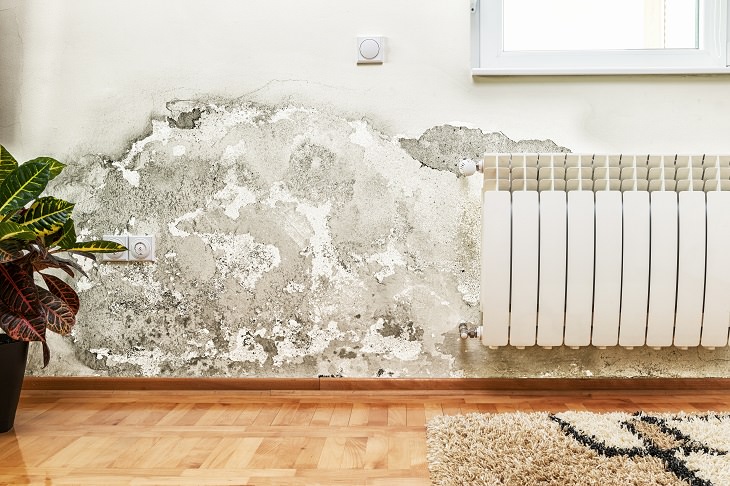
If the humidity inside our house is too high, it can lead to a number of unwanted symptoms such as watery eyes, sneezing, coughing, itching, fatigue, dizziness, congestion, and respiratory infections. 

That damp smell, mildew, mold or rotting frames do not make for ideal surroundings, and they can even put you in a poor mood, leading to depression. One study has found that there are "significant negative relationships between relative humidity and mood scores, which represent a measure of happiness." Other studies have concluded that your levels of health and happiness can both be influenced by the humidity levels.

Many people don't know why they get sick regularly, but it could very well be because of high humidity levels in their home environment. However, there is thankfully a natural and easy fix to high humidity levels - plants. Back in the late 1980s, NASA, which wanted cleaner air in its space stations, carried out some research on house plants. It found that there are a number of plants that can purify the air and decrease indoor humidity. 
 
Who would have thought that by doing something as simple as buying some house plants that you could decrease indoor humidity levels and improve your health and well-being? Next time you're at a garden store, be sure to pick up one or more of the following plants: 
 
1. Boston Fern
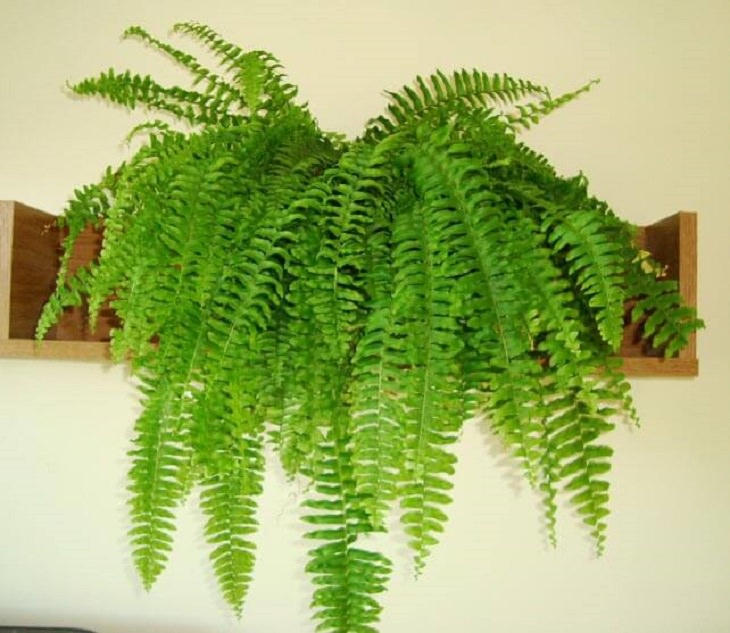
This attractive, exotic plant thrives in moist climates, naturally absorbing the humidity that is in the air. It helps to balance humidity levels to make your home more comfortable, and it even removes dangerous toxins such as xylene, formaldehyde, and benzene from the air. These plants look stunning hanging in baskets anywhere in the home - just remember to keep the in direct sunlight and mist them with water regularly to keep them looking pristine. 
 
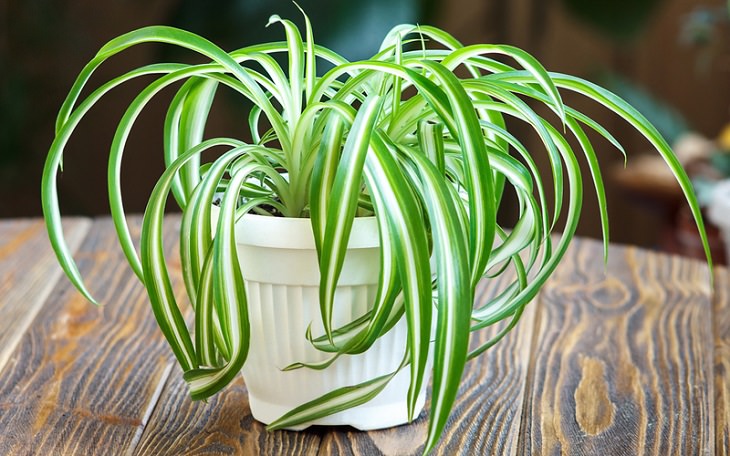
2. Spider Plant 

This beautiful plant, with its long, arching leaves, is said to remove as much as 90% of the toxins in the air in just 48 hours. Since the leaves of this plant grow so quickly, they are very helpful at absorbing harmful substances like mold, and can help balance humidity levels too. 
 
3. Peace Lily

 
This lily helps to reduce humidity levels as it absorbs the moisture in the air through its leaves. It is very easy to grow and requires very little sunlight to thrive, making it ideal for those who aren't good at looking after plants. In addition to lowering the humidity levels, it comes with the added benefit of purifying the air of toxins and pollutants. You should consider keeping these plants in your bathroom, as they help to keep the shower curtain and tiles free from mildew. 
 
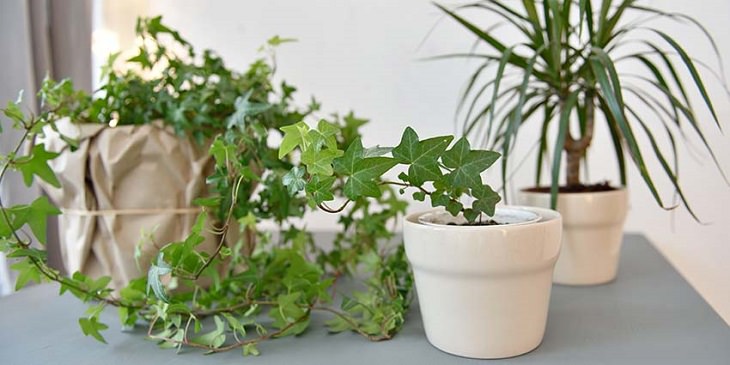
4. English Ivy 
This plant is fantastic for those who have pets as it can decrease the amount of airborne fecal matter. It can also help absorb formaldehyde, which is more common than you think as it is found in carpeting treatments, furniture, and household cleaning products. It can also remove molds that are common in humid places. Caring for this plant is simple - it needs minimal sunlight, and all you need to do is keep the soil moist. It's best to keep it in a hanging pot, so that it can absorb the humidity that rises. 
 
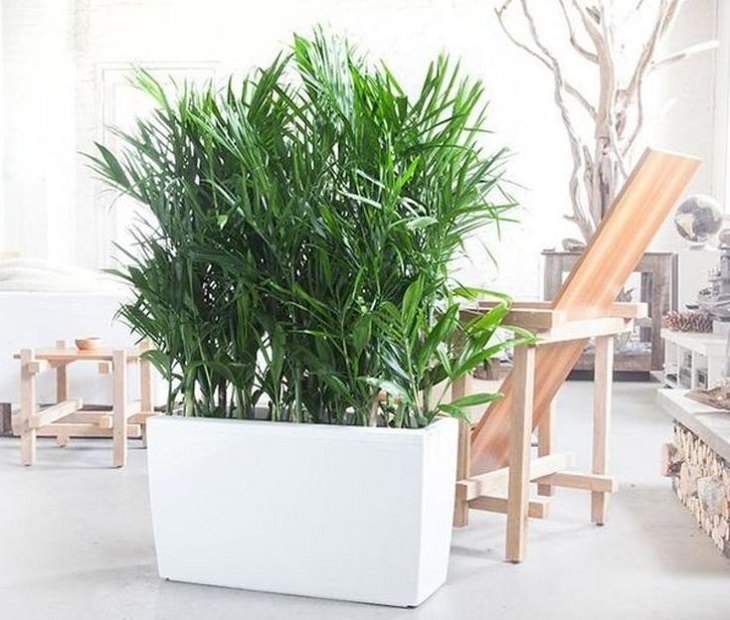
5. Palms 

Palms thrive in humid areas and also absorb moisture through their leaves. Whether you choose a reed palm, lady palm, bamboo palm, or areca palm, it does not matter as they are all very good at getting rid of indoor air pollutants, particularly formaldehyde. Furthermore, they're all easy to look after. The reed palm may be the most ideal one when compared to the others, as it can survive in lower light, meaning it can thrive in most home environments. All you have to do is keep the soil moist. 
 
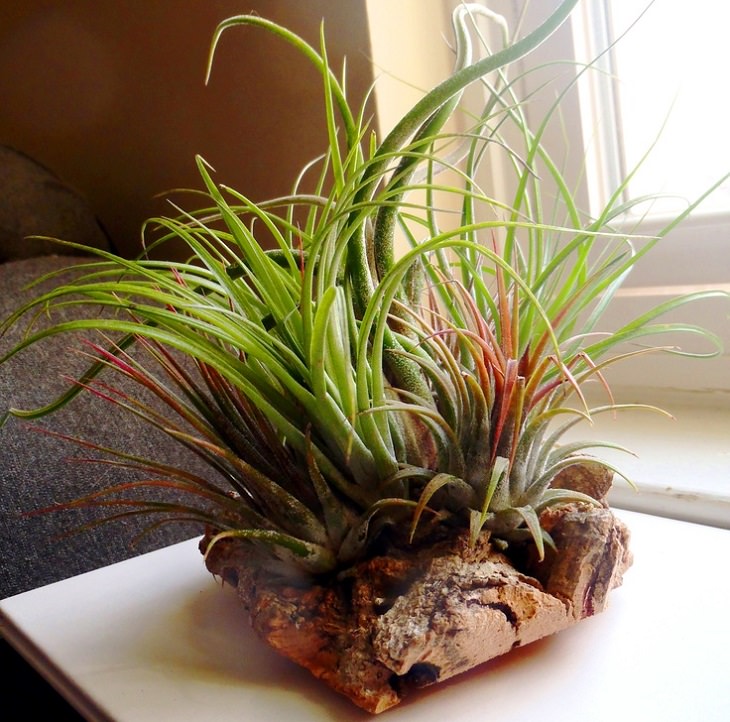
6. Tillandsia 

This plant thrives when they're placed indoors in front of a sunny window. They live off the moisture and nutrients in the air by absorbing them through their leaves, which means that they're a great natural humidifier. Just to be sure though, it's best to give it some water 2-3 times per week.


This is only for your information, kindly take the advice of your doctor for medicines, exercises and so on.   

https://gscrochetdesigns.blogspot.com. one can see my crochet creations  
https://gseasyrecipes.blogspot.com. feel free to view for easy, simple and healthy recipes    
https://kneereplacement-stickclub.blogspot.com. for info on knee replacement


Labels: , , , , , , , ,

Thursday, January 20, 2022

Should You Take Collagen Supplements?

You've likely seen collagen advertised in food, skin cream, pills, or powders. This nutrient has in recent years received praise as being important for a healthy, vibrant body. Though there is nothing new about collagen. You have been producing it your whole life. It is a type of protein found in your muscles, bones, tendons, ligaments, organs, blood vessels, skin intestinal lining, and other connective tissues. In fact, most of the protein in your body is collagen. So, why is it that collagen is promoted on store shelves? Is it something you should be buying? Not necessarily. First, consider if your body is producing enough collagen on its own.

When collagen levels decrease No blood test can determine or measure the amount of collagen in your body, but you can tell when your body doesn't have enough. As you age, your body naturally begins to make less collagen. The slow-down starts in your mid-to-late 20s and it causes a variety of conditions that we usually accept as part of getting older. This includes: 
 
1. Skin loses elasticity and you begin to form wrinkles and your wounds tend to heal more slowly. 
 
2. Tendons and ligaments become stiff and you begin to lose your flexibility. 
 
3. Muscle mass decreases and you become weaker. 
 
4. Cartilage wears down and you develop joint pain or osteoarthritis. 
 
5. Intestinal lining gets thinner and you begin to experience more digestion problems.

Besides aging, one of the main reason you do not get enough collagen is a poor diet. Your body can't make collagen if it doesn't have the necessary elements, in particular, the amino acids and the nutrients to process them. So, how does your body produce collagen? In order to make collagen, or any protein, your body must combine amino acids. You can get amino acids by eating and digesting protein-rich foods. 
 
 This includes meat, beans, and dairy products. That way, your body can repurpose the amino acids into collagen. During this process, your body uses vitamins and minerals, in particular, vitamin C, zinc and copper. These nutrients are all part of a typical and healthy diet. And you consume plenty of them naturally in the foods you eat - this includes citrus fruits, red and green peppers, tomatoes, broccoli and greens all of which supply vitamin C. Meats, shellfish, nuts, and whole grains, as well as beans are also good sources of minerals. 
 
However, as you age, your body may no longer absorb nutrients as well, or synthesize them as efficiently. So, to make sure that your body is getting enough ingredients to make collagen, you may need to change what you eat or take dietary supplements.

The best foods for building collagen  
The best way to replenish the nutrients your body needs to make collagen is through your diet. Eating animal products, like beef, chicken, fish, and eggs will provide you with the amino acids you need, as will beans and legumes. However, one of the best foods for building collagen is bone broth which you can buy in grocery stores or make yourself. It extracts the collagen from beef, chicken, fish bones through a low, slow being process. 
 
There are plenty of good recipes and most will involve simmering bones in water for 12 to 48 hours either on the stove or in a crockpot. As always try to minimize the residue of pesticides, antibiotics and other contaminants in your broth. Gelatin is another great food to boost your body's ability to make collagen. In fact, gelatin comes from collagen, so it naturally has what your body needs to turn it back into collagen form. 
 
Taking collagen supplements 
 
Getting the nutrients you need from eating fresh, organic foods is best as it is what your body is made to consume and digest naturally. Supplements are an alternative option but still a good source if you are traveling, eating on the run, or concerned that your diet is not as nutritious as it could be. If taking a supplement, opt for the powder form. Hydrolyzed collagen, or collagen peptide, powder has no flavor and can be dissolved easily in beverages, smoothies, soups, and sauces. 
 
Nourishing your skin 
 
Some skin creams claim to contain synthetic collagen to help revitalize your skin. They may work by adding a film-like layer to your skin to reduce water loss and protect your skin from environmental elements. But, because your skin is your body's largest organ, a proven way to keep your organs healthy, is with good nutrition. 
 
Note also that the number one cause of skin damage isn't a lack of collagen, but sun exposure. Replenishing collagen may not be able to undo years of sun damage. 
 
With ample stores of collagen, you are increasing your likelihood of having firmer skin, smoother-moving joints and other signs of a healthy, youthful body. And the surest way to help your body produce collagen is by feeding it enough protein and other nutrients. It can be as easy as drinking one cup a day of bone broth, or another beverage mixed with hydrolyzed collagen powder.

This is only for your information, kindly take the advice of your doctor for medicines, exercises and so on.   

https://gscrochetdesigns.blogspot.com. one can see my crochet creations  
https://gseasyrecipes.blogspot.com. feel free to view for easy, simple and healthy recipes    
https://kneereplacement-stickclub.blogspot.com. for info on knee replacement

Labels: , , , , , , , , ,