Thursday, August 31, 2023

6 Things We All Get Wrong About CHOLESTEROL

Being diagnosed with high cholesterol can be scary - not only because of the dangerous ability of this fatty substance to clog your arteries but also because anyone can get it at any time without ever suspecting. Despite popular belief, high cholesterol and atherosclerosis (the stiffening and narrowing of blood vessels caused by cholesterol plaques) are not diseases that only affect overweight or older people. These are extremely common conditions that require proper screening and self-care - so pay attention to these 6 misconceptions, and don’t let them mislead you and ruin your health.

Myth 1. I would feel it if I had high cholesterol
This is one of the biggest myths about high cholesterol. Most people who have high cholesterol notice no signs of symptoms until the condition is already starting to cause complications like a heart attack or stroke. In relatively rare cases, yellow fatty growths called xanthomas may appear on the skin; their presence, however, is usually a sign of extremely high cholesterol levels.

As atherosclerosis progresses and cholesterol deposits build up in the blood vessels, the blood supply to the tissues organs starts decreasing and a person may experience symptoms like fatigue, muscle weakness, and sweating. Severe atherosclerosis causes complications like chest pain, pain in the legs while walking, kidney damage, heart attack, and stroke.

Ideally, you want to catch high cholesterol early and avoid these life-threatening complications altogether. The only sure way to know if you have high cholesterol is through a blood test. The Centers for Disease Control and Prevention (CDC) recommend getting your cholesterol levels tested at least every 5 years. This can be done with a standard blood test.

Myth 2. All cholesterol harms your health
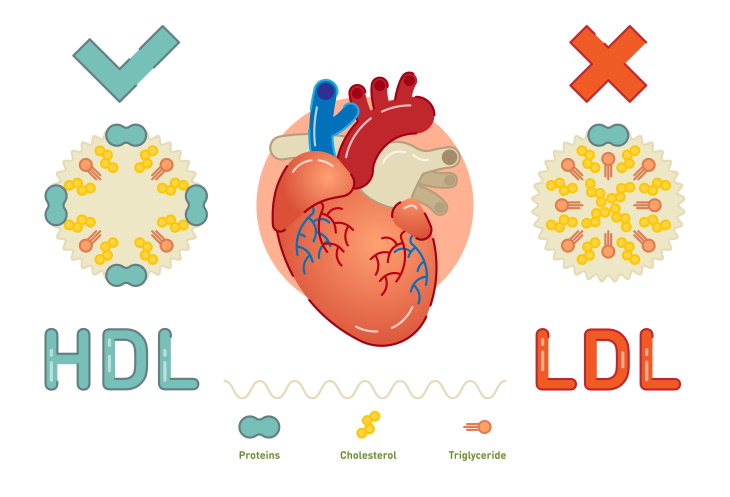
Cholesterol Myths HDL LDL cholesterol

In itself, cholesterol is not harmful. In fact, it’s necessary for the human body to produce bile acid, vitamin D, healthy new cells, and hormones. In order to transport cholesterol through the blood vessels, the body uses special proteins called lipoproteins. Low-density lipoprotein (LDL) and high-density lipoprotein (HDL) are the two main ones, and they impact our health differently.

LDL (also known as “bad” cholesterol) carries cholesterol from the liver to the cells. LDL is often called “bad” because high levels of it build up in the blood vessels and raise the risk of cardiovascular disease.

HDL (also known as “good” cholesterol) takes the cholesterol back to the liver. The liver helps remove cholesterol from the body, so it reduces one’s risk of cardiovascular issues.

When your doctor tells you that you must lower your cholesterol level, they usually mean LDL levels. Overall, cholesterol isn’t harmful at all, but our sedentary lifestyle and overeating made it so that it is. As Dr. Robert Greenfield explained in an article for Medical News Today, “Our bodies weren’t designed to live in an environment where food was in excess, and so when cholesterol is in excess, it will be deposited in our body. And that deposit center can often be our blood vessels, and that’s when it’s bad for us.”

Myth 3. Young and fit people shouldn’t worry about cholesterol

There is a persistent false belief that only older or overweight people have high cholesterol. While it is true that both obesity and age are risk factors, anyone can have high cholesterol, including fit adults and even children. For this reason, The American Heart Association recommends that everyone check their cholesterol levels once in 5 years, even if you’re young and there’s no history of heart disease in your family.

Smokers, diabetics, older people, people with thyroid issues, heart disease sufferers, and those with a family history of high cholesterol, stroke, or heart attack should get tested even more frequently. You could be genetically predisposed to cholesterol imbalance without ever knowing it, so it’s better to stay on the safe side and get tested regularly. Your lifestyle habits, such as smoking, diet, drinking alcohol, and how much you exercise and sleep all impact your cholesterol levels too, so basically anyone could develop high


Myth 4. Once high cholesterol develops, there’s nothing you can do about it
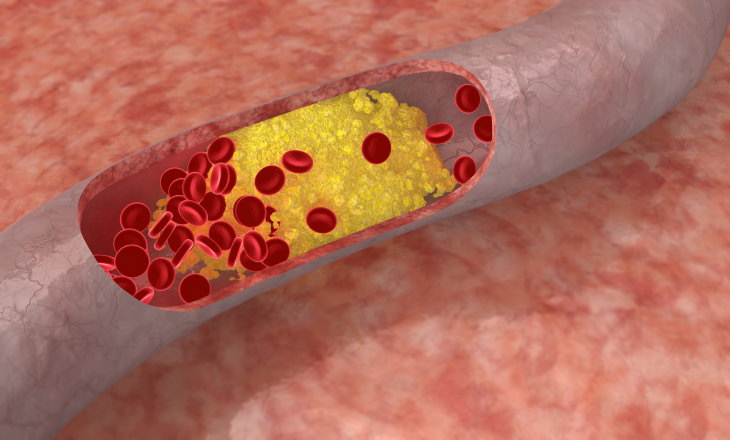
Cholesterol Myths plaque in blood vessel
Thankfully, cholesterol levels are easier to manage today than ever before. Since we know so much about the causes of high cholesterol, doctors are able to give you detailed guidance that will get your cholesterol levels back to normal. Some patients will have to combine medications with lifestyle changes to lower their cholesterol, but for others, losing weight, eating healthy, avoiding harmful habits like smoking and drinking, and doing a little bit of light exercise every day will be enough to keep their cholesterol levels in check. 
 
You may be prescribed medications like statins and PCSK-9 inhibitors that will improve your cholesterol levels, but also remember to support your wellbeing with those healthy lifestyle habits.
 
 
Myth 5. The healthy range of cholesterol is the same for everyone

Doctors may recommend two different treatments for people with the same cholesterol levels, but why? This is because factors like age, blood sugar levels, blood pressure, weight, and underlying health conditions all influence your cholesterol “target.” For a healthy person, measures below 200 mg/dl of total cholesterol and below 100 mg/dl of LDL cholesterol are considered normal. 

However, someone suffering from high blood pressure, heart disease, or diabetes, for example, should have LDL levels no higher than 70 mg/dl - ideally even lower. All that is to say - only your doctor will be able to assess your cholesterol levels in a comprehensive manner and tell you whether or not you need to adjust them.

Myth 6. If you eat foods high in cholesterol, you will suffer from high cholesterol levels
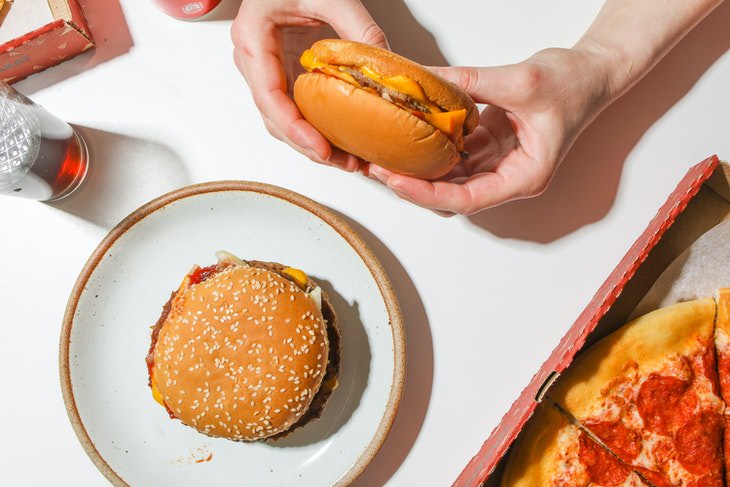
Cholesterol Myths fast food
Cholesterol is naturally found in animal-derived foods, such as meat, dairy, and eggs. For years, doctors were telling us to stop eating eggs and other foods rich in cholesterol, but more recent research proves that your intake of cholesterol-rich foods doesn’t necessarily correlate with high blood cholesterol. In moderation, cholesterol-rich foods are actually fine to eat.

In fact, the very ingredient we demonized - eggs - has a high content of the “good” HDL cholesterol, which is why many nutrition experts are now advising everyone to eat 1-2 eggs a day. Recent research points to a different culprit that’s also present in many animal foods - saturated fat - and adds that adding dietary fiber and minimizing the amount of processed food and fatty meat go a long way in reducing one’s cholesterol levels.

Lastly, there’s some compelling evidence that people who exercise regularly are not as likely to have high blood cholesterol after eating foods high in cholesterol as those with a sedentary lifestyle - so exercise in combination with your diet may be another important factor to consider.


This is only for your information, kindly take the advice of your doctor for medicines, exercises and so on.   

https://gscrochetdesigns.blogspot.com. one can see my crochet creations  
https://gseasyrecipes.blogspot.com. feel free to view for easy, simple and healthy recipes    
https://kneereplacement-stickclub.blogspot.com. for info on knee replacement
https://cancersupportindia.blogspot.com  for infor on cancer and health related topics
https://GSiyers home remedies.blogspot.com   is the latest addition to my blogs. I'm going to add posts there, do give me your valuable feed back on my blogs. Thanks a lot, take care, be healthy and be happy.

Labels: , , , , , , ,

Saturday, February 01, 2020

What Happens If You Eat 4 Almonds A Day

Almonds are an excellent food to eat every day because they are full of protein, vitamins, and fiber. Eating them regularly is thought to reduce your risk of health problems like cancer, heart disease, obesity, and type 2 diabetes.

And though they also have a fair amount of fat, it is mostly the healthy monounsaturated kind that actually protects your heart. Still, almonds contain quite a few calories, so it’s best to eat them in moderation.

It may sound incredible that just four daily almonds could do anything at all for your health, but it’s true! In one ounce of almonds you’ll get 3.5 grams of fiber, 6 grams of protein, and 9 grams of monounsaturated fat. Almonds also deliver a good amount of vitamin E, manganese, and magnesium. 

Present in smaller yet significant amounts is copper, calcium, riboflavin, iron, zinc, and phosphorus.
So what can all that goodness do for your body? You’ll be surprised by these 7 important benefits that occur if you eat at least 4 almonds every day.

1. Healthier cholesterol levels
Almonds are great for reducing bad LDL cholesterol while increasing good HDL cholesterol. That’s important because high cholesterol puts you at risk for all sorts of health complications, including heart attack, stroke, and peripheral artery disease.

When you substitute almonds for an unhealthy snack like chips or candy, you can reduce your bad cholesterol by up to 10%. The benefit is linked to the vitamin E content within the nutmeat, and the flavonoids contained in the papery skin of the almond. Together, they prevent the development of artery-clogging plaque.

2) Stronger, shinier hair
Almonds are uniquely positioned to give you virtually all the vitamins and minerals necessary to improve the condition of your hair. To stimulate growth, almonds have magnesium and zinc. Vitamin E has antioxidant properties that reduce oxidative stress and make hair stronger. And finally, the vitamin B thickens strands and imparts a natural shine.

Incidentally, applying almond oil to your scalp can prevent dandruff and soften and nourish hair strands directly. Almond oil has been used as a beauty product for both hair and skin since the ancient Egyptians held almonds as one of the ultimate luxury products.

3) Reduce risk of heart diseases
There are many ingredients in almonds that make them a heart smart snack. The monounsaturated fats can help control high cholesterol, for one. But the fiber, vitamin E, omega-3 fatty acids, and plant sterols all benefit heart health as well.

Almonds are also a great source of l-arginine, which has been shown to make the artery walls more flexible and thus less likely to develop blood clots that can block blood flow and cause cardiac arrest. To get all of these heart health benefits, be sure to eat the shell as well.

4) Fewer wrinkles 
We all want to prevent premature aging, and almonds can help because of their manganese and vitamin E content. Manganese is a protein that helps to produce collagen.

Collagen is the connective tissue within skin that keeps it tight and smooth. Vitamin E is able to protect against skin damage by absorbing UV radiation from the sun, thereby reducing the appearance of dark spots and wrinkles. It also reduces skin inflammation and eliminates redness.

 5) Better digestion
Almond shells are a great source of prebiotics, which support the growth and multiplication of the good bacteria in our guts. Gut bacteria is responsible for metabolizing nutrients from food and medications. It also protects against intestinal infections and makes vitamin K, important for producing blood-clotting proteins.

Prebiotics feed this important gut bacteria, but beyond that, recent studies indicate that regular consumption of prebiotic foods can improve immune system function and lower the risk of cancer, heart disease, and rheumatoid arthritis.

6) Aids weight loss
Though almonds contain a lot of fat and calories, they can actually help you shed pounds. Studies show that eating almonds can contribute to a feeling of satiety between meals, which makes it easier to resist unhealthy food cravings. People who eat almonds daily tend to consume fewer carbohydrates over the course of each day.

Participants in a study of almonds and diet reduced their weight and body mass index (BMI) by an average of 18%, compared to only 11% in the group that dieted without almonds. Waist circumference also decreased by 14% in the almond group, but only 9% in the non-almond dieters.

7) Improve brain activities
Studies show that getting plenty of vitamin E in your diet can help prevent aging-related cognitive decline, preserve memory, and boost your daily alertness. The magnesium in almonds strengthens the nerves in the brain.

And the protein helps to repair brain cells, thereby improving cognitive function. Keeping your brain healthy throughout life helps to ward of Alzheimer’s disease, and eating almonds can be a big part of that.

We have suggested 4 almonds as a baseline amount to consume daily, but you don’t necessarily have to stop at that if you really enjoy them.

The recommended daily limit is one ounce, or about 23 nuts. If you eat the full ounce, you’ll get about 163 calories and 14 grams of fat. That’s okay as long as you account for the calories in the rest of your daily meals. Remember that it is not just whole almonds but also products like almond flour and almond milk that count.

We have suggested 4 almonds as a baseline amount to consume daily, but you don’t necessarily have to stop at that if you really enjoy them.

The recommended daily limit is one ounce, or about 23 nuts. If you eat the full ounce, you’ll get about 163 calories and 14 grams of fat. That’s okay as long as you account for the calories in the rest of your daily meals. Remember that it is not just whole almonds but also products like almond flour and almond milk that count.
In the end, we think you’ll find that eating at least 4 almonds each day is an easy and delicious way to accomplish a lot of health goals.
Whether you want to lose weight, improve the quality of your skin and hair, or reduce your risk of several dangerous diseases, almonds are the answer. Toss them onto your salads, into stir fries, or straight into your mouth. However you get your almonds is a good way, every day!

This is only for your information, kindly take the advice of your doctor for medicines, exercises and so on.     
https://gscrochetdesigns.blogspot.com. one can see my crochet creations  
https://gseasyrecipes.blogspot.com. feel free to view for easy, simple and healthy recipes    
https://kneereplacement-stickclub.blogspot.com. for info on knee replacement
 

Labels: , , , , , , , , , , , , , , , ,

Sunday, September 22, 2019

Type 2 Diabetes: Here’s how this nut can help lower your blood sugar levels

As a life-long condition, diabetes can be managed by a controlled and healthy diet along with maintaining physical and mental fitness. Nuts, which are good source of nutrition, provide a range of health benefits for all. In fact, they are also considered beneficial for people with diabetes. By controlling blood sugar levels, diabetics can manage their condition well. And nuts help you do that as per the researchers.

A study published  noted that by eating five servings of nuts per week, patients with type 2 diabetes had a 17 per cent lower risk of cardiovascular disease. As per the study, people with type 2 diabetes who consumed nuts regularly had a 34 per cent lower risk of death from cardiovascular disease, a 20 per cent lower risk of coronary heart disease, and a 31 per cent reduced risk of premature death.


Can cashew nuts help?


Unlike popular belief, cashews contain less amount of fat as compared to other nuts. As per a 2018-study published, cashew nut consumption increased HDL Cholesterol and reduced systolic blood pressure in Asian Indians with type 2 diabetes. As per the 12-Week randomized controlled trial where the researchers gave 300 participants with type 2 diabetes either a cashew-enriched diet or a typical diabetes diet, it was noted how the nut didn’t show any “deleterious effects on body weight, glycemia, or other lipid variable”.


Common tree nuts including almonds, cashews, walnuts, macadamia nuts, pecans, pistachios, pine nuts and chestnuts are known to improve heart health.

Cashews are lower in fat as compared to other nuts. Over 75 per cent of the fat in cashews is oleic acid, which is also known to be a heart-healthy mono-unsaturated fat. Being mindful of allergies, experts suggest taking about a handful of nuts every day to enjoy a healthful life.


this is only for your information, kindly take the advice of your doctor for medicines, exercises and so on.   
https://gscrochetdesigns.blogspot.com. one can see my crochet creations 
https://gseasyrecipes.blogspot.com. feel free to view for easy, simple and healthy recipes    
https://kneereplacement-stickclub.blogspot.com. for info on knee replacement


Labels: , , , , , , , , ,

Saturday, June 29, 2019

People with more education have reduced heart disease, says study

Increasing the years of childhood education may reduce the risk for heart disease in adulthood, a study has found.

Researchers have found that people with more education may have reduced heart disease because they have higher incomes, allowing them to afford better food and health care.

The study suggested that state policies requiring children to attend additional years of school may result in improvements in several cardiovascular risk factors in adulthood.

About the research by UC San Franciso researchers

The researchers in the US conducted a natural experiment by evaluating state compulsory schooling laws, which legislate the number of years children must attend school.

From two large, national surveys conducted from 1971 to 2012, they identified more than 75,000 people born from 1900 to 1950, when states required children to attend school between 0 and 12 years.

They then used US Census data on a group of similar individuals to predict the number of years of required schooling for each individual, based on their year and state of birth.

Overall, about a third of the study participants did not graduate from high school. While 34.5 percent reported heart disease, the researchers found that each year of additional compulsory schooling through high school was associated with a 2.5 percent reduction in occurrence.

They also noted improvements in several cardiovascular risk factors with each additional year, including reductions of more than 3 percent in smoking and nearly five percent in depression.

"For clinicians and health systems struggling to address disparities in heart disease between the rich and the poor, our findings suggest that cross-sectoral interventions to address social factors like education are important," said Rita Hamad, the lead author of the study.

"As a society, we should be thinking about investing in social policies to improve overall health and reduce health care costs," she said.

The 2019 guidelines have suggested using patients' social factors in clinical prediction tools for heart disease, since education is often a stronger predictor than traditional biomedical risk factors like cholesterol and diabetes.

The US Department of Health and Human Services also has proposed that patients' educational attainment be used as an input in determining physician payments for performance, to encourage physicians to care for more disadvantaged patients. The Prof. said this type of data could inform those efforts.

While more education also was associated with improved high-density lipoprotein (HDL), or "good" cholesterol, the researchers found that more education also was associated with higher body-mass index (BMI) and total cholesterol.

A possible explanation is that high-income people born between 1900-1950 tended to eat richer diets, they said. By contrast, higher BMI today tends to be associated more with low income, due to the inability to afford healthy food.

"Overall, people with more education may have reduced heart disease because they have higher incomes, allowing them to afford better food and health care. Or, it may be that they have more resources and therefore less stress, which has been previously linked with heart disease," he said.

THIS IS ONLY FOR INFORMATION, ALWAYS CONSULT YOU PHYSICIAN BEFORE HAVING ANY PARTICULAR FOOD/ MEDICATION/EXERCISE/OTHER REMEDIES.                                    PS- THOSE INTERESTED IN RECIPES ARE FREE TO  VIEW MY BLOG-                                                                                           https://gseasyrecipes.blogspot.com/                                                                                                                                                FOR INFO ABOUT KNEE REPLACEMENT, YOU CAN VIEW MY BLOG-                                                  https:// kneereplacement-stickclub.blogspot.com/                                                                      FOR CROCHET DESIGNS                                                                                                                                                                                     https://gscrochetdesigns.blogspot.com

Labels: , , , , ,

Monday, November 26, 2018

The 8 Worst Eating Habits for Cholesterol

We all know that there are two types of cholesterol- LDL, the bad cholesterol and HDL, the good one. If one has more LDL, then more likelihood of getting heart diseases, stroke.

1) Your diet lacks soluble fiber

If your LDL levels are already high, eating foods rich in this type of fiber, such as beans, lentils, whole grains, oats, fruits, and veggies can help to lower your levels. These foods bind to cholesterol and remove it from your body, says an expert. Add fruits and vegetables to every meal and snack, top salads with beans, and start your morning off with whole oats. 

2) You love fried foods, baked goods, and packaged foods

Many of these foods contain trans fats, which can increase bad cholesterol levels and lower good cholesterol levels. While you can search for “trans fats” on the nutrition label, according to U.S. labeling rules, if a food contains less than 0.5 grams per serving, it can be labeled as 0 on the packaging. So even if you eat three servings of a food that is “trans-fat free” you could still be consuming them. The phrase “partially hydrogenated oils” will appear in the ingredient list if a food contains trans fat, says the expert. Common culprits that contain trans fats include baked goods (like cookies and cakes), snack foods (like microwave popcorn), fried foods, and margarine. Instead of eating these foods high in cholesterol, you're better off making baked goods at home. Try swapping out oils and margarine in recipes for unsweetened applesauce or mashed bananas.  

3) Your only source of dairy is the milk in your coffee

Increasing the amount of calcium in your diet can increase HDL “good” cholesterol and decrease total and LDL cholesterol concentrations, according to research. Dairy products are the richest source of calcium with hard cheese having the highest concentration levels. Incorporate low-fat or fat-free milk, cheese, and yogurt as part of your meals and snacks.  

4)You skip fish

Certain types of fish—like salmon, mackerel, trout, and herring—contain higher amounts of omega-3 fatty acids, “good fats” that don't affect LDL cholesterol levels. Omega-3 fatty acids also help to increase "good" cholesterol, reducing your triglycerides, a type of fat in your blood, and reducing blood pressure, according to doctors. Aim to eat a 3.5-ounce serving of fish at least twice per week, preferably those higher in omega-3 fatty acids. Ask for salmon as the protein on your salad at lunch or grill up a salmon burger when you’re barbecuing this season. 

5)You choose the fattiest steak on the menu

Guilty of always ordering the T-bone or rib eye? Swap those foods high in cholesterol out for a cut of beef that’s better for your heart. To reduce the level of saturated fats you consume, look for lean cuts of meat, suggests the Dr. She says there are 38 cuts of beef that are lean—key words to look for include “loin,” “sirloin,” or “round.” If you’re cooking steak at home, trim off as much fat as you can before cooking, and pour off the melted fat after cooking. Baking, broiling, stewing, and grilling are healthier ways to prepare meats. It’s also a good idea to avoid organ meat (like liver and kidney), which tend to be high in cholesterol.

6) You’re not eating healthy fats

 If your doctor says you have high cholesterol, it means the LDL reading (bad cholesterol) is building up and may cause blockages in your arteries. A healthy cholesterol reading from a blood test is less than 200 mg/dL. “While it used to be thought that eating cholesterol-rich foods would raise blood cholesterol levels, we now know that consuming too many saturated fats and not enough unsaturated, heart-healthy fats is what actually affects blood cholesterol levels the most,” says an expert. Eating foods that contain monounsaturated fats and polyunsaturated fats can help prevent and manage high levels of “bad” LDL cholesterol and triglycerides while increasing “good” HDL cholesterol levels, says the Dr. Drizzle some olive oil or sunflower oil on salads and veggies since both are good sources of monounsaturated fats and polyunsaturated fats. 

7)You think protein shakes are just for Cross-Fit fanatics

Not just the choice of bodybuilders after an intense lifting session, whey protein may have some of the same health benefits of dairy, according to experts. When study subjects consumed whey protein as a supplement, it lowered both LDL and total cholesterol. 

8) You toast more than most

Drinking too much alcohol can raise your cholesterol. Men should have no more than two alcoholic drinks per day, and women only one. And better cholesterol is only one of the many good things that'll happen to your body if you cut back on alcohol.

THIS IS ONLY FOR INFORMATION, ALWAYS CONSULT YOU PHYSICIAN BEFORE HAVING ANY PARTICULAR FOOD/ MEDICATION/EXERCISE/OTHER REMEDIES.                                                                                                                                                                                                                                                                                        PS- THOSE INTERESTED IN RECIPES ARE FREE TO  VIEW MY BLOG-                                                                                           https://gseasyrecipes.blogspot.com/                                                                                                                                                                             FOR INFO ABOUT KNEE REPLACEMENT, YOU CAN VIEW MY BLOG-                                                                                                                             https:// kneereplacement-stickclub.blogspot.com/                                                                                       FOR CROCHET DESIGNS                                                                                                                                                                                                                                 https://gscrochetdesigns.blogspot.com


Labels: , , , , , , , , , , , , , ,

Friday, January 12, 2018

6 Benefits of Coconut Oil That Will Make You Switch To This Superfood Today

Move over your refined oil and make way for coconut oil. At least the top nutritionists are sure doing and recommending so.  Rich in Vitamin E, Vitamin K and minerals such as iron, coconut oil is one of the most nutritious additions you can make this year to your kitchen pantry. Latest studies have also claimed that coconut oil can raise HDL(good) cholesterol  which makes it a  right choice for the heart too. In addition to your health and diet, coconut oil can do wonders for your skin and hair too. A significant part of the country has trusted the wonder oil for years, for its immense hair care and beauty benefits. Coconut oil is extracted from matured coconuts harvested from the coconut palm.  Which makes it a 100 percent natural oil as opposed to the refined and hydrogenated varieties which has been deemed as the major contributor to various health disorders like hypertension, diabetes and various heart ailments.

Here are a few health and beauty benefits of coconut oil that will make you make the swap today.

1. Good for heart

Coconut oil is deemed  as one of the most heart-friendly oils. Coconut Oil contains 50% lauric acid which helps in maintaining cholesterol levels and normalizes high blood pressure. It does not increase low-density lipoprotein (LDL) which is the bad cholesterol. Coconut oil also reduces inflammation of arteries.

2. Skin care
For centuries, people have been using coconut oil for a variety of beauty needs.  It's an excellent moisturizer for all skin type. Coconut oil is also known to delay the onset of wrinkles and sagging of skin.

3. Hair care
A large part of South India, swears by coconut oil for hair. Coconut oil supports hair growth. It has nutrients requires for hair growth. Coconut oil infuses natural shine to the dull locks and acts as an excellent hair conditioner.

4. Weight-loss
Coconut oil can also aid weight loss naturally. It increases the body's metabolic rate, is easy to digest and helps in healthy functioning of the thyroid and endocrine gland.

5. Boosts immunity
Coconut oil can do wonders for your immunity too. The Lauric acid present in coconut oil gets converted into monolaurin which help fight bacteria and viruses, thereby keeping all illness and diseases at bay.

6.  Improves digestion
It helps in improving digestion and prevents IBS (Irritable Bowel Syndrome). The saturated fats present in coconut oil have antimicrobial properties and help in dealing with various bacteria, fungi and parasites that cause indigestion.
Switch to coconut oil today. 


THIS IS ONLY FOR INFORMATION, ALWAYS CONSULT YOU PHYSICIAN BEFORE HAVING ANY PARTICULAR FOOD/ MEDICATION/EXERCISE/OTHER REMEDIES.    
 
PS- THOSE INTERESTED IN RECIPES ARE FREE TO VIEW MY BLOG-                      
HTTP:GSEASYRECIPES.BLOGSPOT.COM/

FOR INFO ABOUT KNEE REPLACEMENT, YOU CAN VIEW MY BLOG-                                                                       
HTTP://KNEE REPLACEMENT-STICK CLUB.BLOGSPOT.COM/
FOR CROCHET DESIGNS

HTTP://MY CROCHET CREATIONS.BLOGSPOT.COM


Labels: , , , , , , , , , , , , , ,

Sunday, November 19, 2017

Foods That Help Lower Bad Cholesterol Level

Cholesterol is generally regarded as something bad for the health. As a part of diet, everyone tries to avoid anything that has cholesterol in it. What needs to be understood is that not all cholesterol is bad. There is also good cholesterol, which is actually very essential for body functions. This is required for the production of essential hormones. Inadequate amounts of good cholesterol can lead to problems ranging from simple hormonal imbalances to severe issues like infertility.

The following are some food items, which contain sufficient amounts of good cholesterol and should find a place in your plate. They are essential for various body functions including hormone formation.
  1. Avocado oil: Most oil is considered bad, but avocado oil contains about 70% of good cholesterol and should be used for its heart-healthy benefits. Being a great antioxidant, it protects the heart by reducing inflammation and by improving blood pressure. Eating whole avocado is also beneficial for the heart and the body as a whole.
  2. Buckwheat: This whole grain is rich in many vitamins, quite a few minerals, and is a good provider of dietary fiber. It is also gluten-free and is rich in antioxidants, making it extremely cardio-friendly.
  3. Soy: Too much saturated fat in the diet cannot be digested and the liver converts these and stores it, which adds to obesity. Soy which is a good replacement for animal fat and even dairy products can help improve cholesterol levels and prevent fat accumulation.
  4. Salmon: This is one of the most heart-friendly food items, which is loaded with omega-3 fatty acids and good cholesterol. It lowers triglyceride levels and provides a good amount of protein for the body.
  5. Spinach: The cholesterol which settles against the blood vessels is washed off by consuming spinach – in regular quantities at regular intervals. It is also the richest source of lutein, which is known as guardian against aging diseases including hypertension.
  6. Go the nutty way: While most would consider nuts as rich in oils, truth is they are loaded with good cholesterol. Therefore, whether it is almonds or pecans, ground nuts or walnuts, nuts are great for the heart. They are also rich in minerals including calcium, copper, magnesium, and potassium and contain various vitamins. So about a teaspoon of chopped nuts should be on your plate on any given day.
  7. Dark chocolate: Again, like nuts, most of us tend to avoid chocolate, but these restrictions are only for the white ones with sugar. The dark one is extremely healthy for the heart with loaded antioxidants, which prevents clogging of arteries. It is also rich in flavonoids, which are useful in controlling blood pressure and other heart diseases.                                        
    THIS IS ONLY FOR INFORMATION, ALWAYS CONSULT YOU PHYSICIAN BEFORE HAVING ANY PARTICULAR FOOD/ MEDICATION/EXERCISE/OTHER REMEDIES.   

    PS- THOSE INTERESTED IN RECIPES ARE FREE TO VIEW MY BLOG-                      

    HTTP:GSEASYRECIPES.BLOGSPOT.COM/
    FOR INFO ABOUT KNEE REPLACEMENT, YOU CAN VIEW MY BLOG-                                                                       
    HTTP://KNEE REPLACEMENT-STICK CLUB.BLOGSPOT.COM/
    FOR CROCHET DESIGNS

    HTTP://MY CROCHET CREATIONS.BLOGSPOT.COM

Labels: , , , , , , , , , , , , , , ,