Cancer Support India

Sunday, May 09, 2021

10 Vital Nutrients for People Over 40

Our body goes through changes throughout our life, and these changes affect our physical appearance, general wellbeing, and even our mood. Once we enter our fifth decade, our bodies go through some of the most significant changes we’ll even experience, such as decrease in bone density, changes in the metabolism, etc. However, while some of these changes cannot be prevented, there are still things we can do in order to feel more healthy and vital. This guide will introduce you to the 10 most important minerals, vitamins, and nutrients that anyone over the age of 40 needs to know.

1. Antioxidants  
As time passes, your body is exposed to various oxidizing processes. These processes occur when free radicals, atoms/molecules/ions that are constantly pounding your body, manage to cause cellular damage, which causes aging. During the first few decades of our lives, natural antioxidants in our body keep it protected from these free radicals, but as time passes, the constant assault becomes too much for the body to handle. 
 
Recommendations and Dosage 
The solution is to consume more foods that contain antioxidants in-order to strengthen the body’s natural defenses. Antioxidants are abundant in foods that are rich in vitamins C, A and E, and experts recommend five portions of such foods daily. You can find these vitamins in nuts, grapes, broccoli, garlic, and green coffee beans, amongst others. 
 
2. Proteins 
The body uses proteins as building blocks, and they are used for many vital processes, including the construction of bones, hair and nails. However, once you reach the 5th decade, protein breakdown increases, causing the body to try and overcome this process by breaking down muscle tissue, causing you to lose more and more muscle mass. 
 
Recommendations and Dosage 
The recommended daily intake of proteins is 150-200 grams (5-7oz) of quality protein. Good protein can be found in eggs, lean beef, skinless chicken, turkey breast, fish such as salmon and tuna, low-fat dairy products, and legumes. It is important not to overdo it with protein intake, to minimize the stress on the liver and kidneys.
3. Calcium  
Calcium is a vital nutrient, responsible for blood clotting, blood-pressure stabilization, and of-course, strengthening the bones. The bones take damage all the time, but as time passes, bone density decreases, a process that worsens when you’re in your 40’s, making the bones more fragile. One of the main causes for this process is osteoporosis, which affects women in their 50’s, as menopause lowers the production of estrogen. In men, this process hits in their 60’s, as testosterone production decreases. 
 
Recommendations and Dosage 
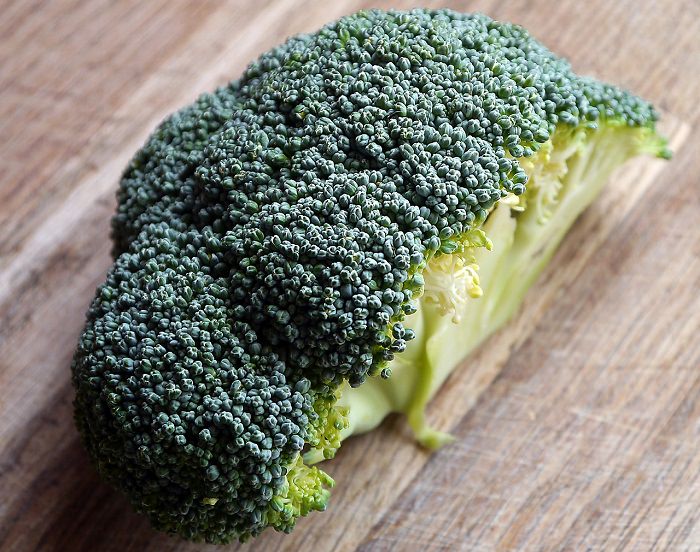
The recommended daily intake is 1000mg for people in their 40’s, and 1200mg for people over 50. Calcium can be obtained by eating dairy products, whole sesame, cabbage, broccoli, beans, lettuce, quinoa, nuts and almonds. Alternatively, calcium is also available as a supplement, but it is recommended that you consult with your doctor before taking any kind of supplement. Additionally, add foods that are rich in vitamin C and magnesium, as they aid in calcium absorption in the body. 
 
4. Vitamin K 
In addition to preventing osteoporosis, vitamin K also aids in strengthening the bones. This vitamin is responsible for activating various proteins that are essential for bone health, increasing bone density and reducing the risk of fractures. 
 Over40
Recommendations and Dosage 
Consume green vegetables such as spinach, lettuce, or broccoli. Consuming two portions throughout the day will provide the needed dosage of vitamin K, while keeping your bones healthy.

5. Vitamin B12 
B12 becomes much more vital once you reach your 5th decade of life, as it is needed to maintain the functions of the brain and nervous system, as well as participating in the metabolic process and is in charge of energy production. B12 is usually obtained from meat, fish and eggs. When we hit our 40’s, we may develop a deficiency of this important nutrient, due to changes in the acidity levels in the stomach, which makes it harder for the body to absorb it. Some of the most obvious symptoms of B12 deficiency are: lethargy, stomachaches, anemia, and some memory problems. It is highly advisable to ask your physician for a B12 levels test once a year. 
 
Recommendations and Dosage 
The simplest solutions is to increase your consumption of B12-rich foods on a daily basis. Good sources are soy, canned tuna (in oil), beef, salmon and cheese. B12 is water-soluble, so any excess quantities will be naturally expelled. If you’re taking B12 supplements, the recommended daily dosage is 2.4mg. 
 
6. Vitamin D 
Vitamin D deficiency is quite common, but becomes more risky as we age, and in your 50’s, it can become truly detrimental to your health. The reason is vitamin D’s affects on bone structure, immune system functions, healthy muscle functions, protection against inflammation, and more. 
 
Recommendations and Dosage  
Vitamin D is abundant in many foods, including eggs, fish oil, mushrooms, cereals, dairy and more. Click here to learn more about vitamin D. Vitamin D levels can be tested through a simple blood test, after which a physician will determine the necessary supplementation quantity. Since overdosing on vitamin D is unhealthy, it is advisable to consult with a dietitian as to what foods should be consumed.

7. Fiber 
Nutritional fibers are plant-based carbs that help maintain the health of the bowels and their regular functions. Fibers form a “net” that slows down food absorption as it moves from the stomach to the bowels, thus reducing the load on the digestive system. Fibers become even more important after the age of 40 as it catches fats, cholesterol, and glucose – all of which can lead to cardiovascular diseases, as well as type 2 diabetes. In addition, fibers help prevent colon cancer, and in women it reduces the risk of breast cancer.

Recommendations and Dosage 
The recommended daily dosage is between 25 and 40 grams of fibers, and a balanced diet that includes four portions of fruits and vegetables, legumes, and whole-wheat bread. In addition, adding oat bran to soups and yoghurts will make it easier to get more fiber in your diet. 
 
8. Potassium 
Potassium is a mineral that plays a vital role in maintaining blood pressure, which becomes even more important after the age of 40 in the prevention of low blood pressure. In addition, potassium aides in maintaining the healthy functions of the cardiac muscles, metabolism, and PH balance in the body. People with low potassium levels will often suffer from low blood pressure, muscular fatigue, and chronic lethargy.  Over40
Recommendations and Dosage  
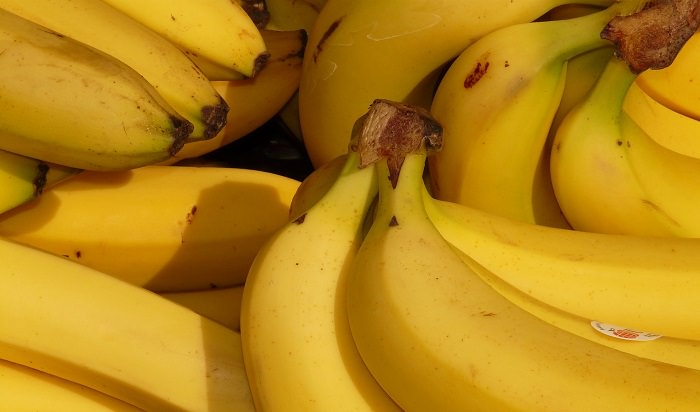
The recommended daily dosage is 4,700mg, and can be maintained by eating bananas, sweet potatoes, beet leaves, beans, salmon and spinach. However, avoid overconsumption of potassium because in large quantities it can adversely affect the digestion and cardiovascular systems.

9. Omega 3 Fatty Acids 
Omega 3 fatty acids hold an important spot on this list because they help neutralize and minimize some of the changes the body experiences as it ages. Some of the aforementioned changes are increased risk of cardiovascular diseases, changes in blood pressure, and an increase in LDL cholesterol levels. In addition, Omega 3 has beneficial effects in combating memory loss and dementia, and helps maintain the brain’s health. 
 
Recommendations and Dosage 
Healthy individuals should consume as much as 500mg of Omega 3 daily, while people with heart problems should consume between 800 and 1000mg. These quantities are easily obtainable through the consumption of fish, walnuts, flax seeds and leafy greens. It is also possible to take omega 3 as a supplement, but people who take anticoagulants should consult with their physician first. 
 
10. Magnesium 
Magnesium is a vital mineral that takes part in many of the body functions, such as the health of the bones, nervous system, muscles, and energy production. After the age of 40, magnesium also aides in regulating blood pressure, calcium absorption, and maintaining healthy glucose levels in the blood. However, magnesium becomes harder to absorb with age. 
 
Recommendations and Dosage 
Magnesium deficiency can be diagnosed through blood tests, but luckily, a balanced diet can provide most of the necessary magnesium the body needs, which is between 320 to 420mg per day. The best sources of magnesium are avocados, spinach and beetroot, nuts and almonds, whole grains and rice, tofu, and bran. If a healthy diet is not enough to maintain adequate magnesium levels, supplements can be a good solution. However, too much magnesium is not healthy, so it is important to consult with a physician before taking those, as they may lead to low blood pressure.
 

This is only for your information, kindly take the advice of your doctor for medicines, exercises and so on.     

https://gscrochetdesigns.blogspot.com. one can see my crochet creations  
https://gseasyrecipes.blogspot.com. feel free to view for easy, simple and healthy recipes    
https://kneereplacement-stickclub.blogspot.com. for info on knee replacement


Labels: Antioxidants, body functions, calcium, CVD, fiber, immune system, magnesium, muscle & bone functions, omega 3 fatty acids, over 40, potassium, proteins, vital nutrients, Vitamin D, vitamins B 12 & K

posted by G S Iyer at 2:57 AM 0 comments

Saturday, September 14, 2019

Very low-calorie diet for weight loss-what you ought to know before you hop on to the bandwagon

Just like a lot of things in life, losing excess weight the fastest has become another one of the races we're running, with millions of competitors. In an urge to be the first ones to get there, we tend to follow whatever diets, workouts and remedies that are thrown our way without much reasoning, understanding and research. In the bid to lose weight quickly, we tend to forget why we started on the goal in the 1st place, which is to be fit and healthy, and not just slim.

We also forget that our body is unique in its own way, and while it may have the same organs as everyone else, it works in ways that are different from theirs. The same diet, workout, and remedies may not work on our body which works on others. It is important to know your body type, your body functions and the tendency of your body to gain or lose weight and your lifestyle, to determine the right workout and diet plan for you.


One such trend that has taken on recently is the low-calorie diet plan. The plan makes sense, given a basic understanding of how the body gains weight. You eat food that contains calories, the ones you burn are burnt, and the excess gets stored as fat in your body. So, if you consume only enough calories that you can burn, there won't be any excess to be converted into fat and stored in your body.


However, there is more to the diet that you should know before you decide to start following the trend.

A recent study has shown that combining exercise and a low-calorie diet can deteriorate bone health, especially in females. The study, found that when we restrict calories, the bone marrow fat and overall bone health decline. This is especially important for women to know, as bone health in females starts to decline considerably as they age.


Another factor that people need to take into consideration when following the very low-calorie diet plan (VLD), is the duration of the diet. According to the National Health Service, UK, an individual should only follow the diet under medical supervision, and for not longer than 12 weeks.


A low-calorie diet is also not recommended in the following cases-
*people who need to lose weight for surgery
* manage a health condition like diabetes

*prepare for fertility treatment, etc

VLD diets are not safe and okay for everyone. It concludes consuming calories as low as 800-1200 and may not even suit the kind of lifestyle you follow. If you have to walk around, run or have some sort of physical activity as a part of your daily routine, the VLD diet may cause weakness and nausea and make you sick.


this is only for your information, kindly take the advice of your doctor for medicines, exercises and so on.   
https://gscrochetdesigns.blogspot.com. one can see my crochet creations 
https://gseasyrecipes.blogspot.com. feel free to view for easy, simple and healthy recipes    
https://kneereplacement-stickclub.blogspot.com. for info on knee replacement
     

Labels: body functions, body type, bone health, deteriorates, lifestyle, not good for all, prevents nausea, very love-calorie diet (VLD), weakness

posted by G S Iyer at 11:35 PM 0 comments

Wednesday, December 19, 2018

This tiny implantable device may help fight obesity

Scientists have developed a battery-free, easily implantable device that fools the brain into thinking that the stomach is full after just a few nibbles of food — an advance that could help combat the obesity epidemic. In laboratory testing, the devices developed by researchers  helped rats shed almost 40 per cent of their body weight.

More than 700 million adults and children worldwide are obese, say researchers who dubbed the growing weight-related health problems a “rising pandemic.” The battery-free, easily implantable weight-loss devices could offer a promising new weapon for battling the bulge, according to the study.

Measuring less than one centimetre across, the tiny devices — which are safe for use in the body and implantable via a minimally invasive procedure — generate gentle electric pulses from the stomach’s natural churning motions and deliver them to the vagus nerve, which links the brain and the stomach. That gentle stimulation dupes the brain into thinking that the stomach is full after only a few nibbles of food. “The pulses correlate with the stomach’s motions, enhancing a natural response to help control food intake,” said a researcher.

Unlike gastric bypass, which permanently alters the capacity of the stomach, the effects of the new devices also are reversible. When researchers removed the devices after 12 weeks, the study’s rats resumed their normal eating patterns and weight bounced right back on. The device has several advantages over an existing unit that stimulates the vagus nerve for weight loss. That existing unit, “Maestro,” approved by the Food and Drug Administration in 2015, administers high-frequency zaps to the vagus nerve to shut down all communication between the brain and stomach.

It requires a complicated control unit and bulky batteries which frequently must be recharged. That ongoing maintenance can be a big barrier to use, said  a surgery professor  “One potential advantage of the new device over existing vagus nerve stimulators is that it does not require external battery charging, which is a significant advantage when you consider the inconvenience that patients experience when having to charge a battery multiple times a week for an hour or so,” said the researcher.

The device contains no batteries, no electronics, and no complicated wiring. It relies instead on the undulations of the stomach walls to power its internal generators. That means the device only stimulates the vagus nerve when the stomach moves. “It’s automatically responsive to our body function, producing stimulation when needed,” said the researcher.


THIS IS ONLY FOR INFORMATION, ALWAYS CONSULT YOU PHYSICIAN BEFORE HAVING ANY PARTICULAR FOOD/ MEDICATION/EXERCISE/OTHER REMEDIES.                                                                               
  PS- THOSE INTERESTED IN RECIPES ARE FREE TO  VIEW MY BLOG-                                                                                           https://gseasyrecipes.blogspot.com/                                                                                                                                                                             FOR INFO ABOUT KNEE REPLACEMENT, YOU CAN VIEW MY BLOG-                                               
     https:// kneereplacement-stickclub.blogspot.com/                                                                                     
  FOR CROCHET DESIGNS                                                                                                                                                                                                                                 https://gscrochetdesigns.blogspot.com


Labels: battery-free, body functions, fools brain, full, generators, implantable device, internal, little eating, power, produce, relies, responsive, stimulates, stimulation, stomach, stomach walls, undulations, vagus nerve

posted by G S Iyer at 7:05 AM 0 comments

Sunday, December 02, 2018

What is the difference between chronological and biological age ?

Reminiscent of a scene," the whiteboard in researcher  office is covered in a series of letters and numbers. She clicks the red cap back onto the dry erase marker and steps back to admire her work. 

In front of her, the equation stretches across multiple lines, taking up much of the surface. This algorithm represents a new way of thinking about age. 
"In my lab, we work on a lot of different types of aging measures," she said. "One of the most recent ones is based on blood measures you get at your normal doctor's appointment. We basically take those and combine them using different algorithms to get what we call someone's phenotypic age or biological age."
Essentially, everyone has two ages: a chronological age, how old the calendar says you are, and a phenotypic or biological age, basically the age at which your body functions as it compares to average fitness or health levels.
"People of the same chronological age aren't all at the same risk for developing cardiovascular disease or cancer or even dying,"she said. "What [the biological age] does is actually give us a better idea of where someone stands for their age."
"Chronological age isn't how old we really are. It's a superficial number," said a professor . "We all age biologically at different rates according to our genes, what we eat, how much we exercise and what environmental toxins we are exposed to. Biological age is what determines our health and ultimately our lifespan. Biological age is number of candles we really should be blowing out. In the future, with advances in our ability to control biological age, we may have even fewer candles on our cake than the previous one."
The researchers identified nine biomarkers taken in a simple blood test that seemed to be the most influential on lifespan. The biomarkers include blood sugar, kidney and liver measures, and immune and inflammatory measures. 
She plugs those numbers into the computer, and the algorithm does the rest.
People with a biological age lower than their chronological age have a lower mortality risk, while those aging older from a biological standpoint have a higher mortality risk and are potentially more prone to developing the diseases associated with the higher age range. 
But perhaps what's most important here -- unlike results from genetic testing -- is that these are measures that can be changed. Doctors can take this information and empower patients to make changes to lifestyle, diet, exercise and sleep habits, and hopefully take steps to lower the risk and improve their biological age.
"I think the most exciting thing about this research is that these things aren't set in stone," Levine said. 
"We actually know a lot about how to change some of these markers. I think we are given the information much earlier in the process, hopefully before someone ever develops disease, and then they can really take steps to improve their health before its too late."
The researcher who has been fascinated with aging ever since she was a young girl, even entered her own numbers into the algorithm. She was surprised by the results.
"I always considered myself a very healthy person," she said. "I'm physically active; I eat what I consider to a fairly healthy diet. I did not find my results to be as good as I had hope they would be."
She now tries to get more sleep and changed her diet and exercise routine. "It was a wake-up call," she said.
She is working with a group to provide access to the algorithm online so that anyone can calculate their biological age, identify potential risks and take the steps to help their own health in the long run.
"No one wants to live an extremely long life when they are in very poor health and have a lot of chronic disease," she said. By delaying the onset of diseases and cognitive and physical functioning problems, "people can still be engaged in society," she said. "I think that is the ideal we should be striving for."

THIS IS ONLY FOR INFORMATION, ALWAYS CONSULT YOU PHYSICIAN BEFORE HAVING ANY PARTICULAR FOOD/ MEDICATION/EXERCISE/OTHER REMEDIES.                                                                                                                                                                                                                                                                                        PS- THOSE INTERESTED IN RECIPES ARE FREE TO  VIEW MY BLOG-                                                                                           https://gseasyrecipes.blogspot.com/                                                                                                                                                                             FOR INFO ABOUT KNEE REPLACEMENT, YOU CAN VIEW MY BLOG-                                                                                                                             https:// kneereplacement-stickclub.blogspot.com/                                                                                       FOR CROCHET DESIGNS                                                                                                                                                                                                                                 https://gscrochetdesigns.blogspot.com

Labels: age, biological, biomarker, blood tests, body functions, cancer, cardiovascular diseases, chronological, genes, HEALTH, immune, inflammatory, Kidney, lifespan, LIVER, new way, phenotypic, thinking

posted by G S Iyer at 3:22 AM 0 comments

Sunday, November 19, 2017

Foods That Help Lower Bad Cholesterol Level

Cholesterol is generally regarded as something bad for the health. As a part of diet, everyone tries to avoid anything that has cholesterol in it. What needs to be understood is that not all cholesterol is bad. There is also good cholesterol, which is actually very essential for body functions. This is required for the production of essential hormones. Inadequate amounts of good cholesterol can lead to problems ranging from simple hormonal imbalances to severe issues like infertility.

The following are some food items, which contain sufficient amounts of good cholesterol and should find a place in your plate. They are essential for various body functions including hormone formation.
  1. Avocado oil: Most oil is considered bad, but avocado oil contains about 70% of good cholesterol and should be used for its heart-healthy benefits. Being a great antioxidant, it protects the heart by reducing inflammation and by improving blood pressure. Eating whole avocado is also beneficial for the heart and the body as a whole.
  2. Buckwheat: This whole grain is rich in many vitamins, quite a few minerals, and is a good provider of dietary fiber. It is also gluten-free and is rich in antioxidants, making it extremely cardio-friendly.
  3. Soy: Too much saturated fat in the diet cannot be digested and the liver converts these and stores it, which adds to obesity. Soy which is a good replacement for animal fat and even dairy products can help improve cholesterol levels and prevent fat accumulation.
  4. Salmon: This is one of the most heart-friendly food items, which is loaded with omega-3 fatty acids and good cholesterol. It lowers triglyceride levels and provides a good amount of protein for the body.
  5. Spinach: The cholesterol which settles against the blood vessels is washed off by consuming spinach – in regular quantities at regular intervals. It is also the richest source of lutein, which is known as guardian against aging diseases including hypertension.
  6. Go the nutty way: While most would consider nuts as rich in oils, truth is they are loaded with good cholesterol. Therefore, whether it is almonds or pecans, ground nuts or walnuts, nuts are great for the heart. They are also rich in minerals including calcium, copper, magnesium, and potassium and contain various vitamins. So about a teaspoon of chopped nuts should be on your plate on any given day.
  7. Dark chocolate: Again, like nuts, most of us tend to avoid chocolate, but these restrictions are only for the white ones with sugar. The dark one is extremely healthy for the heart with loaded antioxidants, which prevents clogging of arteries. It is also rich in flavonoids, which are useful in controlling blood pressure and other heart diseases.                                        
    THIS IS ONLY FOR INFORMATION, ALWAYS CONSULT YOU PHYSICIAN BEFORE HAVING ANY PARTICULAR FOOD/ MEDICATION/EXERCISE/OTHER REMEDIES.   

    PS- THOSE INTERESTED IN RECIPES ARE FREE TO VIEW MY BLOG-                      

    HTTP:GSEASYRECIPES.BLOGSPOT.COM/
    FOR INFO ABOUT KNEE REPLACEMENT, YOU CAN VIEW MY BLOG-                                                                       
    HTTP://KNEE REPLACEMENT-STICK CLUB.BLOGSPOT.COM/
    FOR CROCHET DESIGNS

    HTTP://MY CROCHET CREATIONS.BLOGSPOT.COM

Labels: anti-inflammatory, antioxidant, avocado oil, body functions, buckwheat, Dark chocolate, HDL cholesterol, heart friendly, hormone formation, LDL cholesterol, lowers BP, Nuts, prevents, salmon, soy, Spinach

posted by G S Iyer at 10:10 PM 0 comments

About Me

Name: G S Iyer

View my complete profile

Previous Posts

  • Treating The 7 Types of Cough Common in Children
  • Your bones lose collagen with age, but can a suppl...
  • Jaundice: Widely misunderstood due to liver’s rege...
  • Bloating After Celebrations? Nutritionist Recommen...
  • Warning Signs of Your Metabolism Slowing Down
  • Manipal Hospitals Promotes BE FAST Approach To Str...
  • Long COVID Risk Higher with Autoimmune Rheumatic D...
  • Anti-Inflammatory Therapy Reduces Vascular Risk in...
  • Overcoming Drug Resistance in Difficult-to-Treat R...
  • Fibromyalgia- comprehensive guide

Archives

  • August 2004
  • September 2004
  • October 2004
  • December 2004
  • January 2005
  • May 2005
  • June 2005
  • July 2005
  • May 2006
  • June 2006
  • July 2006
  • December 2006
  • February 2007
  • May 2007
  • September 2008
  • October 2008
  • May 2010
  • June 2010
  • July 2010
  • August 2010
  • September 2010
  • October 2010
  • November 2010
  • December 2010
  • January 2011
  • February 2011
  • March 2011
  • April 2011
  • May 2011
  • June 2011
  • July 2011
  • August 2011
  • September 2011
  • October 2011
  • November 2011
  • December 2011
  • January 2012
  • February 2012
  • March 2012
  • April 2012
  • May 2012
  • June 2012
  • July 2012
  • August 2012
  • September 2012
  • October 2012
  • November 2012
  • December 2012
  • January 2013
  • February 2013
  • March 2013
  • April 2013
  • May 2013
  • June 2013
  • July 2013
  • August 2013
  • September 2013
  • October 2013
  • November 2013
  • December 2013
  • January 2014
  • February 2014
  • March 2014
  • April 2014
  • May 2014
  • June 2014
  • July 2014
  • August 2014
  • September 2014
  • October 2014
  • November 2014
  • December 2014
  • January 2015
  • February 2015
  • March 2015
  • April 2015
  • May 2015
  • June 2015
  • July 2015
  • August 2015
  • September 2015
  • October 2015
  • November 2015
  • December 2015
  • January 2016
  • February 2016
  • March 2016
  • April 2016
  • May 2016
  • June 2016
  • July 2016
  • August 2016
  • September 2016
  • October 2016
  • November 2016
  • December 2016
  • January 2017
  • February 2017
  • March 2017
  • April 2017
  • May 2017
  • June 2017
  • July 2017
  • August 2017
  • September 2017
  • October 2017
  • November 2017
  • December 2017
  • January 2018
  • February 2018
  • March 2018
  • April 2018
  • May 2018
  • June 2018
  • July 2018
  • August 2018
  • September 2018
  • October 2018
  • November 2018
  • December 2018
  • January 2019
  • February 2019
  • March 2019
  • April 2019
  • May 2019
  • June 2019
  • July 2019
  • August 2019
  • September 2019
  • October 2019
  • November 2019
  • December 2019
  • January 2020
  • February 2020
  • March 2020
  • April 2020
  • May 2020
  • June 2020
  • July 2020
  • August 2020
  • September 2020
  • October 2020
  • November 2020
  • December 2020
  • January 2021
  • February 2021
  • March 2021
  • April 2021
  • May 2021
  • June 2021
  • July 2021
  • August 2021
  • September 2021
  • October 2021
  • November 2021
  • December 2021
  • January 2022
  • February 2022
  • March 2022
  • April 2022
  • May 2022
  • June 2022
  • July 2022
  • August 2022
  • September 2022
  • October 2022
  • November 2022
  • December 2022
  • January 2023
  • February 2023
  • March 2023
  • April 2023
  • May 2023
  • June 2023
  • July 2023
  • August 2023
  • September 2023
  • October 2023
  • November 2023
  • December 2023
  • January 2024
  • February 2024
  • March 2024
  • April 2024
  • May 2024
  • June 2024
  • July 2024
  • August 2024
  • September 2024
  • October 2024
  • November 2024
  • December 2024
  • January 2025
  • February 2025
  • March 2025
  • April 2025
  • May 2025
  • June 2025
  • July 2025
  • August 2025
  • September 2025
  • October 2025
  • November 2025
  • December 2025
  • January 2026
  • February 2026
  • March 2026
  • April 2026
  • May 2026
  • June 2026
  • July 2026
  • August 2026
  • September 2026
  • October 2026
  • November 2026

Powered by Blogger