Thursday, June 01, 2017

How to protect against Zika Virus

Zika virus causes a deadly disease called Zika fever or Zika virus disease that spreads by the bite of the Aedes mosquito. The Zika virus is a member of the virus family FLAVIVIRIDAE and is closely related to the dengue, yellow fever, Japanese Encephalitis , and West Nile viruses. It was isolated in the Zika forest of Uganda in 1947 and is known to be prevalent in continents like Africa and Asia primarily, though it’s slowly making headway in the developed world and has spawned the deadly 2015-2016 Zika virus epidemic.
What are symptoms of Zika fever?
People with Zika virus disease can have symptoms which are similar to Dengue, like-

  • Fever
  • Diarrhea
  • Red Eye 
  • Muscle Pain
  • Skin Rash
  • Headache
These symptoms usually last for 2-7 days.
Complications of Zika virus disease
According to WHO, Zika virus infection during pregnancy causes congenital brain abnormalities like microcephaly. And the infection can also trigger the Guillain-Barré syndrome. Microcephaly is a condition where a child is born with a small head or the head stops growing after birth and the Guillain-Barré syndrome is a rare condition in which a person’s immune system attacks the peripheral nerves which control muscle movement and sensation.

Even as we read this, intense efforts are being expended to investigate the link between Zika virus and a number of other neurological disorders.

How does Zika spread?
The causes of Zika are:

  1. The bite of the Aedes mosquito that is infected with the Zika virus. This mosquito is the same that spreads dengue,chikangunya, and yellow fever. It bites primarily in the daytime.
  2. Unprotected sexual intercourse
  3. Zika’s transmission through blood transfusion is being investigated.
How can you prevent Zika infection?
Protection against mosquito bites is the most foolproof ways to prevent a Zika virus infection. Other ways to prevent Zika infection via mosquito bites are:

  1. Just like Dengue prevention, you must cover your body properly, especially during daytime
  2. Use physical barriers such as window screens or closing doors and windows against the mosquitoes
  3. Sleep under mosquito nets
  4. Using insect repellents containing DEET, IR3535 or icaridin
  5. Take extra care of young children, sick and  elderly people
  6. Cover, empty or clean mosquito breeding sites in and around your house or colony like empty buckets, drums, flower pots and used tyres that can fill-up with water and breed mosquitoes
  7. Encourage your family and community to support local government efforts to reduce mosquitoes in their localities
  8. Insist on regular spraying of insecticide for mosquito control in your locality.
For stemming sexual transmission of Zika, the WHO recommends that sexually active men and women be counselled to practice safe sex using condoms. WHO also recommends that people who have come back after travelling from Zika virus zones should be extremely careful in practising safe sex or abstinence for the first 6 months at least, for preventing a pregnancy.
If affected, what is the treatment?
Zika virus disease is usually mild and requires no specific treatment as such.
Infected people are advised plenty of rest, asked to drink enough fluids, and treat pain and fever with common medicines like Ibuprofen. If you wish to discuss about any specific problem, you can consult a General Physician.


this is only for your information, kindly take the advice of your doctor for medicines, exercises and so on.   
https://gscrochetdesigns.blogspot.com. one can see my crochet creations 
https://gseasyrecipes.blogspot.com. feel free to view for easy, simple and healthy recipes    
https://kneereplacement-stickclub.blogspot.com. for info on knee replacement
 

Labels: , , , , , , , , , , , ,

Thursday, February 26, 2015

New paper strip test diagnoses Ebola, yellow fever and dengue in just 10 minutes

Early diagnoses of deadly diseases holds a vital key in ability of doctors to try and fend off the virus behind the disease and a new paper strip test developed by MIT researchers does just that. The new test can diagnose deadly Ebola, as well as other viral hemorrhagic fevers such as yellow fever and dengue fever, in just 10 minutes.

Currently utilised lab-based tests for Ebola are accurate, but they are time consuming as they involve sending patients’ blood samples to a lab that can perform advanced techniques such as polymerase chain reaction (PCR), which can detect genetic material from the Ebola virus. Some areas of Africa where Ebola and other fevers are endemic have limited access to this kind of technology.

“For many hemorrhagic fever viruses, like West Nile and dengue and Ebola, and a lot of other ones in developing countries, like Argentine hemorrhagic fever and the Hantavirus diseases, there are just no rapid diagnostics at all,” says Lee Gehrke, the Hermann L.F. von Helmholtz Professor in MIT’s Institute for Medical Engineering and Science (IMES).

The new paper-strip based test developed by MIT researchers relies on lateral flow technology, which is used in pregnancy tests and has recently been exploited for diagnosing strep throat and other bacterial infections.

Until now, however, no one has applied a multiplexing approach, using multicoloured nanoparticles, to simultaneously screen for multiple pathogens.

Unlike most existing paper diagnostics, which test for only one disease, the new MIT strips are colour-coded so they can be used to distinguish among several diseases.

To achieve that, the researchers used triangular nanoparticles, made of silver, that can take on different colours depending on their size.

The researchers created red, orange, and green nanoparticles and linked them to antibodies that recognise Ebola, dengue fever, and yellow fever.

As a patient’s blood serum flows along the strip, any viral proteins that match the antibodies painted on the stripes will get caught, and those nanoparticles will become visible.

This can be seen by the naked eye; for those who are colour blind, a cellphone camera could be used to distinguish the colours.

“When we run a patient sample through the strip, if you see an orange band you know they have yellow fever, if it shows up as a red band you know they have Ebola, and if it shows up green then we know that they have dengue,” Hamad-Schifferli said.

This process takes about 10 minutes, allowing health care workers to rapidly perform triage and determine if patients should be isolated, helping to prevent the disease from spreading further.

“As we saw with the recent Ebola outbreak, sometimes people present with symptoms and it’s not clear what they have,” said a visiting scientist in Massachusetts Institute of Technology’s Department of Mechanical Engineering and a member of the technical staff at MIT’s Lincoln Laboratory.

“We wanted to come up with a rapid diagnostic that could differentiate between different diseases,” he said.
 THIS IS ONLY FOR INFORMATION, ALWAYS CONSULT YOU PHYSICIAN BEFORE HAVING ANY PARTICULAR FOOD/ MEDICATION/EXERCISE/OTHER REMEDIES.


PS- THOSE INTERESTED IN RECIPES ARE FREE TO VIEW MY BLOG-
HTTP:GSEASYRECIPES.BLOGSPOT.COM/


FOR INFO ABOUT KNEE REPLACEMENT, YOU CAN VIEW MY BLOG-
HTTP://KNEE REPLACEMENT-STICK CLUB.BLOGSPOT.COM/

FOR CROCHET DESIGNS


HTTP://MY CROCHET CREATIONS.BLOGSPOT.COM

Labels: , , , , , , , , , , ,

Thursday, January 08, 2015

How to Protect and Heal Your Liver!

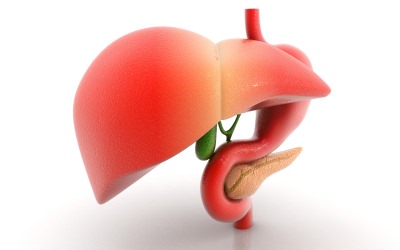
Located just below the rib cage to our left, our liver plays a crucial role in the digestion of food and many other functions in the body, such as producing bile which reduces the amount of fat in the body. It maintains our sugar, fat and iron levels in the body and is also involved in the production of protein. 
 
liver
                                                                  rajcreationzs / freedigitalphotos.net 
 
Liver diseases are a group of disorders, infections and medical conditions that affect the liver tissue and its structure, and may cause damage or stop its functioning all together.

Common symptoms of liver disease:
 
Yellowing of your skin  Fever 
Upper right side abdominal tenderness  Jaundice 
Dry mouth   weight gain 
Dark urine  
loss of appetite
 
vomiting blood
Breast development in males
Weight loss  Enlarged liver 
diarrhea  Joint aches 

 
Main Causes of Liver Disease:

- Lack of night sleep (sleeping more in the moning, less at night).

- High consumption of food in one sitting

- Not urinating in the morning

- Consuming too many artifical preservatives and sweeteners.

- Consuming fried foods when tired.

- Being infected with Hepatitis A, B or E.

- Autoimmune diseases that attack liver cells and cause inflammation

- Alcohol abuse can directly cause liver inflammation.


Recommended Home Remedies for Treating Liver Disease:

Dandelion Root Tea

One of the best home remedies for liver disease, you can make tea our of dandelion leaves twice a day. For even better results, you can boil some roots of the dandelion in water. 
 
dandelion tea
 
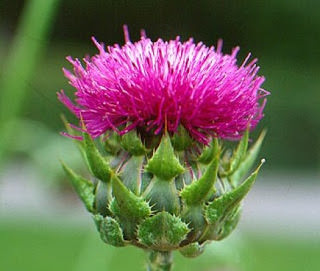
Milk Thistle

This remedy can be very effective in dealing with liver disorders. Consume about 850 ml of milk thistle twice a day with food. This will keep your liver in good condition and also supply relief for certain liver problems. Studies have shown that this can be a very effective agent against such problems as cirrhosis, hepatitis (viral), high toxicity and more.


Indian Gooseberry:

Besides being a fantastic source for vitamin C, which helps keep your liver healthy, it is known that gooseberries help protect your liver. It is recommended to eat about 5-6 raw gooseberries every day or add them to food (salads, for example). Recent studies have shown that consuming the Indian gooseberry leads to an improvement of the liver function caused by a normalization of the liver-specific enzyme alanine transaminase.
 
gooseberries


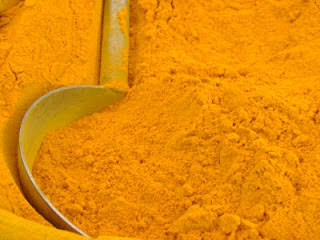
Turmeric:

Turmeric, or better yet its active ingredient, curcumin, is well known for its antioxidant and antiseptic properties. Consuming turmeric or adding it to foods on a regular basis will keep your liver in good condition. Studies have shown that turmeric can protect the liver from the viruses that causes hepatitis A, B and E. You can add it to food, milk or just take 1/2 a tablespoon of turmeric with 1 teaspoon of honey once a day.

turmeric

Papaya Fruit:

The papaya fruit is really good at getting rid of liver disorders. It also offers good relief to those who suffer from liver cirrhosis. Consume one teaspoon of lemon juice with 3 teaspoons of papaya juice once a day and repeat for 4-6 weeks in order to cure the condition.
 
papaya


Apple Cider Vinegar:

This is a cleansing remedy will help flush out the toxins from inside the liver. Take it before meals to help maintain a healthy level of fat in the body. 

Take one tablespoon of apple cider vinegar and mix it with a glass of water, then add one teaspoon of honey and mix again. Drink this 3 times a day to really cleanse your liver.
 
apple cider vinegar


A few more tips for taking care of your liver:

- Drink green tea every day. It contains catechins which aid the function of the liver.

- Physical activity, even mild, will reduce your toxin levels through sweat and by keeping your body fit.

- Drink a lot of water, it is always a healthy choice and it will flush out the toxins from your system. 
 
- Eating apples and leafy vegetables is a good idea, as they too help flush out
toxins from the body.
 
- Avoid alcohol like the plague.
 
- Avocados and walnuts also offer protection against liver disorders.
 
 
THIS IS ONLY FOR INFORMATION, ALWAYS CONSULT YOU PHYSICIAN BEFORE HAVING ANY PARTICULAR FOOD/ MEDICATION/EXERCISE/OTHER REMEDIES.


PS- THOSE INTERESTED IN RECIPES ARE FREE TO VIEW MY BLOG-
HTTP:GSEASYRECIPES.BLOGSPOT.COM/ 


FOR INFO ABOUT KNEE REPLACEMENT, YOU CAN VIEW MY BLOG-
HTTP://KNEE REPLACEMENT-STICK CLUB.BLOGSPOT.COM/

FOR CROCHET DESIGNS


HTTP://MY CROCHET CREATIONS.BLOGSPOT.COM

Labels: , , , , , , , , , , , , , , , ,

Sunday, May 15, 2011

Why adults need to get vaccination ?


1. You may no longer be protected. You may have received a vaccine as a child. But some vaccines require a booster if you want to remain protected. Protection may not be life-long for diseases like pertussis (whooping cough) or tetanus, which is usually given with the diphtheria toxoid. The CDC recommends a booster for the latter every 10 years after an initial childhood series.

 2. Getting vaccines helps protect your kids -- especially babies too young for vaccines. Whooping cough vaccines are recommended for people who have contact with young babies. The same is true for the flu vaccine. There’s no flu vaccine licensed for infants younger than 6 months old.

3. Some vaccines are just for adults. The shingles vaccine is a good example. Shingles (also known as herpes zoster or zoster) is caused by a reactivation of the chickenpox virus. It can cause a severe and painful skin rash. The risk for shingles increases as a person ages. The vaccine is recommended for adults 60 and older.

4.  Some vaccines you may need when you travel as you may run into those diseases for which you're not protected. So, it is good to vaccinate yourself, when you travel to those destinations, where there may be yellow fever, measles etc. The yellow fever vaccination is required for travel to parts of sub-Saharan Africa and tropical South America. The Saudi Arabian government also requires the meningococcal vaccination -- but only for travel during the hajj, or annual pilgrimage to Mecca. You can check the CDC's web site for details about what you may need for your destination.

5. Everyone needs a flu vaccine, every year. The CDC recommends that everyone 6 months of age and older get a flu vaccine annually if they do not have a medical reason not to receive the vaccine. Each year’s vaccination is designed to protect against the three strains of influenza anticipated to be most commonly circulated in the upcoming flu season.

6.  If you didn’t get vaccines for things like measles, mumps, and rubella or chickenpox (or varicella) as a child -- or any of those diseases themselves -- you need them as an adult. And don’t forget. Some older adults were born at a time when children weren’t vaccinated  as comprehensively as we vaccinate people today.

7. Newer vaccines have been developed. For instance, HPV vaccine and shingles vaccine. Although the rate of adults being vaccinated with newer vaccines is increasing, awareness remains a challenge.

8. You work in the health care profession. Health care providers are exposed to all sorts of potential infections, as well as blood and bodily fluids. Most are required to have not only a complete vaccination series and evidence of immunity, but also to get annual influenza vaccination. This includes things like measles, mumps, rubella (MMR), and hepatitis B.

9. You’re sexually active with a number of partners. The hepatitis B vaccine is highly recommended. Hepatitis B can be transmitted from person to person through contact with blood, semen, and vaginal fluid. It is 50-100 times more easily to be infected by hepatitis B than by HIV. Your partner may not appear ill, but could be carrying the disease.

10. You have asthma, heart, lung disease, diabetes, or other chronic disease.  Or your immune system is  compromised. The pneumococcal vaccine helps prevent serious disease such as pneumonia, meningitis, and blood infection caused by the bacterium Streptococcus pneumoniae. Get it because you may be at increased risk for these infections.

http://www.webmd.com/vaccines/what-you-should-know-11/12-reasons?

Labels: , , , , , ,

Why adults need to get vaccination ?


1. You may no longer be protected. You may have received a vaccine as a child. But some vaccines require a booster if you want to remain protected. Protection may not be life-long for diseases like pertussis (whooping cough) or tetanus, which is usually given with the diphtheria toxoid. The CDC recommends a booster for the latter every 10 years after an initial childhood series.

 2. Getting vaccines helps protect your kids -- especially babies too young for vaccines. Whooping cough vaccines are recommended for people who have contact with young babies. The same is true for the flu vaccine. There’s no flu vaccine licensed for infants younger than 6 months old.

3. Some vaccines are just for adults. The shingles vaccine is a good example. Shingles (also known as herpes zoster or zoster) is caused by a reactivation of the chickenpox virus. It can cause a severe and painful skin rash. The risk for shingles increases as a person ages. The vaccine is recommended for adults 60 and older.

4.  Some vaccines you may need when you travel as you may run into those diseases for which you're not protected. So, it is good to vaccinate yourself, when you travel to those destinations, where there may be yellow fever, measles etc. The yellow fever vaccination is required for travel to parts of sub-Saharan Africa and tropical South America. The Saudi Arabian government also requires the meningococcal vaccination -- but only for travel during the hajj, or annual pilgrimage to Mecca. You can check the CDC's web site for details about what you may need for your destination.

5. Everyone needs a flu vaccine, every year. The CDC recommends that everyone 6 months of age and older get a flu vaccine annually if they do not have a medical reason not to receive the vaccine. Each year’s vaccination is designed to protect against the three strains of influenza anticipated to be most commonly circulated in the upcoming flu season.

6.  If you didn’t get vaccines for things like measles, mumps, and rubella or chickenpox (or varicella) as a child -- or any of those diseases themselves -- you need them as an adult. And don’t forget. Some older adults were born at a time when children weren’t vaccinated  as comprehensively as we vaccinate people today.

7. Newer vaccines have been developed. For instance, HPV vaccine and shingles vaccine. Although the rate of adults being vaccinated with newer vaccines is increasing, awareness remains a challenge.

8. You work in the health care profession. Health care providers are exposed to all sorts of potential infections, as well as blood and bodily fluids. Most are required to have not only a complete vaccination series and evidence of immunity, but also to get annual influenza vaccination. This includes things like measles, mumps, rubella (MMR), and hepatitis B.

9. You’re sexually active with a number of partners. The hepatitis B vaccine is highly recommended. Hepatitis B can be transmitted from person to person through contact with blood, semen, and vaginal fluid. It is 50-100 times more easily to be infected by hepatitis B than by HIV. Your partner may not appear ill, but could be carrying the disease.

10. You have asthma, heart, lung disease, diabetes, or other chronic disease.  Or your immune system is  compromised. The pneumococcal vaccine helps prevent serious disease such as pneumonia, meningitis, and blood infection caused by the bacterium Streptococcus pneumoniae. Get it because you may be at increased risk for these infections.

http://www.webmd.com/vaccines/what-you-should-know-11/12-reasons?

Labels: , , , , , ,