Wednesday, March 26, 2014

EVERYTHING YOU WANT TO KNOW ABOUT COPD( CHRONIC OBSTRUCTIVE PULMONARY DISORDER)

COPD typically refers to two lung diseases – chronic bronchitis and emphysema. A person with COPD may have one or the other, but most people with COPD have both.

Chronic bronchitis is the inflammation of the bronchial tubes. Over time this leads to changes in the airway lining, which leads to excess mucus production and chronic cough. Emphysema is the irreversible breakdown of the walls of the lungs’ air sacs. As a result, the lungs lose elasticity and their capacity to exchange oxygen to the bloodstream for carbon dioxide. COPD also adds to the work of the heart.


Because COPD often progresses slowly, many people don't realize they have a problem. Also, they may blame their breathlessness or coughing on the aging process and think their condition is normal for someone who is getting older. And people adjust their daily routine to reduce or avoid activities that leave them breathless.

Early diagnosis and treatment is the most likely way to preserve lung function.

Early warning signs of COPD vary, but among the most common are:
  • An increased amount of sputum coughed up from the lungs
  • Shortness of breath during activity
  • Chronic coughing

It is possible to have both COPD and asthma, and the diseases share several characteristics. Many people with COPD also suffer from asthma, but most people with asthma do not have COPD.

One difference between the two is that asthma sufferers can be nearly free of symptoms between exacerbations with proper treatment. Also, the symptoms of asthma – wheezing, shortness of breath, cough – are usually caused by obvious triggers, such as allergens, cold air, or exercise. Onset of asthma generally occurs in younger non-smokers, while COPD is more often linked to older age and smoking. Airway obstruction with asthma is typically reversible, while people with COPD develop permanent lung damage that progresses over time.


Although COPD is not curable, the symptoms can be treated and your quality of life can improve. Factors include how well your lungs are functioning and how well you follow your treatment program and respond to it. It is possible to feel better, stay active, and slow the progression of the disease.

The muscles used in breathing may burn up to 10 times more calories for a person of average weight with COPD than for a person without COPD. Also, if you are overweight, your heart and lungs have to work even harder to breathe properly. If you are underweight, you are more susceptible to complications from illnesses. Maintaining proper weight and achieving good nutrition are important to coping with COPD.

In COPD, less air flows in your lungs' airways for one or more of the following reasons:
  • Bronchial tubes become inflamed and thickened.
  • Your airways are clogged with mucus.
  • Walls between your lungs' air sacs are destroyed, causing them to lose elasticity and lessen the exchange of oxygen/carbon dioxide.

COPD is diagnosed most often in people who are over 45. The CDC reports that 11% of men and 10% of women aged 75-84 had COPD in 2007-2009, compared to 2% of men and 4% for women aged 25-44.

Quitting smoking is the single most effective way to slow the progression of COPD or reduce the risk of developing it. If you quit smoking, you can stop or slow down further damage to your lungs.

The flu can cause serious problems for people with COPD, so they should get a flu shot every year. People with COPD are also at greater risk for pneumococcal disease, including pneumonia, so talk to your health care provider about getting the pneumococcal "pneumonia" vaccine.


There is no cure for COPD, but there are effective treatments, and you can make lifestyle changes that can improve the symptoms and slow the disease. Pulmonary rehabilitation involves exercise, education about nutritional needs, and sometimes psychological counseling. Your health care provider also may prescribe inhaler medicines to relax your airways and make breathing easier. If you have severe COPD, you may require the use of supplemental oxygen.


When your COPD gets suddenly worse, it's known as an exacerbation. Common signs are wheezing, increased cough or shortness of breath, shallow or rapid breathing, increased heart rate or temperature, and a change in the color of your mucus. People with COPD may experience one or two exacerbations each year, and they will worsen as the disease progresses. Talk to your health care provider about a plan for treating exacerbations.


ps- this is only for information, always consult you physician before having any particular food/ medication/exercise/other remedies.
ps- those interested in recipes are free to view my blog-
http://gseasyrecipes.blogspot.com/
for info about knee replacement, you can view my blog-
http://Knee replacement-stick club.blogspot.com/

for crochet designs


http://My Crochet Creations.blogspot.com

Labels: , , , , , , , , , , , , ,

Wednesday, July 17, 2013

Bronchitis

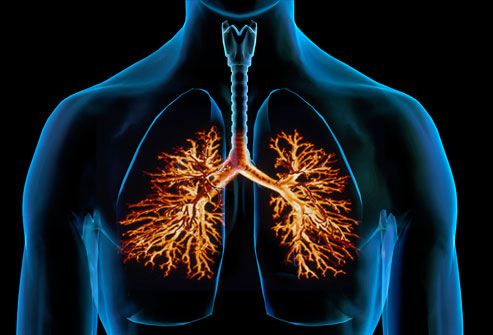
Illustration of bronchitis and bronchial tree

What is Bronchitis?
Bronchitis is an inflammation in the lungs that some people call a chest cold. It can be a miserable, but minor, illness that follows the common cold -- or a more serious condition like a chronic smoker's hack. A cough, phlegm, and feeling tired are typical symptoms of bronchitis, but these are also symptoms of other illnesses, so getting the right diagnosis is important.

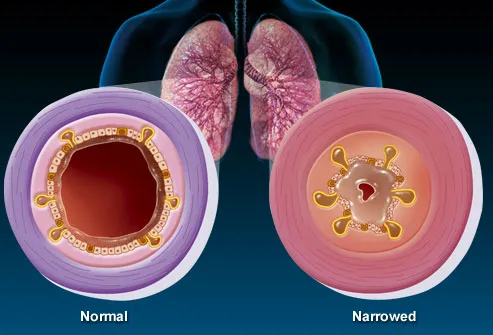
Illustration of normal vs. narrowed bronchioles
When the bronchial tubes that carry air deep into your lungs become inflamed, the inner lining swells and grows thicker, narrowing the breathing passages. These irritated membranes also secrete extra mucus, which coats and sometimes clogs the small airways. Coughing spells are the body's way of trying to clear out these secretions for easier breathing.

Symptoms of Bronchitis
The main symptom of bronchitis is a frequent cough that produces mucus. Other symptoms that may occur are:
Mild fever
Fatigue
Wheezing sounds when breathing
Tightness or dull pain in the chest
Shortness of breath

Acute Bronchitis: How Long Does It Last?
Acute bronchitis often develops three to four days after a cold or the flu. It may start with a dry cough, then after a few days the coughing spells may bring up mucus. Most people get over acute bronchitis in two to three weeks, although the cough can sometimes hang on for four weeks or more. If you're in otherwise good health, your lungs will return to normal after you've recovered from the initial infection.


Repeated Bouts: Chronic Bronchitis
Doctors suspect this illness when you have a cough with phlegm on most days for at least three months in a year, for two years in a row. Chronic bronchitis is a serious condition that makes your lungs a breeding ground for bacterial infections and may require ongoing medical treatment. It's one form of chronic obstructive pulmonary disease (COPD), a lung disease that makes it hard to breathe. The "smoker's cough" is sometimes a sign of bronchitis and COPD.

Bronchitis or Something Else?
The symptoms of bronchitis are often the same as those of other conditions, such as asthma, pneumonia, allergies, the common cold, influenza, sinusitis, and even gastro-esophageal reflux disease (GERD) and lung cancer. See your doctor to get an accurate diagnosis. Serious illnesses like pneumonia require prompt treatment.


When to Call the Doctor
Check in with your medical provider if you:
Feel short of breath or wheeze
Cough up blood
Have a fever greater than 101 F (38 C)
Have a cough lasting more than four weeks

Causes of Acute Bronchitis
This form of bronchitis is more common in winter and nine out of 10 cases are caused by a virus. Irritants -- like tobacco smoke, smog, chemicals in household cleaners, even fumes or dust in the environment -- can also cause acute bronchitis.


Causes of Chronic Bronchitis
Smoking is by far the most common cause of chronic bronchitis. Workplace exposure to dust and toxic gases is a much less common cause, seen in miners and grain handlers. Air pollution can make symptoms worse for people with chronic bronchitis.


Smokers and Bronchitis
A smoker who gets acute bronchitis will have a much harder time recovering. Even one puff on a cigarette can cause temporary damage to the tiny hair-like structures (cilia) in the airways that brush out debris, irritants, and excess mucus. Further smoking continues the damage and increases the chances of chronic bronchitis, which can lead to increased risk of lung infection and permanent lung damage. Bottom line: It's time to quit.

How is Acute Bronchitis Diagnosed?
Doctors usually diagnose acute bronchitis by reviewing how your symptoms have developed over time and through a physical examination. Using a stethoscope, your doctor will listen for any abnormal sounds produced within your lungs when you breathe.


How is Chronic Bronchitis Diagnosed?
Your doctor may recommend pulmonary function testing after doing a medical history and physical exam. Pulmonary function tests like spirometry measure how well the lungs are working. A chest X-ray may also be done.


Treatment: Acute Bronchitis
The only treatment generally needed for acute bronchitis is symptom relief: Drink lots of fluids; get plenty of rest; and avoiding smoke and fumes. A non-prescription pain reliever may help with body aches, but children under age 20 should not take aspirin. Your doctor may prescribe an expectorant to help loosen mucus so it can be more easily coughed up or an inhaled bronchodilator medicine to open your airways.

Treatment: Chronic Bronchitis
If you have chronic bronchitis related to smoking, the most important thing to do is to quit smoking to prevent ongoing damage to your lungs. Unless your doctor advises against it, get a pneumococcal vaccine and an annual flu vaccine. Treatment may include bronchodilators and steroids (inhaled or by mouth).

Chronic Bronchitis and COPD
Chronic bronchitis and emphysema are the two main forms of chronic obstructive pulmonary disease. Doctors may prescribe bronchodilators, which are drugs that help open constricted airways. Oxygen therapy helps some people breathe better and a pulmonary rehab program can improve your quality of life. Quitting smoking is a must to stop further lung damage.

How to Avoid Bronchitis
It's no surprise that the best way to decrease your risk is not to smoke or allow others to smoke in your home. Other ways include: avoiding colds and staying away from things that irritate your nose, throat, and lungs, such as dust or pets. Also, if you catch a cold, get plenty of rest and take your medicine as directed.


ps- this is only for information, always consult you physician before having any particular food/ medication/exercise/other remedies.

ps- those interested in recipes are free to view my blog-

http://gseasyrecipes.blogspot.com/

for info about knee replacement, you can view my blog-

http://Knee replacement-stick club.blogspot.com/

for crochet designs

http://My Crochet Creations.blogspot.com/

I've not given details about designs, but those interested are free to mail me for the same.


Labels: , , , , , , , , , , ,

Sunday, May 15, 2011

Why adults need to get vaccination ?


1. You may no longer be protected. You may have received a vaccine as a child. But some vaccines require a booster if you want to remain protected. Protection may not be life-long for diseases like pertussis (whooping cough) or tetanus, which is usually given with the diphtheria toxoid. The CDC recommends a booster for the latter every 10 years after an initial childhood series.

 2. Getting vaccines helps protect your kids -- especially babies too young for vaccines. Whooping cough vaccines are recommended for people who have contact with young babies. The same is true for the flu vaccine. There’s no flu vaccine licensed for infants younger than 6 months old.

3. Some vaccines are just for adults. The shingles vaccine is a good example. Shingles (also known as herpes zoster or zoster) is caused by a reactivation of the chickenpox virus. It can cause a severe and painful skin rash. The risk for shingles increases as a person ages. The vaccine is recommended for adults 60 and older.

4.  Some vaccines you may need when you travel as you may run into those diseases for which you're not protected. So, it is good to vaccinate yourself, when you travel to those destinations, where there may be yellow fever, measles etc. The yellow fever vaccination is required for travel to parts of sub-Saharan Africa and tropical South America. The Saudi Arabian government also requires the meningococcal vaccination -- but only for travel during the hajj, or annual pilgrimage to Mecca. You can check the CDC's web site for details about what you may need for your destination.

5. Everyone needs a flu vaccine, every year. The CDC recommends that everyone 6 months of age and older get a flu vaccine annually if they do not have a medical reason not to receive the vaccine. Each year’s vaccination is designed to protect against the three strains of influenza anticipated to be most commonly circulated in the upcoming flu season.

6.  If you didn’t get vaccines for things like measles, mumps, and rubella or chickenpox (or varicella) as a child -- or any of those diseases themselves -- you need them as an adult. And don’t forget. Some older adults were born at a time when children weren’t vaccinated  as comprehensively as we vaccinate people today.

7. Newer vaccines have been developed. For instance, HPV vaccine and shingles vaccine. Although the rate of adults being vaccinated with newer vaccines is increasing, awareness remains a challenge.

8. You work in the health care profession. Health care providers are exposed to all sorts of potential infections, as well as blood and bodily fluids. Most are required to have not only a complete vaccination series and evidence of immunity, but also to get annual influenza vaccination. This includes things like measles, mumps, rubella (MMR), and hepatitis B.

9. You’re sexually active with a number of partners. The hepatitis B vaccine is highly recommended. Hepatitis B can be transmitted from person to person through contact with blood, semen, and vaginal fluid. It is 50-100 times more easily to be infected by hepatitis B than by HIV. Your partner may not appear ill, but could be carrying the disease.

10. You have asthma, heart, lung disease, diabetes, or other chronic disease.  Or your immune system is  compromised. The pneumococcal vaccine helps prevent serious disease such as pneumonia, meningitis, and blood infection caused by the bacterium Streptococcus pneumoniae. Get it because you may be at increased risk for these infections.

http://www.webmd.com/vaccines/what-you-should-know-11/12-reasons?

Labels: , , , , , ,

Why adults need to get vaccination ?


1. You may no longer be protected. You may have received a vaccine as a child. But some vaccines require a booster if you want to remain protected. Protection may not be life-long for diseases like pertussis (whooping cough) or tetanus, which is usually given with the diphtheria toxoid. The CDC recommends a booster for the latter every 10 years after an initial childhood series.

 2. Getting vaccines helps protect your kids -- especially babies too young for vaccines. Whooping cough vaccines are recommended for people who have contact with young babies. The same is true for the flu vaccine. There’s no flu vaccine licensed for infants younger than 6 months old.

3. Some vaccines are just for adults. The shingles vaccine is a good example. Shingles (also known as herpes zoster or zoster) is caused by a reactivation of the chickenpox virus. It can cause a severe and painful skin rash. The risk for shingles increases as a person ages. The vaccine is recommended for adults 60 and older.

4.  Some vaccines you may need when you travel as you may run into those diseases for which you're not protected. So, it is good to vaccinate yourself, when you travel to those destinations, where there may be yellow fever, measles etc. The yellow fever vaccination is required for travel to parts of sub-Saharan Africa and tropical South America. The Saudi Arabian government also requires the meningococcal vaccination -- but only for travel during the hajj, or annual pilgrimage to Mecca. You can check the CDC's web site for details about what you may need for your destination.

5. Everyone needs a flu vaccine, every year. The CDC recommends that everyone 6 months of age and older get a flu vaccine annually if they do not have a medical reason not to receive the vaccine. Each year’s vaccination is designed to protect against the three strains of influenza anticipated to be most commonly circulated in the upcoming flu season.

6.  If you didn’t get vaccines for things like measles, mumps, and rubella or chickenpox (or varicella) as a child -- or any of those diseases themselves -- you need them as an adult. And don’t forget. Some older adults were born at a time when children weren’t vaccinated  as comprehensively as we vaccinate people today.

7. Newer vaccines have been developed. For instance, HPV vaccine and shingles vaccine. Although the rate of adults being vaccinated with newer vaccines is increasing, awareness remains a challenge.

8. You work in the health care profession. Health care providers are exposed to all sorts of potential infections, as well as blood and bodily fluids. Most are required to have not only a complete vaccination series and evidence of immunity, but also to get annual influenza vaccination. This includes things like measles, mumps, rubella (MMR), and hepatitis B.

9. You’re sexually active with a number of partners. The hepatitis B vaccine is highly recommended. Hepatitis B can be transmitted from person to person through contact with blood, semen, and vaginal fluid. It is 50-100 times more easily to be infected by hepatitis B than by HIV. Your partner may not appear ill, but could be carrying the disease.

10. You have asthma, heart, lung disease, diabetes, or other chronic disease.  Or your immune system is  compromised. The pneumococcal vaccine helps prevent serious disease such as pneumonia, meningitis, and blood infection caused by the bacterium Streptococcus pneumoniae. Get it because you may be at increased risk for these infections.

http://www.webmd.com/vaccines/what-you-should-know-11/12-reasons?

Labels: , , , , , ,