Thursday, October 28, 2021

When is the aedes mosquitoes bite more likely to bite; preventive care tips to keep dengue infection at bay

How to prevent and spot a dengue infection
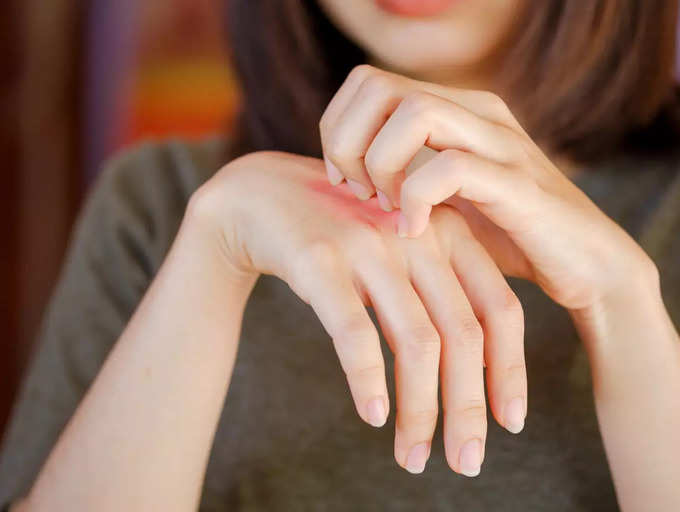
Over the past weeks, there's been an incessant rise in the number of dengue cases being reported across the countries. While the erratic monsoons and seasonal changes are major reasons behind the rise, dengue cases are also becoming severe, because of the newer variants in circulation.

Nonetheless, while we do not have a vaccine ready for use, what really plays a crucial role is to prevent the dengue infection from spreading in the first place and mitigate possible risks. But how can you identify what exactly is a dengue mosquito?


The dengue virus, spreads through the virus infected aedes aegypti mosquito bites. With an infection as such, which spreads primarily via mosquito bites, it can be incredibly hard to distinguish between a normal mosquito bite and dengue mosquito bite. Having said that, we provide some possible clues, and help educate you about how a dengue infection can start to spread, and avoid the risk:

When do mosquitoes tend to bite the most?

The dengue mosquitoes also tend to be the most active during the daytime, and it is said that the most likely chances of infection happen during the morning and afternoon hours. As per studies, the mosquito is most active during the daytime, approximately two hours after sunrise and several hours before sunset. However, rarely though, they can also happen to bite people post sunset.

Another stark feature for these dengue bites is the place where the mosquito bites a person. With dengue, it is said that the infected mosquitoes target body parts like around the ankles, elbows. It should also be remembered that a single bite of the mosquito is enough to infect an individual and span across symptoms. 

Is there something peculiar about dengue mosquito bites?
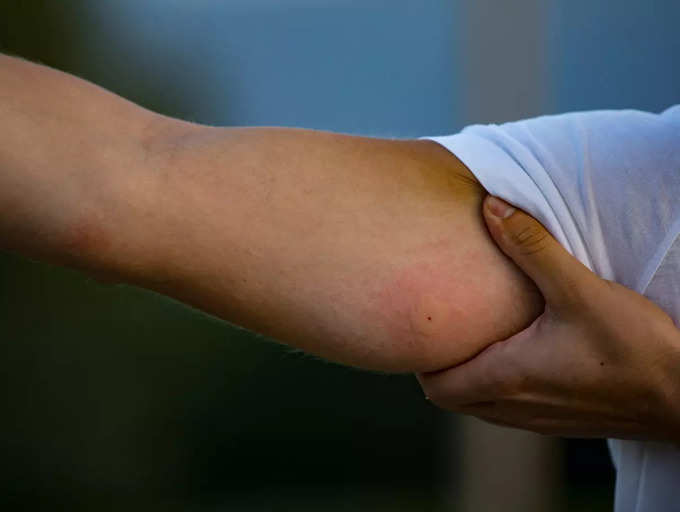
As confusing as it could be, not every mosquito bite can, or could cause dengue right now. Dengue infection is particularly spread by the bite of the Aedes aegypti mosquito, and they mostly surge during tropical climates, and cannot survive during winters.

One possible recognition sign of the dengue causing virus could be dark and white coloured markings on the lower half of the body, and the legs. While the dengue-spreading viruses lay eggs in places which have water, what's also peculiar about them is that only the female dengue viruses are capable of biting humans (and animals) and causing the infection. 

Are there ways to differentiate between mosquito bites?

Identifying or differentiating between mosquito bites, more so after they have bitten a person can be vague and difficult. While prevention really is the best way to avoid catching a seasonal infection like dengue, if a mosquito bites you, it is said that the bite area can appear more starkly red, and itchier than a usual mosquito bite.

When do the symptoms start to show up?

The incubation period of the dengue virus, i.e. the time between the mosquito bite to the infection happening in the body is taken to be 4-10 days. However, experts say that the symptoms can show up anywhere after that, and cause different signs and symptoms, depending on your risk factors, age and pre-existing illnesses.

With dengue fever, there's also severity associated with the current DENV-2 strain of the virus. Just as crucial it is to take note of possible signs of worsening, knowing, and acting on early signs can prompt the right diagnosis. The most common early signs of the infection include:

-High fever, usually more than 103 degrees Fahrenheit

-Body aches

-Chills, weakness and fatigue

-Joint and bone pain

-Pain in the belly and abdomen

-Rashes, redness in the eyes

-Nausea and vomiting

What are the preventive care tips one can follow?

It should be remembered that dengue remains to be an infection best fought with preventive care, and can be completely avoided as long as there's good hygiene practices being followed. To protect yourself during the current rampant dengue season, here are a few things which should be done at the earliest:

-Clean and disinfect standing water sources and avoid water stagnation.

-Replace water in pots, stands, bird feeders every day.

-Try and wear full sleeved clothes to avoid exposing yourself to mosquitoes

-Make use of mosquito repellants

-Use essential oils, repellants, sprays and nets to avoid mosquitoes at home

-Spruce up your immunity and follow a proper diet and lifestyle.


This is only for your information, kindly take the advice of your doctor for medicines, exercises and so on.   

https://gscrochetdesigns.blogspot.com. one can see my crochet creations  
https://gseasyrecipes.blogspot.com. feel free to view for easy, simple and healthy recipes    
https://kneereplacement-stickclub.blogspot.com. for info on knee replacement

Labels: , , , , , , , , , , ,

Thursday, February 20, 2020

Vicks Vapo Rub Alternative Uses You Likely Don’t Know


Vicks Vapor Rub is a tried and true remedy that really works! You can even use it for Toenail Repair, Healing Cuts and Splinters and to stop your cat from scratching!
Apparently, when you have headaches you can rub Vicks on your temples and the mentholated scent relieves the pressure, providing immediate relief. It is also  great for Earaches. If you suffer pimples, a dab will clear it up overnight. 

This is only for your information, kindly take the advice of your doctor for medicines, exercises and so on.     
https://gscrochetdesigns.blogspot.com. one can see my crochet creations  
https://gseasyrecipes.blogspot.com. feel free to view for easy, simple and healthy recipes    
https://kneereplacement-stickclub.blogspot.com. for info on knee replacement
 

Labels: , , , , , , , , , , , , ,

Sunday, October 06, 2019

What is dengue? – Symptoms, causes and how to treat the disease

Dengue is a viral infection similar to the flu that affects infants, young children, and adults and is transmitted through the bite of a specific insect named Aedes mosquitoes; The main vector is ‘Aedes aegypti. In a low-intensity stage, dengue causes a high fever and pain sensation throughout the body, in addition to skin rashes. On a serious level, on the other hand, it can cause hemorrhages, low blood pressure, and even death.

The occurrence of Dengue:

Dengue occurs in tropical and subtropical areas of the planet, the most common areas being Southeast Asia and the islands of the Western Pacific, although there are also many cases in the Caribbean.

Causes of Dengue:

Dengue virus is an arbovirus of the genus Flavivirus of the family ‘Flaviviridae’. It has five immunological serotypes that cause the disease:
  • DEN-1
  • DEN-2
  • DEN-3
  • DEN-4
  • DEN-5
The origin of dengue is the bite of the infected Aedes mosquito that transmits the disease. If a mosquito bites a person infected with a dengue virus, the virus enters the body of the insect.
If that infected mosquito bites another human being, the virus is transmitted to that person.
When cured, the person is immunized to that type of dengue, but not to the other strains.

Dengue symptoms:

The symptoms of dengue infection begin between four and seven days after the bite. The most common are:
  • Very high fever, up to 40 degrees.
  • Muscle pain.
  • Dizziness and vomiting.
  • Rash on the skin.
In most of the cases, recovery occurs within a week, but there are some more serious cases that have other additional symptoms:
  • Pain in the abdomen.
  • Vomiting more frequently.
  • Bruises on the skin.
  • Respiration problems.
  • Feeling tired.

Dengue diagnosis:

The greatest difficulty in diagnosing dengue is the similarity of symptoms with other infectious diseases such as malaria or typhoid fever. The doctor will ask questions about medical history and recent trips and perform blood and urine tests. The problem is that the result of certain analyzes suitable for these cases take several days and would delay the start of treatment.

Dengue treatment and medication:

There are different treatments depending on the severity. In all cases, a necessary measure is to hydrate by drinking water. It is also appropriate to take paracetamol to reduce fever and help alleviate pain. If the dengue level is severe, hospitalization and perhaps a blood transfusion will be necessary.

Dengue Prevention:

The most effective prevention is not to travel to risk areas and, once there, use mosquito repellent that has a concentration of 10 percent DEET (N, N-diethyl-m toluamide).

It is also recommended:

  • Dress in light colored clothes that cover most of our body.
  • Avoid areas with flowers, wooded and wet.
  • Do not use perfumes or lacquers.
  • Place mosquito nets on doors and windows.
  • Avoid going in the car with the windows open.
  • Use insecticides at home.
  • Check that an insect has not settled on the edge of our drink; especially if it’s sweet.
  • Avoid walking barefoot.
  • Cover the garbage cans well.
  • If we tend the clothes on the outside or leave it out, we must shake it well before picking it up or before dressing it.               this is only for your information, kindly take the advice of your doctor for medicines, exercises and so on.   
    https://gscrochetdesigns.blogspot.com. one can see my crochet creations  

    https://gseasyrecipes.blogspot.com. feel free to view for easy, simple and healthy recipes    
    https://kneereplacement-stickclub.blogspot.com. for info on knee replacement


Labels: , , , , , , , , , , ,

Thursday, June 01, 2017

How to protect against Zika Virus

Zika virus causes a deadly disease called Zika fever or Zika virus disease that spreads by the bite of the Aedes mosquito. The Zika virus is a member of the virus family FLAVIVIRIDAE and is closely related to the dengue, yellow fever, Japanese Encephalitis , and West Nile viruses. It was isolated in the Zika forest of Uganda in 1947 and is known to be prevalent in continents like Africa and Asia primarily, though it’s slowly making headway in the developed world and has spawned the deadly 2015-2016 Zika virus epidemic.
What are symptoms of Zika fever?
People with Zika virus disease can have symptoms which are similar to Dengue, like-

  • Fever
  • Diarrhea
  • Red Eye 
  • Muscle Pain
  • Skin Rash
  • Headache
These symptoms usually last for 2-7 days.
Complications of Zika virus disease
According to WHO, Zika virus infection during pregnancy causes congenital brain abnormalities like microcephaly. And the infection can also trigger the Guillain-Barré syndrome. Microcephaly is a condition where a child is born with a small head or the head stops growing after birth and the Guillain-Barré syndrome is a rare condition in which a person’s immune system attacks the peripheral nerves which control muscle movement and sensation.

Even as we read this, intense efforts are being expended to investigate the link between Zika virus and a number of other neurological disorders.

How does Zika spread?
The causes of Zika are:

  1. The bite of the Aedes mosquito that is infected with the Zika virus. This mosquito is the same that spreads dengue,chikangunya, and yellow fever. It bites primarily in the daytime.
  2. Unprotected sexual intercourse
  3. Zika’s transmission through blood transfusion is being investigated.
How can you prevent Zika infection?
Protection against mosquito bites is the most foolproof ways to prevent a Zika virus infection. Other ways to prevent Zika infection via mosquito bites are:

  1. Just like Dengue prevention, you must cover your body properly, especially during daytime
  2. Use physical barriers such as window screens or closing doors and windows against the mosquitoes
  3. Sleep under mosquito nets
  4. Using insect repellents containing DEET, IR3535 or icaridin
  5. Take extra care of young children, sick and  elderly people
  6. Cover, empty or clean mosquito breeding sites in and around your house or colony like empty buckets, drums, flower pots and used tyres that can fill-up with water and breed mosquitoes
  7. Encourage your family and community to support local government efforts to reduce mosquitoes in their localities
  8. Insist on regular spraying of insecticide for mosquito control in your locality.
For stemming sexual transmission of Zika, the WHO recommends that sexually active men and women be counselled to practice safe sex using condoms. WHO also recommends that people who have come back after travelling from Zika virus zones should be extremely careful in practising safe sex or abstinence for the first 6 months at least, for preventing a pregnancy.
If affected, what is the treatment?
Zika virus disease is usually mild and requires no specific treatment as such.
Infected people are advised plenty of rest, asked to drink enough fluids, and treat pain and fever with common medicines like Ibuprofen. If you wish to discuss about any specific problem, you can consult a General Physician.


this is only for your information, kindly take the advice of your doctor for medicines, exercises and so on.   
https://gscrochetdesigns.blogspot.com. one can see my crochet creations 
https://gseasyrecipes.blogspot.com. feel free to view for easy, simple and healthy recipes    
https://kneereplacement-stickclub.blogspot.com. for info on knee replacement
 

Labels: , , , , , , , , , , , ,