Monday, September 15, 2025

Myth or Fact? What's True about Pneumonia?

Pneumonia is a prevalent respiratory infection that affects millions of people worldwide. According to the World Health Organization (WHO), pneumonia causes inflammation in the air sacs, known as alveoli, in either one or both lungs. When these alveoli become filled with pus or fluid, it hampers the intake of oxygen, leading to breathing difficulties. Pneumonia happens when the organism overwhelms the host's immunity, resulting in lung damage and compromised lung function.
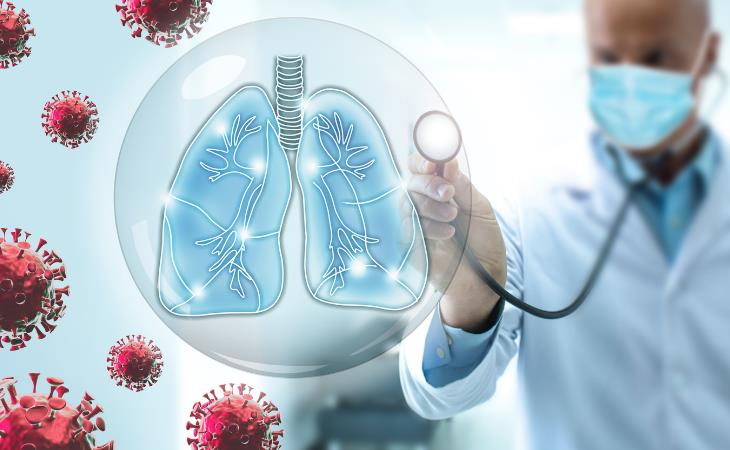
Pneumonia

Common symptoms include a dry cough or thick yellow, green, or blood-stained mucus, a high fever, trouble breathing, acute chest discomfort, sweating, and shaking. Experts believe that early detection and annual immunizations can help minimize the chance of acquiring pneumonia and the severity of the condition.

Even though pneumonia is so widespread and can strike anywhere and anytime, there are various myths and misconceptions about it. These myths can lead to misunderstandings regarding the disease's etiology, symptoms, and prevention. By addressing some common pneumonia myths in this article, we hope to increase awareness and understanding of this disease.
Myth 1: Pneumonia is just a severe form of common cold
 
coughing
While there is some overlap in symptoms, it is important to distinguish pneumonia from the common cold. Colds are viral infections of the upper respiratory tract, as opposed to pneumonia, which is an infection of the lung parenchyma - a complex network of thin-walled alveoli that facilitate gas exchange. In addition to the usual cold symptoms, pneumonia can cause difficulty breathing, fever with chills, and the expectoration of phlegm, mucus, or blood. Furthermore, the approaches to treating pneumonia and the common cold differ.

The common cold usually affects the upper respiratory tract rather than the lungs, resulting in normal oxygen levels in the lungs and a milder duration of sickness. In contrast, pneumonia poses a greater threat, especially for people with compromised immune systems, and its symptoms are more severe and persistent than the typical cold. Seeking medical advice is crucial when experiencing persistent flu-like symptoms. 
 
Myth 2: Pneumonia is highly contagious

Generally, pneumonia is not considered contagious in isolation; its transmissibility depends on the specific germ responsible for the infection. Viruses like influenza (flu) and COVID-19, or bacteria from sinus infections, can spread through respiratory droplets when an infected person sneezes, coughs, or contaminates surfaces. 
Aspiration pneumonia results from inhaling food, liquid, vomit, or objects into the lungs, which must be distinguished from non-contagious pneumonias such as fungal pneumonia. 
 
To reduce the risk of pneumonia, it is imperative to take precautions against the transmission of underlying infections. This includes observing practices like regular handwashing, practicing proper cough and sneeze etiquette, and avoiding contact with individuals exhibiting symptoms of illness. 
 
Myth 3: Bronchitis and pneumonia are the same disease
 
Bronchitis
Although bronchitis and pneumonia can occur simultaneously, they target different segments of the respiratory system. Bronchitis leads to inflammation in the lung tubes, whereas pneumonia impacts the lung tissue responsible for oxygen absorption into the bloodstream. A precise diagnosis, often assisted by medical tests, is required for proper treatment. 
 
Myth 4: Pneumonia only affects children
Pneumonia is an infection that can affect individuals across all age groups. Young children and the elderly tend to be more susceptible to this disease, possibly due to the underdeveloped immune systems in children and the compromised immunity in older individuals, often compounded by comorbid conditions such as high blood pressure, diabetes, and obesity. Those over 65 years old with pneumonia are particularly at a heightened risk of facing complications, hospitalization, and mortality.


Myth 5: Pneumonia only happens in winter 
Although pneumonia, the flu, and RSV are more prevalent in the colder months, medical experts clarify that pneumonia can occur at any time. Pneumonia-causing germs persist year-round, so we must adopt preventive measures for overall well-being.

Myth 6: Antibiotics cure all types of pneumonia
Antibiotics are effective against bacterial pneumonia but not against viral pneumonia. Your healthcare provider will prescribe the most appropriate treatment depending on the specific cause of your pneumonia. It's crucial to avoid taking antibiotics unnecessarily, as this can lead to antibiotic resistance. If you have viral pneumonia, your doctor will most likely guide you on how to manage your symptoms at home, which may include over-the-counter (OTC) medications.
 
 In the case of bacterial infections, you must complete the entire course of antibiotics as prescribed by your healthcare provider. If you have fungal pneumonia, your provider may use anti-fungal medication to eliminate or prevent the growth of harmful fungi in your body. Hospitalization may be necessary if your symptoms are severe.
 
Myth 7: Pneumonia poses no risk to healthy people
A healthy person can get pneumonia if they are exposed to the pneumonia-causing organism for an extended period of time, although this is rare. When a healthy person's immunity is overcome by the pneumonia-causing bacterium, pneumonia may develop. In healthy people, the mild nature of pneumonia helps facilitate a faster recovery. The American Lung Association warns that, while most people recover from pneumonia within a few weeks, it can potentially be fatal. 
 
 
Myth 8: Pneumonia cannot be prevented
Pneumonia can be effectively prevented through various means. This includes receiving flu shots and annual influenza vaccines, which significantly lower the likelihood of contracting pneumonia. Additionally, antibiotics are often prescribed for pneumonia treatment. High-risk individuals can further reduce their risk by receiving the pneumococcal conjugate vaccine (PCV13), followed by the pneumococcal polysaccharide vaccine (PPSV23), particularly effective against Streptococcus pneumoniae, the most common bacterial culprit of pneumonia. These vaccines are routinely recommended for children, the elderly, and those with compromised immune systems. Maintaining well-controlled comorbidities, such as diabetes, also plays a crucial role in reducing susceptibility to pneumonia.

Handwashing with soap, according to a 2005 study published in The Lancet medical journal, can reduce the incidence of pneumonia in children under the age of five by 50%. Adopting a healthy lifestyle, engaging in regular physical activity, having a balanced diet, stopping smoking, getting enough sleep, and wearing masks in public areas all help to prevent pneumonia.


This is only for your information, kindly take the advice of your doctor for medicines, exercises and so on.   

https://gscrochetdesigns.blogspot.com. one can see my crochet creations  
https://gseasyrecipes.blogspot.com. feel free to view for easy, simple and healthy recipes    
https://kneereplacement-stickclub.blogspot.com. for info on knee replacement
https://GSiyers home remedies.blogspot.com   is the latest addition to my blogs


Labels: , , , , , , ,

Sunday, August 03, 2025

The Do’s and Don’ts of Healing a Sunburn

You’ve forgotten to apply sunscreen before your daily walk? Or maybe, you underestimated how strong the sun is and got carried away with yard work? Whatever the case may be, the damage is now done, and you ended up with a sunburn. What you do next is very important, as any mistakes can make the itching, redness, pain, and peeling worse and prolong your recovery. These tips will aid you in treating a sunburn the right way and alleviating your symptoms in no time.

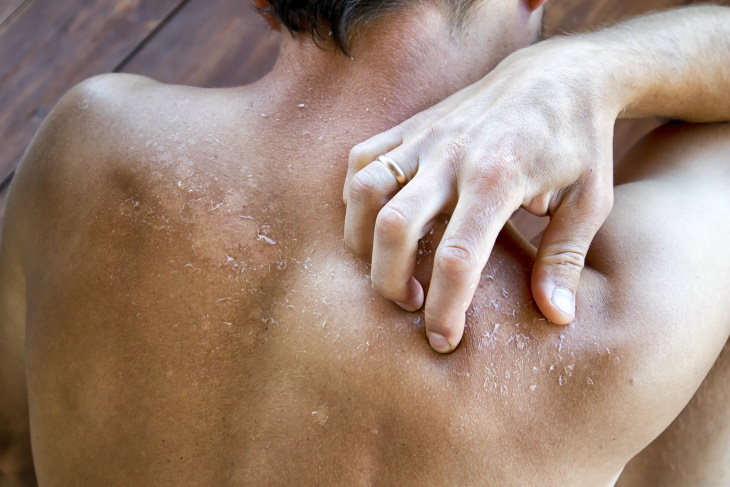
1. Itching The Do’s and Don’ts of Healing a Sunburn itching

Even if your sunburn is mild, you could experience some itching. This happens because the epidermis, the top layer of the skin, is damaged by the sun’s rays. The inner layers of the epidermis contain hundreds of nerve endings, which can be sensitized when the skin is inflamed, and this may result in itching.

DO Thoroughly Moisturize Your Skin 
One of the most important steps to healing irritated, sunburned, and itchy skin is to protect and soothe it with a moisturizer. A good moisturizer "brings down inflammation and helps skin repair," stated Gary Goldenberg, MD, a dermatologist to the Insider. When choosing a moisturizer or lotion, make sure to refrain from fragranced products because they can further irritate the skin. 

In addition, avoid thick creams or balms, such as products that contain petroleum jelly or mineral oil, because they trap the heat in the skin and may clog the pores. Apply an unscented lightweight lotion, aloe vera gel, or a specialized sunburn cream with hydrocortisone on clean skin right after showering. Reapply several times a day, if needed. 
 
 DON’T Treat the Sunburn With Vinegar 
 
Using an apple cider vinegar solution on a sunburn is a common natural remedy, but dermatologists say that it could do more harm than good. Vinegar, diluted or not, contains a high concentration of acetic acid, lactic acid, citric acid, and malic acid. Using it on a sunburn will seriously sting and compromise the already damaged skin even further. 
 
According to Carol Cheng, a dermatologist and assistant clinical professor at the Geffen School of Medicine at UCLA, applying vinegar to a sunburn "may lead to a serious chemical burn." Needless to say, doing so can cause severe pain, will delay the healing process, and may leave scarring.

2. Burning or stinging
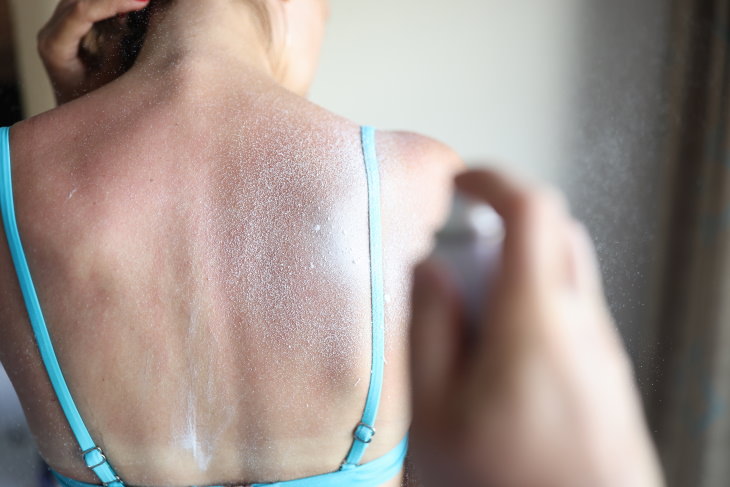
The Do’s and Don’ts of Healing a Sunburn woman with sunburn
A burning or stinging sensation is another common symptom of sunburn. The intensity will depend on the severity of the sunburn. People with mild sunburns may feel that their skin is hot to the touch whereas those with blistering sunburns may experience severe pain, stinging, and burning.

DO Take an Oatmeal Bath 
 
Colloidal oatmeal baths are an excellent remedy for any dry or inflammatory skin condition. Sunburns are no exception. The soothing and anti-inflammatory properties of oatmeal can reduce pain, burning, and swelling caused by a sunburn. 
 
Colloidal oatmeal, or Avena sativa, is a powder made from finely ground and boiled oats. Preparing a colloidal oatmeal bath is easy: simply pour an appropriate amount of the colloidal oatmeal in lukewarm water and soak for 10-15 minutes in the bath, making sure that all the affected areas are submerged in water. You can also make your own oatmeal powder by grinding up 1 cup of oats in a spice grinder until completely fine and smooth. 
 
 
DON’T Apply Ice Directly to the Sunburn 
 
A cold compress, a cool shower, or a lukewarm bath can feel wonderful when your entire body is aching, and all of these are certainly beneficial. However, applying ice directly onto the burn may compromise your skin, cause pain, and extend the healing time. So, wrap a cold pad or a bag in a cloth or towel and then apply it to the sunburn instead.

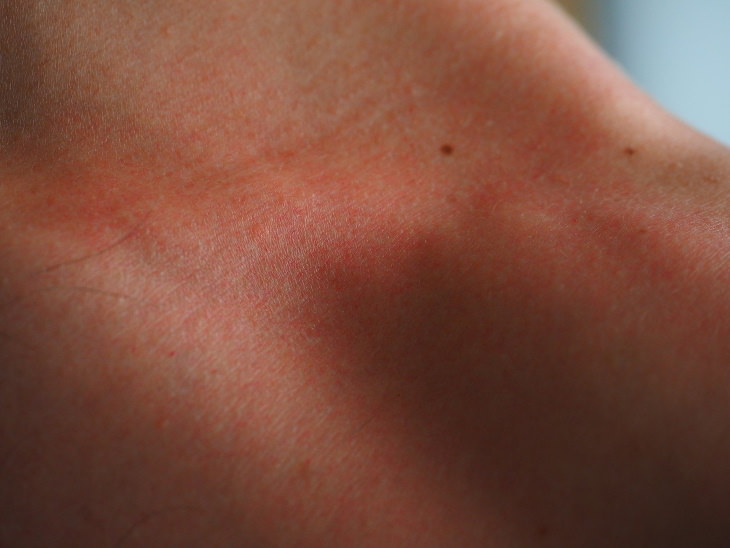
3. Redness The Do’s and Don’ts of Healing a Sunburn Redness
 
Redness is one of the first symptoms of sunburn. We’ve all experienced this: you take a shower after a day at the beach, walk up to a mirror, and see that your nose is red, your cheeks are pink, and your shoulders have red blotches in places where your T-shirt or bathing suit didn’t cover them.

Do continue using a sunscreen
 
If you don’t see any blisters or pain when you touch the areas that are red, you may think that you finally got your “base tan” and can now walk sunscreen-free. This is a myth, as even when your skin becomes tan, it will continue being damaged and burned by the sun. So, even if your skin is pink, red, or tan, you must continue applying sunscreen, especially now that your skin is already damaged by the sun.
You can moisturize first and apply sunscreen over your moisturizer if you feel like the sunscreen is drying out your skin.

Don't Exfoliate or Scrub the Skin
 
Using a nice loofah, body scrub, or chemical exfoliator may sound like a good idea when you’re recovering from a sunburn. After all, these products help buff out the burned skin faster, right? Not quite. Actually, all exfoliating treatments make your skin more vulnerable to the sun and can irritate and damage the already sensitive sunburnt skin.
You can only return to your exfoliating treatments once your skin has recovered completely, or at least a week, before using any of these products.


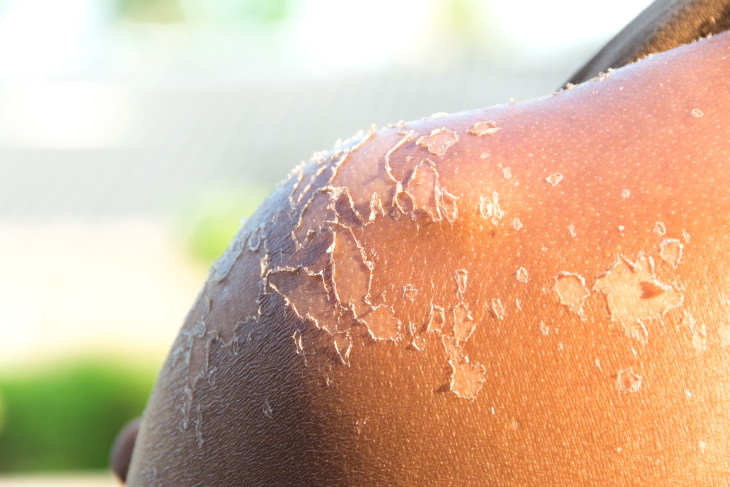
4. PeelingThe Do’s and Don’ts of Healing a Sunburn Peeling 

You should know that skin peeling and flaking are a sign of severe sunburn, so be very gentle with your skin. Do not try to pick, peel, or scratch the affected area, as this increases the risk of scarring and infection. Let your skin recover and renew itself.
DO Take Anti-Inflammatory Drugs When Necessary 
 
A sunburn that peels is most likely accompanied by a lot of pain and a burning sensation on the skin, both of which are a sign that your skin is inflamed. In these cases, it’s legitimate to take any kind of non-steroidal anti-inflammatory medication (NSAID), such as ibuprofen or aspirin for a day or two. The medication will relieve the pain and soothe the skin.
Anti-inflammatory creams work well, too, just make sure to avoid petroleum and oil-based creams, just like a moisturizer. 
 
DON’T Wear Tight Clothes 
 
Let your skin breathe and avoid tight clothes if your skin is sunburned. According to Shereen Idriss, a dermatologist at Union Square Laser Dermatology in New York, “Your body is trying to respond to the trauma by increasing blood flow to the area to help with healing. This results in redness, warmth, and inflammation to the area.” Tight clothing can worsen the immune response and increases swelling and blisters.  
 
 
5. Blisters 
It’s very unfortunate and extremely painful when your skin develops blisters after sun exposure. If this happens, it means that you have a second-degree burn, which is a really severe sunburn. This type of burn will take longer to heal and has a higher chance of developing an infection, so you should observe and protect it constantly.
DO Know When to Contact a Doctor 
 
Second-degree sunburns often require professional care. According to the Mayo Clinic, if you experience any of the following symptoms, seek professional help: 
 
-You have large blisters, or blisters on the face, hands, or genitals. 
 
-The blisters are painful or filled with pus. 
 
-Your experience severe swelling. 
 
-Your symptoms don’t improve over a few days. In some cases, you may even need to go to the hospital. 
 
These are the signs that a sunburn requires urgent medical care: 
 -High fever - 39°C (103°F) and higher. 
 
-Fainting 
 
-Confusion 
 
-Dehydration. 
 
Do not ignore any of these symptoms and seek appropriate professional help as soon as possible. 
 
 DON’T Pop the Blisters 
 
Similar to not peeling your skin after a sunburn, you should never pop sunburn blisters. If you have developed blisters as a result of sunburn, wear loose clothing to avoid applying pressure onto the blisters, too. The fluid in the blister actually serves a very important role - it is protecting the wound underneath the blister and helps the skin heal itself sooner. 
 
Tips for Preventing a Sunburn 
 
Mild, intermediate, or severe - all sunburns are no fun. Most importantly, though, they increase your risk of developing skin cancer, so when it comes to sunburns, the best treatment is prevention. Here are a few tips to help you prevent a sunburn: 
 
1. Avoid the sun during peak hours - from 10 AM to 4 PM - whenever possible. If you must go outside during peak sun, try to spend most of the time in the shade.

2. Cover visible areas of your body with sunscreen every day. The sunscreen should be broad-spectrum and at least SPF 30. Don’t forget to cover your ears, the tops of the feet, lips, and the back of the neck with sunscreen. When you’re outside, reapply sunscreen every 2 hours because the creams get rubbed off or melt away with sweat, so you will get worse protection after a couple of hours.
 
3. Wear protective clothing - wide-brimmed sun hats, pants, long-sleeved shirts, sunglasses, and closed shoes - when you go outside or when you’re driving. A common type of sunburn occurs on the tops of the hands while driving, for example, so make sure to protect your hands. Stay out of the sun and be safe!

This is only for your information, kindly take the advice of your doctor for medicines, exercises and so on.   


Labels: , , , , , , , , , , , ,

Monday, March 07, 2022

Except for joints, Arthritis red flag can also appear on the face: some warning signs

Arthritis is a relatively common inflammatory joint disease that produces pain and swelling. Symptoms may manifest in locations other than the joints, including the face.

Osteoarthritis is the most common type of inflammatory joint disease, accounting for 90% of cases. Rheumatoid arthritis is a less prevalent kind of arthritis. 

The distinction between the two is that osteoarthritis occurs when the cartilage joint wears out, but rheumatoid arthritis is an autoimmune illness in which the body’s immune system assaults it.

Rheumatoid arthritis, like other types of arthritis, primarily affects the joints.

Other symptoms, on the other hand, can affect different parts of the body.

For instance, if these sites get infected, a patient may suffer from dry eyes or chest pain.

Tiredness, lack of energy, a high temperature, sweating, a poor appetite, and weight loss are some of the non-joint symptoms of rheumatoid arthritis.

Rheumatoid arthritis can produce a number of issues in addition to lowering the quality of life.

It can raise a person’s risk of getting carpal tunnel syndrome, a disorder in which nerves in the wrist are compressed.

Aching, numbness, and tingling in the thumb, fingers, or other parts of the hand are common symptoms.

Rheumatoid arthritis can cause widespread inflammation, joint degeneration, cardiovascular illness, and cervical myelopathy, among other things.

Unfortunately, there is no cure for rheumatoid arthritis, although it can be managed with medications that reduce inflammation and pain.


This is only for your information, kindly take the advice of your doctor for medicines, exercises and so on.   

https://gscrochetdesigns.blogspot.com. one can see my crochet creations  
https://gseasyrecipes.blogspot.com. feel free to view for easy, simple and healthy recipes    
https://kneereplacement-stickclub.blogspot.com. for info on knee replacement


Labels: , , , , , , , , , , , ,