Myth or Fact? What's True about Pneumonia?
Pneumonia is a prevalent respiratory
infection that affects millions of people worldwide. According to the
World Health Organization (WHO), pneumonia causes inflammation in the
air sacs, known as alveoli, in either one or both lungs. When these
alveoli become filled with pus or fluid, it hampers the intake of
oxygen, leading to breathing difficulties. Pneumonia happens when the
organism overwhelms the host's immunity, resulting in lung damage and
compromised lung function.
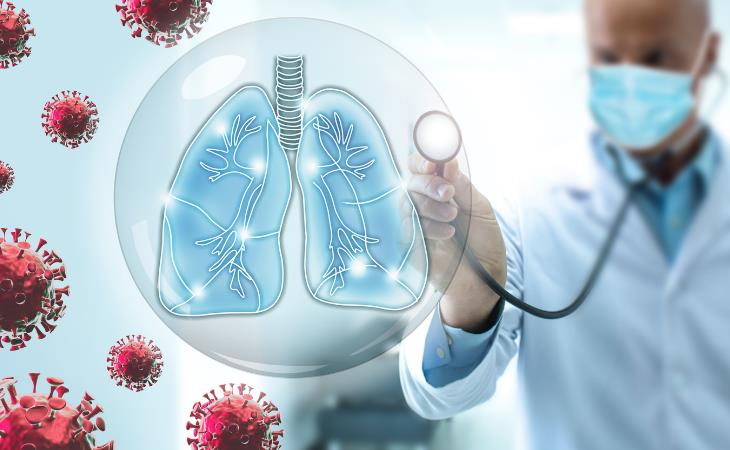
Common symptoms include a dry cough or
thick yellow, green, or blood-stained mucus, a high fever, trouble
breathing, acute chest discomfort, sweating, and shaking. Experts
believe that early detection and annual immunizations can help minimize
the chance of acquiring pneumonia and the severity of the condition.
Even though pneumonia is so widespread and
can strike anywhere and anytime, there are various myths and
misconceptions about it. These myths can lead to misunderstandings
regarding the disease's etiology, symptoms, and prevention. By
addressing some common pneumonia myths in this article, we hope to
increase awareness and understanding of this disease.
Myth 1: Pneumonia is just a severe form of common cold
While there is some overlap in symptoms, it
is important to distinguish pneumonia from the common cold. Colds are
viral infections of the upper respiratory tract, as opposed to
pneumonia, which is an infection of the lung parenchyma - a complex
network of thin-walled alveoli that facilitate gas exchange. In addition
to the usual cold symptoms, pneumonia can cause difficulty breathing,
fever with chills, and the expectoration of phlegm, mucus, or blood.
Furthermore, the approaches to treating pneumonia and the common cold
differ.
The common cold usually affects the upper
respiratory tract rather than the lungs, resulting in normal oxygen
levels in the lungs and a milder duration of sickness. In contrast,
pneumonia poses a greater threat, especially for people with compromised
immune systems, and its symptoms are more severe and persistent than
the typical cold. Seeking medical advice is crucial when experiencing
persistent flu-like symptoms.
Myth 2: Pneumonia is highly contagious
Generally, pneumonia is not considered
contagious in isolation; its transmissibility depends on the specific
germ responsible for the infection. Viruses like influenza (flu) and
COVID-19, or bacteria from sinus infections, can spread through
respiratory droplets when an infected person sneezes, coughs, or
contaminates surfaces.

Aspiration pneumonia results from inhaling
food, liquid, vomit, or objects into the lungs, which must be
distinguished from non-contagious pneumonias such as fungal pneumonia.
To reduce the risk of pneumonia, it is imperative to take precautions
against the transmission of underlying infections. This includes
observing practices like regular handwashing, practicing proper cough
and sneeze etiquette, and avoiding contact with individuals exhibiting
symptoms of illness.
Myth 3: Bronchitis and pneumonia are the same disease
Although bronchitis and pneumonia can occur
simultaneously, they target different segments of the respiratory
system. Bronchitis leads to inflammation in the lung tubes, whereas
pneumonia impacts the lung tissue responsible for oxygen absorption into
the bloodstream. A precise diagnosis, often assisted by medical tests,
is required for proper treatment.
Myth 4: Pneumonia only affects children
Pneumonia is an infection that can affect
individuals across all age groups. Young children and the elderly tend
to be more susceptible to this disease, possibly due to the
underdeveloped immune systems in children and the compromised immunity
in older individuals, often compounded by comorbid conditions such as
high blood pressure, diabetes, and obesity. Those over 65 years old with
pneumonia are particularly at a heightened risk of facing
complications, hospitalization, and mortality.
Myth 5: Pneumonia only happens in winter
Although pneumonia, the flu, and RSV are more prevalent in the colder
months, medical experts clarify that pneumonia can occur at any time.
Pneumonia-causing germs persist year-round, so we must adopt preventive
measures for overall well-being.
Myth 6: Antibiotics cure all types of pneumonia
Antibiotics are effective against bacterial
pneumonia but not against viral pneumonia. Your healthcare provider
will prescribe the most appropriate treatment depending on the specific
cause of your pneumonia. It's crucial to avoid taking antibiotics
unnecessarily, as this can lead to antibiotic resistance. If you have
viral pneumonia, your doctor will most likely guide you on how to manage
your symptoms at home, which may include over-the-counter (OTC)
medications.
In the case of bacterial infections, you must complete the entire course
of antibiotics as prescribed by your healthcare provider. If you have
fungal pneumonia, your provider may use anti-fungal medication to
eliminate or prevent the growth of harmful fungi in your body.
Hospitalization may be necessary if your symptoms are severe.
Myth 7: Pneumonia poses no risk to healthy people
A healthy person can get pneumonia if they
are exposed to the pneumonia-causing organism for an extended period of
time, although this is rare. When a healthy person's immunity is
overcome by the pneumonia-causing bacterium, pneumonia may develop. In
healthy people, the mild nature of pneumonia helps facilitate a faster
recovery. The American Lung Association warns that, while most people
recover from pneumonia within a few weeks, it can potentially be fatal.
Myth 8: Pneumonia cannot be prevented
Pneumonia can be effectively prevented
through various means. This includes receiving flu shots and annual
influenza vaccines, which significantly lower the likelihood of
contracting pneumonia. Additionally, antibiotics are often prescribed
for pneumonia treatment. High-risk individuals can further reduce their
risk by receiving the pneumococcal conjugate vaccine (PCV13), followed
by the pneumococcal polysaccharide vaccine (PPSV23), particularly
effective against Streptococcus pneumoniae, the most common bacterial
culprit of pneumonia. These vaccines are routinely recommended for
children, the elderly, and those with compromised immune systems.
Maintaining well-controlled comorbidities, such as diabetes, also plays a
crucial role in reducing susceptibility to pneumonia.
Handwashing with soap, according to a 2005
study published in The Lancet medical journal, can reduce the incidence
of pneumonia in children under the age of five by 50%. Adopting a
healthy lifestyle, engaging in regular physical activity, having a
balanced diet, stopping smoking, getting enough sleep, and wearing masks
in public areas all help to prevent pneumonia.
This is only for your information, kindly take the advice of your doctor for medicines, exercises and so on.
https://gscrochetdesigns.blogspot.com. one can see my crochet creations
https://gseasyrecipes.blogspot.com. feel free to view for easy, simple and healthy recipes
https://kneereplacement-stickclub.blogspot.com. for info on knee replacement
https://GSiyers home remedies.blogspot.com is the latest addition to my blogs
Labels: antibiotic- effective only vs bacterial, can affect anyone, dry cough, high fever, inflammation of alveoli, mucus-blood stained, pneumonia, trouble breathing
posted by G S Iyer at 6:15 AM
0 comments
