Monday, September 15, 2025

Myth or Fact? What's True about Pneumonia?

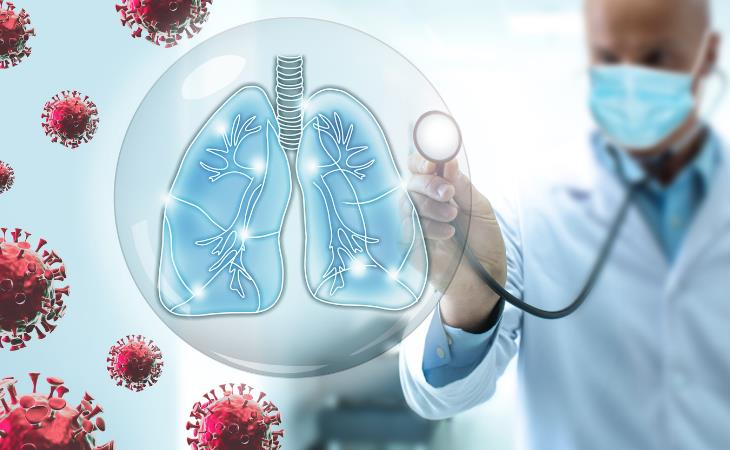
Pneumonia is a prevalent respiratory infection that affects millions of people worldwide. According to the World Health Organization (WHO), pneumonia causes inflammation in the air sacs, known as alveoli, in either one or both lungs. When these alveoli become filled with pus or fluid, it hampers the intake of oxygen, leading to breathing difficulties. Pneumonia happens when the organism overwhelms the host's immunity, resulting in lung damage and compromised lung function.
Pneumonia

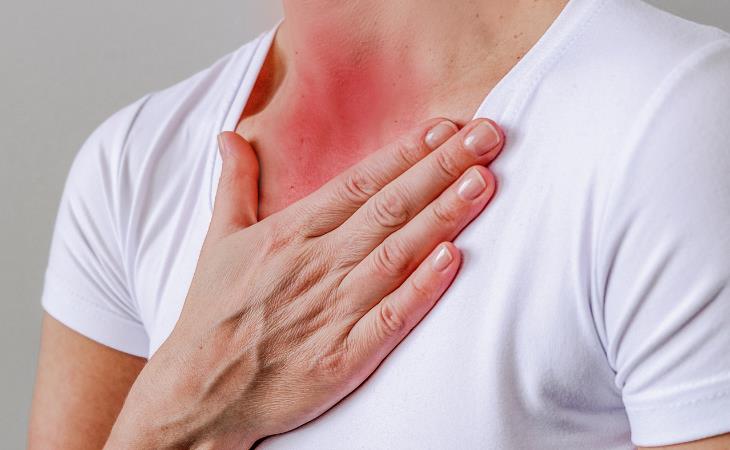
Common symptoms include a dry cough or thick yellow, green, or blood-stained mucus, a high fever, trouble breathing, acute chest discomfort, sweating, and shaking. Experts believe that early detection and annual immunizations can help minimize the chance of acquiring pneumonia and the severity of the condition.

Even though pneumonia is so widespread and can strike anywhere and anytime, there are various myths and misconceptions about it. These myths can lead to misunderstandings regarding the disease's etiology, symptoms, and prevention. By addressing some common pneumonia myths in this article, we hope to increase awareness and understanding of this disease.
Myth 1: Pneumonia is just a severe form of common cold
 
coughing
While there is some overlap in symptoms, it is important to distinguish pneumonia from the common cold. Colds are viral infections of the upper respiratory tract, as opposed to pneumonia, which is an infection of the lung parenchyma - a complex network of thin-walled alveoli that facilitate gas exchange. In addition to the usual cold symptoms, pneumonia can cause difficulty breathing, fever with chills, and the expectoration of phlegm, mucus, or blood. Furthermore, the approaches to treating pneumonia and the common cold differ.

The common cold usually affects the upper respiratory tract rather than the lungs, resulting in normal oxygen levels in the lungs and a milder duration of sickness. In contrast, pneumonia poses a greater threat, especially for people with compromised immune systems, and its symptoms are more severe and persistent than the typical cold. Seeking medical advice is crucial when experiencing persistent flu-like symptoms. 
 
Myth 2: Pneumonia is highly contagious

Generally, pneumonia is not considered contagious in isolation; its transmissibility depends on the specific germ responsible for the infection. Viruses like influenza (flu) and COVID-19, or bacteria from sinus infections, can spread through respiratory droplets when an infected person sneezes, coughs, or contaminates surfaces. 
Aspiration pneumonia results from inhaling food, liquid, vomit, or objects into the lungs, which must be distinguished from non-contagious pneumonias such as fungal pneumonia. 
 
To reduce the risk of pneumonia, it is imperative to take precautions against the transmission of underlying infections. This includes observing practices like regular handwashing, practicing proper cough and sneeze etiquette, and avoiding contact with individuals exhibiting symptoms of illness. 
 
Myth 3: Bronchitis and pneumonia are the same disease
 
Bronchitis
Although bronchitis and pneumonia can occur simultaneously, they target different segments of the respiratory system. Bronchitis leads to inflammation in the lung tubes, whereas pneumonia impacts the lung tissue responsible for oxygen absorption into the bloodstream. A precise diagnosis, often assisted by medical tests, is required for proper treatment. 
 
Myth 4: Pneumonia only affects children
Pneumonia is an infection that can affect individuals across all age groups. Young children and the elderly tend to be more susceptible to this disease, possibly due to the underdeveloped immune systems in children and the compromised immunity in older individuals, often compounded by comorbid conditions such as high blood pressure, diabetes, and obesity. Those over 65 years old with pneumonia are particularly at a heightened risk of facing complications, hospitalization, and mortality.


Myth 5: Pneumonia only happens in winter 
Although pneumonia, the flu, and RSV are more prevalent in the colder months, medical experts clarify that pneumonia can occur at any time. Pneumonia-causing germs persist year-round, so we must adopt preventive measures for overall well-being.

Myth 6: Antibiotics cure all types of pneumonia
Antibiotics are effective against bacterial pneumonia but not against viral pneumonia. Your healthcare provider will prescribe the most appropriate treatment depending on the specific cause of your pneumonia. It's crucial to avoid taking antibiotics unnecessarily, as this can lead to antibiotic resistance. If you have viral pneumonia, your doctor will most likely guide you on how to manage your symptoms at home, which may include over-the-counter (OTC) medications.
 
 In the case of bacterial infections, you must complete the entire course of antibiotics as prescribed by your healthcare provider. If you have fungal pneumonia, your provider may use anti-fungal medication to eliminate or prevent the growth of harmful fungi in your body. Hospitalization may be necessary if your symptoms are severe.
 
Myth 7: Pneumonia poses no risk to healthy people
A healthy person can get pneumonia if they are exposed to the pneumonia-causing organism for an extended period of time, although this is rare. When a healthy person's immunity is overcome by the pneumonia-causing bacterium, pneumonia may develop. In healthy people, the mild nature of pneumonia helps facilitate a faster recovery. The American Lung Association warns that, while most people recover from pneumonia within a few weeks, it can potentially be fatal. 
 
 
Myth 8: Pneumonia cannot be prevented
Pneumonia can be effectively prevented through various means. This includes receiving flu shots and annual influenza vaccines, which significantly lower the likelihood of contracting pneumonia. Additionally, antibiotics are often prescribed for pneumonia treatment. High-risk individuals can further reduce their risk by receiving the pneumococcal conjugate vaccine (PCV13), followed by the pneumococcal polysaccharide vaccine (PPSV23), particularly effective against Streptococcus pneumoniae, the most common bacterial culprit of pneumonia. These vaccines are routinely recommended for children, the elderly, and those with compromised immune systems. Maintaining well-controlled comorbidities, such as diabetes, also plays a crucial role in reducing susceptibility to pneumonia.

Handwashing with soap, according to a 2005 study published in The Lancet medical journal, can reduce the incidence of pneumonia in children under the age of five by 50%. Adopting a healthy lifestyle, engaging in regular physical activity, having a balanced diet, stopping smoking, getting enough sleep, and wearing masks in public areas all help to prevent pneumonia.


This is only for your information, kindly take the advice of your doctor for medicines, exercises and so on.   

https://gscrochetdesigns.blogspot.com. one can see my crochet creations  
https://gseasyrecipes.blogspot.com. feel free to view for easy, simple and healthy recipes    
https://kneereplacement-stickclub.blogspot.com. for info on knee replacement
https://GSiyers home remedies.blogspot.com   is the latest addition to my blogs


Labels: , , , , , , ,

Thursday, May 21, 2020

8 Rare and Strange Allergies

Have you ever disliked something so passionately you claimed to be allergic to it? ‘I’m allergic to the gym’ is only a joke for most people, but not from those who suffer from Exercise-induced anaphylaxis, an actual, diagnosed allergy to... exercise! Yes, this is a condition that actually exists. That and the rest of the strange allergies listed below, that are so rare and strange, they almost sound made up. Turns out, the things that seem the most obvious and ordinary could really pose a threat to others. 

1. Exercise
This type of allergy has been reported in medical literature only about 1,000 times since the 1970s. In its mild form, this rare condition may cause hives after exercising, but if one suffers from a severe form of the allergy, physical activity can lead to anaphylaxis, a dangerous condition in which your blood pressure drops suddenly and you have trouble breathing.
This reaction can be triggered by eating certain types of foods before exercising, such as peanuts, shellfish, tomatoes, corn, and wheat. However, anaphylaxis is not necessarily food-related and can also be triggered by humidity, extreme temperatures, and hormonal changes. In any case, sufferers of this allergy must always exercise with a partner, and will often carry an adrenaline shot with them, to be taken in case of an emergency.


2. Vibrations
For people who are physically allergic to vibrations, also known as vibratory urticaria, any contact with objects like a motorcycle, lawnmower, or a washing machine on full power can lead to an allergic reaction. That might include swelling, itching, headaches, and blurry vision. These symptoms aren’t life-threatening, but they definitely are a nuisance and they can happen several times a day.
Luckily the condition is extremely rare, and a recent study, conducted by the National Institute of Health, uncovered that there is a genetic reason for it. The study is significant because it can be applied to more common allergens as well, such as pollen and different foods.

3. Human Touch
For most people, there is nothing more comforting than a hug. But for people suffering from Dermographism, the situation is a bit different. Dermographism is yet another type of physical urticaria. The name literally translates to ‘skin writing’ because one’s skin becomes so sensitive to touch, they can write their name clearly on their skin with a fingernail.
Approximately five percent of the world population suffers from this condition, but they rarely seek medical help. The rash goes away on its own in 15 to 30 minutes from its appearance, and allergy medication can help ease the itching. 


4. Water
You know that feeling when you come out of a hot shower, and your skin feels scorched and reddish? People suffering from aquatic urticaria, or water allergy, feel that way after every shower. Changing the temperature has no impact, in fact, any contact with water - like getting caught in the rain or breaking a sweat - will cause an allergic outbreak.
In extreme cases, even drinking water can cause rashes around the mouth, inflammation in the throat, and difficulty in swallowing and breathing. Once the body dries, symptoms should fade away in 30 to 60 minutes. There is currently no cure for aquatic urticaria, but antihistamines can help alleviate symptoms, and in severe cases, a shot of adrenaline can be used to reduce swelling and hives.


5. Coins
If you get a rash on your hands from handling loose change, then you are probably allergic to nickel sulfate. People with such an allergy are also advised to stay away from jewelry, hairpins, lighters, and even certain door handles. As you can tell, all of these are very commons everyday objects.
As pestering as that may sound, the best thing sufferers from this allergy can do is avoid the aforementioned shiny items, take antihistamines after exposure, and perhaps apply a topical steroid creme when a rash develops.


6. Steak
Most people know ticks cause Lyme disease, but not many are aware that one certain tick, called the Lone Star tick, is to blame for developing an allergy to red meat. Galactose-alpha-1,3-galactose (alpha-gal) is a carbohydrate found in the cells of many animals that humans eat, like cows and pigs.
Once a tick bites a human after having bitten a mammal with that carbohydrate, the person’s body goes on to develop antibodies in response. Therefore, anytime that person consumed red meat this antibody response is triggered. No one is born with this condition, it can only be developed, and it’s more common in adults than children. Lone Star ticks are most prevalent in the eastern and southeastern United States.


7. Cold Temperature
Cold urticaria is very rare but potentially dangerous, in case a sufferer of the allergy is suddenly exposed to an extreme drop in temperature, for example, diving into icy water. Doctors confirm this uncommon condition by hilding an ice cube on a patient’s skin for several minutes and waiting for a reaction.
Managing this type of allergy mainly consists of prevention - avoiding the exposure of large areas of skin to the cold, and never swimming alone. 


8. Electricity
People who suffer from electrosensitivity claim they experience headaches, ringing in the ears, fatigue, and more every time they come near electrical fields. This condition is extremely difficult to manage nowadays since electrical fields are generated by cell phones, microwaves, computers, and power lines. Essentially all of the things that surround us and govern our lives daily.
The interesting part is that electrosensitivity is actually a highly controversial topic. Most people who suffer from it are self-diagnosed, and years of controlled studies have come up with no evidence that electromagnetic fields cause these symptoms. The World Health Organization claims electrosensitivity is not a medical diagnosis, despite many individuals fiercely claim the opposite. 


This is only for your information, kindly take the advice of your doctor for medicines, exercises and so on.     

https://gscrochetdesigns.blogspot.com. one can see my crochet creations  
https://gseasyrecipes.blogspot.com. feel free to view for easy, simple and healthy recipes    
https://kneereplacement-stickclub.blogspot.com. for info on knee replacement

Labels: , , , , , , , , , , ,

Wednesday, May 22, 2019

9 Questions for the Sleep Deprived

Everyone deserves a good night's sleep, but sometimes, for one reason or another, we cannot get the sleep that we require. If you are having difficulty getting to sleep each night, and want to get to the bottom of what could be causing it, you should ask yourself these 9 important questions. Then speak to your doctor about your options.
1. Am I Tossing and Turning?
Insomnia is the most common sleep disorder and becomes more frequent as we get older. Women are more likely to suffer from insomnia, especially within the setting of sleep apnea that occurs after menopause. For some reason, insomnia also seems to be more prevalent among those who are unemployed, single, or of low socioeconomic status.
2. Am I Having Trouble Breathing?
Someone who has sleep apnea may experience loud snoring, brief pauses in breathing, and intermittent gasping. During apnea attacks, the oxygen levels in the blood drops, the heart rate increases, and sleeps becomes disrupted, as the affected person wakes up in order to resume breathing. This can have serious consequences on sleep quality, daytime function, and overall health.
3. How Long Does it Take Me to Nod Off?
Sometimes our expectations regarding our sleep might be slightly misguided. The belief that we will fall asleep as soon as we retire to our beds is a bit misleading. Deadlines, responsibilities, anxiety, or even other health issues can all impact the rate at which we fall asleep.
4. Could I Have a Serious Issue?
Sometimes it can help, from a psychological as well as medical standpoint, to take a look at the long list of established sleep issues that could be hindering you. It may help if you can place a finger on the exact problem that is disturbing your sleep and preventing you from feeling refreshed.
5. Is My Child Getting Enough Shut-Eye?
When children don't get enough sleep, they are at risk of undermining their overall health. Researchers have hypothesized that sleep disruption could cause permanent damage to the area of the brain known as the hypothalamus - the area responsible for regulating appetite and energy expenditure.
6. Do I Have Trouble Waking Up?
Sleep paralysis is the inability to move or speak as one moves from sleep to wakefulness, without other findings that are characteristic of narcolepsy. No treatment is necessary, but avoiding sleep deprivation, stress, and other precipitants might be helpful.
7. Am I Tired by Mid-Day?
When it comes to reaping the benefits of taking a nap, it is all about experiencing the right stages of sleep. For example, if your nap takes you from stage one sleep (just drifting off) to stage two (the slowing down of brain activity), you will wake up feeling more alert and energized. However, if your nap takes you to stage three and four (deep sleep), you will wake up feeling groggy and tired.
8. Do I Get a Solid Night's Sleep?
If you get less than 7.5-8.5 hours of sleep each night, you may be operating under a sleep deficit. As a result, you may be prone to cognitive impairment, motor skill impairment, emotional irritability, weakened immunity, and weight gain.
9. Am I Dozing Off Too Fast?
You might think that you're a perfect sleeper if you nod off quickly or if you can fall asleep anywhere. However, being able to fall asleep fast could actually be a sign of an abnormality with your sleep.
THIS IS ONLY FOR INFORMATION, ALWAYS CONSULT YOU PHYSICIAN BEFORE HAVING ANY PARTICULAR FOOD/ MEDICATION/EXERCISE/OTHER REMEDIES.                                    PS- THOSE INTERESTED IN RECIPES ARE FREE TO  VIEW MY BLOG-                                                                                           https://gseasyrecipes.blogspot.com/    
                                                                                                                                                     FOR INFO ABOUT KNEE REPLACEMENT, YOU CAN VIEW MY BLOG-                                                  https:// kneereplacement-stickclub.blogspot.com/  

                            FOR CROCHET DESIGNS                                                                                                                                                                                                  https://gscrochetdesigns.blogspot.com
 

Labels: , , , , , , , , , ,

Monday, January 07, 2019

6 Reasons Your Joints Ache

Our joints ache if we've over-worked, or we've fever, or exposed to cold, or having arthritis and so on. If we know the cause of pain, then no need to worry, as we know rest, applying some ointment will help us to recover. But, if the pain persists, then it is better to see the physician to rule out the cause. There are instances, however, were your joints may hurt, and you may not know why. In these rare instances, your joint pain might be a signal that something pretty serious is going on, including the possibility of a sexually transmitted disease or an autoimmune disorder. Here are some possible reasons that could be making your joints sore:
 
1. Infectious (septic) arthritis
If you get a cut or puncture wound that you didn't clean well a nearby joint can get infected with common bacteria like Staphylococcus aureus or Streptococcus. Symptoms include an intense swelling and pain in the area. Fever and chills will likely follow. 
The knees tend to be the most commonly affected joint, but the hips, ankles and wrists are also possible targets. Treatment is required as you might need IV antibiotics and your doctor may need to drain fluid from the infected joint. If left untreated, septic arthritis can lead to full body-sepsis which can be fatal. 

2. Gout
achy joints
A diet that includes too much protein may also affect your joints. When you eat too much protein, your body produces a lot of uric acid. As the body is unable to excrete all of it, it may cause an intense inflammatory reaction. 
Known as gout, it is one of the most painful types of arthritis you can experience. Symptoms may include heat, swelling redness and pain that is hard to ignore. The pain usually starts off in your big toe which eventually spreads to other joints. Protein overload isn't the only contributing factor. Drinking too much alcohol or sugary drinks, dehydration and even certain types of medicines can cause gout. Being overweight also puts you at risk. 
3. Lyme disease
achy joints
An estimated 30,000 people are bitten by a tick each year, causing them to come down with this disease. The tick latches onto the skin, sucking blood out of the body. In doing so, your bloodstream can become infected. Early symptoms of Lyme disease includes fatigue, fever, headache and in many cases, a bull's eye rash. 
It tends to be difficult to diagnose if you're not in an area endemic to ticks. Consequently, if Lyme disease remains untreated, the bacteria can spread to your joints, particularly your knees. You may also develop neck stiffness and sore hands and feet. Over time, your heart and nervous system may also be affected. 
4. Lupus
This autoimmune disorder can cause pain in all your joints if left untreated. Lupus is the result of an overactive immune system which can mistakenly target your joints, skin, blood, kidneys and other organs. Aside from swollen, painful joints, symptoms also include a butterfly-shaped rash across your cheeks. Still, not all symptoms appear equally for everyone. Hair loss, trouble breathing, memory problems, mouth sores, as well as dry eyes and mouth can also be a sign of lupus. 
5.  Gonorrhea
It may come as a surprise to discover that this sexually transmitted disease (STD) doesn't just affect your genitals. It may cause problems on your joints too and can result in a painful condition known as gonococcal arthritis. It tends to affect women more so than men and is most common among sexually active teen girls. 
Alongside symptoms of the STD itself,which includes a burning sensation when you urinate or increased discharge in the penis or vagina, other symptoms include hot, red swollen joints - although several painful areas in large joints is not uncommon either.
6. Rheumatoid arthritis
achy joints
Rheumatoid arthritis is a different kind of wear and tear that commonly develops with age. Rather, it is an autoimmune disorder and is most common among women. In fact, statistics show that from the 1.3 million people in the US who have it, 75% are female. Tender, swollen joints and feeling stiff in the morning are classic RA symptoms. You may also experience fatigue, fever or unexplained weight loss. 
Joint pain cannot always be cured, though it can be treated. Some will require a course of antibiotics or other prescription medicine. Others may improve in their own with time and rest. Nevertheless, any lingering pain in your joints should be a good enough reason to check with your doctor. 
THIS IS ONLY FOR INFORMATION, ALWAYS CONSULT YOU PHYSICIAN BEFORE HAVING ANY PARTICULAR FOOD/ MEDICATION/EXERCISE/OTHER REMEDIES.                                                                                
 PS- THOSE INTERESTED IN RECIPES ARE FREE TO  VIEW MY BLOG-                                                                                           https://gseasyrecipes.blogspot.com/                                                                                                                                                                             FOR INFO ABOUT KNEE REPLACEMENT, YOU CAN VIEW MY BLOG-                                               
     https:// kneereplacement-stickclub.blogspot.com/                                                                                     
  FOR CROCHET DESIGNS                                                                                                                                                                                                              https://gscrochetdesigns.blogspot.com
  

Labels: , , , , , , , , , , ,

Sunday, December 16, 2018

Thyroid cancer early signs and symptoms to watch out for

There has been an alarming rise in the number of people diagnosed with thyroid cancer in India over the years, causing a great health concern.

Despite dramatic advancements made in diagnosis technologies, there continue to be multiple challenges as far as overall management of thyroid cancer is concerned. Hence, understanding the disease and its underlying causes is important, specifically, because people with the condition show no or very few symptoms.

Signs and symptoms of thyroid

Generally, people get to know that they have thyroid cancers while going for a routine examination of the neck or x-rays or other imaging scans that were performed for other reasons. As thyroid cancer grows, people may experience the following signs or symptoms: 

Swelling in the neck 

A lump in the front of the neck – near the Adam’s apple, that gets bigger over time. 

Pain in the neck and throat 

A sore throat that doesn’t get better 

Hoarseness or abnormal changes to your voice 

Difficulty swallowing 

Trouble breathing 

Persistent cough

The cause of thyroid cancer is not yet clear, but age, family history and radiation may play a role in development of the cancer.

If you have any of the symptoms mentioned above or are concerned about any changes you experience, seek medical help. Sometimes, these symptoms can be a result of other thyroid problems or other non-cancerous conditions, but it’s always safer to consult your doctor and be reassured.

This is even more important if diagnosis is cancer. Relieving the symptoms is a vital part of the care and treatment when it comes to cancer.

Who gets it?

Thyroid cancer is most commonly seen in women than in men. Even younger women - commonly between the ages of 35 and 40 years - are at risk of thyroid cancer (particularly papillary thyroid) although the disease generally affects middle-aged or older people.

THIS IS ONLY FOR INFORMATION, ALWAYS CONSULT YOU PHYSICIAN BEFORE HAVING ANY PARTICULAR FOOD/ MEDICATION/EXERCISE/OTHER REMEDIES.                                                                                                                                                                                                                                                                                        PS- THOSE INTERESTED IN RECIPES ARE FREE TO  VIEW MY BLOG-                                                                                           https://gseasyrecipes.blogspot.com/                                                                                                                                                                             FOR INFO ABOUT KNEE REPLACEMENT, YOU CAN VIEW MY BLOG-                                                                                                                             https:// kneereplacement-stickclub.blogspot.com/                                                                                       FOR CROCHET DESIGNS                                                                                                                                                                                                                                 https://gscrochetdesigns.blogspot.com    

Labels: , , , , , , , , , , ,