The Do’s and Don’ts of Healing a Sunburn
You’ve forgotten to apply sunscreen before
your daily walk? Or maybe, you underestimated how strong the sun is and
got carried away with yard work? Whatever the case may be, the damage is
now done, and you ended up with a sunburn. What you do next is very
important, as any mistakes can make the itching, redness, pain, and
peeling worse and prolong your recovery. These tips will aid you in
treating a sunburn the right way and alleviating your symptoms in no
time.
1. Itching 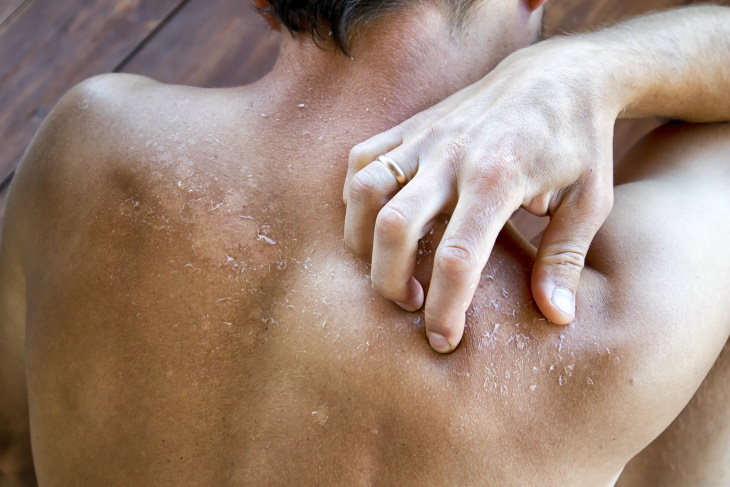
Even if your sunburn is mild, you could
experience some itching. This happens because the epidermis, the top
layer of the skin, is damaged by the sun’s rays. The inner layers of the
epidermis contain hundreds of nerve endings, which can be sensitized
when the skin is inflamed, and this may result in itching.
DO Thoroughly Moisturize Your Skin
One of the most important steps to healing irritated, sunburned, and
itchy skin is to protect and soothe it with a moisturizer. A good
moisturizer "brings down inflammation and helps skin repair," stated
Gary Goldenberg, MD, a dermatologist to the Insider. When choosing a
moisturizer or lotion, make sure to refrain from fragranced products
because they can further irritate the skin.
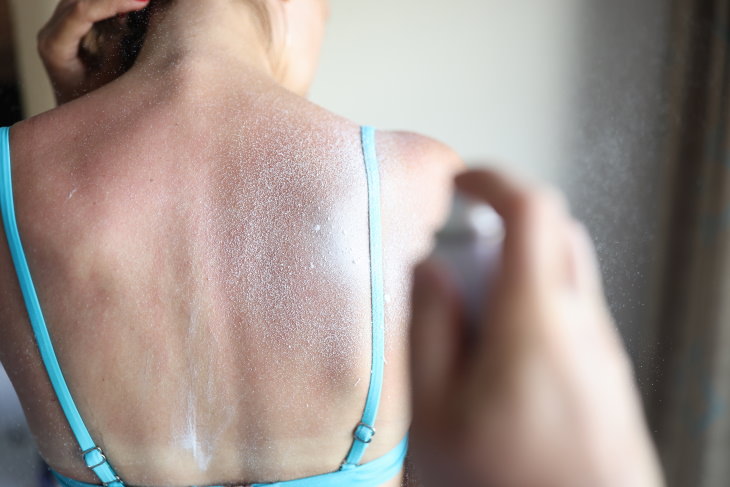
In addition, avoid thick creams or balms,
such as products that contain petroleum jelly or mineral oil, because
they trap the heat in the skin and may clog the pores. Apply an
unscented lightweight lotion, aloe vera gel, or a specialized sunburn
cream with hydrocortisone on clean skin right after showering. Reapply
several times a day, if needed.
DON’T Treat the Sunburn With Vinegar
Using an apple cider vinegar solution on a sunburn is a common natural
remedy, but dermatologists say that it could do more harm than good.
Vinegar, diluted or not, contains a high concentration of acetic acid,
lactic acid, citric acid, and malic acid. Using it on a sunburn will
seriously sting and compromise the already damaged skin even further.
According to Carol Cheng, a dermatologist and assistant clinical
professor at the Geffen School of Medicine at UCLA, applying vinegar to a
sunburn "may lead to a serious chemical burn." Needless to say, doing
so can cause severe pain, will delay the healing process, and may leave
scarring.
2. Burning or stinging
A burning or stinging sensation is another
common symptom of sunburn. The intensity will depend on the severity of
the sunburn. People with mild sunburns may feel that their skin is hot
to the touch whereas those with blistering sunburns may experience
severe pain, stinging, and burning.
DO Take an Oatmeal Bath
Colloidal oatmeal baths are an excellent remedy for any dry or
inflammatory skin condition. Sunburns are no exception. The soothing and
anti-inflammatory properties of oatmeal can reduce pain, burning, and
swelling caused by a sunburn.
Colloidal oatmeal, or Avena sativa, is a powder made from finely ground
and boiled oats. Preparing a colloidal oatmeal bath is easy: simply pour
an appropriate amount of the colloidal oatmeal in lukewarm water and
soak for 10-15 minutes in the bath, making sure that all the affected
areas are submerged in water. You can also make your own oatmeal powder
by grinding up 1 cup of oats in a spice grinder until completely fine
and smooth.
DON’T Apply Ice Directly to the Sunburn
A cold compress, a cool shower, or a lukewarm bath can feel wonderful
when your entire body is aching, and all of these are certainly
beneficial. However, applying ice directly onto the burn may compromise
your skin, cause pain, and extend the healing time. So, wrap a cold pad
or a bag in a cloth or towel and then apply it to the sunburn instead.
3. Redness 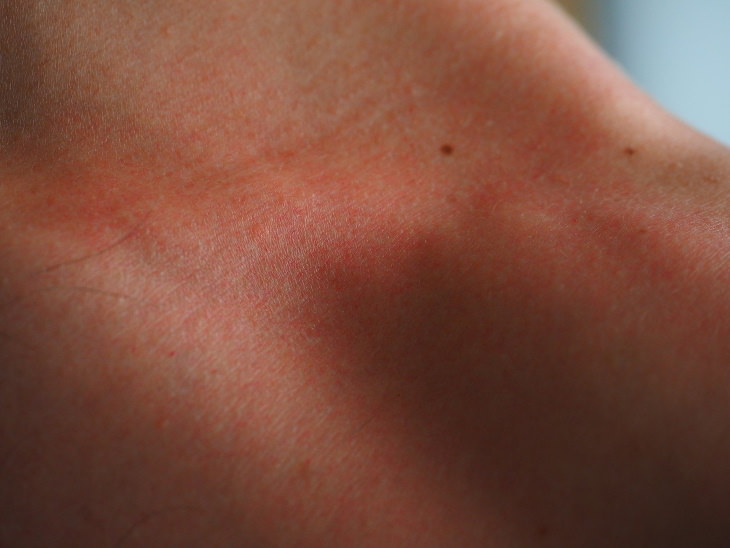
Redness is one of the first symptoms of
sunburn. We’ve all experienced this: you take a shower after a day at
the beach, walk up to a mirror, and see that your nose is red, your
cheeks are pink, and your shoulders have red blotches in places where
your T-shirt or bathing suit didn’t cover them.
Do continue using a sunscreen
Do continue using a sunscreen
If you don’t see any blisters or pain when
you touch the areas that are red, you may think that you finally got
your “base tan” and can now walk sunscreen-free. This is a myth, as even
when your skin becomes tan, it will continue being damaged and burned
by the sun. So, even if your skin is pink, red, or tan, you must
continue applying sunscreen, especially now that your skin is already
damaged by the sun.
You can moisturize first and apply sunscreen over your moisturizer if you feel like the sunscreen is drying out your skin.
Don't Exfoliate or Scrub the Skin
Don't Exfoliate or Scrub the Skin
Using a nice loofah, body scrub, or
chemical exfoliator may sound like a good idea when you’re recovering
from a sunburn. After all, these products help buff out the burned skin
faster, right? Not quite. Actually, all exfoliating treatments make your
skin more vulnerable to the sun and can irritate and damage the already
sensitive sunburnt skin.
You can only return to your exfoliating
treatments once your skin has recovered completely, or at least a week,
before using any of these products.
4. Peeling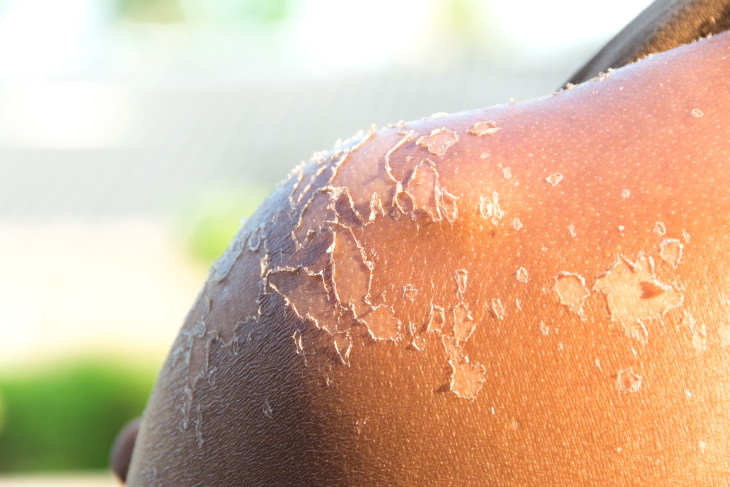
You should know that skin peeling and
flaking are a sign of severe sunburn, so be very gentle with your skin.
Do not try to pick, peel, or scratch the affected area, as this
increases the risk of scarring and infection. Let your skin recover and
renew itself.
DO Take Anti-Inflammatory Drugs When
Necessary
A sunburn that peels is most likely accompanied by a lot of pain and a
burning sensation on the skin, both of which are a sign that your skin
is inflamed. In these cases, it’s legitimate to take any kind of
non-steroidal anti-inflammatory medication (NSAID), such as ibuprofen or
aspirin for a day or two. The medication will relieve the pain and
soothe the skin.
Anti-inflammatory creams work well, too,
just make sure to avoid petroleum and oil-based creams, just like a
moisturizer.
DON’T Wear Tight Clothes
Let your skin breathe and avoid tight clothes if your skin is sunburned.
According to Shereen Idriss, a dermatologist at Union Square Laser
Dermatology in New York, “Your body is trying to respond to the trauma
by increasing blood flow to the area to help with healing. This results
in redness, warmth, and inflammation to the area.” Tight clothing can
worsen the immune response and increases swelling and blisters.
5. Blisters
It’s very unfortunate and extremely painful when your skin develops
blisters after sun exposure. If this happens, it means that you have a
second-degree burn, which is a really severe sunburn. This type of burn
will take longer to heal and has a higher chance of developing an
infection, so you should observe and protect it constantly.
DO Know When to Contact a Doctor
Second-degree sunburns often require professional care. According to the
Mayo Clinic, if you experience any of the following symptoms, seek
professional help:
-You have large blisters, or blisters on the face, hands, or genitals.
-The blisters are painful or filled with pus.
-Your experience severe swelling.
-Your symptoms don’t improve over a few days.
In some cases, you may even need to go to the hospital.
These are the
signs that a sunburn requires urgent medical care:
-High fever - 39°C (103°F) and higher.
-Fainting
-Confusion
-Dehydration.
Do not ignore any of these symptoms and seek appropriate professional
help as soon as possible.
DON’T Pop the Blisters
Similar to not peeling your skin after a sunburn, you should never pop
sunburn blisters. If you have developed blisters as a result of sunburn,
wear loose clothing to avoid applying pressure onto the blisters, too.
The fluid in the blister actually serves a very important role - it is
protecting the wound underneath the blister and helps the skin heal
itself sooner.
Tips for Preventing a Sunburn
Mild, intermediate, or severe - all sunburns are no fun. Most
importantly, though, they increase your risk of developing skin cancer,
so when it comes to sunburns, the best treatment is prevention. Here are
a few tips to help you prevent a sunburn:
1. Avoid the sun during peak hours - from 10 AM to 4 PM - whenever
possible. If you must go outside during peak sun, try to spend most of
the time in the shade.
2. Cover visible areas of your body with
sunscreen every day. The sunscreen should be broad-spectrum and at least
SPF 30. Don’t forget to cover your ears, the tops of the feet, lips,
and the back of the neck with sunscreen. When you’re outside, reapply
sunscreen every 2 hours because the creams get rubbed off or melt away
with sweat, so you will get worse protection after a couple of hours.
3. Wear protective clothing - wide-brimmed sun hats, pants, long-sleeved
shirts, sunglasses, and closed shoes - when you go outside or when
you’re driving. A common type of sunburn occurs on the tops of the hands
while driving, for example, so make sure to protect your hands. Stay
out of the sun and be safe!