Thursday, March 24, 2022

Remedy the Numbness in Your Feet with These Handy Tips

That feeling of numbness in your feet and toes can be caused by a variety of conditions. Numbness is often accompanied by a tingling feeling. The cause may not be serious - it can be as uncomplicated as paresthesia (your foot 'falling asleep'), however it my be as serious as diabetes, multiple sclerosis, or a symptom of a much more serious condition. Whatever the cause may be, it's essential to address the numbness in your feet. Avoiding to do so may affect your ability to walk.

Typical causes of numbness 
Numbness of the toes generally occurs due to conditions that affect the nerves or blood vessels of the foot. Most common causes of toe numbness include: 
Compressed nerves of the foot from footwear 
Injury to the foot 
Nerve damage (also known as neuropathy) 
Poor blood circulation to the foot, usually due to diabetes and peripheral vascular disease 
Irritation of nerves in the lower back (possibly due to a herniated disk)
 Frostbite 
Stroke 
Multiple sclerosis 
 Vasculitis (inflammation of the blood vessels) 
Once you and your doctor have identified what is causing the numbness in your toes, here's how you may go about resolving the issue:  
 
Method 1: Dealing with occasional numbness 
1. Exercise
Sitting or standing in one place for a long time may cause numbness. To counteract the problem, stimulate circulation in the foot by moving around. A short walk, or moving your foot as you are sitting down, will help too. In addition, bear in mind the following: 
 
To begin with, regular exercise can help prevent numbness. So be sure to incorporate physical activity into your daily schedule. 
 
If high impact exercises, such as jogging, causes numbness in the feet and toes, try lower impact exercises, such as swimming or cycling. 
 
Before you start your workout, be sure to stretch well, wear appropriate shoes and exercise on level surfaces.  
 
2. Change positions
numbness-in-feet
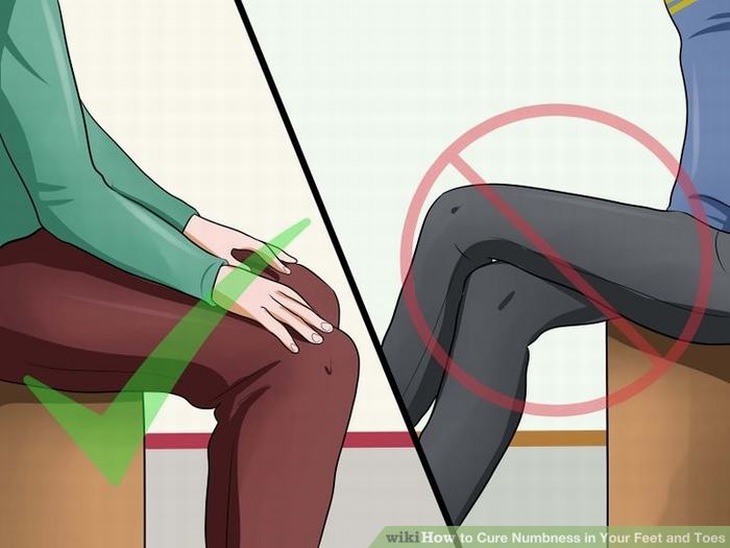
Certain sitting positions may cause numbness in your feet. Avoid sitting on your feet or crossing your legs for a long period of time. Should you sit for long hours, elevate your feet periodically to increase the blood flow. 
 
3. Avoid wearing excessively tight clothing
Pants, socks or other tight garments worn on the lower part of the body might restrict blood flow to the feet, causing numbness.  
 
4. Massage the foot
numbness-in-feet
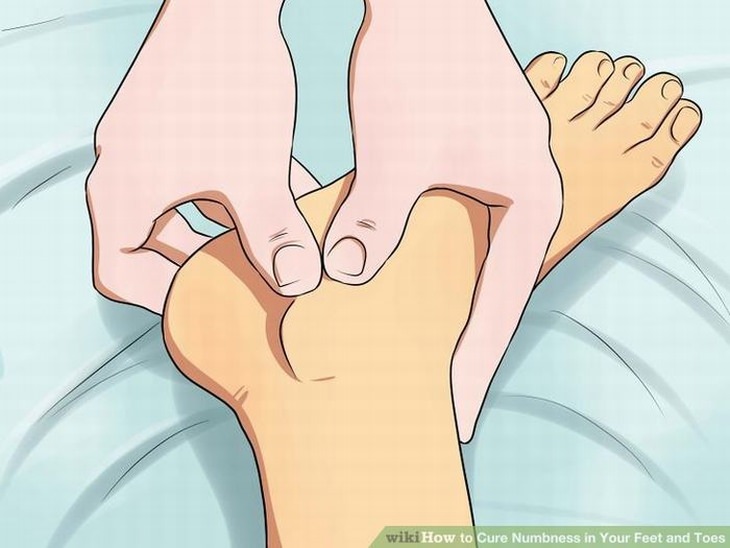
Massaging the area of the foot that feels numb will help increase circulation and reduce the effects of occasional numbness.  
 
 
5. Keep your feet warm
The cold may cause numbness and tingling. Reduce the effects by staying warm with a heating pad or heated blanket.  
 
6. Wear the right shoes
High heels or shoes that pinch the toes may cause numbness in the feet. This may also arise from wearing shoes that are too small for you, especially while exercising. Opt for comfortable shoes that fit you well. 
 
7. Book an appointment with your doctor
While occasional numbness in the feet or toes caused by an uncomfortable seating position or tight clothing is nothing to worry about, a visit to the doctor is essential if it occurs frequently or lasts for more than just a few minutes. 
 
Be sure to seek emergency treatment if your foot numbness is accompanied by symptoms such as weakness, paralysis, loss of bladder or bowel control, or slurring of speech. 
 
Pregnancy may also cause swelling in the feet and toes, which could result in numbness. In this case, be sure to follow your doctor's recommendations for relief of occasional numbness. 
 
Method 2: Dealing with Numbness Related to Diabetes 
 
1. Get a diagnosis numbness-in-feet
Chronic numbness in the feet and toes is often due to diabetes. The feeling of numbness occurs because it damages both the nerves and causes poor circulation in the feet. Numbness is usually one of the first symptoms of diabetes, so be sure to get tested immediately. It can be extremely serious for a diabetic, as they may not be able to feel pain, which may be caused by heat, punctures or blisters in the feet. 
 
In addition, due to the restriction of blood to the feet, diabetics' feet heal at a slower pace. Consequently, infection is a serious concern. 
 
2. Manage your diabetes
The best way to prevent circulation issues and neuropathy is to keep your blood glucose levels in check. Here are some ways to go about it: 
 
Check your blood sugar levels regularly. 
 
While the numbness in your feet may make it difficult to exercise, try to stay active. Aim for 30 minutes of exercise each day. 
 
Eat well. Opt for a healthy, balanced diet that includes fruits, vegetables, whole grains, beans, fish and low-fat dairy. Avoid food that triggers blood sugar spikes - primarily anything sweet. 
 
Take your prescribed medicine and insulin regularly. 
 
Smoking can make the symptoms of your diabetes worse. Ask your doctor how best to go about quitting. 
 
3. Lose weight
Obesity can be a contributing factor to numbness in the feet and toes. Consequently, losing weight will help alleviate the symptoms. In addition, it may also help lower blood pressure (which may also have an effect on the numbness).
 
4. Use products designed for diabetic foot care
Compression hose and socks help stimulate circulation, thereby decreasing numbness. Special lotions that contain capsaicin, may also be applied in order to relieve the numbness. 
 
5. Ask your doctor about alternative treatments
If nothing else seems to work, studies have shown positive results on relaxation techniques and biofeedback treatments, as well as anodyne therapy (a painkilling drug or medicine).  
 
Method 3: Dealing with chronic numbness, caused by other conditions 
 
1. Get treatment for injuries
Numbness can occur as a result of injuries to the feet, toes, ankles, head or spine. In which case, an orthopedist, neurologist or chiropractor may help treat the injury and relieve the numbness.  
 
2. Discuss any medications you are taking with your doctor
Numbness may also be caused by chemotherapy drugs and many other prescription drugs. If you experience numbness after starting a new medication, discuss the effects with your doctor. On this note, it is important to never stop taking your medication without talking to your doctor first.

3. Take vitamin supplements
Numbness may also be caused by a lack of vitamin B12 or other vitamins. In order to check your vitamin deficiencies, get a blood test and start taking the recommended supplements if need be. 
 
4. Take medication for chronic conditions
Numbness in your feet and toes may also be a symptom of a number of underlying conditions, including multiple sclerosis, arthritis, Lyme disease and more. In which case, it is important that you treat and take medication for the underlying condition. 
 
5. Reduce your alcohol consumption
A numbing sensation in the limbs, particularly the feet and toes, may also be caused by heavy alcohol consumption.


This is only for your information, kindly take the advice of your doctor for medicines, exercises and so on.   

https://gscrochetdesigns.blogspot.com. one can see my crochet creations  
https://gseasyrecipes.blogspot.com. feel free to view for easy, simple and healthy recipes    
https://kneereplacement-stickclub.blogspot.com. for info on knee replacement


Labels: , , , , , , , , , , , ,

Saturday, August 29, 2020

Stress can cause high blood sugar levels: 5 tips for diabetics to stay calm and healthy during COVID-19

We are aware of the fact that chronic stress can take a toll on our health. Yet, for people with diabetes, stress can be even more harmful as it blocks the body from releasing insulin, a hormone that regulates blood sugar levels. Chronic stress can also make you more vulnerable to respiratory illness. COVID-19 is a new and potentially serious disease caused by the novel coronavirus (SARS-CoV-2) that primarily attacks the respiratory system. Research has shown that people with diabetes and other chronic conditions are at high risk of severe illness and even death due to COVID-19.

Worries about coronavirus, lockdown and general disruption of lives, restricted regimens, etc, have certainly added to our stress levels. Studies suggest that stress can lead to a buildup of blood sugar in the bloodstream, which can have serious health implications. Disruption of lives and increased stress and anxiety levels due to the COVID-19 pandemic have resulted in a 20 per cent rise in blood sugar levels among diabetics, as per a report by Beato, a full-stack digital ecosystem for diabetes care and management. The results were derived from 8,200 diabetic patients across India.

Ways to reduce stress and manage blood sugar levels

High blood sugar levels can lead to a range of symptoms, ranging from exhaustion to heart disease. Eating a healthy diet and adopting other healthier habits can help control blood sugar and prevent complications due to diabetes. Here are five simple things diabetics can do to combat stress and manage blood sugar levels:

  1. Exercise: Exercising helps to reduce stress as well as provides several health benefits. Research has shown that doing aerobic exercise regularly decreases overall levels of tension, elevate and stabilise mood, improve sleep and self-esteem. According to Anxiety and Depression Association of America, doing just five minutes of aerobic exercise can stimulate anti-anxiety effects. Exercise of any kind can be beneficial for you.
  2. Take time to unwind: Practice relaxing mind-body activity like yoga, meditation, deep breathing exercises or tai chi to combat stress, improve and maintain mental health.
  3. Eat a balanced diet: A healthy, well-balanced diet can help prevent blood sugar spike, and even reverse diabetes, say experts. Focus more on fresh fruits and veggies that are colourful, high-fibre cereals made from wholegrains, high-quality protein sources (eggs, beans, low-fat dairy), fish, healthy fats from nuts, olive oil, flax seeds, etc. One of the best ways diabetics can do to lower glycemic load and improve the quality of diet is to follow the guidelines of the Mediterranean or other heart-healthy diets, as per HelpGuide. What’s more, a healthy diet rich in complex carbs, whole grains, fruits and veggies can help lower stress levels by inducing the brain to increase the production of serotonin and stabilise blood pressure.
  4. Include herbs and spices in your diet: Certain herbs and spices such as lavender, passionflower, Ashwagandha, basil, ginger, turmeric, garlic, etc, not only help fight stress and anxiety but can also benefit diabetes management.
  5. Seek medical help: If the above suggested tips do not seem to help and your stress is so bad, making you unable to function in your normal relationships or activities, talk to your physician or endocrinologist. Your doctor or endocrinologist can help you cope with excessive stress by collaborating with mental health professionals.

The bottom line is, stress can have a huge impact on your diabetes care. But there’s a lot you can do to manage stress and keep high blood sugar levels in check.


This is only for your information, kindly take the advice of your doctor for medicines, exercises and so on.     

https://gscrochetdesigns.blogspot.com. one can see my crochet creations  
https://gseasyrecipes.blogspot.com. feel free to view for easy, simple and healthy recipes    
https://kneereplacement-stickclub.blogspot.com. for info on knee replacement

Labels: , , , , , , ,

Wednesday, January 22, 2020

A Natural Eczema Cream That Will Soothe Itchy And Irritated Skin

Eczema is a chronic condition that affects over 30 million Americans! It can affect people differently, but the most common symptoms of eczema are itchy, dry, and inflamed patches of skin. The areas of skin affected by eczema can be large or small, and can occur just about anywhere on your body. It isn’t known exactly what causes eczema, but doctors suspect it’s a combination of genetics and environmental factors.

If you struggle with eczema, your best bet for improving your symptoms is to make healthy changes to your lifestyle. Eating whole foods, staying hydrated, exercising regularly, and getting a good night’s sleep each night are all great ways to help avoid eczema flare-ups. Eating more probiotic foods can be helpful too! (Get more details about probiotics by reading the post below.)


While healthy lifestyle changes, can help improve your eczema over time, they don’t help much in the short term. But that’s where today’s post comes in! Today I’ll show you how to make a simple and natural cream that can help you soothe your itchy and inflamed skin. The recipe contains shea butter and oats, which are both incredibly moisturizing ingredients with skin-calming properties, as well as healing lavender essential oil. Here’s how to make it!


Homemade Eczema Cream

Ingredients:

    1/2 cup coconut oil
    1/4 cup shea butter
    1/4 cup oats
    2 tsp vitamin E oil
    20 drops lavender essential oil
Directions:

Start by using a blender, food processor, or spice grinder to grind the oats. You want to grind them pretty finely, so that the oats are more of a powder.

Then, place the coconut oil and sheet butter in a glass bowl or a mason jar. Place the bowl or jar in a pan of gently simmering water, and wait until the oil and butter have melted completely.

Next, remove the melted mixture from heat and add in the powdered oats. Stir well to incorporate.


Then pour the vitamin E oil and lavender essential oil into the mixture, and stir again.


Once all the ingredients are well incorporated, pour the mixture into a small tin or container. Leave it out on the counter to solidify, or let it set up in your fridge. (If you live in a warm climate, you may want to keep storing your finished cream in your fridge, to ensure that it stays solid.)


One more note – the oatmeal bits will sink to the bottom of the container as your cream sets up. But don’t worry – you’ll still get all of the benefits of the oatmeal! When you use up enough of the cream that you start unearthing the solid oat bits, just whip up a new batch of cream.


This is only for your information, kindly take the advice of your doctor for medicines, exercises and so on.     
https://gscrochetdesigns.blogspot.com. one can see my crochet creations  
https://gseasyrecipes.blogspot.com. feel free to view for easy, simple and healthy recipes    
https://kneereplacement-stickclub.blogspot.com. for info on knee replacement


source-onegoodthing 

Labels: , , , , , , , , , , ,