Friday, December 27, 2024

What are Cardiovascular Diseases?

According to the World Health Organization (WHO), cardiovascular diseases (CVD) are the #1 cause of death in the world. In 2012, WHO estimates that 17.5 million people died of CVDs – that’s 31% of global mortality! CVDs are often left undetected because many people refuse to do something as simple as going to get checked out.

What are cardiovascular diseases?(CVD)

When cardiovascular diseases are mentioned, most people immediately think of heart attacks, but that’s just an acute event. A CVD is a condition where the heart cannot perform its job properly, and they include cardiomyopathy, coronary artery disease, and arrhythmia. Such conditions can prevent blood from reaching the brain, which can cause brain damage and even be fatal. 
 
Risk Factors for Cardiovascular Diseases

It’s like we’ve been told for years – an unhealthy diet, lack of exercise, tobacco use, alcohol abuse, as well as having genetic inclinations, are all risk factors for heart problems like CVDs. In extreme cases, they could also be a result of hypertension. 
 
 What are the Main Cardiovascular Diseases?  
Many heart diseases are left undiagnosed until the patient suffers a heart attack or stroke. Here is a list of the major CVDs and their symptoms: 
 
Clogged Arteries: When fat and cholesterol build up in your arteries, it forms a sticky barrier called “plaque,” which can restrict and even stop blood flow through those arteries. Clogged arteries often go unnoticed until a person suffers a heart attack. However, if you’re suffering from frequent chest pains (angina), you might be showing signs of a coronary arterial disease. 
 
Heart Attack: When a buildup of plaque breaks, it can cause a blood clot to form. If that clot blocks an artery, it chokes the blood supply to that area in your heart. Without blood, your heart doesn’t get the oxygen it needs to function, which can quickly damage the tissue in that area. The more extensive the damage, the more life-threatening it can be. 
 
The primary symptoms of a heart attack are: 
 
A feeling of discomfort that spreads to your arm, back, jaw, or throat 
 
Pain or pressure in your chest (more common in men) 
 
Fast or irregular heartbeats 
 
Weakness, shortness of breath, anxiety (more common in women) 
 
Nausea, heartburn, or indigestion (more common in women)​ 
 
Even if the symptoms are mild, it can be a serious medical emergency, so seek help immediately. (How to perform CPR)

Arrhythmia (Irregular Heartbeat): The heart is a biological machine that uses electrical impulses to work. Your heartbeat can slow down, quiver, or speed up if those impulses become erratic. If the arrhythmia is temporary, it poses no danger to your health, but regular arrhythmia affects your blood flow, which can be detrimental to your health. If you notice that your ticker is acting funny, talk to your doctor. ​ 
 
Cardiomyopathy (Heart Muscle Disease): Your heart is a muscle, and if it becomes weak for any reason, it starts struggling to pump blood to the rest of your body. Cardiomyopathy can be caused by diabetes, obesity, and high blood pressure, amongst other things, and can lead to heart failure. 
 
Heart Failure: This does not mean that your heart stopped working, but rather that it is too weak to send enough blood to the rest of your body. To compensate, the heart grows in size and the rhythm increases, but it also weakens the muscle and lowers the blood flow even more, which eventually makes the problem even worse.

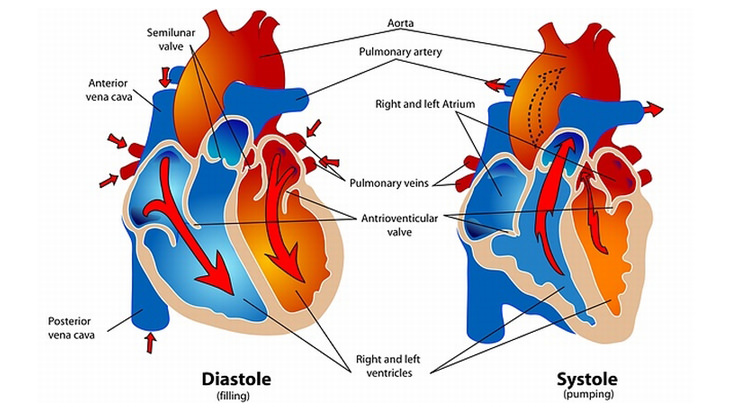
Congenital Heart Defects: The heart is comprised of four chambers, each separated by valves that regulate blood flow through it. Some people are born with a leaky valve, or the walls that separate each chamber might be damaged. Defects can lead to arrhythmia, infection of the valves, and heart failure. Congenital heart defects can often remain undiagnosed until adulthood, and not all of them require treatment. Severe cases will call for surgical intervention or medication.
If You Have Questions On Heart Disease, Answer Them Here

Sudden Cardiac Death: Unlike a heart attack, in this case, your heart’s electrical system goes on the fritz, which causes your heart to beat irregularly and very fast. In this situation, instead of pumping blood, the heart basically shakes and quivers. 
 
A person suffering from sudden cardiac death can die in minutes, but getting CPR can often save them, so call the EMTs immediately and start performing CPR on them. 
 
Testing for CVDs

EKG: Electrocardiogram is a painless test where the doctor places electrodes on your skin for a few minutes to measure your heart’s electrical activity. An EKG can also determine if you’re having a heart attack or have had one in the past, as well as determine the regularity of your heartbeat. 
 
Stress test: For this, you use a treadmill or stationary bike in a progressive workout while your heart is being monitored by an EKG. This will tell doctors how your heart works under stress. ​ 
 
Holter monitor: If your doctor suspects that your heart might be skipping a beat here and there, he’ll give you a Holter monitor to wear throughout the day. This device constantly measures the electrical activity of your heart to give your doctor more comprehensive data. 
 
 X-rays: By taking an X-ray of your chest, doctors can tell if your heart has an irregular shape or size. 
 
Echocardiogram: This is an ultrasound for your heart, and it shows your heart’s activity in real time, allowing doctors to spot possible issues with your pump. 
 
Cardiac CT: Cardiac computerized tomography takes detailed X-rays of your heart and blood vessels. This helps doctors find plaque or calcium buildups in your arteries, as well as valve problems and more. 
 
Cardiac Catheterization: A tiny tube is inserted into a blood vessel that leads to your heart, and the doctor then injects a dye into it, making any blockages visible on X-ray. 
 
Life with a Heart Disease 
Most heart diseases are long-lasting, and can sometimes be asymptomatic for years, but if left untreated – they will get progressively worse.

Once your disease has been diagnosed, it’s possible that your whole lifestyle will change. You may need to start taking pills daily to control your cholesterol, blood pressure, rhythm, heart rate, and for clot prevention. 
 
If you suffer from a blocked artery, you may need to go through surgical intervention to unblock it. Angioplasty is an operation where a doctor guides a catheter with a balloon into the blocked artery. When it reaches the blockage, the balloon is filled with air, opening the blockage. Your surgeon may also put in a small mesh tube to keep the artery open

More severe cases will call for bypass surgery, which involves taking a blood vessel from another part of your body and using it to replace the damaged blood vessel, thereby “bypassing” it. 
 
Whether you’ve been diagnosed with or treated for CVD, get on a cardiac rehab program. Specialists will help you with nutrition, exercises, and emotional support to help you get back on track.


This is only for your information, kindly take the advice of your doctor for medicines, exercises and so on.   

https://gscrochetdesigns.blogspot.com. one can see my crochet creations  
https://gseasyrecipes.blogspot.com. feel free to view for easy, simple and healthy recipes    
https://kneereplacement-stickclub.blogspot.com. for info on knee replacement
https://cancersupportindia.blogspot.com  for infor on cancer and health related topics
https://GSiyers home remedies.blogspot.com   is the latest addition to my blogs. I'm going to add posts there, do give me your valuable feed back on my blogs. Thanks a lot, take care, be healthy and be happy.

Labels: , , , , , , , , , , , , ,

Tuesday, May 14, 2024

New Nasal Spray May Treat Rapid Heartbeat Condition

 A nasal spray could soon provide quick relief for people experiencing sudden, rapid heartbeats. This innovative treatment is being developed by researchers at Weill Cornell Medicine, New York-Presbyterian Hospital, and may eliminate the need for patients to seek urgent medical treatment at the start of their symptoms. 

People with Paroxysmal supraventricular tachycardia (PSVT) experience sudden, rapid heart rate spikes due to extra electrical pathways connecting the upper and lower heart chambers. In PSVT, the heart's lower chambers briefly beat faster than 100 times per minute. 

Though generally not life-threatening, this condition can significantly impact one's quality of life, manifesting itself in symptoms like fainting, light-headedness, shortness of breath, dizziness, and heart palpitations. It's important to note that this condition can emerge at any stage of life and may be connected to diverse underlying factors, such as anxiety, cardiomyopathy, and pneumonia. 

As per the National Library of Medicine, this condition impacts a significant portion of the United States population, and is expected to affect nearly 7 million people by the year 2050.


Developing a safe and user-friendly first-line treatment for PSVT has been a longstanding objective in medical research. Presently, treatment options typically revolve around addressing the underlying causes of PSVT. This may involve prescribing beta blockers for cases linked to hyperthyroidism or utilizing surgical or catheter procedures to correct abnormal heart tissue. 
 
In milder cases, doctors may employ vagal maneuvers, a set of techniques that includes applying abdominal pressure, executing "bearing down" motions, and gently manipulating the carotid artery to soothe the vagus nerve. 
 
New Research Shows Promising Results 
In the latest research, published in the Journal of the American Heart Association, the research team built upon a prior randomized, placebo-controlled clinical trial involving etripamil. Etripamil, administered in nasal spray form, functions as a calcium channel blocker, similar to intravenous medications administered in hospitals. This medicine prevents calcium from entering heart and artery cells, causing relaxation and dilatation and, as a result, slowing the heart rate.
nasal spray

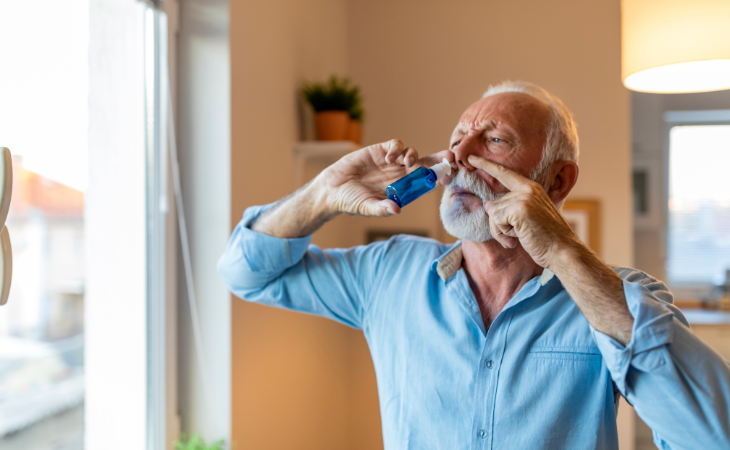
The nasal spray, which is suitable for on-the-go use and can be stored at room temperature, can be self-administered by individuals when necessary. Each cartridge has two doses and it is advised to administer one shot into each nostril. If the first dose fails to lower the heart rate, the second dose can be administered, as per the researchers. 
 
A study published in the journal Circulation: Arrhythmia and Electrophysiology last year concluded that self-administered etripamil is a reliable and efficient treatment option for PSVT episodes. Approximately 55 percent of patients successfully reverted to their normal heart rhythms within 30 minutes of taking etripamil, while only 35 percent experienced the same improvement with a placebo.

The most recent research examined how individuals would fare when using the drug in a practical setting, where they used it as needed, obtained refills, and reused it when their subsequent episodes occurred. Among the 169 participants who took part, 105 independently administered at least a single dose of etripamil over the study's duration, accounting for a combined total of 188 occurrences. Forty people were treated in two separate episodes. 
 
Among these, etripamil successfully reinstated regular heart rhythms within 30 minutes in approximately 60% of cases and within an hour in roughly 75% of cases. In the group that administered it twice, 63% regained normal heart rhythms within 30 minutes. However, approximately 25% of these individuals did not respond to the medication during either episode.


Future of Rapid Heartbeat Treatment 
While this study offers promise, it's important to recognize that more work, including subsequent research and eventual approval from the FDA, is necessary before this drug can be considered suitable for public use.
 
Currently, researchers are evaluating the nasal spray's effectiveness in treating children's heart ailments as well as other heart conditions, such as atrial fibrillation, which occurs when the upper chambers of the heart beat rapidly and irregularly.


This is only for your information, kindly take the advice of your doctor for medicines, exercises and so on.   

https://gscrochetdesigns.blogspot.com. one can see my crochet creations  
https://gseasyrecipes.blogspot.com. feel free to view for easy, simple and healthy recipes    
https://kneereplacement-stickclub.blogspot.com. for info on knee replacement
https://cancersupportindia.blogspot.com  for infor on cancer and health related topics
https://GSiyers home remedies.blogspot.com   is the latest addition to my blogs. I'm going to add posts there, do give me your valuable feed back on my blogs. Thanks a lot, take care, be healthy and be happy.
Labels: , , , , , , , ,

Monday, December 02, 2019

'Dead' heart brought back to life in pioneering transplant surgery

A desperately ill man's life has been saved after doctors gave him a transplant using a 'dead' heart they had brought back to life.

Medics used a pioneering piece of technology dubbed a 'heart in a box' which can keep a heart preserved and beating for up to eight hours.

Surgeons at Wythenshawe Hospital in Manchester carried out the successful transfer to Anthony Anderson.

The 58-year-old, from Swinton, was diagnosed with cardiomyopathy – a disease of the heart muscle – which left him in intensive care and he was placed on the urgent transplant list.

Speaking after the operation, Anthony said: 'When I got the call I felt very emotional – really happy, but of course sad that someone had to die to help me and I will be forever grateful to my donor.'

The renowned hospital is one of only four centres in the world to have carried out the revolutionary procedure.

Only a small handful of patients have so far undergone the treatment, the Manchester Evening News reports.

But doctors believe that it could potentially save countless more lives by allowing a greater number of donor hearts to be used for donation.


About 15 in every 100 patients die while on the waiting list for a heart transplant.

There is always a shortage of hearts and organs have to be transplanted very soon after the donor has died.

But doctors believe the new technology could help save countless more lives – by allowing allowing a greater number of donor hearts to be used for donation.

The team are 'out of this world'

Anthony first began feeling tired and suffering with palpitations in 2002, but overtime his symptoms worsened significantly and he was referred to Wythenshawe Hospital.

Just weeks after his transplant, Anthony was back at home, but continues to be monitored by the team.

He said: 'I think the transplant team at Wythenshawe Hospital are out of this world. I'm getting stronger every day and my plan is now to enjoy retirement with my wife Lisa, a paediatric nurse at Salford Royal.'

How it works

The revolutionary transplant technique was first devised a few years ago, but is not currently widely used.

Doctors are using a technology known as an the Transmedia Organ Care System to resuscitate previously unusable hearts.

It works by pumping blood round the heart to restore functionality. Once the heart is beating again, surgeons are able to assess the donor heart more extensively and reduce the risk of rejection. 

Rajamiyer Venkateswaran, director of transplantation and consultant cardiac surgeon at the hospital explained that this type of transplant is different because it uses a 'Donation After Circulatory Determined Death' (DCD) donor heart.


This is where the donor is not brain dead but has sustained severe brain injury

'In this scenario the treatment of the donor is withdrawn and allows cardiac arrest to happen,' he said.

'The heart is then retrieved from the donor and is resuscitated on the Organ Care System machine.

'I am so proud of our team at the Transplant Centre It is an amazing development as previously we would not have been able to use these hearts for transplantation.

Dr Venkateswaran said he hoped the new procedure will increase the hospital's 25 heart transplants a year by 20 per cent by using hearts from DCD donors.

The highly specialised OCS machine has been funded by a £125,000 donation by the New Start Charity.

Wythenshawe Hospital, run by the University Hopsital of South Manchester NHS Trust, has long been home to one of the UK's top cardiac centres and is home to world-leading experts in heart, lungs and chest surgery. 

this is only for your information, kindly take the advice of your doctor for medicines, exercises and so on.     
https://gscrochetdesigns.blogspot.com. one can see my crochet creations  
https://gseasyrecipes.blogspot.com. feel free to view for easy, simple and healthy recipes    
https://kneereplacement-stickclub.blogspot.com. for info on knee replacement


Labels: , , , , , , , ,

Thursday, April 05, 2018

Cardiomyopathy

Cardiomyopathy is a progressive disease of the myocardium, the heart muscle. The condition is either confined to the heart or is part of generalised systemic disorders. They often lead to cardiovascular death or progressive heart failure-related disability.

These diseases have many causes, signs and symptoms and treatments. The heart muscle either becomes enlarged, thick or rigid in cardiomyopathy. In rare cases, the muscle tissue is replaced with a scar tissue.

The main types of cardiomyopathy are dilated cardiomyopathy, hypertrophic cardiomyopathy, restrictive cardiomyopathy and arrhythmogenic right ventricular dysplasia.

Some other types of cardiomyopathy are called ‘unclassified cardiomyopathy’ and ‘stress-induced cardiomyopathy’, also known as broken heart syndrome.

Cardiomyopathy can be inherited i.e. a family history of cardiomyopathy, sudden cardiac arrest, or heart failure. Four in ten cardiomyopathies – a major cause of sudden cardiac death and heart failure in young people – are genetic, according to a study published today.

Often, the cause isn’t known and it can affect all ages and certain age groups are more likely to have certain types of cardiomyopathy, according to a Consultant Interventional Cardiologist.
  
Symptoms
People with cardiomyopathy never have signs or symptoms in the early stages of the disease. It usually occurs later as the heart weakens.

“The cardiac expression of these genetic diseases starts early in some patients,” said the first author of the study. “In others it is delayed for many decades – longer than previously thought.”

Symptoms such as – shortness of breath, fatigue, and light-headedness or dizziness, edema or swelling in the ankles, feet, legs, abdomen, and veins in the neck, fainting attacks during physical activity, arrhythmias (irregular heartbeats), chest pain, especially after physical exertion or heavy meals.

Medication
People with cardiomyopathy condition are prescribed medicines such as ACE inhibitors, angiotensin II receptor blockers, beta blockers, and calcium channel blockers to lower the blood pressure. Beta blockers, calcium channel blockers, and digoxin help in decreasing the heart rate.

An antiarrhythmic drug helps to keep the heart beating with a normal rhythm. Diuretics are used to remove excess fluid and sodium from the body. Anticoagulants – “blood thinners” helps to prevent blood clots. Blood thinners are often used to prevent blood clots from forming in people who have dilated cardiomyopathy.

Treatment
With proper lifestyle modification, one can lower the risk for diseases or conditions that may lead to or complicate cardiomyopathy. A healthy diet and physical activities are part of a healthy lifestyle. A healthy diet includes a variety of fruits, vegetables, and grains.
It is suggested to consume foods that are low in saturated fat, trans fat, and cholesterol. Salt intake should be reduced. Smoking and consumption of alcohol and illegal drugs should be avoided. Having a good sleep and rest will help in reducing stress.
It is also important to note that one should take proper measures to treat conditions such as diabetes and high blood pressure.

Treatment
People with cardiomyopathy should get medical advice before performing any kind of physical activities. Implanted devices mentioned below helps the heart work better. The goal of treatment is to help your heart be as efficient as possible and to prevent further damage and loss of function.

Pacemaker, a small device that’s placed under the skin helps to control arrhythmias. It uses electrical pulses to prompt the heart to beat at a normal rate.

Cardiac resynchronization therapy (CRT) device coordinates contractions between the heart’s left and right ventricles.

A left ventricular assist device (LVAD) helps the heart pump blood to the body. An LVAD can be used as a long-term therapy or as a short-term treatment for people who are waiting for a heart transplant.

An implantable cardioverter defibrillator (ICD) helps control life-threatening arrhythmias that may lead to a sudden cardiac arrest.

This small device is implanted in the chest or abdomen and connected to the heart with wires. If an ICD senses a dangerous change in heart rhythm, it will send an electric shock to the heart to restore a normal heartbeat.

Heart Transplant is considered as a last resort treatment for people whose condition has become so severe that all treatments have failed. 

THIS IS ONLY FOR INFORMATION, ALWAYS CONSULT YOU PHYSICIAN BEFORE HAVING ANY PARTICULAR FOOD/ MEDICATION/EXERCISE/OTHER REMEDIES.                                                                                                                                                                                                      PS- THOSE INTERESTED IN RECIPES ARE FREE TO VIEW MY BLOG-                                                                                           https://gseasyrecipes.blogspot.com/   
FOR INFO ABOUT KNEE REPLACEMENT, YOU CAN VIEW MY BLOG-                                                           https:// kneereplacement-stickclub.blogspot.com/                              
FOR CROCHET DESIGNS                                                                                                                                                                                                                                         https://my crochet creations.blogspot.com/


Labels: , , , , , , , , , ,

Wednesday, February 14, 2018

Can anyone die of a broken heart?

The day of love is Wednesday-14th February, but that brings up the questions, can you die of a broken heart?

Well actually, you can it's called Broken Heart Syndrome and it feels a little bit like a heart attack.
Broken Heart Syndrome is real and it tends to happen more in women than men according to a cardiologist.

The Dr. said he sees approximately one patient per week who may have this syndrome.

It's often due to emotional or physical stress as a result of losing someone or other traumatic issues.

The Dr. sees this syndrome more in women than men especially the older they age.

He explains that it is a form of cardiomyopathy which is the weakening of the heart muscle.

The Dr.  said the symptoms are very similar to a heart attack making it very difficult to diagnose. He said, "It's actually very difficult to diagnose. It presents just like a heart attack would. People present with chest pain, shortness of breath, or having passed out and when they present they often have ECG changes that look like a heart attack as well."

The Dr.  said the syndrome is treatable but there have been some known cases ending in death.
In many cases, Broken Heart Syndrome only lasts for a few weeks and those that have the syndrome once often never get it again. 

THIS IS ONLY FOR INFORMATION, ALWAYS CONSULT YOU PHYSICIAN BEFORE HAVING ANY PARTICULAR FOOD/ MEDICATION/EXERCISE/OTHER REMEDIES.    

PS- THOSE INTERESTED IN RECIPES ARE FREE TO VIEW MY BLOG-                      
HTTP:GSEASYRECIPES.BLOGSPOT.COM/
FOR INFO ABOUT KNEE REPLACEMENT, YOU CAN VIEW MY BLOG-                                                     
HTTP://KNEE REPLACEMENT-STICK CLUB.BLOGSPOT.COM/
FOR CROCHET DESIGNS

HTTP://MY CROCHET CREATIONS.BLOGSPOT.COM

Labels: , , , , , , , , , , , ,

Sunday, September 29, 2013

Now, an alternative for heart transplant

On 24 August this year, 42 year-old cardiac patient got a new lease of life when the Heartware Ventricular Assist Device (HVAD) was transplanted in his heart at a Hospital in Chennai. It was the first such surgery in the country. 

HVAD is a tiny device that pumps blood in a heart that has been irreparably damaged. It is a new ray of hope for people who suffer from cardiac ailments that cannot be treated through angioplasty or a coronary bypass surgery. 


The patient was diagnosed with dilated cardiomyopathy (weakened heart muscle that leads to heart failure) in May 2011, and was under medical care and strict lifestyle modifications since then. But things changed in July this year, when he suddenly felt chest pain and passed out in his car when he was returning after dinner. An employee of the Hospital was passing by. He pulled him out of the car, and performed  cardiopulmonary  resuscitation (CPR). However, when that didn’t work he was rushed to the hospital, where he was revived with electric shocks. 

“His Left Ventricular had failed. For such cases we have only two options, heart transplant which is not possible immediately, or put the HVAD pump, the latest technology across the world,” Dr. said. “The arrival of HVAD in India will be a major medical milestone for those who cannot avail a transplant,” he said. 

He added, “Within a few weeks of operation, the patient can ambulate, take a shower, go out for a walk, travel short distances and also climb stairs. The unique advantage of this device is that it’s the smallest available in the world and fits fully within the small space around the heart. There is no need to open up other body cavities to fit it inside. This is a beautiful advantage because it reduces overall invasiveness. The only issue is the cost, around Rs. 80 lakhs.”

Meanwhile, he feels rejuvenated. “It’s a second life for me. I used to feel weak and drowsy at work, and while spending time with my wife and children. Now, just few weeks after my surgery, I already feel 10 years younger. After several years I can read a magazine completely without falling asleep midway,” he said. 


ps- this is only for information, always consult you physician before having any particular food/ medication/exercise/other remedies.
ps- those interested in recipes are free to view my blog-

http://gseasyrecipes.blogspot.com/


for info about knee replacement, you can view my blog-


http://Knee replacement-stick club.blogspot.com/


for crochet designs


http://My Crochet Creations.blogspot.com

Labels: , , , , , , , , ,

Thursday, June 13, 2013

What Is Heart Disease And Heart Attack Symptoms

What Is Heart Disease?
arteriogram showing coronary arteries of healthy h
Bring up heart disease, and most people think of a heart attack. But there are many conditions that can undermine the heart's ability to do its job. These include coronary artery disease, cardiomyopathy, arrhythmia, and heart failure. Keep reading to find out what these disorders do to the body and how to recognize the warning signs.


What Is a Heart Attack?Illustration of heart attack

Every year, more than 1 million Americans have a heart attack -- a sudden interruption in the heart's blood supply. This happens when there is a blockage in the coronary arteries, the vessels that carry blood to the heart muscle. When blood flow is blocked, heart muscle can be damaged very quickly and die. Prompt emergency treatments have reduced the number of deaths from heart attacks in recent years.


Heart Attack Symptoms
A heart attack is an emergency even when symptoms are mild. Warning signs include:
Pain or pressure in the chest
Discomfort spreading to the back, jaw, throat, or arm
Nausea, indigestion, or heartburn
Weakness, anxiety, or shortness of breath
Rapid or irregular heartbeats

Heart Attack Symptoms in Women
Women don't always feel chest pain with a heart attack. Women are more likely than men to have heartburn, loss of appetite, tiredness or weakness, coughing, and heart flutters. These symptoms should not be ignored. The longer you postpone treatment, the more damage the heart may sustain.

Angiogram showing myocardial infarction
Signs of Coronary Artery Disease
A precursor to a heart attack, coronary artery disease or CAD occurs when  sticky plaque builds up inside the coronary arteries. This narrows the arteries, making it more difficult for blood to flow through. Many people don't know they have CAD until a heart attack strikes. But there are warning signs, such as recurring chest pain caused by the restricted blood flow. This pain is known as angina.

Inside a Heart Attack
The plaque deposited in your arteries is hard on the outside and soft and mushy on the inside. Sometimes the hard outer shell cracks. When this happens, a blood clot forms around the plaque. If the clot completely blocks the artery, it cuts off the blood supply to a portion of the heart. Without immediate treatment, that part of the heart muscle could be damaged or destroyed.

Don't Wait to Be Sure
The best time to treat a heart attack is as soon as symptoms begin. Waiting to be sure can result in permanent heart damage or even death. If you think you may be having a heart attack, call 911. And don't try driving yourself to the hospital. When you call 911, the EMS staff can start emergency care as soon as they reach you.

Doctors using a defibrillator
Sudden Cardiac Death
Sudden cardiac death (SCD) accounts for half of all heart disease deaths in the U.S., but it's not the same as a heart attack. SCD occurs when the heart's electrical system goes haywire, causing it to beat irregularly and dangerously fast. The heart's pumping chambers may quiver instead of pumping blood out to the body. Without CPR and restoration of a regular heart rhythm, death can occur in minutes.

Normal EKG contrasted with atrial fibrillation
Arrhythmia: Erratic Heart Beat
Regular electrical impulses cause your heart to beat. But sometimes those impulses become erratic. The heart may race, slow down, or quiver. Arrhythmias are often harmless variations in rhythm that pass quickly. But some types make your heart less effective at pumping blood, and that can take a serious toll on the body. Let your doctor know if you've noticed your heart beating abnormally.


 Illustration of hypertrophic cardiomyopathy
Cardiomyopathy
Cardiomyopathy is a disease involving changes in the heart muscle. These changes may interfere with the heart's ability to pump effectively, which can lead to a chronic condition called heart failure. Cardiomyopathy is sometimes associated with other chronic conditions, such as high blood pressure or heart valve disease.

Heart Failure
Heart failure doesn't mean your heart stops working. It means the heart can't pump enough blood to meet the body's needs. Over time, the heart gets bigger to hold more blood, it pumps faster to increase the amount of blood moving out of it, and the blood vessels narrow. The  heart muscle may also weaken, reducing the blood supply even more. Most cases of heart failure are the result of coronary artery disease and heart attacks.

Congenital Heart Defect
A congenital heart defect is one that's present at birth. The problem could be a leaky heart valve, malformations in the walls that separate the heart chambers, or other heart problems. Some defects are not found until a person becomes an adult. Some need no treatment. Others require medicine or surgery. People with congenital heart defects may have a higher risk of developing complications such as arrhythmias, heart failure, and heart valve infection, but there are ways to reduce this risk.

Tests  1) Electrocardiogram (EKG)
An EKG (also ECG) is a painless test that uses electrodes placed on the skin to record the heart's electrical activity. The test provides information about your heart rhythm and damage to the heart muscle. An EKG can help your doctor diagnose a heart attack and evaluate abnormalities such as an enlarged heart. The results can be compared to future EKGs to track changes in the condition of your heart.

2) Stress Test
The stress test measures how your heart responds to exertion. If you have an exercise stress test, you'll either walk on a treadmill or ride a stationary bike while the level of difficulty increases. At the same time, your EKG, heart rate, and blood pressure will be monitored as your heart works harder. Doctors use a stress test to evaluate whether there is an adequate supply of blood to the heart muscle.

Portable heart monitor
3) Holter Monitor
A Holter monitor is a portable heart rhythm recorder. If your doctor suspects a heart rhythm problem, she may ask you to wear one for one or two days. It  records the heart's continuous electrical activity day and night, compared with an EKG, which is a snapshot in time. The doctor will probably also ask you to keep a log of your activities and to note any symptoms and when they occur.

4) Chest X-ray
A chest X-ray is a picture of your heart, lungs, and chest bones that's made by using a very small amount radiation. Chest X-rays can be used to look for heart and lung abnormalities.
In this image, the bulge seen on the right side is an enlarged left ventricle, the heart's main pumping chamber.


5) Echocardiogram
An echocardiogram uses sound waves (ultrasound) to generate moving images of the heart. The test can assess the chambers and valves of your heart and how well your heart muscle and heart valves are working. It's useful in diagnosing and evaluating several types of heart disease, as well as evaluating the effectiveness of treatments.


6)  Cardiac CT
Cardiac computerized tomography (known as cardiac CT) takes detailed images of the heart and its blood vessels. A computer stacks the images to create a 3-D picture of heart. A cardiac CT can be used to look for plaque or calcium build up in the coronary arteries, heart valve problems, and other types of heart disease.


7) Cardiac Catheterization
Cardiac catheterization helps diagnose and treat some heart conditions.  The doctor guides a narrow tube, called a catheter, through a blood vessel in your arm or leg until it reaches the coronary arteries. Dye is injected into each coronary artery, making them easy to see with an X-ray. This reveals the extent and severity of any blockages. Treatments such as angioplasty or stenting can be done during this procedure.


Living With Heart Disease
Most forms of heart disease are chronic. In the beginning, symptoms may be too mild to affect everyday life. And in many cases, long-term treatment can keep symptoms under control. But if the heart begins to fail, patients may develop shortness of breath, fatigue, or swelling in ankles, feet, legs, and abdomen. Heart failure can be managed with medication, lifestyle changes, surgery, and in certain cases, a heart transplant.


Treatment:  1) Medicines
Medications play a huge role in treating heart disease. Some drugs help lower blood pressure, heart rate, and cholesterol levels. Others can keep abnormal heart rhythms under control or prevent clotting. For patients who already have some heart damage, there are medications to improve the pumping ability of an injured heart.

coronary angioplasty
2)  Angioplasty
Angioplasty is used to open a blocked heart artery and improve blood flow to the heart. The doctor inserts a thin catheter with a balloon on the end into the artery. When the balloon reaches the blockage, it is expanded, opening up the artery and improving blood flow. The doctor may also insert a small mesh tube, called a stent, to help keep the artery open after angioplasty.

3) Bypass Surgery
Bypass surgery is another way to improve the heart's blood flow. It gives blood a new pathway when the coronary arteries have become too narrow or blocked. During the surgery, a blood vessel is first moved from one area of the body -- such as the chest, legs, or arms -- and attached to the blocked artery, allowing it to bypass the blocked part.


Who's at Risk for Heart Disease?
Men have a higher risk of having a heart attack than women, and at an earlier age. But it's important to note that heart disease is the No. 1 killer of women, too. People with a family history of heart ailments also have a higher risk of heart trouble.

Risk Factors You Can Control
High cholesterol and high blood pressure are major risk factors for heart disease. Being overweight, obese, or physically inactive all increase your risk. So does diabetes, especially if your glucose levels are not well controlled. Discuss your risks with your doctor and develop a strategy for managing them. There are many steps you can take to protect your heart.

Smoking and Your Heart
If you smoke, your risk of heart disease is 2 to 4 times greater than a non-smoker's. And if you smoke around loved ones, you're increasing their risk with second-hand smoke. Each year in the U.S., more than 135,000 people die from smoking-related heart disease. But it's never too late to quit. Within 24 hours of quitting, your heart attack risk begins to fall.

Life After a Heart Attack
It is possible to regain your health after a heart attack. By avoiding cigarettes, becoming more active, and watching what you eat, you can give your heart and overall health a big boost. One of the best ways to learn how to make these changes is to take part in a cardiac rehab program. Ask your doctor for recommendations.

Heart Disease Prevention
The key to preventing heart disease is a healthy lifestyle. This includes a nutritious diet, at least 30 minutes of exercise most days of the week, not smoking, and controlling high blood pressure, cholesterol, and diabetes. If you drink alcohol, do so in moderation -- no more than one drink a day for women, two drinks a day for men. Ask your friends and family for help in making these changes. They'll benefit, too.

Diet and Your Heart
What you eat makes a difference. Be sure you get plenty of whole grains, vegetables, legumes, and fruits to help keep your heart healthy.  Plant oils, walnuts, other nuts, and seeds can also help improve cholesterol levels. And don't forget to eat fish at least a couple of times each week for a good source of heart-healthy protein.


ps- this is only for information, always consult you physician before having any particular food/ medication/exercise/other remedies.


ps- those interested in recipes are free to view my blog-

http://gseasyrecipes.blogspot.com/


for info about knee replacement, you can view my blog-


http://Knee replacement-stick club.blogspot.com/


for crochet designs


http://My Crochet Creations.blogspot.com/


I've not given details about designs, but those interested are free to mail me for the same.


Labels: , , , , , , , , , , , , ,