Wednesday, January 01, 2025

Clogged Arteries In Winter Management Tips: 10 Medicinal Leaves To Prevent Plaque Formation Naturally

Clogged Arteries Home Remedies: Clogged arteries, or atherosclerosis, is a serious health condition that occurs when fatty deposits, cholesterol, and other substances build up in the arterial walls, narrowing the passage for blood flow. This condition increases the risk of severe cardiovascular issues like heart attacks, strokes, and hypertension. While medical interventions are available, many people are exploring natural remedies to maintain arterial health. Medicinal plants, particularly their leaves, have been used for centuries to promote cardiovascular well-being.

During winter, when the body tends to accumulate more cholesterol due to rich diets and reduced physical activity, incorporating medicinal leaves into your routine can help clear arterial blockages and enhance heart health. 

What leads to an increased risk of clogged arteries during winter? Speaking to TheHealthSite.com, Dr Prithvi Sinha, Apollo Hospitals, said, "Winter often brings an increase in comfort food consumption, reduced physical activity, and heightened cholesterol levels. These factors collectively elevate the risk of clogged arteries". 

In this article, we look at the top 10 most powerful leaves that offer natural solutions to combat clogged arteries effectively, especially during the colder months.

10 Medicinal Leaves To Prevent Clogged Arteries In Winter

Are you worried about your heart health? Try to add these 10 medicinal leaves to your daily diet routine in the form of juices to help prevent plaque formation inside the artery walls:

Garlic Leaves

Garlic or lehsun leaves are well-known for their ability to lower cholesterol and enhance blood circulation. They contain allicin, a compound that helps dilate blood vessels, making blood flow smoother. Including garlic leaves in your diet can greatly reduce the risk of arterial blockage. 

Basil Leaves

Basil leaves aren't just a cooking ingredient; they're filled with antioxidants and anti-inflammatory qualities. They assist in lowering cholesterol and help prevent plaque buildup in arteries. Adding fresh basil to your meals can offer both taste and health advantages.

Mint Leaves

Mint leaves provide a cooling sensation, and they also play a role in heart health. They help boost blood circulation and lower blood pressure, easing the strain on arteries. A refreshing mint-infused tea is a delightful way to enjoy these benefits.

Ginkgo Biloba Leaves

While ginkgo biloba leaves are popular for cognitive support, they also contribute to heart health. They promote blood flow and better circulation, which can help clear clogged arteries. Including ginkgo biloba extract in your routine can benefit both your mind and heart.

Neem Leaves

Neem leaves are renowned for their detoxifying effects. They aid in purifying the blood and reducing cholesterol levels. Regular consumption of neem leaves can support healthy arteries and prevent plaque buildup.

Curry Leaves

Curry leaves are a common ingredient in many dishes and are recognized for their ability to lower cholesterol levels. They contain compounds that help reduce bad cholesterol, supporting heart health. Adding curry leaves to your meals presents a simple yet effective method for enhancing cardiovascular wellness.

Aloe Vera Leaves

Aloe vera is often linked to skincare, but it also contributes to heart health. The gel from aloe vera leaves can lower cholesterol and boost blood circulation. Regularly drinking aloe vera juice can help keep arteries clear.

Fenugreek Leaves

Fenugreek leaves are brimming with fiber and antioxidants. They assist in lowering cholesterol and enhancing overall heart health. Incorporating fenugreek leaves into your diet can promote arterial wellness and prevent blockages.

Dandelion Leaves

Often overlooked, dandelion leaves offer numerous benefits for heart health. They assist in detoxifying the liver while enhancing blood circulation. Enjoying dandelion tea is an effective way to reap their health benefits.

Moringa Leaves

Moringa leaves are regarded as a superfood due to their rich nutrient profile. They work to lower cholesterol and improve blood flow, making them an excellent addition to a heart-healthy diet. Adding moringa powder to smoothies or soups can elevate your overall wellness.

Clearing clogged arteries naturally is possible by making simple dietary changes, especially during the winter months when heart health tends to be more vulnerable. Incorporating these 10 medicinal leaves into your daily routine can not only reduce cholesterol and plaque buildup but also improve overall cardiovascular health. Combined with a balanced diet, regular exercise, and stress management, these natural remedies can significantly lower the risk of heart-related issues and help you lead a healthier life. 


This is only for your information, kindly take the advice of your doctor for medicines, exercises and so on.   

https://gscrochetdesigns.blogspot.com. one can see my crochet creations  
https://gseasyrecipes.blogspot.com. feel free to view for easy, simple and healthy recipes    
https://kneereplacement-stickclub.blogspot.com. for info on knee replacement
https://cancersupportindia.blogspot.com  for infor on cancer and health related topics
https://GSiyers home remedies.blogspot.com   is the latest addition to my blogs. I'm going to add posts there, do give me your valuable feed back on my blogs. Thanks a lot, take care, be healthy and be happy.


Labels: , , , , , , , , , , ,

Friday, December 27, 2024

What are Cardiovascular Diseases?

According to the World Health Organization (WHO), cardiovascular diseases (CVD) are the #1 cause of death in the world. In 2012, WHO estimates that 17.5 million people died of CVDs – that’s 31% of global mortality! CVDs are often left undetected because many people refuse to do something as simple as going to get checked out.

What are cardiovascular diseases?(CVD)

When cardiovascular diseases are mentioned, most people immediately think of heart attacks, but that’s just an acute event. A CVD is a condition where the heart cannot perform its job properly, and they include cardiomyopathy, coronary artery disease, and arrhythmia. Such conditions can prevent blood from reaching the brain, which can cause brain damage and even be fatal. 
 
Risk Factors for Cardiovascular Diseases

It’s like we’ve been told for years – an unhealthy diet, lack of exercise, tobacco use, alcohol abuse, as well as having genetic inclinations, are all risk factors for heart problems like CVDs. In extreme cases, they could also be a result of hypertension. 
 
 What are the Main Cardiovascular Diseases?  
Many heart diseases are left undiagnosed until the patient suffers a heart attack or stroke. Here is a list of the major CVDs and their symptoms: 
 
Clogged Arteries: When fat and cholesterol build up in your arteries, it forms a sticky barrier called “plaque,” which can restrict and even stop blood flow through those arteries. Clogged arteries often go unnoticed until a person suffers a heart attack. However, if you’re suffering from frequent chest pains (angina), you might be showing signs of a coronary arterial disease. 
 
Heart Attack: When a buildup of plaque breaks, it can cause a blood clot to form. If that clot blocks an artery, it chokes the blood supply to that area in your heart. Without blood, your heart doesn’t get the oxygen it needs to function, which can quickly damage the tissue in that area. The more extensive the damage, the more life-threatening it can be. 
 
The primary symptoms of a heart attack are: 
 
A feeling of discomfort that spreads to your arm, back, jaw, or throat 
 
Pain or pressure in your chest (more common in men) 
 
Fast or irregular heartbeats 
 
Weakness, shortness of breath, anxiety (more common in women) 
 
Nausea, heartburn, or indigestion (more common in women)​ 
 
Even if the symptoms are mild, it can be a serious medical emergency, so seek help immediately. (How to perform CPR)

Arrhythmia (Irregular Heartbeat): The heart is a biological machine that uses electrical impulses to work. Your heartbeat can slow down, quiver, or speed up if those impulses become erratic. If the arrhythmia is temporary, it poses no danger to your health, but regular arrhythmia affects your blood flow, which can be detrimental to your health. If you notice that your ticker is acting funny, talk to your doctor. ​ 
 
Cardiomyopathy (Heart Muscle Disease): Your heart is a muscle, and if it becomes weak for any reason, it starts struggling to pump blood to the rest of your body. Cardiomyopathy can be caused by diabetes, obesity, and high blood pressure, amongst other things, and can lead to heart failure. 
 
Heart Failure: This does not mean that your heart stopped working, but rather that it is too weak to send enough blood to the rest of your body. To compensate, the heart grows in size and the rhythm increases, but it also weakens the muscle and lowers the blood flow even more, which eventually makes the problem even worse.

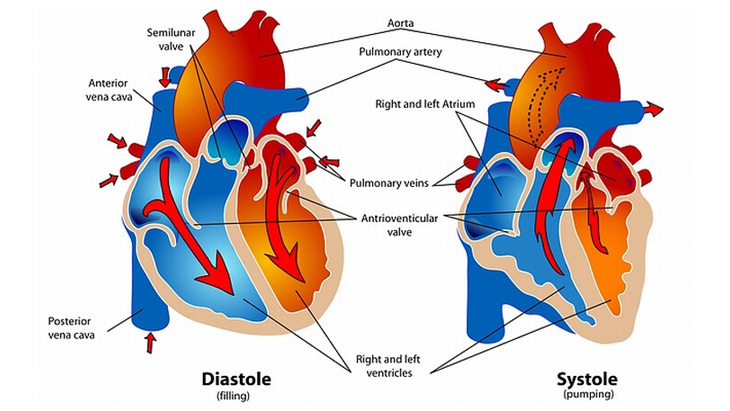
Congenital Heart Defects: The heart is comprised of four chambers, each separated by valves that regulate blood flow through it. Some people are born with a leaky valve, or the walls that separate each chamber might be damaged. Defects can lead to arrhythmia, infection of the valves, and heart failure. Congenital heart defects can often remain undiagnosed until adulthood, and not all of them require treatment. Severe cases will call for surgical intervention or medication.
If You Have Questions On Heart Disease, Answer Them Here

Sudden Cardiac Death: Unlike a heart attack, in this case, your heart’s electrical system goes on the fritz, which causes your heart to beat irregularly and very fast. In this situation, instead of pumping blood, the heart basically shakes and quivers. 
 
A person suffering from sudden cardiac death can die in minutes, but getting CPR can often save them, so call the EMTs immediately and start performing CPR on them. 
 
Testing for CVDs

EKG: Electrocardiogram is a painless test where the doctor places electrodes on your skin for a few minutes to measure your heart’s electrical activity. An EKG can also determine if you’re having a heart attack or have had one in the past, as well as determine the regularity of your heartbeat. 
 
Stress test: For this, you use a treadmill or stationary bike in a progressive workout while your heart is being monitored by an EKG. This will tell doctors how your heart works under stress. ​ 
 
Holter monitor: If your doctor suspects that your heart might be skipping a beat here and there, he’ll give you a Holter monitor to wear throughout the day. This device constantly measures the electrical activity of your heart to give your doctor more comprehensive data. 
 
 X-rays: By taking an X-ray of your chest, doctors can tell if your heart has an irregular shape or size. 
 
Echocardiogram: This is an ultrasound for your heart, and it shows your heart’s activity in real time, allowing doctors to spot possible issues with your pump. 
 
Cardiac CT: Cardiac computerized tomography takes detailed X-rays of your heart and blood vessels. This helps doctors find plaque or calcium buildups in your arteries, as well as valve problems and more. 
 
Cardiac Catheterization: A tiny tube is inserted into a blood vessel that leads to your heart, and the doctor then injects a dye into it, making any blockages visible on X-ray. 
 
Life with a Heart Disease 
Most heart diseases are long-lasting, and can sometimes be asymptomatic for years, but if left untreated – they will get progressively worse.

Once your disease has been diagnosed, it’s possible that your whole lifestyle will change. You may need to start taking pills daily to control your cholesterol, blood pressure, rhythm, heart rate, and for clot prevention. 
 
If you suffer from a blocked artery, you may need to go through surgical intervention to unblock it. Angioplasty is an operation where a doctor guides a catheter with a balloon into the blocked artery. When it reaches the blockage, the balloon is filled with air, opening the blockage. Your surgeon may also put in a small mesh tube to keep the artery open

More severe cases will call for bypass surgery, which involves taking a blood vessel from another part of your body and using it to replace the damaged blood vessel, thereby “bypassing” it. 
 
Whether you’ve been diagnosed with or treated for CVD, get on a cardiac rehab program. Specialists will help you with nutrition, exercises, and emotional support to help you get back on track.


This is only for your information, kindly take the advice of your doctor for medicines, exercises and so on.   

https://gscrochetdesigns.blogspot.com. one can see my crochet creations  
https://gseasyrecipes.blogspot.com. feel free to view for easy, simple and healthy recipes    
https://kneereplacement-stickclub.blogspot.com. for info on knee replacement
https://cancersupportindia.blogspot.com  for infor on cancer and health related topics
https://GSiyers home remedies.blogspot.com   is the latest addition to my blogs. I'm going to add posts there, do give me your valuable feed back on my blogs. Thanks a lot, take care, be healthy and be happy.

Labels: , , , , , , , , , , , , ,

Saturday, February 26, 2022

The Silent Warning Signs of Clogged Arteries

Year after year, over 700,000 people in the United States alone end up suffering from a heart attack, and close to 400,000 die of coronary heart disease (CHD). With such a high rate of incidence, it's crucially important for everyone to be aware of the warning signs, since early detection can drastically improve your chances of survival. Below, you'll find four of the most common signs of clogged arteries that aren't as obvious as you'd expect. 
 
1. Erectile Dysfunction (ED)
If a male finds it hard to achieve an erection, then it may be a sign of clogged arteries in the pelvis area, which may lead to a heart attack if left untreated. According to the experts, there are typically 3 to 5 years between the start of ED and the development of CHD, which is loads of time to allow you to detect and fix your heart problems. If you or your partner are concerned about sexual performance, then it'd be a good idea to search for and treat the root causes of diseased arteries, instead of just popping a blue pill.

2. Baldness
n an in-depth study of close to 37,000 men, a strong association was found between the presence of CHD and severe baldness at the crown of the head. Another study of over 7,000 individuals (including more than 4,000 women), found that the risk of dying from heart disease doubled for those with moderate to severe levels of baldness, regardless of gender. 
 
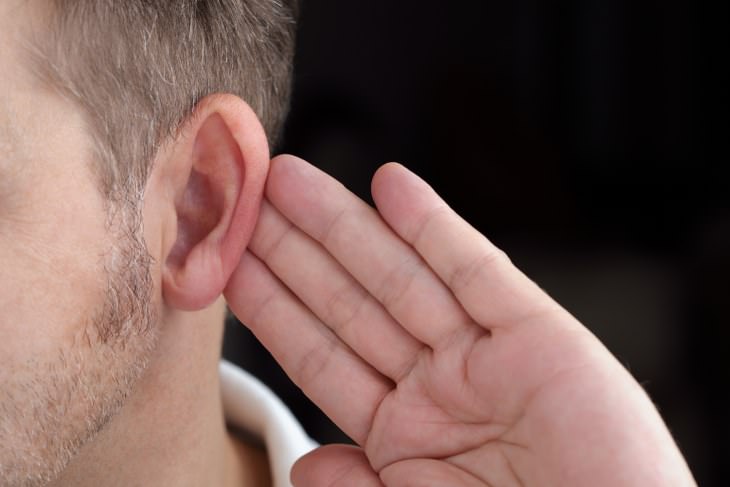
3. Ear Creases
One of the strangest signs of clogged arteries is a crease in your earlobe. Such creases generally appear at an angle that runs diagonally from the lower edge of the earlobe to the canal. Such a crease may be the result of inefficient circulation, either within the heart or within the arteries. Research carried out in 2016 made use of a CT scan to measure silent CHD, and found that creases in the ears were able to predict heart disease, even after taking many other factors into consideration, such as smoking and aging.

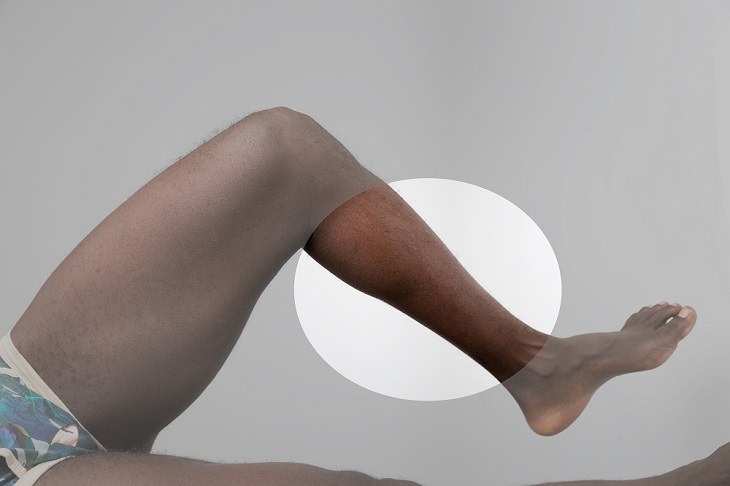
4. Calf Pain While Walking
Particularly prevalent in smokers, atherosclerosis can begin to block leg arteries before CHD is diagnosed. If you notice such a symptom, then don't hesitate to get yourself checked. Your doctor will be able to measure your blood flow and leg blood pressure and examine the pulses in your leg, so that they can diagnose poor circulation. They will then be able to prescribe adequate medication and important lifestyle changes to help you recover before it's too late.


This is only for your information, kindly take the advice of your doctor for medicines, exercises and so on.   

https://gscrochetdesigns.blogspot.com. one can see my crochet creations  
https://gseasyrecipes.blogspot.com. feel free to view for easy, simple and healthy recipes    
https://kneereplacement-stickclub.blogspot.com. for info on knee replacement


Labels: , , , , , , ,

Monday, April 27, 2020

Physical activity makes heart attack patients feel better

People with heart problems, kindly take note. Researchers have revealed that heart attack patients who take part in a lifestyle improvement programme feel better - especially when they do additional physical activity.

Heart attack patients are typically offered lifestyle classes - called cardiac rehabilitation - unless they have a particular reason why it's not suitable for them.

Classes include exercise, smoking cessation, advice on diet and stress management, and the importance of taking medications.

"Exercise improves fitness, which has both physical and mental health benefits. If you're more able to participate in activities that bring you happiness, then you're more likely to have a better quality of life," said study lead author Dr Ben Hurdus from the University of Leeds in the UK.

The study, presented on ACVC Essentials 4 You, a scientific platform of the European Society of Cardiology, investigated the impact of those classes on how heart attack patients feel about their physical and mental health (collectively termed 'health-related quality of life').

Heart attacks have a detrimental effect on the quality of life, including problems with mobility, self-care, and daily activities which many people take for granted such as work and leisure.

Previous research has shown a link between cardiac rehabilitation and improved quality of life in heart attack patients.

However, most of these studies were conducted prior to modern drugs and procedures such as statins to lower 'bad' cholesterol and stents to open clogged arteries.

For the findings, the research team recruited 4,570 patients who were admitted to 48 hospitals across England with a suspected heart attack from 2011 to 2013.

Patients completed a questionnaire while in hospital and then at one, six, and 12 months after discharge. Questions included whether they attended cardiac rehabilitation, their perceived quality of life, and their physical activity levels.

The researchers found that patients who attended cardiac rehabilitation had a higher quality of life at all time points compared to those who did not.

Patients who went to cardiac rehabilitation and exercised 150 minutes or more per week had an even higher quality of life scores compared to those who did neither.

"Cardiac rehabilitation involves not only exercise but also advice on lifestyle and medications which likely all contribute to making people feel better," said Hurdus.


This is only for your information, kindly take the advice of your doctor for medicines, exercises and so on.     

https://gscrochetdesigns.blogspot.com. one can see my crochet creations  
https://gseasyrecipes.blogspot.com. feel free to view for easy, simple and healthy recipes    
https://kneereplacement-stickclub.blogspot.com. for info on knee replacement

Labels: , , , , , , , ,