Saturday, February 26, 2022

The Silent Warning Signs of Clogged Arteries

Year after year, over 700,000 people in the United States alone end up suffering from a heart attack, and close to 400,000 die of coronary heart disease (CHD). With such a high rate of incidence, it's crucially important for everyone to be aware of the warning signs, since early detection can drastically improve your chances of survival. Below, you'll find four of the most common signs of clogged arteries that aren't as obvious as you'd expect. 
 
1. Erectile Dysfunction (ED)
If a male finds it hard to achieve an erection, then it may be a sign of clogged arteries in the pelvis area, which may lead to a heart attack if left untreated. According to the experts, there are typically 3 to 5 years between the start of ED and the development of CHD, which is loads of time to allow you to detect and fix your heart problems. If you or your partner are concerned about sexual performance, then it'd be a good idea to search for and treat the root causes of diseased arteries, instead of just popping a blue pill.

2. Baldness
n an in-depth study of close to 37,000 men, a strong association was found between the presence of CHD and severe baldness at the crown of the head. Another study of over 7,000 individuals (including more than 4,000 women), found that the risk of dying from heart disease doubled for those with moderate to severe levels of baldness, regardless of gender. 
 
3. Ear Creases
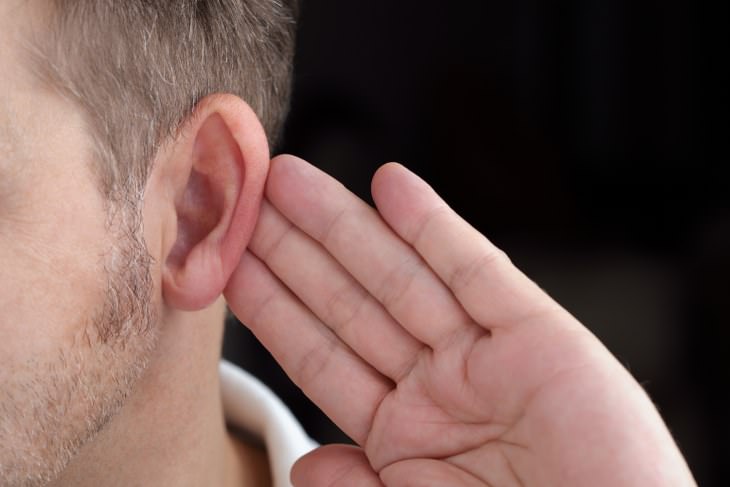
One of the strangest signs of clogged arteries is a crease in your earlobe. Such creases generally appear at an angle that runs diagonally from the lower edge of the earlobe to the canal. Such a crease may be the result of inefficient circulation, either within the heart or within the arteries. Research carried out in 2016 made use of a CT scan to measure silent CHD, and found that creases in the ears were able to predict heart disease, even after taking many other factors into consideration, such as smoking and aging.

4. Calf Pain While Walking
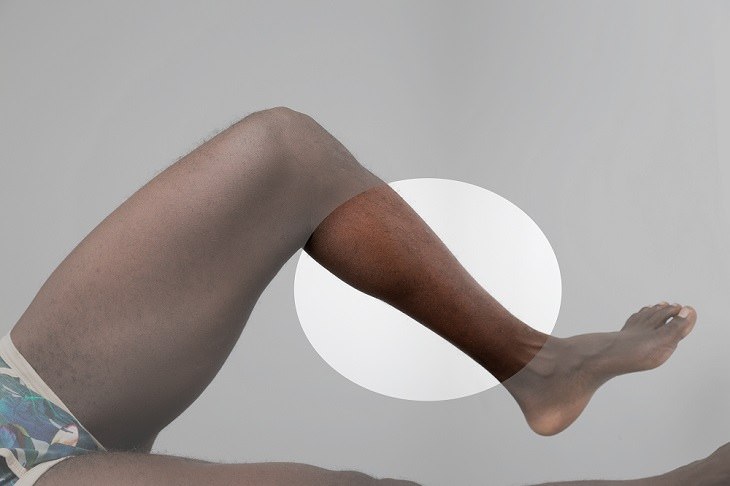
Particularly prevalent in smokers, atherosclerosis can begin to block leg arteries before CHD is diagnosed. If you notice such a symptom, then don't hesitate to get yourself checked. Your doctor will be able to measure your blood flow and leg blood pressure and examine the pulses in your leg, so that they can diagnose poor circulation. They will then be able to prescribe adequate medication and important lifestyle changes to help you recover before it's too late.


This is only for your information, kindly take the advice of your doctor for medicines, exercises and so on.   

https://gscrochetdesigns.blogspot.com. one can see my crochet creations  
https://gseasyrecipes.blogspot.com. feel free to view for easy, simple and healthy recipes    
https://kneereplacement-stickclub.blogspot.com. for info on knee replacement


Labels: , , , , , , ,

Wednesday, December 25, 2019

Magnesium can cause sudden cardiac death

A new prospective study based on data from the Women's Health Initiative found a potential inverse association between dietary magnesium and fatal coronary heart disease in postmenopausal women.

The study, which also showed a trend between magnesium and sudden cardiac death in this population, is published in the Journal of Women's Health, a peer-reviewed publication from Mary Ann Liebert, Inc., publishers.

Charles Eaton, MD, Alpert Medical School of Brown University, and a large team of researchers from various institutions coauthored the article entitled "Association of Dietary Magnesium Intake with Fatal Coronary Heart Disease and Sudden Cardiac Death: Findings from the Women's Health Initiative."

The researchers examined magnesium intake at baseline for more than 153,000 postmenopausal women and identified the development of fatal coronary heart disease and sudden cardiac death over the subsequent 10.5 years of follow-up. The data revealed that higher magnesium intake was associated with a statistically significant risk reduction in fatal coronary heart disease and a reduction in the risk of sudden cardiac death.

Susan G. Kornstein" Susan G. Kornstein, MD, Editor-in-Chief of Journal of Women's Health and Executive Director of the Virginia Commonwealth University Institute for Women's Health, Richmond, VA, stated: "If the findings of this study are confirmed, future research should test whether high-risk women would benefit from magnesium supplementation to reduce their risk of fatal coronary heart disease."

this is only for your information, kindly take the advice of your doctor for medicines, exercises and so on.     
https://gscrochetdesigns.blogspot.com. one can see my crochet creations  
https://gseasyrecipes.blogspot.com. feel free to view for easy, simple and healthy recipes    
https://kneereplacement-stickclub.blogspot.com. for info on knee replacement


Labels: , , , , , , , , ,

Thursday, December 13, 2018

10 worst habits that could give you a heart attack

Most heart attacks occur as a result of coronary artery disease (CHD). But there are certain factors that can increase your risk of developing a heart attack. One of the biggest factors that contribute to this is a lack of commitment to a heart healthy lifestyle. If you can make a few changes to your lifestyle that promotes a longer and healthier life, you can also dramatically reduce or almost wipe out your chances of developing a heart attack or stroke. 


The point is that your lifestyle affects your heart health at large. Here are 10 worst habits for your heart:

Smoking

Smoking affects the function of your heart, and the structure and function of your blood vessels, thereby increasing your risk of a heart attack.

Drinking too much

Studies linked excess alcohol to a greater risk of high blood pressure, high levels of blood fats, weight gain, and heart failure, although moderate drinking may be good for your heart in some people.

Eating unhealthy foods

Eating a diet high in saturated fat, trans fat, cholesterol, and sodium - all of which are a major risk factor for heart disease and stroke

Overeating

Overeating is believed to be a major cause of obesity epidemic. In addition to heart disease, being overweight increases your risk of diabetes and certain cancers. Hence, overeating is considered a trigger for heart attack. 

Not exercising

Being physically inactive can lead to excess weight, which strains your heart and can contribute to high cholesterol, high blood pressure and diabetes.

Watching TV

Studies reveal that prolonged sitting increases your risk of heart attack and stroke, even if you exercise regularly.

Not flossing

Scientists are still not sure exactly why there is a strong link between periodontal disease and heart health. However, poor oral hygiene can trigger bacterial inflammation in the body. Inflammation promotes all aspects of atherosclerosis, which is the usual cause of heart attacks, strokes, and peripheral vascular disease.

Not managing stress

Studies have linked stress to changes in the way blood clots, which increases the risk of heart attacks. So if you’re feeling stressed or depressed, it can take a toll on your health.

Not managing certain health conditions

Apart from diabetes, other health conditions associated with heart disease include high blood pressure, high cholesterol levels, and a family history of early heart disease.

Illegal drug use

As per a report, such as cocaine or amphetamines, can trigger a spasm of your coronary arteries that can cause a heart attack.
By eliminating these unhealthy habits, you can not only prevent but also recover from a heart attack. It may seem difficult to choose better options or give up many things at a time, but by taking small steps in a healthy direction, it gets easier to make choices every day that help keep you healthy and happy.

THIS IS ONLY FOR INFORMATION, ALWAYS CONSULT YOU PHYSICIAN BEFORE HAVING ANY PARTICULAR FOOD/ MEDICATION/EXERCISE/OTHER REMEDIES.                                                                                                                                                                                                                                                                                        PS- THOSE INTERESTED IN RECIPES ARE FREE TO  VIEW MY BLOG-                                                                                           https://gseasyrecipes.blogspot.com/                                                                                                                                                                             FOR INFO ABOUT KNEE REPLACEMENT, YOU CAN VIEW MY BLOG-                                                                                                                             https:// kneereplacement-stickclub.blogspot.com/                                                                                       FOR CROCHET DESIGNS                                                                                                                                                                                                                                 https://gscrochetdesigns.blogspot.com     

Labels: , ,

Sunday, August 19, 2018

10 Simple Habits of People Who've Lost Weight And Have Actually Kept It Off

Most people who diet will regain 50 percent of the lost weight in the first year after losing it. Much of the rest will regain it in the following three years.

Most people inherently know that keeping a healthy weight boils down to three things: eating healthy, eating less, and being active. But actually doing that can be tough.

We make more than 200 food decisions each day, and most of these appear to be automatic or habitual, which means we unconsciously without any reflection, deliberation or any sense of awareness of what or how much food we select and consume.

So often habitual behaviour over-ride our best intentions.

A new study has found the key to staying a healthy weight is to reinforce healthy habits.

What the new study found
Imagine each time a person goes home in the evening, they eat a snack. When they first eat the snack, a mental link is formed between the context (getting home) and their response to that context (eating a snack).

Every time they subsequently snack in response to getting home, this link strengthens, to the point that getting home prompts them to eat a snack automatically. This is how a habit forms.
  
New research has found that  weight-loss interventions that are founded on habit-change, (forming new habits or breaking old habits) may be effective at helping people lose weight and keep it off.
We recruited 75 volunteers from the community (aged 18-75) with excess weight or obesity and randomised them into three groups.

One program promoted breaking old habits, one promoted forming new habits, and one group was a control (no intervention).

The habit-breaking group was sent a text message with a different task to perform every day. These tasks were focused on breaking usual routines and included things such as "drive a different way to work today", "listen to a new genre of music" or "write a short story".

The habit-forming group was asked to follow a program that focused on forming habits centered around healthy lifestyle changes. The group was encouraged to incorporate ten healthy tips into their daily routine, so they became second-nature.

Unlike usual weight-loss programs, these interventions did not prescribe specific diet plans or exercise regimes, they simply aimed to change small daily habits.

After 12 weeks, the habit-forming and habit-breaking participants had lost an average of 3.1 kilograms. More importantly, after 12 months of no intervention and no contact, they had lost another 2.1 kilogram on average.

Some 67 percent of participants reduced their total body weight by over 5 percent, decreasing their overall risk for developing type two diabetes and heart disease.

As well as losing weight, most participants also increased their fruit and vegetable intake and improved their mental health.

Habits based interventions have the potential to change how we think about weight management and, importantly, how we behave.

Ten healthy habits you should form
The  habits in the habit-forming group, developed by Weight Concern were:
  1. Keep to a meal routine: eat at roughly the same times each day. People who succeeded in the long term weight loss tend to have a regular meal rhythm (avoidance of snacking and nibbling). A consistent diet regimen across the week and year also predicts subsequent long-term weight loss maintenance.
  2. Go for healthy fats: choose to eat healthy fats from nuts, avocado and oily fish instead of fast food. Trans-fats are linked to an increased risk of heart-disease.
  3. Walk off the weight: aim for 10,000 steps a day. Take the stairs and get off one tram stop earlier to ensure you're getting your heart rate up every day.
  4. Pack healthy snacks when you go out: swap crisps and biscuits for fresh fruit.
  5. Always look at the labels: check the fat, sugar and salt content on food labels.
  6. Caution with your portions: use smaller plates, and drink a glass of water and wait five minutes then check in with your hunger before going back for seconds.
  7. Break up sitting time: decreasing sedentary time and increasing activity is linked to substantial health benefits. Time spent sedentary is related to excess weight and obesity, independent of physical activity level.
  8. Think about your drinks: choose water and limit fruit juice to one small glass per day.
  9. Focus on your food: slow down and eat while sitting at the table, not on the go. Internal cues regulating food intake (hunger/fullness signals) may not be as effective while distracted.
  10. Always aim for five serves of vegetables a day, whether fresh, frozen or tinned: fruit and vegetables have high nutritional quality and low energy density. Eating the recommended amount produces health benefits, including reduction in the risk of cancer and coronary heart disease.

    THIS IS ONLY FOR INFORMATION, ALWAYS CONSULT YOU PHYSICIAN BEFORE HAVING ANY PARTICULAR FOOD/ MEDICATION/EXERCISE/OTHER REMEDIES.                                                                                                                                                                                                        PS- THOSE INTERESTED IN RECIPES ARE FREE TO  VIEW MY BLOG-                                                                                           https://gseasyrecipes.blogspot.com/  

    FOR INFO ABOUT KNEE REPLACEMENT, YOU CAN VIEW MY BLOG-                                                                                        https:// kneereplacement-stickclub.blogspot.com/                              
    FOR CROCHET DESIGNS                                                                                                                                                                                                                                 https://gscrochetdesigns.blogspot.com


Labels: , , , , , , , , , ,