Tuesday, September 16, 2025

Lyme Disease: Symptoms, Treatments, and Prevention!

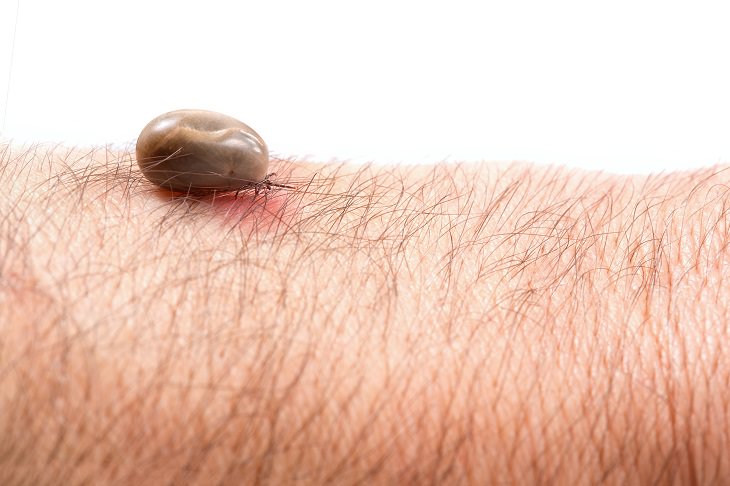
Lyme disease is caused by Borrelia burgdorferi, a bacterium that’s transmitted to humans when they are bitten by an infected black-legged or deer tick. Once infected, symptoms can occur anywhere from 3-30 days after the bite, and they can be wide-ranging, depending on the stage of infection. The chances of contracting Lyme disease from a tick bite depends on the kind of tick, where you were bitten, when the bite occurred, and how long the tick was attached to you. According to the CDC, black-legged ticks must be attached for at least 24 hours to transmit Lyme disease. 
 
What Are the Symptoms of Lyme Disease
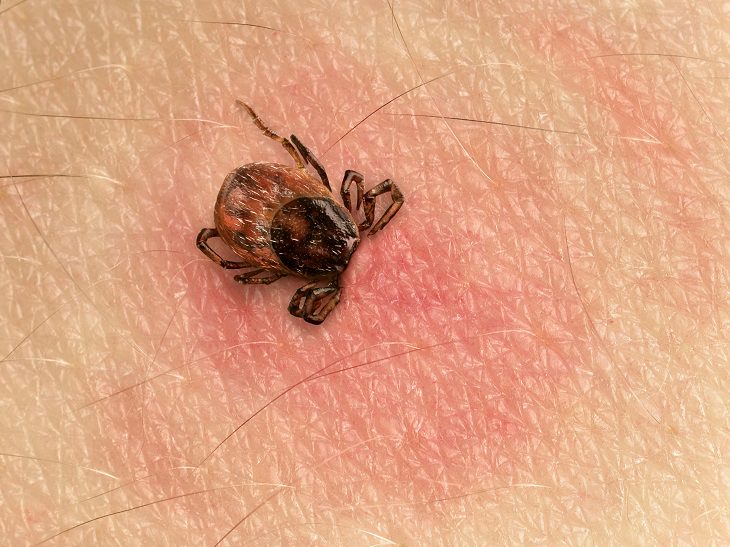
Early signs and symptoms of this disease include chills, fever, fatigue, headaches, muscle and joint pain, and swollen lymph nodes. In about 70-80% of infections a rash is seen. This rash will gradually expand over a period of days and can grow to around 12 inches wide. It may feel warm to the touch, but it shouldn’t be itchy or painful, and it can appear anywhere on the body. 
 
As the infection progresses, symptoms can include: 
 Lyme Disease: Symptoms, Treatments, and Prevention!
 
• Severe headaches or neck stiffness 
• Heart palpitation or an irregular heartbeat 
• Inflammation of the spinal cord and brain 
• Loss of muscle tone or drooping on one or both sides of the face 
• Additional rashes on other parts of the body 
• Arthritis with severe joint pain and swelling, particularly in the knees 
• Shooting pains, numbness, and tingling in the hands or feet 
 
How is Lyme Disease Diagnosed? 
 Lyme disease is diagnosed based on symptoms and history of tick exposure. A two-step blood test may also be taken, but the accuracy of this test depends on the stage the disease is in. For example, in the first few weeks of infection, the test may be negative, as antibodies take a few weeks to develop. These tests aren’t recommended for patients who don’t have any of the common symptoms of Lyme disease.

How is Lyme Disease Treated?
The antibiotics amoxicillin and tetra cycline are used, usually for 10-21 days. Other antibiotics that might be used are cefuroxime and doxycycline. If you get treatment for Lyme disease when the infection is at an early stage, it is likely that you will make a full recovery.

How prevalent is Lyme disease?
 
About 30,00 cases are reported each year, but the CDC estimates that you can add another 300,000 infections to this figure. Infection is more common in males up to age 15 and between the ages of 40 and 60. The reason for this is these are people who are more likely to play outside, and go hiking, camping, and hunting. 
 
How to avoid ticks completely and prevent catching Lyme disease 
 
What Areas Are More Likely to Have Lyme Disease? 
 
Mainly the Mid-Atlantic states, New England, and parts of the upper Midwest. According to the CDC, 95% of confirmed cases in 2015 were in the following 14 states: Delaware, Maine, Connecticut, Minnesota, Maryland, Massachusetts, New Hampshire, New York, New Jersey, Pennsylvania, Vermont, Rhode Island, Wisconsin, and Virginia. It can also be found in California, where it is carried by deer. 
 
Black-legged ticks can be found in 43 states, but they behave differently according to the climate. For example, in the South, which is more prone to hot weather, ticks tend to stay under leaf litter and don’t come out to feed as they’ll dry out. This means that Southern ticks don’t transmit Lyme disease frequently as they don’t tend to feed on humans.

What’s Driving up Lyme Disease Numbers? 
While increasing temperatures worldwide has made more Northern areas such as Maine, Canada, and Minnesota hospitable to ticks, the population of deer carrying the ticks probably plays a much bigger role. 
 
Development led to record low numbers of deer early in the last century, but the deer population has increased as a result of reforestation over the past several decades, meaning the tick population has increased as well. Furthermore, white-footed mice, which also transmit Lyme disease to ticks that bite them, are moving closer to humans as their habitat disappears. 
 
Another reason is that warm weather and mild winters may bring more people outside, increasing their chances of being bitten, especially in Lyme-prone areas.

How do you know if you have been bitten?
 Lyme Disease: Symptoms, Treatments, and Prevention!
 
 Since ticks are the size of a poppy seed, you’ve got to have pretty good eyesight to spot them. The CDC recommends that if you’ve been walking in the woods, tall grass, or working in your garden, that you check your skin afterwards, ideally in the bath or shower. 
 
What Do You Do If There’s a Tick Under Your Skin 
Remove it with a pair of tweezers as soon as possible, pulling upward with steady pressure. If parts of the tick remain in your skin, try to remove them with the tweezers. After everything is out, clean the area with rubbing alcohol or soap and water. Put the tick in a piece of tissue, and close it in a zip bag.

When should You See Your Doctor? 
A rash is a pretty good indication that you might have Lyme disease. Therefore, if a rash starts to develop in the area you were bitten, you should visit your doctor immediately. At this stage of the illness, treatment with some antibiotics will likely see you make a full recovery. 
 
What’s the Best Way to Prevent a Tick Bite? 
Ticks cannot fly or jump, but instead live in shrubs and bushes, and grab onto someone when they walk by. To avoid getting bitten, wear pants and socks in woods, areas with a lot of trees, and while handling fallen leaves. Wear some tick repellents and clothing that has DEET, lemon oil, or eucalyptus. 
 
Shower as soon as you get home. This lets you look at your skin and wash any ticks out of your hair. Furthermore, put the clothes you were wearing into a hot wash to kill whatever ticks might remain.


This is only for your information, kindly take the advice of your doctor for medicines, exercises and so on.   

https://gscrochetdesigns.blogspot.com. one can see my crochet creations  
https://gseasyrecipes.blogspot.com. feel free to view for easy, simple and healthy recipes    
https://kneereplacement-stickclub.blogspot.com. for info on knee replacement
https://GSiyers home remedies.blogspot.com   is the latest addition to my blogs


Labels: , , , , , ,

Tuesday, May 14, 2024

New Nasal Spray May Treat Rapid Heartbeat Condition

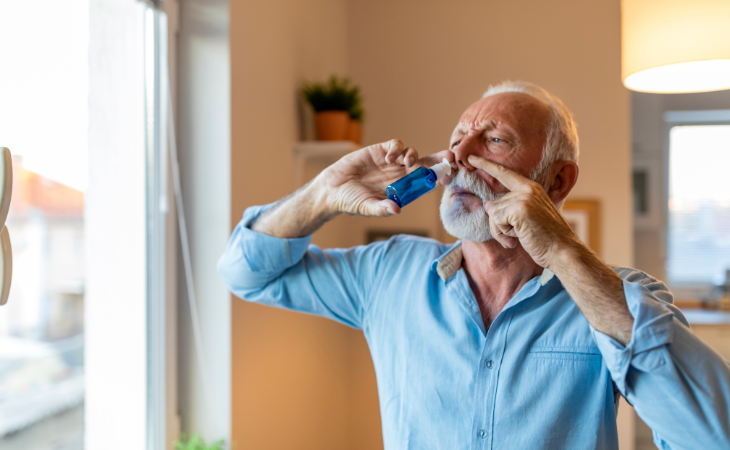
 A nasal spray could soon provide quick relief for people experiencing sudden, rapid heartbeats. This innovative treatment is being developed by researchers at Weill Cornell Medicine, New York-Presbyterian Hospital, and may eliminate the need for patients to seek urgent medical treatment at the start of their symptoms. 

People with Paroxysmal supraventricular tachycardia (PSVT) experience sudden, rapid heart rate spikes due to extra electrical pathways connecting the upper and lower heart chambers. In PSVT, the heart's lower chambers briefly beat faster than 100 times per minute. 

Though generally not life-threatening, this condition can significantly impact one's quality of life, manifesting itself in symptoms like fainting, light-headedness, shortness of breath, dizziness, and heart palpitations. It's important to note that this condition can emerge at any stage of life and may be connected to diverse underlying factors, such as anxiety, cardiomyopathy, and pneumonia. 

As per the National Library of Medicine, this condition impacts a significant portion of the United States population, and is expected to affect nearly 7 million people by the year 2050.


Developing a safe and user-friendly first-line treatment for PSVT has been a longstanding objective in medical research. Presently, treatment options typically revolve around addressing the underlying causes of PSVT. This may involve prescribing beta blockers for cases linked to hyperthyroidism or utilizing surgical or catheter procedures to correct abnormal heart tissue. 
 
In milder cases, doctors may employ vagal maneuvers, a set of techniques that includes applying abdominal pressure, executing "bearing down" motions, and gently manipulating the carotid artery to soothe the vagus nerve. 
 
New Research Shows Promising Results 
In the latest research, published in the Journal of the American Heart Association, the research team built upon a prior randomized, placebo-controlled clinical trial involving etripamil. Etripamil, administered in nasal spray form, functions as a calcium channel blocker, similar to intravenous medications administered in hospitals. This medicine prevents calcium from entering heart and artery cells, causing relaxation and dilatation and, as a result, slowing the heart rate.
nasal spray

The nasal spray, which is suitable for on-the-go use and can be stored at room temperature, can be self-administered by individuals when necessary. Each cartridge has two doses and it is advised to administer one shot into each nostril. If the first dose fails to lower the heart rate, the second dose can be administered, as per the researchers. 
 
A study published in the journal Circulation: Arrhythmia and Electrophysiology last year concluded that self-administered etripamil is a reliable and efficient treatment option for PSVT episodes. Approximately 55 percent of patients successfully reverted to their normal heart rhythms within 30 minutes of taking etripamil, while only 35 percent experienced the same improvement with a placebo.

The most recent research examined how individuals would fare when using the drug in a practical setting, where they used it as needed, obtained refills, and reused it when their subsequent episodes occurred. Among the 169 participants who took part, 105 independently administered at least a single dose of etripamil over the study's duration, accounting for a combined total of 188 occurrences. Forty people were treated in two separate episodes. 
 
Among these, etripamil successfully reinstated regular heart rhythms within 30 minutes in approximately 60% of cases and within an hour in roughly 75% of cases. In the group that administered it twice, 63% regained normal heart rhythms within 30 minutes. However, approximately 25% of these individuals did not respond to the medication during either episode.


Future of Rapid Heartbeat Treatment 
While this study offers promise, it's important to recognize that more work, including subsequent research and eventual approval from the FDA, is necessary before this drug can be considered suitable for public use.
 
Currently, researchers are evaluating the nasal spray's effectiveness in treating children's heart ailments as well as other heart conditions, such as atrial fibrillation, which occurs when the upper chambers of the heart beat rapidly and irregularly.


This is only for your information, kindly take the advice of your doctor for medicines, exercises and so on.   

https://gscrochetdesigns.blogspot.com. one can see my crochet creations  
https://gseasyrecipes.blogspot.com. feel free to view for easy, simple and healthy recipes    
https://kneereplacement-stickclub.blogspot.com. for info on knee replacement
https://cancersupportindia.blogspot.com  for infor on cancer and health related topics
https://GSiyers home remedies.blogspot.com   is the latest addition to my blogs. I'm going to add posts there, do give me your valuable feed back on my blogs. Thanks a lot, take care, be healthy and be happy.

Labels: , , , , , , , ,

Monday, January 25, 2021

A complete guide to long COVID symptoms, as per NHS reports

1. Long COVID symptoms you must be aware about

The novel coronavirus has remained with us for almost a year now. While many of its symptoms and the level of risks it poses on different individuals have come to the surface, the possibility of the long term effects of the deadly virus are still being observed and explored by scientists and medical professionals. That said, a recent report has listed down more than a dozen of long COVID symptoms, which could range from a simple rash to heightened chest pain.

2. What is Long COVID?

Long COVID is defined by the long term effects coronavirus imposes on people. as the symptoms experienced by the people and the effects the coronavirus has on various individuals for weeks or months beyond the initial illness. According to the National Institute for Health and Care Excellence (NICE), long COVID lasts for more than 12 weeks, although some other people consider symptoms that last more than eight weeks to be long Covid.

3. 14 of the most common long COVID symptoms, according to the NHS

While the vaccine rollout may have brought about a sigh of relief, much is still left for speculation at the moment. With the long term effects of the coronavirus, people have been struggling more due to long COVID than by the initial symptoms. That said, the UK's National Health Services (NHS) has listed down a series of long COVID symptoms that people must pay heed to.

- Extreme exhaustion and fatigue

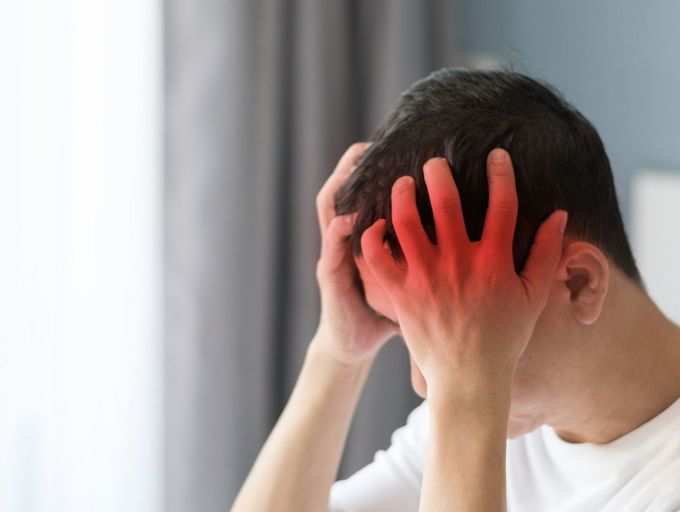
- Brain fog or mental confusion

- Insomnia or sleep deprivation

- Heart palpitations

- Shortness of breath

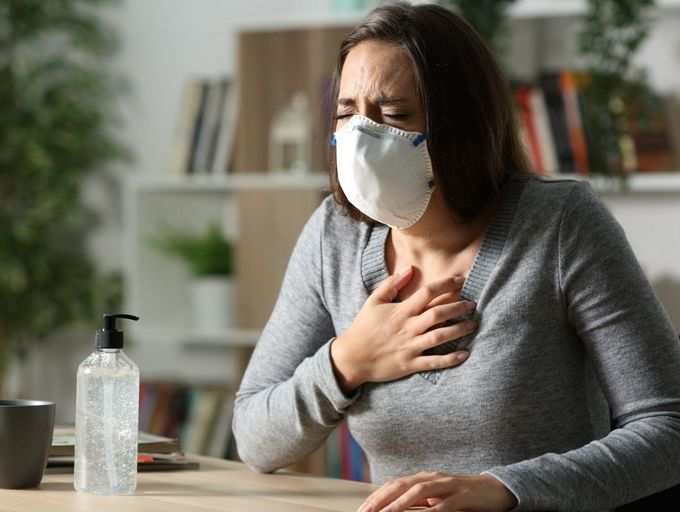
- Chest pain

- Dizziness

- Pins and needles (an uncomfortable sensation)

- Nausea, diarrhoea, abdominal pain and loss of appetite

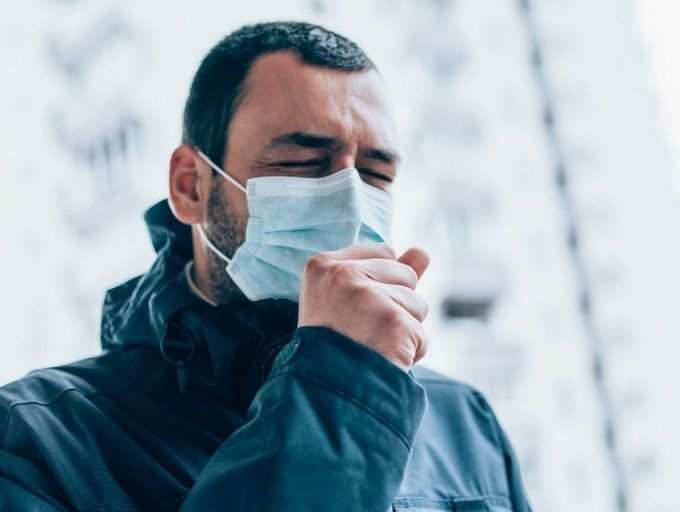
-Fever, dry cough, headaches, sore throat, changes or loss of sense of smell and taste

- Rashes

- Joint pain

- Depression and anxiety

- Tinnitus

According to the NHS, many people recover within a few days or weeks or with 12 weeks after infection. But some continue to face long term health issues and last for long.

readmore

4. How long does post-COVID syndrome last for?

According to a study published in The Lancet, more than 75% of the people who were hospitalized for COVID-19 still had at least one symptom 6 months after recovering. The research observed 1,733 people who had tested positive for COVID-19 in Wuhan, China, and tracked their recovery from June to September. The study claimed that about 76% of the volunteers experienced lingering symptoms of COVID-19 long after being cured of the illness.

5. Common symptoms of coronavirus

Besides the symptoms of long COVID, it is important to identify the initial and the most common symptoms of COVID-19, so as to diagnose it faster and prevent it from causing further damage. That said, here are some of the most common and classic symptoms of COVID-19.

- Fever

- Dry cough

- Sore throat

- Runny and stuffy nose

- Chest pain and shortness of breath

- Fatigue

- Gastrointestinal infection

- Loss of sense of smell and taste

readmore

6. Steps to take

Long COVID symptoms occur and last post-recovery. It is a state where lingering and long term effects of the virus tend to take a massive toll on the body.

That said, it is important to take all the precautionary measures, which could stop the step of the virus and prevent post COVID complications to.

Wear your masks regularly, sanitize your hands thoroughly and maintain social distancing at crowded places. Do not endanger yourself and others. 

This is only for your information, kindly take the advice of your doctor for medicines, exercises and so on.     

https://gscrochetdesigns.blogspot.com. one can see my crochet creations  
https://gseasyrecipes.blogspot.com. feel free to view for easy, simple and healthy recipes    
https://kneereplacement-stickclub.blogspot.com. for info on knee replacement


Labels: , , , , , , , , , , ,