Tuesday, November 02, 2021

Postpartum depression: Symptoms of depression in men

All about postpartum depression in men
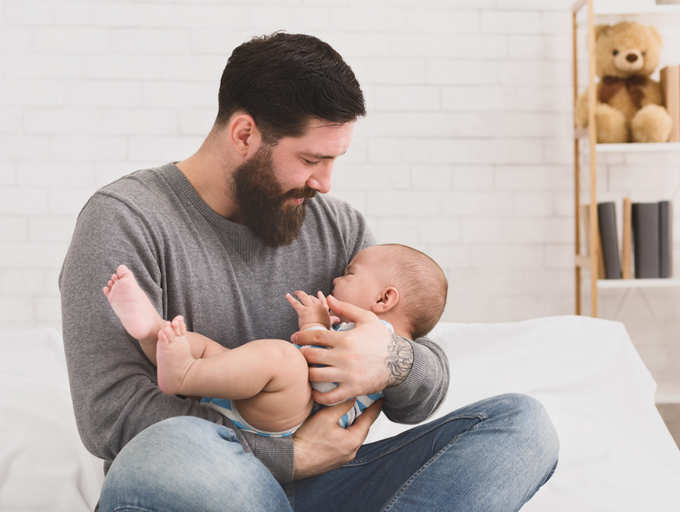
Postpartum depression is real for both men and women. Generally experienced by mothers, men are equally prone to feeling stressed after the birth of the baby.

They may not feel the pain of childbirth or may not need time to recover from physical pain post-delivery, but they do experience the turmoil of emotions. The new challenges, additional responsibility, sleepless nights all can take a serious toll on the father's mental health. Just like women, men also experience changes in the hormonal level after bringing the baby home, which may make it hard for them to adjust to the new life.

Symptoms of postpartum depression in men
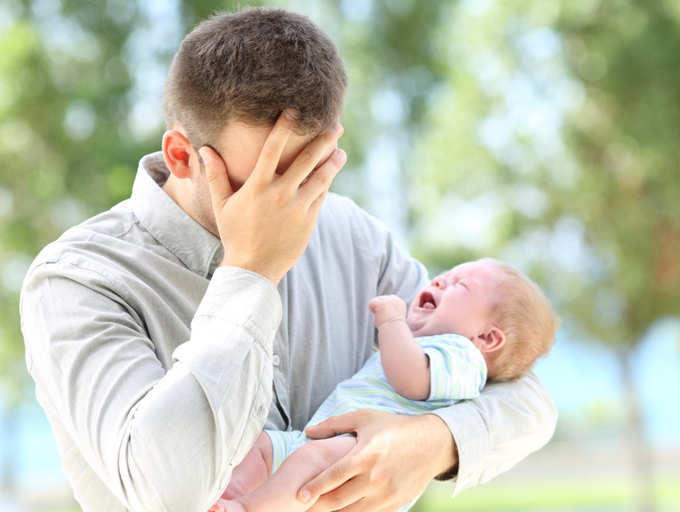
Adjusting to the role of parenthood isn't a simple task. Looking after the baby's needs and scheduling your task as per their schedule can be quite overwhelming. Feeling tired and stressed are common after childbirth, but if these signs linger for longer than normal then you should not take them lightly. The symptoms of postpartum depression vary from person to person. Here are some common signs that are normally witnessed.

Change in appetite

Weight loss

Sleeplessness

Unexplained aches or pains

Extreme exhaustion

Loss of interest

Feeling sad or hopeless

Feeling worthless or guilty

Excessive worrying

Sudden mood swing

​Who are more prone to develop these symptoms
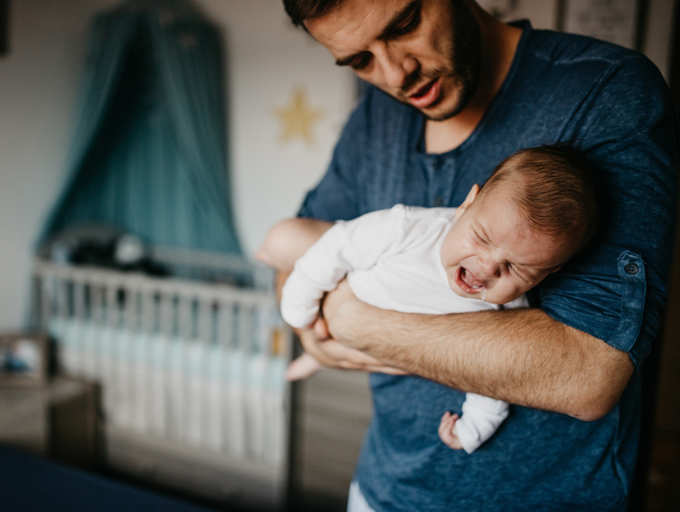
All men are equally at risk of developing symptoms of postpartum depression, but many are left undiagnosed due to negligence. Data suggests that about 8 per cent of fathers experience paternal depression. Several factors can contribute to the development or worsening of postpartum depression, including:

History of depression

Family history of depression

Worrying about taking over the role of fatherhood

Financial problems

Lack of social or emotional support

Stress in relationship with family or spouse

Missing attention or sex from your partner

Stressful birthing experience

Diagnosing depression
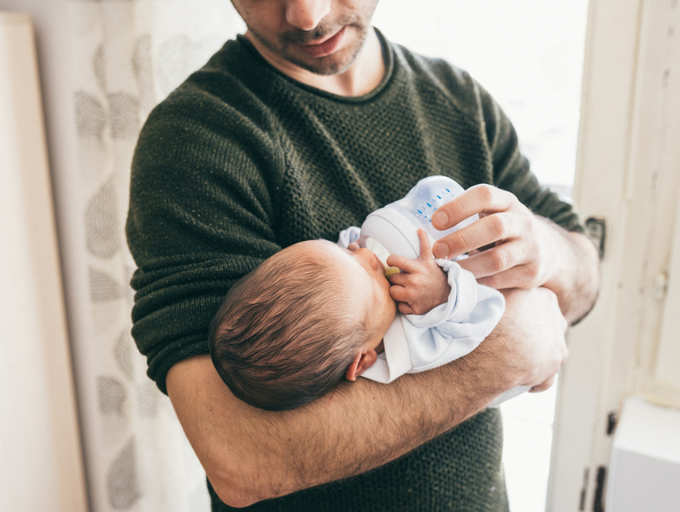
Symptoms of postpartum depression in women are easily diagnosed, but it often goes unreported in the case of men. The stigma related to men and mental health issues is another reason why new fathers do not come out when they experience persistent symptoms of depression. The diagnostic process may include clinical questioning. The professional will first look for physical symptoms and rule the possibility of any before confirming the symptoms of depression.

Treatment
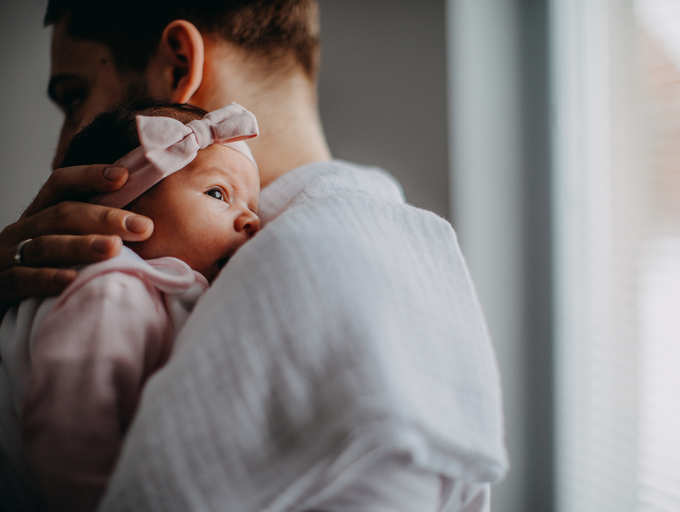
If you feel that you are having trouble adjusting to the new life, it is best to consult a professional. Depression is a serious mental condition that does not go on its own. It is essential to take an expert's help at the right time to recover from it. Prolonged and untreated depression can lead to severe side effects later in life. Depending on your situation and the severity of your condition, your therapist may prescribe you medication, therapy, or a combination of both.

This is only for your information, kindly take the advice of your doctor for medicines, exercises and so on.   

https://gscrochetdesigns.blogspot.com. one can see my crochet creations  
https://gseasyrecipes.blogspot.com. feel free to view for easy, simple and healthy recipes    
https://kneereplacement-stickclub.blogspot.com. for info on knee replacement


Labels: , , , , , , , , , ,

Monday, January 25, 2021

A complete guide to long COVID symptoms, as per NHS reports

1. Long COVID symptoms you must be aware about

The novel coronavirus has remained with us for almost a year now. While many of its symptoms and the level of risks it poses on different individuals have come to the surface, the possibility of the long term effects of the deadly virus are still being observed and explored by scientists and medical professionals. That said, a recent report has listed down more than a dozen of long COVID symptoms, which could range from a simple rash to heightened chest pain.

2. What is Long COVID?

Long COVID is defined by the long term effects coronavirus imposes on people. as the symptoms experienced by the people and the effects the coronavirus has on various individuals for weeks or months beyond the initial illness. According to the National Institute for Health and Care Excellence (NICE), long COVID lasts for more than 12 weeks, although some other people consider symptoms that last more than eight weeks to be long Covid.

3. 14 of the most common long COVID symptoms, according to the NHS

While the vaccine rollout may have brought about a sigh of relief, much is still left for speculation at the moment. With the long term effects of the coronavirus, people have been struggling more due to long COVID than by the initial symptoms. That said, the UK's National Health Services (NHS) has listed down a series of long COVID symptoms that people must pay heed to.

- Extreme exhaustion and fatigue

- Brain fog or mental confusion

- Insomnia or sleep deprivation

- Heart palpitations

- Shortness of breath

- Chest pain

- Dizziness

- Pins and needles (an uncomfortable sensation)

- Nausea, diarrhoea, abdominal pain and loss of appetite

-Fever, dry cough, headaches, sore throat, changes or loss of sense of smell and taste

- Rashes

- Joint pain

- Depression and anxiety

- Tinnitus

According to the NHS, many people recover within a few days or weeks or with 12 weeks after infection. But some continue to face long term health issues and last for long.

readmore

4. How long does post-COVID syndrome last for?

According to a study published in The Lancet, more than 75% of the people who were hospitalized for COVID-19 still had at least one symptom 6 months after recovering. The research observed 1,733 people who had tested positive for COVID-19 in Wuhan, China, and tracked their recovery from June to September. The study claimed that about 76% of the volunteers experienced lingering symptoms of COVID-19 long after being cured of the illness.

5. Common symptoms of coronavirus

Besides the symptoms of long COVID, it is important to identify the initial and the most common symptoms of COVID-19, so as to diagnose it faster and prevent it from causing further damage. That said, here are some of the most common and classic symptoms of COVID-19.

- Fever

- Dry cough

- Sore throat

- Runny and stuffy nose

- Chest pain and shortness of breath

- Fatigue

- Gastrointestinal infection

- Loss of sense of smell and taste

readmore

6. Steps to take

Long COVID symptoms occur and last post-recovery. It is a state where lingering and long term effects of the virus tend to take a massive toll on the body.

That said, it is important to take all the precautionary measures, which could stop the step of the virus and prevent post COVID complications to.

Wear your masks regularly, sanitize your hands thoroughly and maintain social distancing at crowded places. Do not endanger yourself and others. 

This is only for your information, kindly take the advice of your doctor for medicines, exercises and so on.     

https://gscrochetdesigns.blogspot.com. one can see my crochet creations  
https://gseasyrecipes.blogspot.com. feel free to view for easy, simple and healthy recipes    
https://kneereplacement-stickclub.blogspot.com. for info on knee replacement


Labels: , , , , , , , , , , ,