Tuesday, November 02, 2021

Postpartum depression: Symptoms of depression in men

All about postpartum depression in men

Postpartum depression is real for both men and women. Generally experienced by mothers, men are equally prone to feeling stressed after the birth of the baby.

They may not feel the pain of childbirth or may not need time to recover from physical pain post-delivery, but they do experience the turmoil of emotions. The new challenges, additional responsibility, sleepless nights all can take a serious toll on the father's mental health. Just like women, men also experience changes in the hormonal level after bringing the baby home, which may make it hard for them to adjust to the new life.

Symptoms of postpartum depression in men
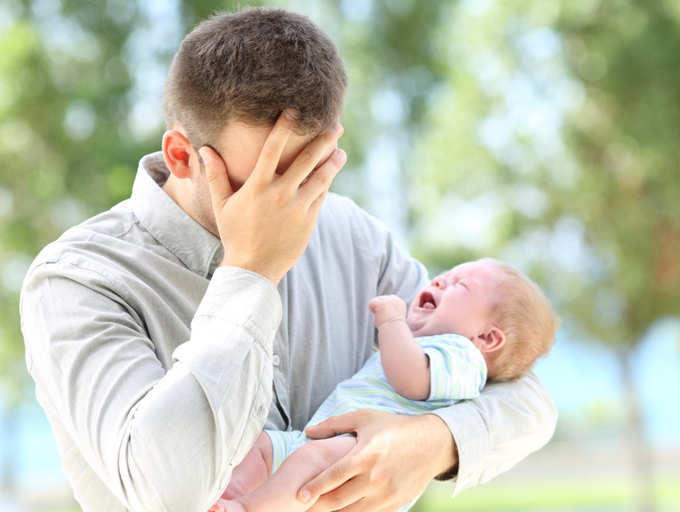
Adjusting to the role of parenthood isn't a simple task. Looking after the baby's needs and scheduling your task as per their schedule can be quite overwhelming. Feeling tired and stressed are common after childbirth, but if these signs linger for longer than normal then you should not take them lightly. The symptoms of postpartum depression vary from person to person. Here are some common signs that are normally witnessed.

Change in appetite

Weight loss

Sleeplessness

Unexplained aches or pains

Extreme exhaustion

Loss of interest

Feeling sad or hopeless

Feeling worthless or guilty

Excessive worrying

Sudden mood swing

​Who are more prone to develop these symptoms

All men are equally at risk of developing symptoms of postpartum depression, but many are left undiagnosed due to negligence. Data suggests that about 8 per cent of fathers experience paternal depression. Several factors can contribute to the development or worsening of postpartum depression, including:

History of depression

Family history of depression

Worrying about taking over the role of fatherhood

Financial problems

Lack of social or emotional support

Stress in relationship with family or spouse

Missing attention or sex from your partner

Stressful birthing experience

Diagnosing depression

Symptoms of postpartum depression in women are easily diagnosed, but it often goes unreported in the case of men. The stigma related to men and mental health issues is another reason why new fathers do not come out when they experience persistent symptoms of depression. The diagnostic process may include clinical questioning. The professional will first look for physical symptoms and rule the possibility of any before confirming the symptoms of depression.

Treatment

If you feel that you are having trouble adjusting to the new life, it is best to consult a professional. Depression is a serious mental condition that does not go on its own. It is essential to take an expert's help at the right time to recover from it. Prolonged and untreated depression can lead to severe side effects later in life. Depending on your situation and the severity of your condition, your therapist may prescribe you medication, therapy, or a combination of both.

This is only for your information, kindly take the advice of your doctor for medicines, exercises and so on.   

https://gscrochetdesigns.blogspot.com. one can see my crochet creations  
https://gseasyrecipes.blogspot.com. feel free to view for easy, simple and healthy recipes    
https://kneereplacement-stickclub.blogspot.com. for info on knee replacement


Labels: , , , , , , , , , ,

Common maternal mental health disorders to watch out for

Common maternal mental health disorders to watch out for

Pregnancy and motherhood are two of the most beautiful blessings in a woman's life. From experiencing the joy of giving birth to nurturing a human life and soul, mothers get to live through it all. However, there are many challenges that come their way. As blissful as it may seem, sometimes, the journey from conception to postnatal care is bumpy and may sometimes take a toll on a mother's mental well-being.

Maternal Mental Health (MMH) disorders have been prevalent amongst mothers, especially new mothers, leading to symptoms like anxiety, depression and even psychosis. When left untreated and unaddressed, it may impact the mother, the baby and the family as a whole. That said, here are some of the most common mental health disorders in mothers to watch out for.

Postpartum depression

Pregnancy and postpartum depression is a mood disorder that occurs in women during or immediately after pregnancy. While it is prevalent, maternal depression is treatable. In order to help you identify it, here are some symptoms.

- Mild sadness

- Difficulty in concentrating

- Unable to find joy in the simple pleasures of life

- Finding it difficult to connect and bond with the baby

Those who have dealt with depression in the past are more prone to postpartum depression. Often PPD has been associated with a drop in the hormones estrogen and progesterone following childbirth.

Dysthymia or Persistent Depressive Disorder

Dysthymia or Persistent Depressive Disorder

Dysthymia is a mood disorder that persists for at least two years. Hence, it is also known as Persistent Depressive Disorder. Symptoms include loss of interest in daily activities, a sense of hopelessness and the feeling of being incompetent. Women who have a history of Dysthymia are more at risk of developing this condition.

Pregnancy and Postpartum General Anxiety

Pregnancy and Postpartum General Anxiety

Pregnancy can be stressful. It can make you anxious and worried about everything that's yet to come. However, being nervous and anxious is absolutely natural UNTIL they persist for a longer period of time. If your anxiety and stress decide to stay a bit longer and it becomes difficult to get rid of them, then you're probably dealing with Pregnancy and Postpartum General Anxiety. If it is so, then you may feel restless, experience heart palpitations, suffer from insomnia and extreme worry. That said, do not ignore the signs and meet with the concerned specialist.

Pregnancy and Postpartum OCD

Pregnancy and Postpartum OCD

Pregnancy and Postpartum OCD or Maternal Obsessive-Compulsive Disorder (OCD) impacts 3 to 5 percent of women. Half of the women dealing with postpartum OCD have unfavourable thoughts about harming their baby. OCD is defined as an obsession i.e. the urge to do something over and over again (compulsions) and includes intrusive thoughts.

The baby blues

The baby blues

According to experts, up to 80 percent of women will experience the “baby blues” after giving birth.

The "Baby blues" may be accompanied with a feeling of sadness, mood swings and sudden episodes of crying. Since the symptoms are mild and often wear off in a day or two, baby blues are not formally considered an MMHD. However, if the symptoms persist for over two weeks, then it may be a case of depression. Do not hesitate to visit a specialist.


This is only for your information, kindly take the advice of your doctor for medicines, exercises and so on.   

https://gscrochetdesigns.blogspot.com. one can see my crochet creations  
https://gseasyrecipes.blogspot.com. feel free to view for easy, simple and healthy recipes    
https://kneereplacement-stickclub.blogspot.com. for info on knee replacement

Labels: , , , , , , ,