Tuesday, February 23, 2021

3 COVID symptoms that can have dangerous consequences

COVID symptoms that can have dangerous consequences

With the onset of novel coronavirus, COVID symptoms have continued to increase and expand, disrupting the lives of millions of people. New and mutated strains of the virus have added to the troubles and have facilitated a faster spread of the virus. That said, while some symptoms are mild and can be treated at home, there are certain signs of COVID that can have fatalistic consequences and should be treated immediately.

Signs of severe COVID-19 infections

Apart from the three classic symptoms of COVID, namely fever, dry cough and fatigue, there are other severe signs of SARs-COV-2 that can prove life-threatening and must be treated under medical supervision. In an interview, Dr. Luke Pratsides, a lead physician at men's health clinic Numan, described the three signs of COVID-19 that can prove fatal.

Shortness of breath

As per Dr. Pratsides, "The best gauge of whether Covid symptoms are deteriorating is worsening shortness of breath and the degree at which you are able to perform normal daily activities, washing, dressing, cooking, moving up stairs and between rooms at home."

He suggests home oxygen monitoring and also asks patients to seek medical help for the same.

The inability to form a sentence or complete a full sentence without pausing for a breath or a rest is also seen as a possible sign of severe COVID infection.

Dizziness or sudden unconsciousness
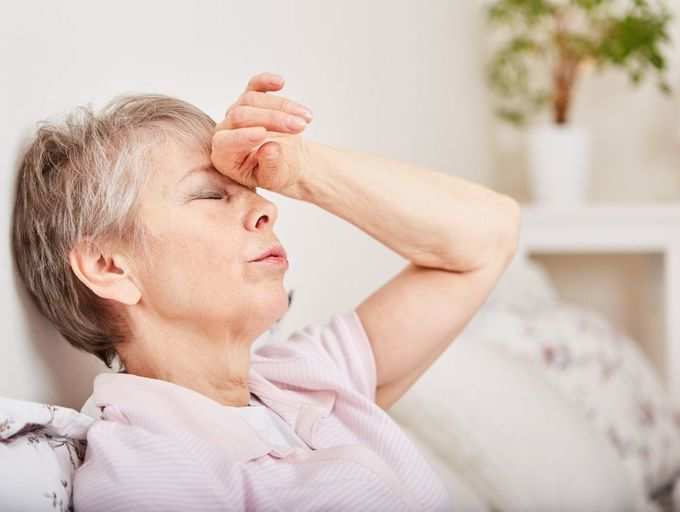
According to dr. Pratsides, if one feels dizzy or becomes unconscious due to underlying symptoms of COVID, then this could prove critical or serious.

He explains, "These signs mean you are no longer getting enough oxygen and could be experiencing acute respiratory distress syndrome, a life threatening condition characterised by severe lung inflammation."

"Even with critical Covid, if you get hospital treatment quickly you have a chance of survival and recovery," he adds.

Mild or common symptoms of COVID

Besides severe COVID-19 symptoms, the most common symptoms remain to be the same. That said, here are some classic symptoms of COVID-19 to watch out for.

- Fever

- Dry cough

- Sore throat

- Runny and stuffy nose

- Fatigue

- Loss of sense of smell and taste

Treatment and prevention
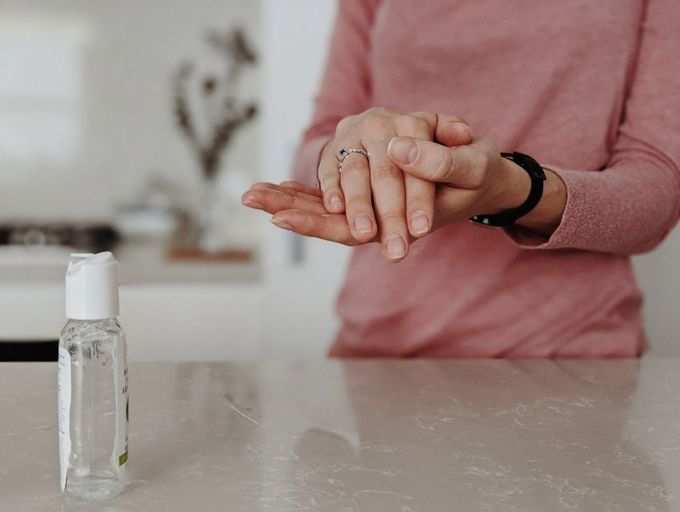
When it comes to COVID-19, it is important to first prevent yourself from the deadly virus rather than thinking of ways to treat it.

You must maintain social distancing at crowded areas and must wear your masks at all times. Wash or sanitize your hands at all times and disinfect frequently touched surfaces.

Apart from that, if you develop symptoms of COVID-19, then you must first get yourself tested for the same and self-isolate yourself until your reports are disclosed and you test negative for the virus.

Drink a lot of fluids and resort to a healthy diet.


Labels: , , , , , , , ,

Monday, January 25, 2021

A complete guide to long COVID symptoms, as per NHS reports

1. Long COVID symptoms you must be aware about

The novel coronavirus has remained with us for almost a year now. While many of its symptoms and the level of risks it poses on different individuals have come to the surface, the possibility of the long term effects of the deadly virus are still being observed and explored by scientists and medical professionals. That said, a recent report has listed down more than a dozen of long COVID symptoms, which could range from a simple rash to heightened chest pain.

2. What is Long COVID?

Long COVID is defined by the long term effects coronavirus imposes on people. as the symptoms experienced by the people and the effects the coronavirus has on various individuals for weeks or months beyond the initial illness. According to the National Institute for Health and Care Excellence (NICE), long COVID lasts for more than 12 weeks, although some other people consider symptoms that last more than eight weeks to be long Covid.

3. 14 of the most common long COVID symptoms, according to the NHS

While the vaccine rollout may have brought about a sigh of relief, much is still left for speculation at the moment. With the long term effects of the coronavirus, people have been struggling more due to long COVID than by the initial symptoms. That said, the UK's National Health Services (NHS) has listed down a series of long COVID symptoms that people must pay heed to.

- Extreme exhaustion and fatigue

- Brain fog or mental confusion

- Insomnia or sleep deprivation

- Heart palpitations

- Shortness of breath

- Chest pain

- Dizziness

- Pins and needles (an uncomfortable sensation)

- Nausea, diarrhoea, abdominal pain and loss of appetite

-Fever, dry cough, headaches, sore throat, changes or loss of sense of smell and taste

- Rashes

- Joint pain

- Depression and anxiety

- Tinnitus

According to the NHS, many people recover within a few days or weeks or with 12 weeks after infection. But some continue to face long term health issues and last for long.

readmore

4. How long does post-COVID syndrome last for?

According to a study published in The Lancet, more than 75% of the people who were hospitalized for COVID-19 still had at least one symptom 6 months after recovering. The research observed 1,733 people who had tested positive for COVID-19 in Wuhan, China, and tracked their recovery from June to September. The study claimed that about 76% of the volunteers experienced lingering symptoms of COVID-19 long after being cured of the illness.

5. Common symptoms of coronavirus

Besides the symptoms of long COVID, it is important to identify the initial and the most common symptoms of COVID-19, so as to diagnose it faster and prevent it from causing further damage. That said, here are some of the most common and classic symptoms of COVID-19.

- Fever

- Dry cough

- Sore throat

- Runny and stuffy nose

- Chest pain and shortness of breath

- Fatigue

- Gastrointestinal infection

- Loss of sense of smell and taste

readmore

6. Steps to take

Long COVID symptoms occur and last post-recovery. It is a state where lingering and long term effects of the virus tend to take a massive toll on the body.

That said, it is important to take all the precautionary measures, which could stop the step of the virus and prevent post COVID complications to.

Wear your masks regularly, sanitize your hands thoroughly and maintain social distancing at crowded places. Do not endanger yourself and others. 

This is only for your information, kindly take the advice of your doctor for medicines, exercises and so on.     

https://gscrochetdesigns.blogspot.com. one can see my crochet creations  
https://gseasyrecipes.blogspot.com. feel free to view for easy, simple and healthy recipes    
https://kneereplacement-stickclub.blogspot.com. for info on knee replacement


Labels: , , , , , , , , , , ,

Friday, June 26, 2020

Scientists are only starting to grasp the vast array of health problems caused by the novel coronavirus

Scientists are only starting to grasp the vast array of health problems caused by the novel coronavirus, some of which may have lingering effects on patients and health systems for years to come, according to doctors and infectious disease experts.

Besides the respiratory issues that leave patients gasping for breath, the virus that causes COVID-19 attacks many organ systems, in some cases causing catastrophic damage.

"We thought this was only a respiratory virus. Turns out, it goes after the pancreas. It goes after the heart. It goes after the liver, the brain, the kidney and other organs. We didn't appreciate that in the beginning," said Dr. Eric Topol, a cardiologist and director of the Scripps Research Translational Institute in La Jolla, California.

In addition to respiratory distress, patients with COVID-19 can experience blood clotting disorders that can lead to strokes, and extreme inflammation that attacks multiple organ systems. The virus can also cause neurological complications that range from headache, dizziness and loss of taste or smell to seizures and confusion.

And recovery can be slow, incomplete and costly, with a huge impact on quality of life.  

The broad and diverse manifestations of COVID-19 are somewhat unique, said Dr. Sadiya Khan, a cardiologist at Northwestern Medicine in Chicago.

With influenza, people with underlying heart conditions are also at higher risk of complications, Khan said. What is surprising about this virus is the extent of the complications occurring outside the lungs.

Khan believes there will be a huge healthcare expenditure and burden for individuals who have survived COVID-19. .........
 
LENGTHY REHAB FOR MANY

Patients who were in the intensive care unit or on a ventilator for weeks will need to spend extensive time in rehab to regain mobility and strength.

"It can take up to seven days for every one day that you're hospitalized to recover that type of strength," Khan said. "It's harder the older you are, and you may never get back to the same level of function."

While much of the focus has been on the minority of patients who experience severe disease, doctors increasingly are looking to the needs of patients who were not sick enough to require hospitalization, but are still suffering months after first becoming infected.

Studies are just getting underway to understand the long-term effects of infection, Jay Butler, deputy director of infectious diseases at the U.S. Centers for Disease Control and Prevention, told reporters in a telephone briefing on Thursday.

"We hear anecdotal reports of people who have persistent fatigue, shortness of breath," Butler said. "How long that will last is hard to say."


While coronavirus symptoms typically resolve in two or three weeks, an estimated 1 in 10 experience prolonged symptoms, Dr. Helen Salisbury of the University of Oxford wrote in the British Medical Journal on Tuesday.


Salisbury said many of her patients have normal chest X-rays and no sign of inflammation, but they are still not back to normal.

"If you previously ran 5k three times a week and now feel breathless after a single flight of stairs, or if you cough incessantly and are too exhausted to return to work, then the fear that you may never regain your previous health is very real," she wrote.

Dr. Igor Koralnik, chief of neuro-infectious diseases at Northwestern Medicine, reviewed current scientific literature and found about half of patients hospitalized with COVID-19 had neurological complications, such as dizziness, decreased alertness, difficulty concentrating, disorders of smell and taste, seizures, strokes, weakness and muscle pain.

Koralnik, whose findings were published in the Annals of Neurology, has started an outpatient clinic for COVID-19 patients to study whether these neurological problems are temporary or permanent.

Khan sees parallels with HIV, the virus that causes AIDS. Much of the early focus was on deaths.

"In recent years, we've been very focused on the cardiovascular complications of HIV survivorship," Khan said.

This is only for your information, kindly take the advice of your doctor for medicines, exercises and so on.     

https://gscrochetdesigns.blogspot.com. one can see my crochet creations  
https://gseasyrecipes.blogspot.com. feel free to view for easy, simple and healthy recipes    
https://kneereplacement-stickclub.blogspot.com. for info on knee replacement

Labels: , , , , , , , ,