Tuesday, February 23, 2021

3 COVID symptoms that can have dangerous consequences

COVID symptoms that can have dangerous consequences

With the onset of novel coronavirus, COVID symptoms have continued to increase and expand, disrupting the lives of millions of people. New and mutated strains of the virus have added to the troubles and have facilitated a faster spread of the virus. That said, while some symptoms are mild and can be treated at home, there are certain signs of COVID that can have fatalistic consequences and should be treated immediately.

Signs of severe COVID-19 infections

Apart from the three classic symptoms of COVID, namely fever, dry cough and fatigue, there are other severe signs of SARs-COV-2 that can prove life-threatening and must be treated under medical supervision. In an interview, Dr. Luke Pratsides, a lead physician at men's health clinic Numan, described the three signs of COVID-19 that can prove fatal.

Shortness of breath

As per Dr. Pratsides, "The best gauge of whether Covid symptoms are deteriorating is worsening shortness of breath and the degree at which you are able to perform normal daily activities, washing, dressing, cooking, moving up stairs and between rooms at home."

He suggests home oxygen monitoring and also asks patients to seek medical help for the same.

The inability to form a sentence or complete a full sentence without pausing for a breath or a rest is also seen as a possible sign of severe COVID infection.

Dizziness or sudden unconsciousness

According to dr. Pratsides, if one feels dizzy or becomes unconscious due to underlying symptoms of COVID, then this could prove critical or serious.

He explains, "These signs mean you are no longer getting enough oxygen and could be experiencing acute respiratory distress syndrome, a life threatening condition characterised by severe lung inflammation."

"Even with critical Covid, if you get hospital treatment quickly you have a chance of survival and recovery," he adds.

Mild or common symptoms of COVID
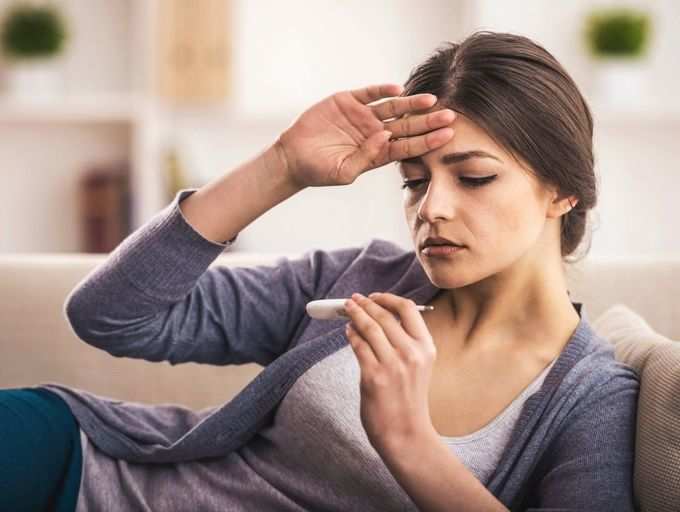
Besides severe COVID-19 symptoms, the most common symptoms remain to be the same. That said, here are some classic symptoms of COVID-19 to watch out for.

- Fever

- Dry cough

- Sore throat

- Runny and stuffy nose

- Fatigue

- Loss of sense of smell and taste

Treatment and prevention
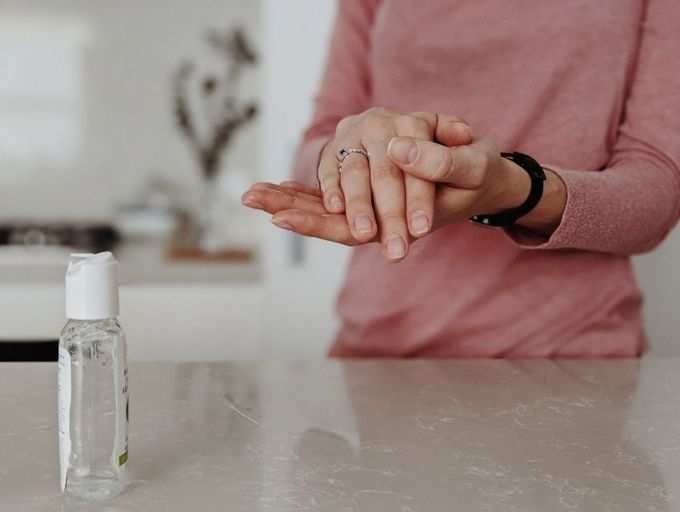
When it comes to COVID-19, it is important to first prevent yourself from the deadly virus rather than thinking of ways to treat it.

You must maintain social distancing at crowded areas and must wear your masks at all times. Wash or sanitize your hands at all times and disinfect frequently touched surfaces.

Apart from that, if you develop symptoms of COVID-19, then you must first get yourself tested for the same and self-isolate yourself until your reports are disclosed and you test negative for the virus.

Drink a lot of fluids and resort to a healthy diet.


Labels: , , , , , , , ,

Friday, March 27, 2020

How to Kill Germs with Bleach in a Few Easy Steps

There is one powerful disinfectant that can be found in nearly every household, and that is bleach. It is usually preserved for the toilet or for cases when serious sterilization is needed, and not usually used to clean ‘regular’ surfaces. However, with the outbreak of the coronavirus, many people are looking to take extra safety measures to keep their homes as germ-free as possible. This is where bleach comes in.

Is it actually effective? The short answer is yes. Studies confirm that bleach can indeed kill bacteria, fungi, and viruses, such as influenza, streptococcus, and salmonella. This is because the sodium hypochlorite found in bleach oxidizes or burns the protective membranes of bacteria and the protein shell of viruses, thus leaving them vulnerable to destruction. Influenza is known to survive 24-48 hours on inanimate surfaces, while COVID-19 can live on them for 72 hours or even days depending on the surface. Bleach radically reduces the chances of that happening.

Still, before you resort to bleach, there some important precautions you should be aware of!

Instructions for Using Bleach to Disinfect Surfaces


What is Bleach Safe For?

    Most kitchen counters
    Bathroom sinks
    Door handles

Do NOT use it on wooden floors or painted surfaces! Always wear gloves when working with bleach.


How to Kill Germs with Bleach According to the Centers for Disease Control and Prevention (CDC):

1. Mix one cup of bleach and five gallons of water in a bucket. For a smaller dose, use 4 teaspoons of bleach with one quart of water.

2. Scrub the surface using a stiff brush and the solution.

3. Let it air dry for at least 10 minutes. This is important, as it assures proper disinfection.


Using Bleach to Sanitize Fabric:

1. For a normal-sized load of laundry, add ¾ cup of bleach to the wash cycle. In case of a large or heavily soiled load, add 1 ¼ cups.

2. Dry on high heat.

3. Note! This is to be used mainly on whites, as bleach can ruin and fade colored fabrics.

Important Warning -  bleach may release toxic fumes. The CDC recommends seeking medical help immediately if you feel one of the following after using bleach:

    Blurred vision
    Headaches
    Difficulty breathing.


This is only for your information, kindly take the advice of your doctor for medicines, exercises and so on.     

https://gscrochetdesigns.blogspot.com. one can see my crochet creations  
https://gseasyrecipes.blogspot.com. feel free to view for easy, simple and healthy recipes    
https://kneereplacement-stickclub.blogspot.com. for info on knee replacement

Labels: , , , , , , , ,

Tuesday, March 24, 2020

Sanitize vs. Disinfect: What's the Difference?

When it comes to cleaning, the words sanitize and disinfect are often used interchangeably. But in actuality there's a significant difference between the two terms. Knowing the difference between sanitizing and disinfecting can help you to know exactly what cleaning products to buy, and how to use them in order to keep your home a clean and safe environment.

We looked at what the experts at the Centers for Disease Control (CDC) and the Environmental Protection Agency (EPA) had to say on the subject. Keep reading to learn the difference between the sanitizing, disinfecting, and sterilizing.

Sanitize vs. Disinfect

While cleaning refers to simply removing dirt and other impurities from a surface, sanitizing, disinfecting, and sterilizing all go far beyond this to eliminate harmful bacteria. Knowing the difference between these deep cleaning terms helps us to safely and effectively use our cleaning products.

According to the CDC, sanitizing refers to lowering the number of germs on a surface to a safe level, "as judged by public health standards or requirements." This process works either through cleaning (which physically removes germs from surfaces) or disinfecting (which kills germs). Sanitizing is generally a little more gentle than disinfecting.

So while sanitizing refers to lowering the number of germs to a safe level by either cleaning or disinfecting, disinfecting itself refers to killing nearly 100 percent of germs on surfaces or objects, according to the CDC. This works by using chemicals to kill germs. Disinfecting doesn't necessarily clean dirty surfaces, but it does kill germs, helping to lower the risk of infection.

When to Sanitize

It's best to sanitize surfaces that don't normally come into contact with dangerous bacteria, or those that are best cleaned without powerful chemicals. For example, cooking tools or children's toys would be best for sanitization, as you don't want those coming into contact with powerful chemicals.


What Is Considered a Sanitizer?

In order to be considered a sanitizer (like this $5 Amazon bestseller), a product must reduce bacteria on a surface by at least 99.9 percent, according to the EPA. A simple water and beach solution can be a sanitizer or a disinfectant, depending on the concentration of bleach in the solution. Solutions with higher concentrations of bleach will be a disinfectant, while lower concentrations are more likely to be a sanitizer.


When to Disinfect
Unlike sanitizing, disinfecting won't be a super common part of your cleaning routine. It's really meant for serious messes like those involving bodily fluids, making it more common in medical settings.

What does it mean for your household cleaning? You'll likely want to disinfect things like toilets or sinks that can come into contact with dangerous bacteria. You'll also want to disinfect high-touch areas like door-knobs and faucets. Overuse of disinfectants can lead to harmful health and environmental consequences.


What Is Considered a Disinfectant?

According to EPA standards, a disinfectant (like this bestselling hospital-grade disinfectant) must kill 99.999 percent of germs, compared to 99.9 percent for sanitizers. While this difference might seem minimal, it can make a huge difference in reducing the spread of infection.

Is Bleach a Sanitizer or Disinfectant?
Bleach can be used as a disinfectant or a sanitizer, depending on how concentrated the bleach solution is. It all comes down to how much it's diluted. Its active ingredient, sodium hypochlorite, is effective in killing bacteria, fungus, and viruses. Refer to the instructions on the packaging for how to dilute bleach. And remember, never mix bleach with ammonia or any other cleaner.


And What About Sterilizing?

Sterilization is an entirely different beast, and it's not something the average person will need to do in their home. According to the CDC, sterilization is the process of destroying or eliminating all forms of microbial life.

It's often carried out in health-care facilities using physical or chemical methods including: steam under pressure, dry heat, EtO gas, hydrogen peroxide gas plasma, and liquid chemicals. These extreme forms of decontamination are necessary for things like surgery, or in certain environments like laboratories or hospitals.

The main difference between the two is disinfection is the process of eliminating all harmful microorganisms, while sterilization is the process of killing all microorganisms.


This is only for your information, kindly take the advice of your doctor for medicines, exercises and so on.     

https://gscrochetdesigns.blogspot.com. one can see my crochet creations  
https://gseasyrecipes.blogspot.com. feel free to view for easy, simple and healthy recipes    
https://kneereplacement-stickclub.blogspot.com. for info on knee replacement

Labels: , , , , , ,

Wednesday, December 11, 2019

Amazing uses of Hydrogen peroxide in your kitchen

We normally think that hydrogen peroxide is used only for medicinal purposes. But, they're used right from cleaning wounds, to disinfecting your fruits and veggies, fridge, dish washer and more. Continue to read below, the various uses, it will sure amaze you.

1. Scour Burnt Pots

Sometimes you have the heat up too high, or you’re using an absolutely ancient pan, and before you know it your cookware is covered in burnt spots. Before you destroy your hands with steel wool or scouring pads, try this DIY remedy.

Make a paste of baking soda and hydrogen peroxide, and apply that to the burnt, dirty areas. Let it marinate for a bit and then use warmish water to scrub it away. The stain should come off pretty easily, but if it doesn’t, simply repeat the process, leaving the paste on a little longer the next time.


2. Detoxify Fruits and Veggies

Just because you didn’t pay extra for organic produce doesn’t mean you have to infest the harmful pesticides generally used on fruits and veggies. Water alone might not do the trick, but this hydrogen peroxide solution sure will.

Spray your produce with some food-grade peroxide, let the mixture sit on the food for a minute or two, and then rinse and dry. Next, spray the produce with some vinegar; combined, the two agents work detoxifying wonders!

3. Kill Household Mold

Not only is mold unsightly and gross, but it can cause so many different health problems, too. Depending on the severity of your mold problem, you may need to call in some specialists.

But if you recognize what you see as your average, run-of-the-mill household mold, you can use some hydrogen peroxide to get rid of it — and treat the area to prevent mold from growing in the future!

4. Make Your Dishwasher More Efficient

Sure, dishwashers are great in theory — when they work! But if you don’t take care of your dishwasher, clean it regularly, and stay up to date on its maintenance, your dishes will come out less than lustrous. Before you run off to buy every product on the planet, give this hydrogen peroxide hack a try.

Add a few drops of peroxide to your regular dishwasher detergent, and your dishes will come out cleaner than ever. It’s that simple.


19. DIY Pesticide 

While we all love the summertime, it’s also the time of year when we remember how annoying some pests can be. Whether it’s mosquitoes attracted to our blood or ants attracted to that juice spill that wasn’t thoroughly cleaned, the little bugs are a nuisance. You can create an all-natural, DIY “pesticide” with just some water and hydrogen peroxide. Add some peroxide to a spray bottle full of water and spray the solution wherever required. It’ll help keep bugs away.


21. Remove Rust

Hydrogen peroxide can be used to remove rust from hammers or other tools in just minutes. Pour some hydrogen peroxide into a small container and let the rusted metal soak in it for a few minutes, according to HomeQuicks.com tutorial. Then just take some steel wool or a brush and scrub.

Additionally, you can mix borax with hydrogen peroxide to create a handy cleaning solution.

27. Disinfect Dishcloths and Sponges

Kitchen dishrags and sponges might as well be called germ magnets with the amount of dirt and grime these kitchen tools pick up. However, a little hydrogen peroxide can get them clean quick… and maybe even lengthen their respective lifespans.

Simply spray your rags and sponges with hydrogen peroxide while they’re in the sink. This will kill a vast majority of the germs they’re harboring. In addition, cleaning them this way will also allow you to fully wash them less often, meaning they’ll stay together longer.

28. Clean Kids' Toys

Babies and toddlers have a habit of putting, well, everything in their mouths. That’s why many advise wiping down all their toys – as well as play areas and etc. – with hydrogen peroxide regularly.
Added Bonus: It’s safer to use hydrogen peroxide on children’s belongings than store-bought cleaners, as it won’t cause the type of lung irritations that many commercial cleaners will

29. Disinfect Coolers and Lunchboxes

It’s easy to overlook tiny food particles in coolers and lunchboxes since they build up slowly over time. To combat this, simply spray down the inside of the lunchbox/cooler with hydrogen peroxide, let it sit for a few minutes, then wipe it down with a cloth or paper towel.

We’d also advise keeping household pets out of lunch boxes and coolers, but that’s less hack and more common sense…we’d hope.

42. Sanitize Meat Cutting Boards

Do you have a specific cutting board in the kitchen that is used mostly for meat? If so, cleaning with soap and water is always a necessity, but even that doesn’t always get rid of all the potentially harmful germs borne from meat. If you really want to make sure that cutting board has been disinfected thoroughly, soak it in hydrogen peroxide after washing it with soap and water. This will make sure all those germs are dead and gone before putting the board away in the cabinet.


45. Disinfect Reusable Shopping Bags

You’re doing your part to help reduce your carbon footprint and cut down on disposable items. That’s why you have those handy reusable shopping bags in the car or kitchen for every time you go to the store. But you should be treating them just as you would any other surface that comes in close contact with food. Germs can be left behind and those breed dangerous bacteria. Use hydrogen peroxide to clean the inside of reusable shopping bags to make sure all those pesky germs are taken care of.


46. Disinfect Your Refrigerator

Every once in a while the cleaning bug hits you and you do a deep clean of the household refrigerator. It’s so easy to miss little spills and other food stuffs that might get left behind in there, which can harden and become difficult to clean, but also breed nasty bacteria. While soap and water is the obvious answer, you should also wipe everything down with a solution of hydrogen peroxide and warm water to help kill all the germs the soap might not eradicate.


this is only for your information, kindly take the advice of your doctor for medicines, exercises and so on.     
https://gscrochetdesigns.blogspot.com. one can see my crochet creations  
https://gseasyrecipes.blogspot.com. feel free to view for easy, simple and healthy recipes    
https://kneereplacement-stickclub.blogspot.com. for info on knee replacement


Labels: , , , , , , , , , , , , , , , ,