Saturday, September 14, 2024

This Root Tea Will Start Your Journey to a Healthier Life

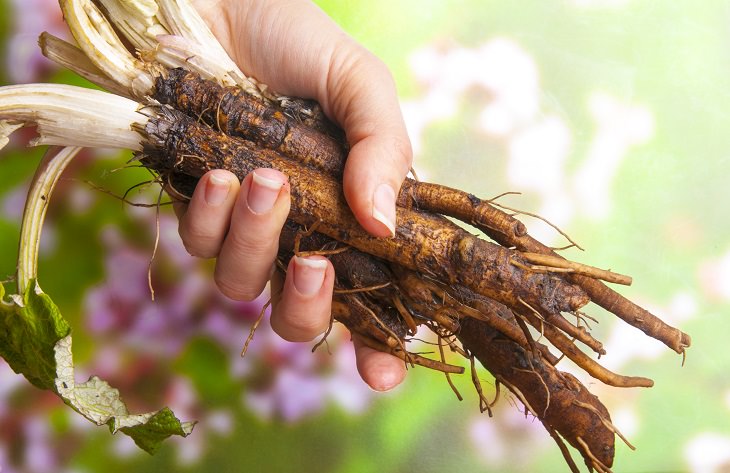
This popular herbal tea is made by steeping the dried root of the burdock plant. It has been used for thousands of years as a traditional medicine in Europe, North America, and Asia. It’s also cultivated in many areas due to the medicinal and nutritional properties of its leaves, roots, stems, and flowers. Most of the benefits of burdock root tea comes from the significant levels of luteolin, quercetin, and other antioxidants, as well as folate, potassium, vitamin B6, manganese, magnesium, calcium, iron, and phosphorous. 
 
How to Make Burdock Root Tea
This Root Tea Will Start Your Journey to a Healthier Life
Making this tea is simple, provided you have access to fresh burdock, which is not always the easiest thing to find in the West. In Asia, burdock root is easy to find, but in the West, you might need to find an Asian import store. You could also purchase burdock root tea that has already been shredded and roasted, and therefore ready to brew.

If you buy some fresh Burdock root, begin by cutting it into 1-2-inch chunks. Then, using a potato peeler, shred the root chunks into thin strips. Place these outside so that they can dry in the sun for a few hours. Once they are dry, place them in the frying pan and heat them up (don’t use oil). They should roast quite easily if you heat them for 5-10 minutes and you want the color to be a rich golden brown. Once they have cooled down, they can be brewed into burdock root tea. 
 
Ingredients 
 
 • 8-10 burdock root strips 
 
• 2 cups of filtered water 
 
• 1 teaspoon organic honey 
 
Directions 
1. Place the burdock root strips in a teapot. 
 
2. Bring the water to the boil in a stainless-steel pot. 
 
3. Remove from the heat for 2-3 minutes and pour it into the teapot. 
 
4. Allow the mixture to steep for 5-10 minutes. 
 
5. Enjoy. 
 
Below are 8 great health benefits of burdock root tea: 
 
1. Diuretic Effects  
Burdock root was commonly used for its diuretic and diaphoretic effects, meaning that it caused sweating and urination in those who drank it. This helps to purify the blood and detoxify the body, as sweating and urination are ways for the body to expel excess salts, toxins, and water, thereby relieving stress on the liver, kidneys, and lymphatic system.  
 
2. Heart Health
The high levels of potassium in burdock root tea makes it excellent for heart health, as it reduces strain on the cardiovascular system by lowering blood pressure. Potassium not only regulates the fluid in the body, but it also acts as a vasodilator, helping to prevent atherosclerosis, strokes, and heart attacks.

3. Cancer Prevention 
The phenolic acids quercetin and luteolin make burdock root tea a potent anti-cancer brew, as these antioxidants can seek out and destroy free radicals that are causing oxidative stress in the body. These free radicals are often responsible for cancer. 
 
4. Immune System 
The vitamin C found in this root tea helps to stimulate the immune system and the production of white blood cells, while also increasing collagen production and speeding up the healing process following an illness. 
 
5. Liver Function 
Many studies have shown that burdock root tea can help speed the regrowth process of liver cells following diseases such as hepatitis and cirrhosis. The liver is an important organ that can be easily damaged, making this a great brew for those individuals with blood-borne diseases of alcohol-induced damage. 
 
6. Hair Health
The phytosterols present in burdock root tea, as well as the essential oils in the root, can prevent hair loss and improve the health of the scalp and follicles, eliminating dandruff and other common issues.
 
7. Inflammation 
In ancient times, burdock root tea was often recommended for those suffering from fever, headaches, aches, pains, and joint disorders. This is due to the anti-inflammatory nature of this brew, and people still turn to this tea for similar ailments. For those suffering from gout, research has shown that the compounds in burdock root tea can decrease levels of uric acid in the blood, improving this condition.

8. Respiratory Issues
This root tea has expectorant and decongestant properties, so if you have a cough, cold or flu-like symptoms, a cup of this delicious tea each day can help get rid of phlegm and mucus, while the antibacterial nature of the tea can attack the underlying infection to speed healing. 
 
Burdock Root Tea Side Effects 
 
Pregnancy 
Studies have shown that burdock root tea can stimulate uterine contractions, which is extremely dangerous for pregnant women, especially those in the first two trimesters of their pregnancy. Similarly, for nursing women, some of the potent compounds of this tea can be passed on to the infant and should be avoided. 
 
Blood Pressure
The blood pressure-lowering qualities of this root tea are beneficial unless you happen to be suffering from hypotension, or are taking medicine for hypertension, in which case, you might experience lightheadedness, cognitive confusion, or dizziness. 
 
Allergic Reactions 
Some people may be allergic to burdock root and may experience rapid contact dermatitis while preparing this brew. If any inflammation or rashes develop, stop using this tea right away.


This is only for your information, kindly take the advice of your doctor for medicines, exercises and so on.   

https://gscrochetdesigns.blogspot.com. one can see my crochet creations  
https://gseasyrecipes.blogspot.com. feel free to view for easy, simple and healthy recipes    
https://kneereplacement-stickclub.blogspot.com. for info on knee replacement
https://cancersupportindia.blogspot.com  for infor on cancer and health related topics
https://GSiyers home remedies.blogspot.com   is the latest addition to my blogs. I'm going to add posts there, do give me your valuable feed back on my blogs. Thanks a lot, take care, be healthy and be happy.

Labels: , , , , , , , ,

Wednesday, April 06, 2022

Nipah virus: Know how it spreads and what are the common symptoms

We have seen how a pandemic goes out of control within a short span of time

While COVID cases are dropping in the country and abroad, we should not relax and loosen our focus on staying safe and healthy. In these 3 years we have understood how a pandemic goes out of control within a short span of time; therefore it is our responsibility to get control over things, be properly educated about the viral infections that can possibly stall our lives and keep ourselves clean and healthy.

What is the Nipah virus?

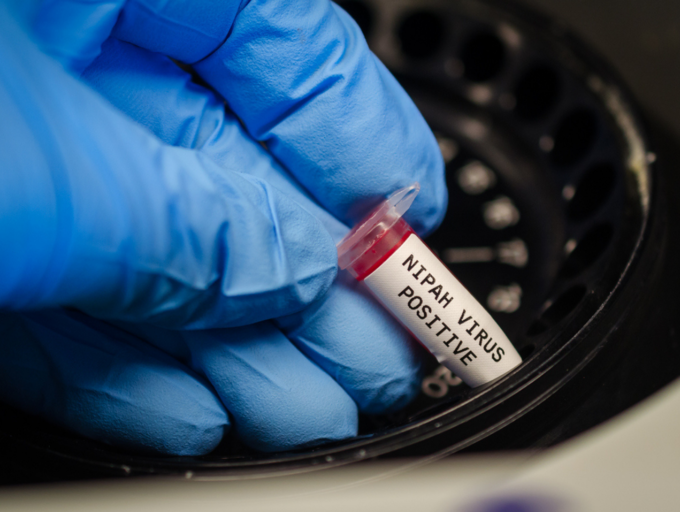
Nipah virus is a zoonotic virus just like the coronavirus. It can transmit from animals to humans through contamination. It can also be transmitted from humans to humans through direct contact.

Apart from human beings, Nipah virus can disastrously affect farm animals like pigs.

Just like coronavirus, Nipah virus breeds on bats. Fruit bats of the Pteropodidae family are the natural host of Nipah virus.

The first case of Nipah was reported in 1999 from among pig farmers in Malaysia. It was also spotted in Bangladesh in 2001. As per WHO report, this virus has not been seen in Malaysia since the first time it was spotted.


How severe is Nipah?
​How severe is Nipah?

The Nipah infection case fatality rate is estimated at 40% to 75%. In eastern part of India, where the infection was spotted twice, consumption of contaminated fruits was said to be a primary reason for the spread of the disease.

Usually fruit bats feed on fruits and leave behind their urine or saliva on them. The fruits half eaten by the bats are collected by locals. In many instances, these fruits are eaten as such without giving any importance on cleaning it. When the body fluids of the contaminated bats come in contact with the human system, it causes the infection.

On the severity of the infection and giving instances of when it was spread through humans mostly, the WHO says: "During the later outbreaks in Bangladesh and India, Nipah virus spread directly from human-to-human through close contact with people's secretions and excretions. In Siliguri, India in 2001, transmission of the virus was also reported within a health-care setting, where 75% of cases occurred among hospital staff or visitors. From 2001 to 2008, around half of reported cases in Bangladesh were due to human-to-human transmission through providing care to infected patients."

​Nipah virus infection: What are the signs and symptoms

​Nipah virus infection: What are the signs and symptoms

The common symptoms of Nipah virus infection are:

  • Fever
  • Headache
  • Myalgia or muscle pain
  • Vomiting
  • Sore throat
  • Dizziness
  • Drowsiness
  • Altered consciousness
  • Acute encephalitis
  • Pneumonia, respiratory issues
  • Encephalitis and seizures in severe cases

​Who is at higher risk of developing Nipah infection?

​Who is at higher risk of developing Nipah infection?

People who stay close to areas inhabited by bats are more likely to have this disease. People who have farm animals like pigs are also more prone to this infection.

Apart from these, health care workers who are in direct contact with infected patients and those people who come in close contact with a Nipah affected person during burial or cremation process are also likely to get this infection.

​Nipah virus in India

​Nipah virus in India

India has witnessed three major outbreaks of Nipah virus: in 2001, 2007 and in 2018. In 2018 it was localized in the Kozhikode and Malappuram districts of Kerala.

A total of 17 people had succumbed to the infection as per government records.

Nipah virus outbreaks have occurred in Bangladesh, Malaysia, and Singapore as well.

​What should be done to prevent getting this infection?

​What should be done to prevent getting this infection?

In order to avoid getting the infection, one should follow healthy practices. Washing hands with soap and water after coming in contact with animals or a sick person, avoiding consumption of raw fruits and vegetables directly plucked from farms or trees, washing fruits and vegetables thoroughly before consumption, keeping the wells or water tanks covered can save from contracting the infection.

This is only for your information, kindly take the advice of your doctor for medicines, exercises and so on.   

https://gscrochetdesigns.blogspot.com. one can see my crochet creations  
https://gseasyrecipes.blogspot.com. feel free to view for easy, simple and healthy recipes    
https://kneereplacement-stickclub.blogspot.com. for info on knee replacement


Labels: , , , , , , , , , , , , , ,

Sunday, October 10, 2021

Learn All About Salt-Therapy and It's Benefits

Halotherapy is a complementary therapy based on the inhalation of salt-infused air. In the Greek language, the word 'halo' is a prefix that means salt. There are various cases throughout history where people saw the benefits of salt. As early as the 4th and 5th centuries, the sick were brought into natural salt caves to help treat health conditions related to lung and skin issues.

In the 19th century, European doctors noticed that workers in salt mines had fewer respiratory complaints than other miners. Modern studies are still too small to show one concise conclusion, and researchers are divided into two groups of skeptics and supporters, but one thing is widely agreed upon, and that is that Halotherapy doesn't have major negative side effects. 
 
Which Ailments Can Be Treated With Halotherapy?
Halotherapy
People who suffer from respiratory issues such as asthma, chronic bronchitis, and allergies will benefit from Halotherapy. Skin conditions such as psoriasis, eczema, and acne can also be treated with the help of Halotherapy. Some suggest that Halotherapy can also benefit those who suffer from depression and anxiety as most of the methods of treatment are very calming.

How Does it Work?
As many basic physiological functions in the body depend on a balance between salts and liquid, salt, in a way, symbolizes life itself. When they are inhaled, salt particles help in thinning mucus since they draw out fluids. This clears up nasal blockages and opens the airways of patients who have sinus and respiratory problems. 
 
Also a natural disinfectant, salt can kill bacteria and fungus. This greatly improves skin conditions especially for those with dermatitis, acne, psoriasis, and eczema. 
 
Salt is also said to produce negative ions. This theoretically causes your body to release more serotonin, one of the chemicals responsible for the feeling of happiness. Many people use Himalayan salt lamps to get the benefits of negative ions at home. If you'd like to know more, this article has more details about them. 
 
There are two main categories of Halotherapy and they are the dry methods and the wet methods.

Dry Methods
Halotherapy
Dry methods are based on man-made “salt caves” that are free of humidity. A device called a halogenerator grinds salt into microscopic particles and releases them into the air of the room. The temperature is cool, set to 68°F (20°C) or lower. Sessions usually last for about 30 to 45 minutes. Patients will sit and relax inside the salt chamber. Some spa resorts offer other wellness treatments in the salt chambers such as massages and facial treatments.  
 
Wet Methods
Halotherapy
Halotherapy is also done using a mixture of salt and water. The therapeutic powers of water are well known and backed by science. Wet methods of Halotherapy include: 
 
Gargling salt water for a sore throat or a cold, or swishing them daily in the mouth as a mouthwash. 
 
Bathing in Epsom salt water (read all about the benefits here) 
 
Using saltwater for nasal irrigation (this is also safe for babies: "According to a 2008 study, inhaling a 3 percent saline solution is a safe and effective treatment for infants with bronchiolitis"- Healthline)

Flotation tanks filled with saltwater. This treatment imitates the natural benefits of the Dead Sea. As previously mentioned in this post: 
 
"The Dead Sea area has become a major center for health research and treatment for several reasons. The mineral content of the water, the very low content of pollens and other allergens in the atmosphere, the reduced ultraviolet component of solar radiation, and the higher atmospheric pressure at this great depth each have specific health effects." 
 
Finally, we'd like you to remember that while Halotherapy is meant to work with any medications you’re on, you should let your doctor know you want to try it. Don’t stop any medications without discussing it with your doctor.


This is only for your information, kindly take the advice of your doctor for medicines, exercises and so on.   

https://gscrochetdesigns.blogspot.com. one can see my crochet creations  
https://gseasyrecipes.blogspot.com. feel free to view for easy, simple and healthy recipes    
https://kneereplacement-stickclub.blogspot.com. for info on knee replacement


Labels: , , , , , , ,