Nipah virus: Know how it spreads and what are the common symptoms
We have seen how a pandemic goes out of control within a short span of time
While COVID cases are dropping in the country and abroad, we should not relax and loosen our focus on staying safe and healthy. In these 3 years we have understood how a pandemic goes out of control within a short span of time; therefore it is our responsibility to get control over things, be properly educated about the viral infections that can possibly stall our lives and keep ourselves clean and healthy.
What is the Nipah virus?
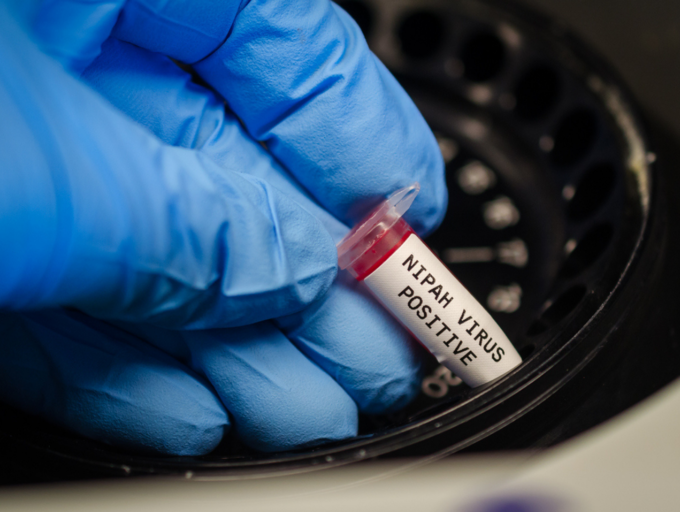
Nipah virus is a zoonotic virus just like the coronavirus. It can transmit from animals to humans through contamination. It can also be transmitted from humans to humans through direct contact.
Apart from human beings, Nipah virus can disastrously affect farm animals like pigs.
Just like coronavirus, Nipah virus breeds on bats. Fruit bats of the Pteropodidae family are the natural host of Nipah virus.
The first case of Nipah was reported in 1999 from among pig farmers in Malaysia. It was also spotted in Bangladesh in 2001. As per WHO report, this virus has not been seen in Malaysia since the first time it was spotted.
How severe is Nipah?
The Nipah infection case fatality rate is estimated at 40% to 75%. In eastern part of India, where the infection was spotted twice, consumption of contaminated fruits was said to be a primary reason for the spread of the disease.
Usually fruit bats feed on fruits and leave behind their urine or saliva on them. The fruits half eaten by the bats are collected by locals. In many instances, these fruits are eaten as such without giving any importance on cleaning it. When the body fluids of the contaminated bats come in contact with the human system, it causes the infection.
On the severity of the infection and giving instances of when it was spread through humans mostly, the WHO says: "During the later outbreaks in Bangladesh and India, Nipah virus spread directly from human-to-human through close contact with people's secretions and excretions. In Siliguri, India in 2001, transmission of the virus was also reported within a health-care setting, where 75% of cases occurred among hospital staff or visitors. From 2001 to 2008, around half of reported cases in Bangladesh were due to human-to-human transmission through providing care to infected patients."
Nipah virus infection: What are the signs and symptoms

The common symptoms of Nipah virus infection are:
- Fever
- Headache
- Myalgia or muscle pain
- Vomiting
- Sore throat
- Dizziness
- Drowsiness
- Altered consciousness
- Acute encephalitis
- Pneumonia, respiratory issues
- Encephalitis and seizures in severe cases
Who is at higher risk of developing Nipah infection?

People who stay close to areas inhabited by bats are more likely to have this disease. People who have farm animals like pigs are also more prone to this infection.
Apart from these, health care workers who are in direct contact with infected patients and those people who come in close contact with a Nipah affected person during burial or cremation process are also likely to get this infection.
Nipah virus in India
India has witnessed three major outbreaks of Nipah virus: in 2001, 2007 and in 2018. In 2018 it was localized in the Kozhikode and Malappuram districts of Kerala.
A total of 17 people had succumbed to the infection as per government records.
Nipah virus outbreaks have occurred in Bangladesh, Malaysia, and Singapore as well.
What should be done to prevent getting this infection?
In order to avoid getting the infection, one should follow healthy practices. Washing hands with soap and water after coming in contact with animals or a sick person, avoiding consumption of raw fruits and vegetables directly plucked from farms or trees, washing fruits and vegetables thoroughly before consumption, keeping the wells or water tanks covered can save from contracting the infection.